

If you’ve ever wanted to grow a tree that’s both beautiful and packed with health benefits, the moringa tree is a perfect choice. But how do you make sure your moringa tree thrives and stays healthy?
You’re about to discover simple, practical steps that will help your tree grow strong, produce lush leaves, and become a valuable part of your garden. Keep reading, and you’ll learn everything you need to care for your moringa tree like a pro.
Choosing The Right Location
Choosing the right location is the first step to growing a healthy moringa tree. This tree thrives best in certain conditions. Picking a good spot helps it grow fast and stay strong. Consider sunlight, soil, and space to give your moringa the best start.
Sunlight Requirements
Moringa trees need plenty of sunlight. They grow best with at least six hours of direct sun daily. Too little sun makes the tree weak and slow. A bright, sunny spot helps leaves stay green and healthy. Avoid shady places where the tree may not thrive.
Soil Preferences
The soil for moringa should drain well. Sandy or loamy soils work best. Avoid heavy clay soils that hold water. Moringa prefers soil with a neutral to slightly acidic pH. Good soil helps roots grow deep and strong. Add organic matter to improve poor soil if needed.
Space Considerations
Moringa trees need space to grow tall and wide. Plant them at least 10 feet apart from other plants or trees. Crowding limits air flow and sunlight. Enough space reduces disease risk and helps branches spread. Plan your garden space before planting moringa.
:max_bytes(150000):strip_icc()/how-to-grow-and-care-for-moringa-plants-5076022-05-34cf579805964309bd6a119d863c01f9.jpg)
Credit: www.thespruce.com
Planting Your Moringa Tree
Planting your moringa tree is the first step to growing a healthy and strong plant. This tree grows fast and needs the right care from the start. Proper planting helps the tree develop deep roots and good leaves. Follow these tips to give your moringa tree a great beginning.
Seed Selection And Preparation
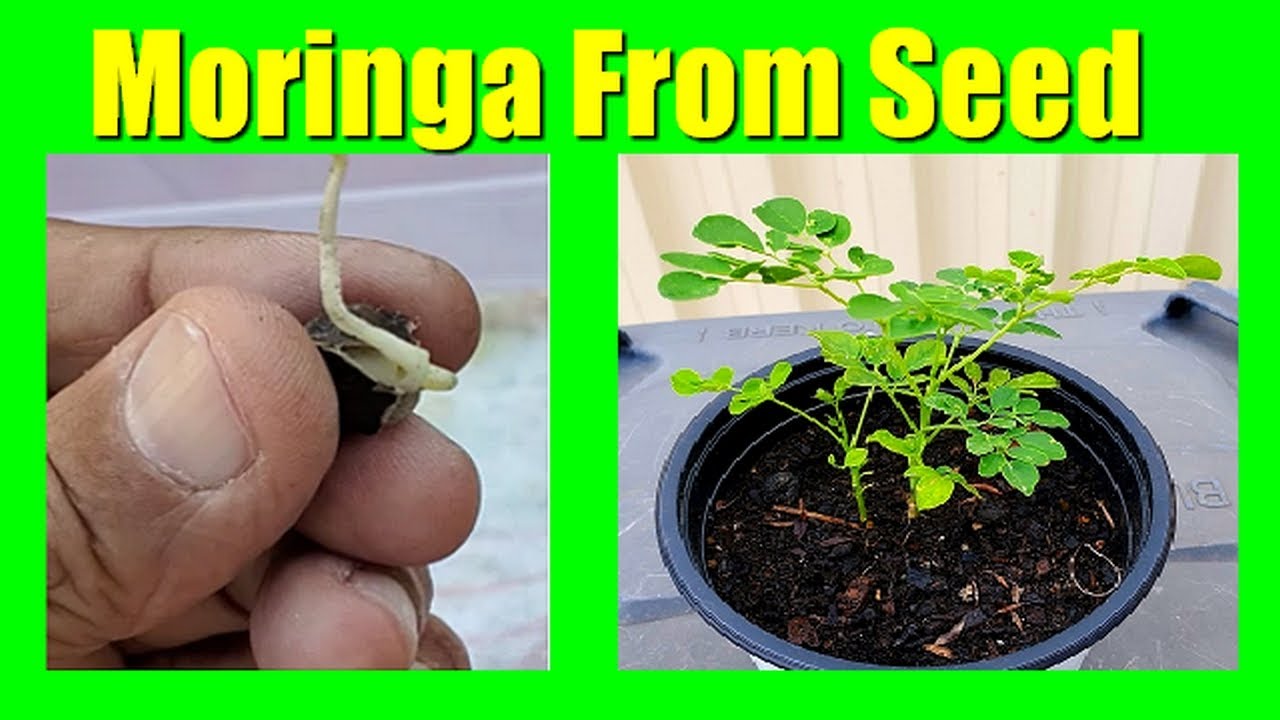
Choose fresh moringa seeds for better growth. Old seeds may not sprout well. Soak the seeds in water for 24 hours before planting. This softens the seed coat and helps sprouting. Use seeds that are large and firm. Avoid seeds with cracks or holes.
Planting Techniques
Plant seeds about one inch deep in loose soil. Space seeds at least 12 inches apart to give room to grow. Use pots or directly plant in the garden. Keep the soil warm and well-drained. Cover the seeds lightly and press the soil gently. Place the pots in a sunny spot or choose a sunny garden area.
Watering After Planting
Water the seeds gently after planting to settle the soil. Keep the soil moist but not waterlogged. Water every day in dry weather. Avoid overwatering as it can cause root rot. Once seedlings appear, reduce watering to every two or three days. Check soil moisture with your finger to avoid dryness or sogginess.
Watering Guidelines
Water is crucial for the health of your moringa tree. Giving the right amount helps it grow strong and healthy. Too much or too little water can harm the tree. Understanding how often and how much to water keeps your moringa thriving. Watch the tree’s signals to adjust watering as needed.
Frequency And Amount
Water young moringa trees deeply twice a week. Mature trees need watering once a week. During hot, dry days, increase watering slightly. Use enough water to soak the soil 6 inches deep. Avoid shallow watering; it weakens roots.
Signs Of Overwatering
Yellow leaves and soft stems show overwatering. Soil that stays wet for days is a bad sign. Roots may start to rot in soggy soil. Leaves might drop even with enough water. Stop watering and let soil dry if you see these signs.
Drought Tolerance
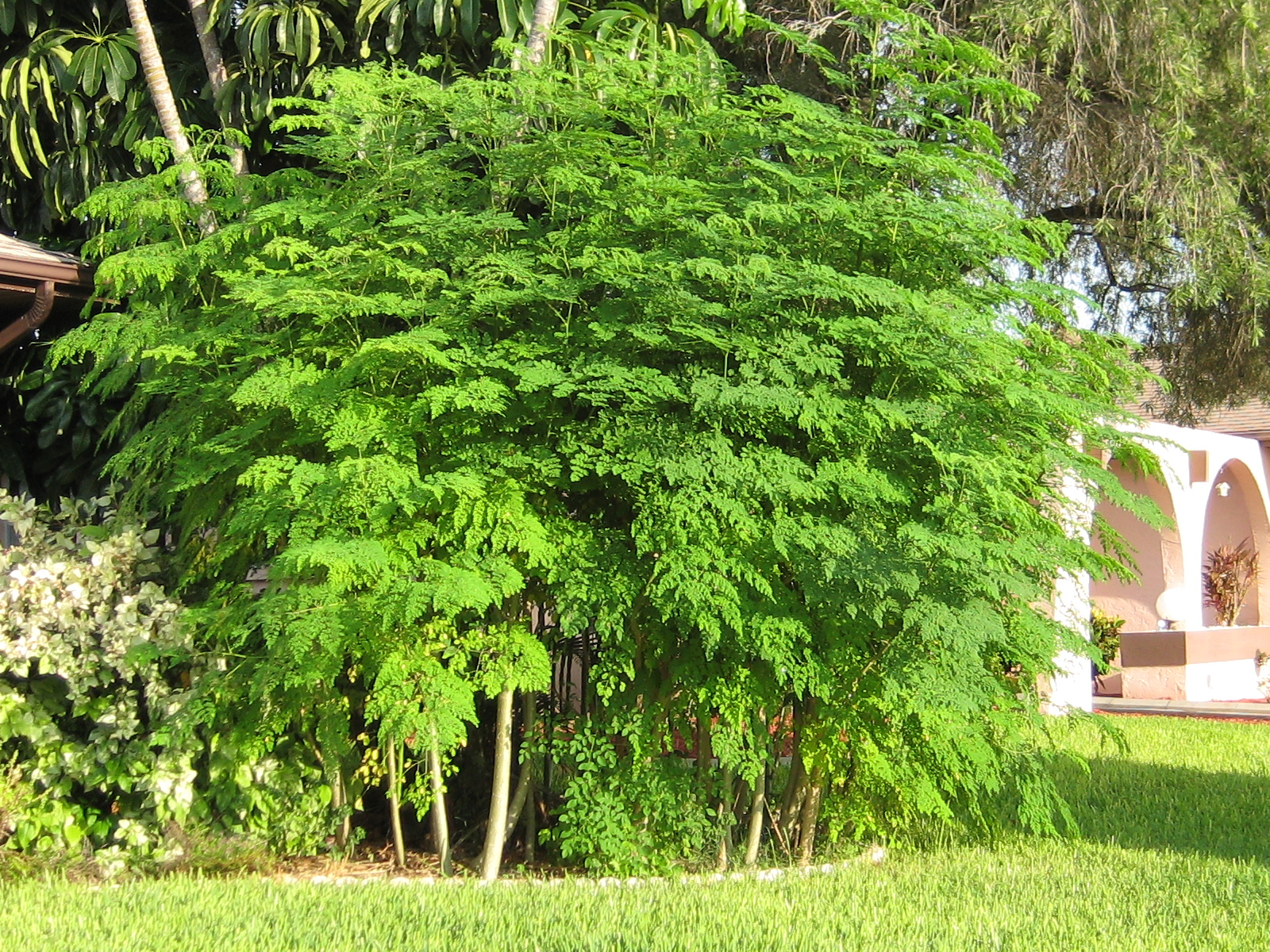
Moringa trees survive dry spells well once mature. They store water in their trunk and roots. During drought, water less often but deeply. Mulch around the tree to keep soil moist. Watch leaves for wilting, a sign to water more.
Credit: blog.kulikulifoods.com
Fertilizing For Healthy Growth
Fertilizing is important for the healthy growth of your moringa tree. It helps the tree get the nutrients it needs to grow strong leaves and branches. Proper fertilizing supports better flowering and seed production.
Choosing the right fertilizer and applying it at the right time keeps your moringa tree healthy. Organic options can also improve soil quality and protect the environment.
Best Fertilizer Types
Use fertilizers rich in nitrogen, phosphorus, and potassium for moringa trees. Balanced fertilizers like 10-10-10 work well. Nitrogen helps leaves grow green and lush. Phosphorus supports root and flower growth. Potassium boosts overall tree health.
Slow-release fertilizers provide nutrients over time. This reduces the need for frequent feeding. Avoid fertilizers with too much salt, which can harm the roots.
Application Timing
Apply fertilizer during the early growing season. This helps the tree build strong roots and leaves. Fertilize every 6 to 8 weeks for best results. Avoid fertilizing during very hot or cold weather. Water the tree before and after fertilizing to help nutrients soak in.
Organic Options
Compost and well-rotted manure work well as organic fertilizers. They improve soil structure and add nutrients slowly. Bone meal and fish emulsion provide phosphorus and nitrogen naturally. Organic options are safe for the environment and your family. They also support beneficial soil microbes that help the tree grow.
Pruning And Shaping
Pruning and shaping are key steps to keep a moringa tree healthy and growing well. Cutting some branches helps the tree get more sunlight and air. It also controls the size and form of the tree. Proper pruning makes the moringa tree stronger and more productive. Here is what you need to know about pruning and shaping your moringa tree.
When To Prune
Prune your moringa tree during the dry season. This helps cuts heal faster and reduces disease risk. Avoid pruning when the tree is flowering or fruiting. Early spring or late winter is the best time. Light pruning can happen anytime to remove dead or weak branches.
Pruning Techniques
Start by removing dead or damaged branches. Use sharp, clean tools for smooth cuts. Cut branches close to the main stem but avoid cutting the stem. Thin out crowded branches to improve air flow. Trim the top to control height and encourage bushier growth. Always cut at a slight angle to help water run off.
Benefits Of Pruning
Pruning helps the moringa tree grow healthier leaves and pods. It improves air circulation, reducing pests and diseases. Shaping the tree makes harvesting easier and safer. Pruning also encourages the tree to produce more new shoots. A well-shaped moringa tree looks neat and grows better in limited space.
Pest And Disease Control
Controlling pests and diseases is key to keeping your moringa tree healthy. Pests can damage leaves and stems, slowing growth. Diseases may cause spots, wilting, or leaf drop. Early detection helps protect your tree and its yield.
Regularly check leaves and branches for any unusual signs. Clean fallen leaves and debris around the tree base. This reduces places where pests and diseases hide. Use natural methods to avoid harming beneficial insects and the environment.
Common Pests
Aphids often cluster on young leaves and stems. They suck sap, weakening the tree. Whiteflies appear as tiny white insects under leaves. Caterpillars chew large holes in leaves. Spider mites cause fine webbing and tiny yellow spots. Each pest harms the tree differently but needs control.
Disease Symptoms
Look for yellow or brown spots on leaves. Wilting branches may indicate root or stem disease. Powdery white coating on leaves signals fungal infection. Leaf drop reduces the tree’s ability to make food. Early spotting of these signs allows quick action.
Natural Remedies
Spray neem oil to repel many pests naturally. Soap water spray removes soft-bodied insects like aphids. Introduce ladybugs; they eat harmful pests. Use garlic or chili pepper spray for extra protection. Keep soil healthy with compost to boost tree defenses.
Harvesting Moringa Leaves
Harvesting moringa leaves is an important step to enjoy their full nutritional benefits. Picking leaves at the right time and in the right way keeps your tree healthy. Proper care after harvesting helps leaves stay fresh longer. Follow these tips to get the best results from your moringa tree.
Optimal Harvest Time
Harvest moringa leaves early in the morning. The leaves have the most moisture then. Choose young, tender leaves for the best taste. Avoid picking leaves during hot afternoons. Wait until the tree is at least six months old before the first harvest. This timing helps the tree grow strong.
Harvesting Methods
Use clean scissors or pruning shears to cut leaves. Cut small branches or individual leaf clusters. Do not remove more than one-third of the tree at once. This protects the tree from stress and damage. Pick leaves gently to avoid bruising. Collect leaves in a clean basket or container.
Post-harvest Care
Rinse leaves with cool water to remove dust. Spread leaves on a clean cloth or tray to dry. Keep leaves out of direct sunlight to avoid wilting. Store dried leaves in airtight containers to keep freshness. Fresh leaves can be refrigerated for a few days. Use harvested leaves quickly for best flavor and nutrients.
Winter Care And Protection
Winter can be tough for the moringa tree. It grows best in warm climates. Cold weather can slow its growth or cause damage. Protecting the tree during winter helps it stay healthy. Use simple steps to keep your moringa safe and strong.
Cold Weather Strategies
Move young moringa trees indoors before cold hits. Cover outdoor trees with frost cloth or blankets at night. Use mulch around the base to keep roots warm. Avoid watering too much; cold soil holds moisture longer. Prune dead or weak branches to reduce stress.
Indoor Growing Tips
Place the moringa tree near a sunny window. It needs at least six hours of light daily. Use a well-draining potting mix for indoor plants. Keep the room temperature above 60°F (16°C). Water only when the top soil feels dry. Rotate the pot weekly for even growth.
Frost Damage Prevention
Frost can harm moringa leaves and stems quickly. Cover the tree with a light cloth before frost forms. Use a heat lamp or string lights for extra warmth. Avoid pruning right before winter; wait until spring. Watch for frost signs and act fast to protect the tree.
Credit: www.youtube.com
Frequently Asked Questions
How Often Should I Water A Moringa Tree?
Water young moringa trees deeply twice a week. Mature trees need watering every 7-10 days. Avoid overwatering to prevent root rot. Adjust frequency based on rainfall and soil type for best growth.
What Type Of Soil Is Best For Moringa Trees?
Moringa trees thrive in well-drained, sandy or loamy soils. They prefer slightly acidic to neutral pH (6. 3 to 7. 0). Avoid heavy clay soils as they retain excess water, which harms root health.
How Much Sunlight Does A Moringa Tree Need?
Moringa trees require full sunlight, at least 6 hours daily. They grow best in bright, direct sun. Insufficient sunlight can stunt growth and reduce leaf production.
When Should I Prune My Moringa Tree?
Prune moringa trees during the early growing season. Regular pruning encourages bushier growth and higher leaf yield. Remove dead or weak branches to maintain tree health.
Conclusion
Caring for a moringa tree is simple and rewarding. Water it regularly but avoid overwatering. Give it plenty of sunlight for healthy growth. Trim the branches to keep the shape neat. Watch for pests and treat them early. With these steps, your moringa tree will thrive.
Enjoy fresh leaves and benefits from your own garden. Growing moringa brings nature closer to your home. Keep it healthy, and it will grow strong year after year. Easy care leads to a beautiful, useful tree.

