You just finished your home waxing session, and your skin feels smooth and fresh. But what’s next?
How you care for your skin right after waxing can make all the difference between irritation and a glowing, healthy look. If you want to avoid redness, bumps, or discomfort, you need to follow the right steps. You’ll discover simple and effective ways to soothe and protect your skin after waxing at home.
Keep reading to make your post-wax routine easy, safe, and comfortable every time.
:max_bytes(150000):strip_icc()/byr-best-at-home-waxing-kits-tout-8d1e67eadf2946f4871a4e785d2f202f.jpg)
Credit: www.byrdie.com
Prepare Skin Before Waxing
Preparing your skin before waxing is very important. It helps reduce pain and prevents skin problems after waxing. Clean, smooth skin allows the wax to stick better. This makes hair removal easier and less irritating. Follow simple steps to get your skin ready.
Cleanse Thoroughly
Start with washing your skin well. Use a mild cleanser to remove dirt and oil. Clean skin helps wax grip hair firmly. Avoid harsh soaps that dry out the skin. Pat dry with a soft towel.
Exfoliate Gently
Exfoliate the area a day before waxing. Use a gentle scrub or a soft brush. This removes dead skin cells and frees trapped hairs. It also prevents ingrown hairs after waxing. Do not scrub hard to avoid skin damage.
Avoid Moisturizers And Oils
Do not apply moisturizers or oils before waxing. These products create a barrier on the skin. Wax cannot stick well over oily surfaces. This leads to poor hair removal and more pain. Keep the skin dry and clean for best results.
Immediate Aftercare Steps
Taking care of your skin right after home waxing is very important. The skin is sensitive and needs gentle treatment. Proper immediate aftercare helps reduce redness and irritation. It also prevents infection and keeps skin smooth.
Soothe With Cold Compress
Use a cold compress to calm the skin. Wrap ice in a clean cloth and press lightly. Do this for a few minutes to reduce swelling. Cold helps close pores and ease pain. Avoid putting ice directly on your skin to prevent frostbite.
Avoid Touching The Area
Keep your hands away from the waxed skin. Touching can transfer bacteria and cause infection. It can also irritate the skin and make redness worse. Resist the urge to scratch or rub the area. Let your skin breathe and heal naturally.
Wear Loose Clothing
Choose loose clothes after waxing to avoid friction. Tight clothes can irritate the skin and cause discomfort. Soft fabrics like cotton work best. Loose clothing lets air flow and helps the skin heal faster. Avoid heavy fabrics that trap heat and sweat.
Hydrate And Nourish Skin
After waxing at home, skin feels tender and dry. Hydrating and nourishing your skin helps it heal faster. It soothes irritation and prevents redness. Proper care keeps your skin soft and smooth. Follow simple steps to give your skin the moisture it needs.
Apply Aloe Vera Gel
Aloe vera gel cools the skin after waxing. It reduces redness and inflammation quickly. Use pure aloe vera without added chemicals. Dab a small amount gently on the waxed area. Let it absorb fully to calm your skin.
Use Fragrance-free Moisturizers
Choose moisturizers without fragrances or dyes. These products are less likely to irritate sensitive skin. Apply a thin layer to the waxed area twice a day. Moisturizers help restore skin’s natural barrier. They keep your skin soft and hydrated longer.

Credit: mylee.co.uk
Prevent Irritation And Infection
After waxing at home, your skin becomes sensitive. It needs careful care to avoid irritation and infection. Taking small steps helps keep your skin calm and healthy. Follow these simple tips to protect your skin after waxing.
Skip Hot Baths And Showers
Hot water can irritate freshly waxed skin. It opens pores and makes skin red and sore. Use lukewarm water instead. Avoid long baths or showers for at least 24 hours. This helps your skin stay calm and prevents swelling.
Avoid Sun Exposure
Sunlight can harm sensitive skin after waxing. It increases redness and risk of sunburn. Keep skin covered or use a high SPF sunscreen. Avoid direct sun for at least two days. This protects your skin and helps it heal faster.
Refrain From Using Harsh Products
Strong soaps, scrubs, and perfumes can irritate waxed skin. Use gentle, fragrance-free cleansers only. Avoid exfoliating or applying heavy creams for a day or two. This prevents redness, itching, and possible infection. Treat your skin with care and let it breathe.
Maintain Skin Glow Post-wax
Maintaining a skin glow after home waxing is vital for healthy, smooth skin. Waxing removes hair and dead skin cells, but your skin needs care to stay radiant and fresh. Proper post-wax care helps prevent irritation and keeps skin soft.
Regular Gentle Exfoliation
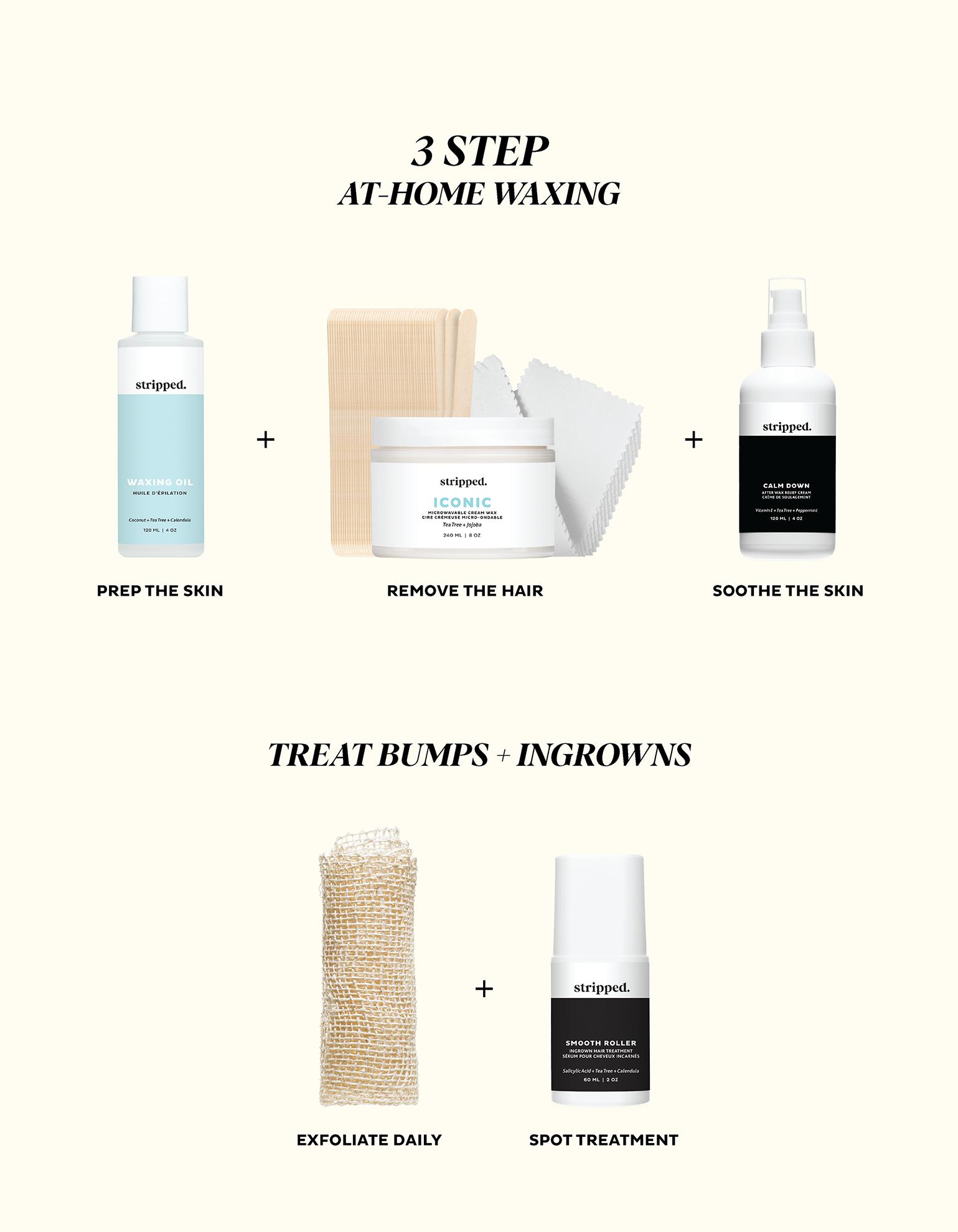
Exfoliate your skin gently two to three times a week. Use a soft scrub or a mild exfoliating glove. This removes dead skin cells and stops ingrown hairs. Avoid harsh scrubs that may irritate sensitive skin after waxing. Gentle exfoliation keeps skin bright and smooth.
Stay Hydrated
Drink plenty of water daily to keep your skin hydrated from inside. Hydrated skin looks healthy and glowy. Also, apply a light moisturizer after waxing. Moisturizers help lock in moisture and soothe your skin. Choose products with natural ingredients to avoid irritation.
Incorporate Antioxidant Serums
Use antioxidant serums to protect your skin from damage. Serums with vitamin C or green tea help fight free radicals. They also promote skin healing and brighten your skin tone. Apply serums after waxing on clean skin for best results.
Credit: strippedwaxco.com
When To Seek Professional Help
After waxing at home, your skin needs gentle care. Most times, it heals well on its own. Sometimes, problems arise that need a doctor’s help. Knowing when to seek professional help keeps your skin safe and healthy.
Signs Of Infection
Infections can happen after waxing if bacteria enter the skin. Watch for signs like pain, warmth, and swelling. Pus or yellow fluid may appear at the waxing site. Fever or chills might also mean infection. Do not ignore these signs. See a healthcare professional quickly for treatment.
Persistent Redness Or Bumps
Redness and bumps are common after waxing but should fade fast. If redness lasts more than a few days, get help. Bumps that grow or hurt could mean irritation or allergic reactions. A doctor can check and suggest the right treatment. Avoid scratching or picking at bumps to prevent more issues.
Frequently Asked Questions
How Soon Can I Moisturize Skin After Waxing?
Wait at least 24 hours before moisturizing to avoid irritation. Use a gentle, fragrance-free moisturizer to soothe the skin and lock in hydration.
What Products Should I Avoid After Waxing?
Avoid harsh chemicals, exfoliants, and scented lotions for 48 hours. These products can irritate freshly waxed skin and cause redness or bumps.
How Can I Reduce Redness After Home Waxing?
Apply a cold compress or aloe vera gel immediately after waxing. These help calm inflammation and reduce redness effectively without causing further irritation.
Is It Normal To Get Bumps After Waxing?
Mild bumps are common and usually subside within a day or two. Keep the area clean and avoid scratching to prevent infection.
Conclusion
Taking care of your skin after waxing helps keep it smooth and healthy. Avoid tight clothes and hot showers for a day. Use gentle, fragrance-free lotions to soothe irritation. Keep your skin clean but do not scrub hard. Drink water to stay hydrated and heal faster.
Give your skin time to rest before waxing again. Small steps make a big difference in skin care. Follow these tips for a comfortable and glowing result every time.