

Your travertine floors add a timeless beauty to your home, but keeping them looking their best takes the right care. If you want to protect your investment and enjoy those natural stone patterns for years, you need simple, effective tips tailored just for you.
You’ll discover easy ways to clean, maintain, and prevent damage to your travertine floors—helping you save time and avoid costly repairs. Ready to make your floors shine like new? Let’s dive in.
Credit: floorseal.co.uk
Choosing The Right Cleaning Products
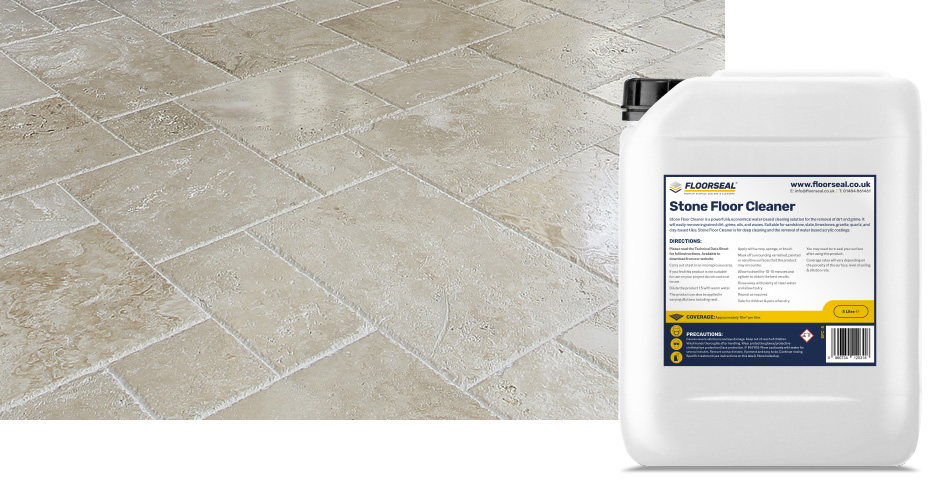
Choosing the right cleaning products is key to keeping travertine floors beautiful. These floors are delicate and need gentle care. Using the wrong products can cause dullness or damage. Select cleaners that protect the stone’s natural shine and texture. Safe cleaning keeps travertine looking new for years.
Avoiding Harsh Chemicals
Harsh chemicals can harm travertine. Acidic or strong cleaners eat away the stone’s surface. This causes etching and stains. Avoid bleach, vinegar, ammonia, and citrus-based cleaners. They strip the stone’s finish and leave marks. Always check labels to skip harmful ingredients. Choose safe options to keep floors intact.
Recommended Ph-neutral Cleaners
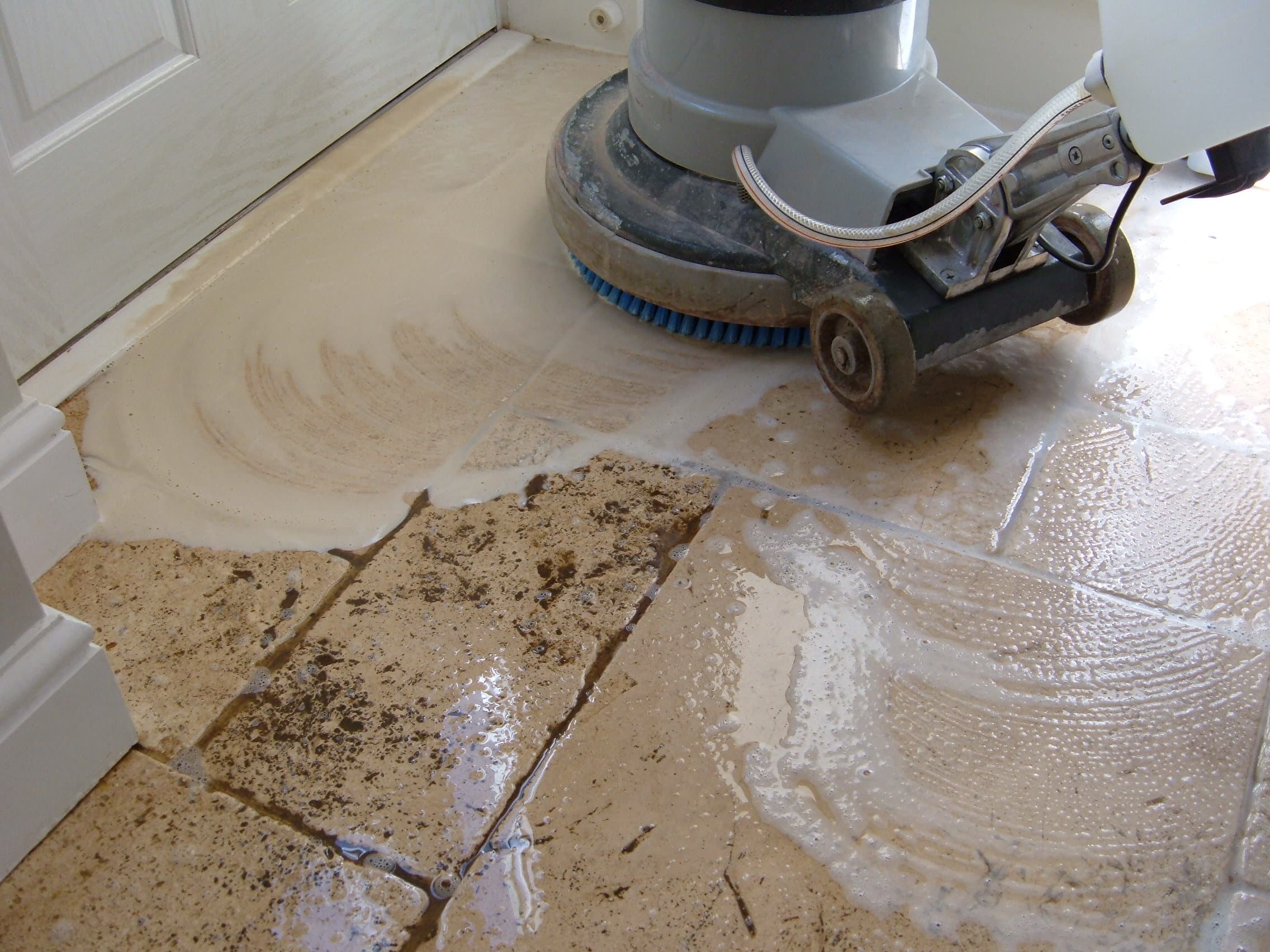
pH-neutral cleaners are perfect for travertine floors. They clean without causing damage or discoloration. These products maintain the stone’s natural look and feel. Use a mild, pH-balanced cleaner diluted in water. This method removes dirt gently and effectively. Regular use keeps floors shiny and smooth. Always rinse with clean water after cleaning.
Credit: travertine.tilecleaning.co.uk
Daily Cleaning Routine
Travertine floors bring natural beauty to any room. Stains and spills can damage this stone if not treated right. Acting fast helps keep your floors looking new. Understanding how to clean stains safely is key. This section guides you through quick and safe steps.
Immediate Spill Response
Clean spills right away to stop stains from forming. Use a soft cloth or paper towel to blot the spill. Do not rub, as this can spread the stain. For liquids, gently press to soak up as much as possible. Avoid letting spills sit on the floor for long. Quick action keeps the stone safe and stain-free.
Safe Stain Removal Methods
Use mild soap and warm water for most stains. Mix a few drops of dish soap with water in a bucket. Apply the solution with a soft cloth or sponge. Gently wipe the stained area without scrubbing hard. Rinse with clean water and dry with a soft towel.
For tougher stains, try a poultice made of baking soda and water. Spread it over the stain and cover with plastic wrap. Let it sit for 24 hours, then wipe away and rinse. Avoid acidic cleaners like vinegar or lemon juice. They can harm travertine’s surface.
Dealing With Stains And Spills
Sealing travertine floors protects them from stains and damage. This process helps keep the stone looking fresh and new. Proper sealing also makes cleaning easier and extends the floor’s life. Understanding when and how to seal is key for great results.
When To Seal
New travertine floors need sealing before use. Wait at least 48 hours after installation for the stone to dry. Old floors should be resealed every 1 to 2 years. Check for water absorption by dropping water on the surface. If water soaks in quickly, it is time to seal.
Choosing The Right Sealer
Choose a sealer made for natural stone. Penetrating sealers soak into the stone and protect from inside. Topical sealers sit on the surface and give a shiny finish. Pick a sealer based on your floor’s location and use. For high-traffic areas, use a durable, water-resistant sealer.
Sealing Process Steps
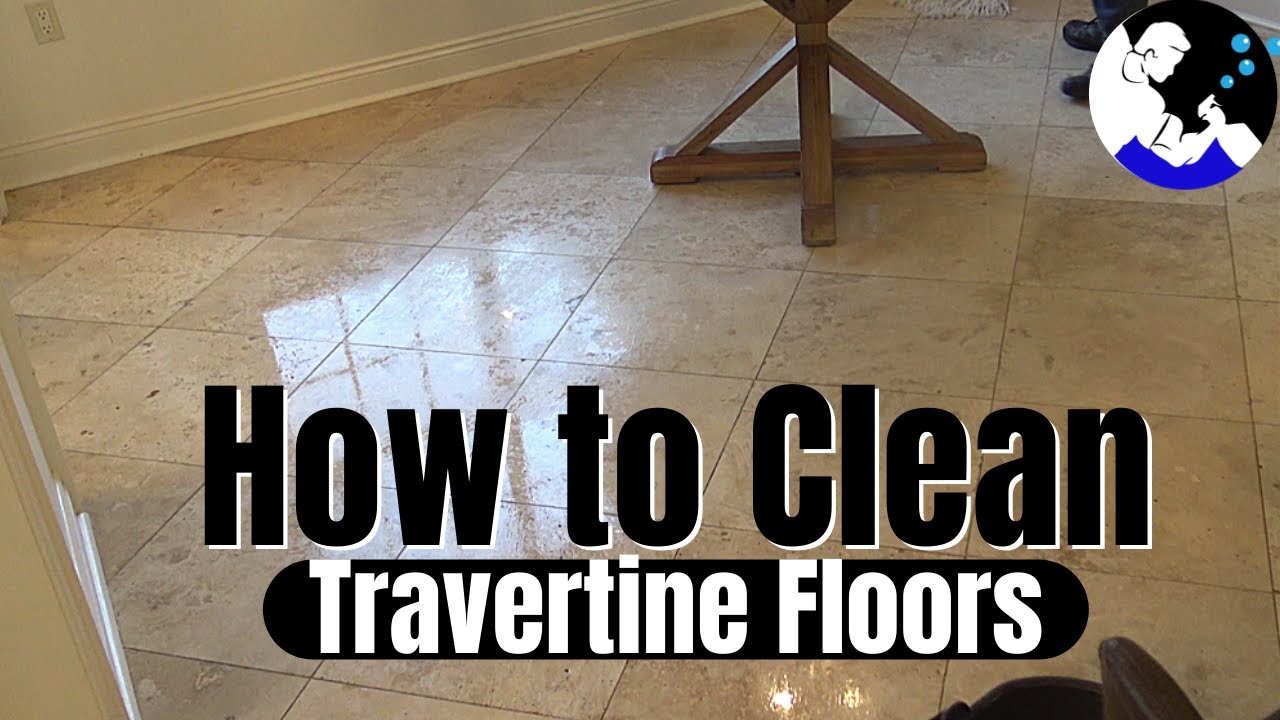
Start by cleaning the floor thoroughly. Remove dust, dirt, and stains before sealing. Apply the sealer evenly with a brush or roller. Work in small sections to avoid streaks. Let the sealer sit for the time shown on the label. Wipe off excess sealer with a clean cloth. Allow the floor to dry completely before use.
Credit: www.youtube.com
Sealing Travertine Floors
Travertine floors add beauty and elegance to any room. They need gentle care to stay looking great. Preventing damage and wear is key to keeping these floors in top shape. Small efforts can protect the surface and extend the floor’s life.
Using Rugs And Mats
Place rugs and mats at entrances to catch dirt and grit. This stops particles from scratching the floor. Use soft-backed rugs to avoid damaging the stone. Change and clean rugs often to keep dirt away.
Protecting From Heavy Furniture
Heavy furniture can cause cracks or dents on travertine floors. Use felt pads under all furniture legs. Move furniture carefully to avoid scraping. Avoid dragging items across the floor’s surface to prevent marks.
Avoiding Abrasive Materials
Never use abrasive cleaners or scrubbers on travertine. They can scratch and dull the finish. Use pH-neutral cleaning products made for stone floors. Clean spills quickly to prevent stains and damage.
Preventing Damage And Wear
Travertine floors bring natural beauty to any room. Their unique texture and warm colors add charm and style. Keeping these floors shiny and looking new needs some care. A proper routine helps maintain their natural shine and appearance. Simple steps can protect the surface and keep it smooth. This way, your floors stay attractive for years.
Polishing Techniques
Polishing travertine floors restores their smooth, glossy finish. Use a soft cloth or a buffer with a polishing pad. Apply a small amount of stone polish made for travertine. Work in small sections using gentle, circular motions. Avoid harsh chemicals that can damage the stone surface. Polishing brings out the stone’s natural luster and hides minor scratches. Do this every few months or as needed to maintain shine.
Regular Maintenance Tips
Sweep or vacuum floors daily to remove dirt and dust. Dirt particles can scratch the surface if left on. Mop floors with a damp cloth using warm water and a mild cleaner. Avoid acidic or abrasive cleaners that can dull the finish. Use mats at entryways to reduce dirt and moisture. Wipe spills immediately to prevent stains and damage. Regular care helps keep travertine floors bright and beautiful.
Frequently Asked Questions
How Often Should I Clean Travertine Floors?
Clean travertine floors weekly using a dry mop or vacuum. Avoid harsh chemicals. Use pH-neutral cleaners for best results. Regular cleaning prevents dirt buildup and maintains shine.
Can I Use Vinegar On Travertine Floors?
No, avoid vinegar on travertine floors. Vinegar’s acidity can etch and damage the stone’s surface. Use mild, pH-neutral cleaners instead to preserve the floor’s natural beauty.
How Do I Seal Travertine Flooring Properly?
Seal travertine floors every 1-2 years. Clean the floor thoroughly before applying a penetrating sealer. Sealing protects against stains and moisture, extending the floor’s lifespan.
What Should I Avoid On Travertine Floors?
Avoid acidic cleaners, harsh chemicals, and abrasive tools on travertine floors. These can cause etching and scratches. Use soft cloths and gentle cleaning products to maintain the surface.
Conclusion
Caring for travertine floors takes regular cleaning and gentle care. Use soft cloths and mild cleaners to avoid damage. Seal the floors often to protect against stains and wear. Wipe spills quickly to keep the stone looking fresh. Small steps make a big difference in floor longevity.
Keep your home beautiful and your floors strong. Simple habits help travertine stay attractive for years. Your floors will thank you with lasting charm.


