If you want to keep your Cat engine running smoothly, changing the fuel filter is a task you can’t afford to skip. Dirty or clogged fuel filters can cause poor engine performance, reduced fuel efficiency, and even costly damage.
But don’t worry—changing your fuel filter doesn’t have to be complicated. In this guide, you’ll learn step-by-step how to replace the fuel filter on your Cat engine quickly and safely. By the end, you’ll have the confidence to do it yourself and keep your engine in top shape.
Ready to save time and avoid expensive repairs? Let’s get started.

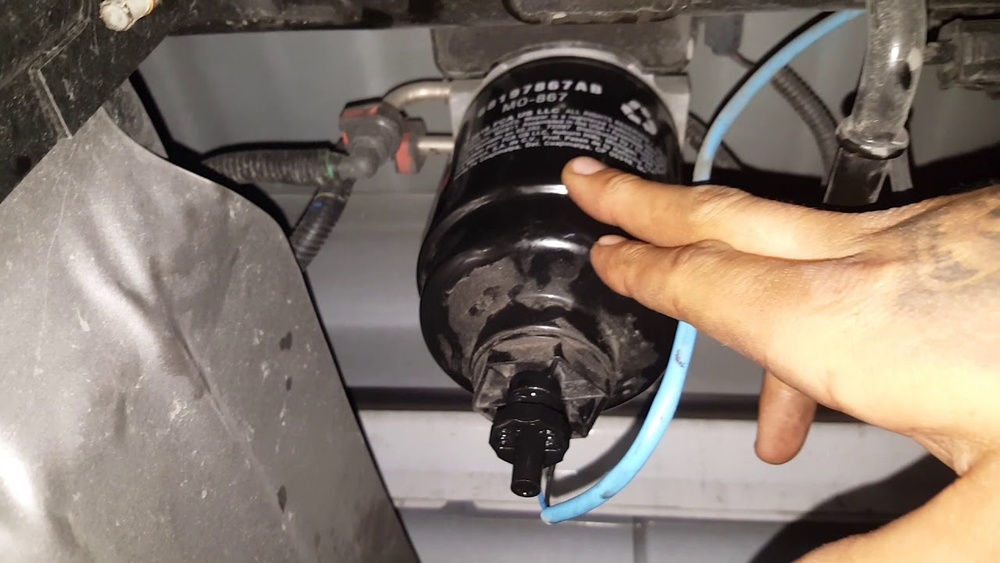
Credit: www.ebay.com
Signs Of A Clogged Fuel Filter
A clogged fuel filter in a Cat engine can cause several problems. It blocks fuel flow and affects engine performance. Knowing the signs helps you fix the issue early. This saves time and avoids costly repairs.
Engine Performance Issues
The engine may run rough or hesitate during acceleration. Power loss is common when the filter is clogged. You might hear unusual noises from the engine. These signs show the engine is not getting enough fuel.
Fuel Efficiency Drop
The engine uses more fuel than usual. A dirty filter makes the engine work harder. This reduces fuel efficiency and increases running costs. You will notice you need to refuel more often.
Starting Problems
The engine may take longer to start or fail to start. Fuel flow restriction makes ignition difficult. This is a clear sign of a blocked fuel filter. Quick starting is a sign of a healthy fuel system.

Credit: www.youtube.com
Tools And Materials Needed
Changing the fuel filter on a Cat engine requires the right tools and materials. Having these ready makes the job faster and safer. Preparation helps avoid mistakes and damage.
Essential Tools
You need a wrench set to loosen and tighten fittings. A screwdriver may be needed for clamps or covers. A drain pan helps catch fuel spills. Clean rags are useful for wiping dirt and fuel. A small brush can clear debris around the filter area.
Replacement Fuel Filter
Use a fuel filter designed for your specific Cat engine model. Check the part number before buying. Using the wrong filter can cause engine problems. Keep the new filter sealed until installation to avoid contamination.
Safety Gear
Wear gloves to protect your hands from fuel and dirt. Safety glasses shield your eyes from splashes. Work in a well-ventilated area to avoid inhaling fumes. Keep a fire extinguisher nearby as a precaution. Dress in old clothes or coveralls to stay clean.
Preparing The Engine
Preparing the engine is the first step to safely change the fuel filter on a Cat engine. It ensures your work is safe and the engine stays in good condition. Follow these steps carefully before starting the replacement process.
Shutting Down The Engine
Turn off the engine and remove the key from the ignition. Wait for the engine to cool down to avoid burns. This step stops fuel flow and reduces pressure in the system.
Relieving Fuel System Pressure
Open the fuel tank cap to release pressure. Find the fuel pressure relief valve and slowly open it. This prevents fuel spray that can cause injury or spills.
Locating The Fuel Filter
Check the engine manual for the exact location of the fuel filter. Usually, it is near the fuel pump or engine block. Clean the area around the filter before removal to avoid dirt entry.
Removing The Old Fuel Filter
Removing the old fuel filter from your Cat engine is an important step. It keeps the engine running smoothly and stops dirt from entering the fuel system. Follow each step carefully to avoid damage or spills. Take your time and work safely.
Disconnecting Fuel Lines
First, find the fuel lines connected to the filter. Use a wrench to loosen the fittings gently. Pull the lines off the filter carefully. Watch out for fuel dripping from the lines. Keep a rag nearby to catch any drops.
Removing The Filter Housing
Next, locate the filter housing that holds the fuel filter. Use the correct tool to unscrew it slowly. Be ready for some fuel to spill out. Take the housing off and set it aside. Check the seal for any damage before removing the old filter.
Handling Fuel Spills
Fuel spills can be dangerous and messy. Use a clean cloth or absorbent pad to soak up spills quickly. Dispose of used cloths safely. Work in a well-ventilated area to avoid inhaling fumes. Keep fire sources far away during this process.
Installing The New Fuel Filter
Installing the new fuel filter on a Cat engine is a key step in maintenance. It ensures clean fuel flow and protects the engine from damage. Careful installation helps the engine run smoothly and last longer.
Placing The New Filter
Start by removing the old filter completely. Check the new filter for any damage before placing it. Align the new filter with the filter housing carefully. Gently insert the new filter into its position. Make sure it fits snugly and straight.
Reconnecting Fuel Lines
Attach the fuel lines to the new filter carefully. Push the lines fully onto the filter fittings. Check for any cracks or wear on the fuel lines before reconnecting. Tighten the clamps or connectors to secure the lines. Avoid over-tightening to prevent damage.
Securing The Filter Housing
Close the filter housing properly around the new filter. Use the correct bolts or screws to fasten the housing. Tighten the fasteners evenly to avoid leaks. Double-check the housing for a tight seal. This step keeps dirt and air out of the fuel system.
Bleeding The Fuel System
Bleeding the fuel system is a key step after changing the fuel filter on a Cat engine. It removes trapped air that can stop the engine from running smoothly. Air pockets in the fuel line cause poor engine performance or failure to start.
Proper bleeding ensures the engine gets clean fuel without interruptions. This process helps maintain engine power and prevents damage to fuel components.
Why Bleeding Is Important
Air in the fuel system blocks fuel flow. It can cause the engine to stall or run unevenly. Bleeding removes this air, restoring steady fuel delivery. Without bleeding, the engine may not start or may run rough. This step protects the fuel pump and injectors from damage.
Steps To Bleed Air
First, locate the bleed screw near the fuel filter. Open it slightly to let air escape. Next, use the manual fuel pump or crank the engine to push fuel through. Watch for air bubbles coming out. Once you see only fuel, close the bleed screw tightly. Repeat this process if air persists. Always keep the fuel tank at least half full to avoid new air pockets.
Verifying Proper Fuel Flow
After bleeding, check the fuel line for steady flow. The engine should start easily and run smoothly. Listen for consistent engine sounds without sputtering. Inspect around the filter and bleed screw for leaks. Proper flow means the fuel system has no air and works well. If problems continue, repeat the bleeding steps or check for leaks.
Post-installation Checks
After changing the fuel filter on your Cat engine, performing post-installation checks is vital. These steps ensure the engine runs smoothly and safely. Skipping this part may cause damage or poor performance.
Take time to follow each check carefully. They help spot problems early and keep your engine in good shape.
Starting The Engine
Turn the ignition key and start the engine. Listen for any unusual sounds. The engine should start smoothly without hesitation. Let the engine run for a few minutes to stabilize. This step primes the new fuel filter and clears air from the system.
Checking For Leaks
Inspect the fuel filter and surrounding areas. Look closely for any fuel leaks or wet spots. Tighten connections if needed but avoid overtightening. Leaks can cause fuel loss and fire hazards. Fix leaks immediately before using the engine extensively.
Monitoring Engine Performance
Watch the engine’s behavior during operation. Check for steady idling and normal acceleration. Poor performance may indicate issues with the fuel filter installation. Monitor engine temperature and fuel pressure if possible. Good performance confirms the fuel filter change was successful.
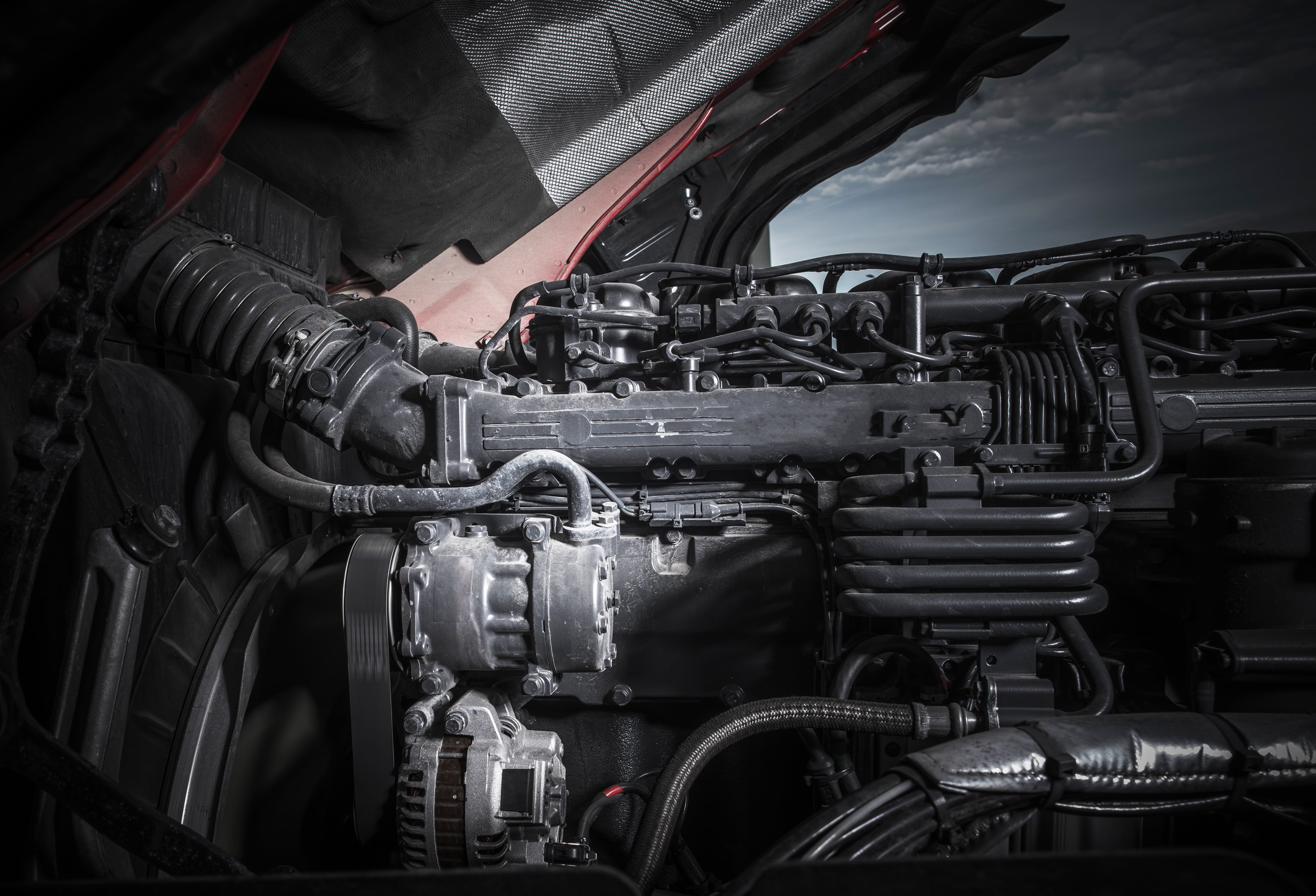
Credit: cdspros.com
Maintenance Tips For Fuel Filters
Maintaining the fuel filter on a Cat engine is key to its smooth operation. Clean filters keep dirt and debris out of the engine. This helps avoid costly repairs and keeps your machine running longer. Knowing how to care for fuel filters saves time and money.
Recommended Replacement Intervals
Check the owner’s manual for exact replacement times. Most Cat engines suggest changing the fuel filter every 250 to 500 hours. In dusty or dirty environments, replace filters more often. Regular changes prevent clogging and fuel flow problems.
Signs To Watch For
Watch for slow engine starts or rough running. A drop in engine power can also signal a bad filter. Black smoke from the exhaust may appear. Strange noises or engine hesitation are warning signs too. These signals mean the filter needs attention.
Preventive Measures
Use clean fuel to reduce filter dirt buildup. Store fuel in sealed containers to avoid contamination. Inspect filters visually during routine checks. Drain water separators regularly to stop water damage. Clean fuel caps and tanks before refilling. These steps extend filter life and engine health.
Frequently Asked Questions
How Often Should I Change The Fuel Filter On Cat Engines?
Changing the fuel filter every 500 hours or annually is recommended. Regular changes ensure optimal engine performance and prevent clogging. Check your Cat engine manual for specific intervals. Timely replacement avoids fuel contamination and costly repairs.
What Tools Are Needed To Change A Cat Engine Fuel Filter?
You need a wrench, drain pan, clean cloth, and new fuel filter. Having gloves and safety glasses is advisable. These tools help safely remove and replace the fuel filter without spills or damage.
Can I Change The Fuel Filter Without Stopping The Engine?
No, always turn off the engine before changing the fuel filter. This prevents fuel spills, reduces fire risk, and ensures safety during the process. Wait a few minutes to let the engine cool down.
How Do I Dispose Of The Old Fuel Filter Properly?
Dispose of the old fuel filter as hazardous waste at designated facilities. Do not throw it in regular trash to avoid environmental harm. Follow local regulations for safe disposal and recycling if available.
Conclusion
Changing the fuel filter on your Cat engine keeps it running well. Clean filters stop dirt from damaging the engine parts. Follow the steps carefully to avoid mistakes. Regular changes help save money on repairs later. Take time, use the right tools, and stay safe.
Your engine will thank you with better performance. Simple care makes a big difference. Keep this guide handy for future maintenance.