

If you want your John Deere tractor to run smoothly and last longer, changing the fuel filter is one of the most important tasks you can do. Ignoring this simple step can lead to engine problems and costly repairs.
But don’t worry—changing the fuel filter is easier than you think. In this guide, you’ll learn exactly how to do it quickly and safely, even if you’re not a mechanic. Keep reading to discover the step-by-step process that will keep your tractor working at its best.
Fuel Filter Basics
The fuel filter is a small but important part of your John Deere tractor. It cleans the fuel before it reaches the engine. Clean fuel helps the engine run well and last longer.
Knowing the basics of the fuel filter helps you keep your tractor in good shape. It also helps you spot problems early and fix them quickly.
Role In Tractor Performance
The fuel filter stops dirt and rust from entering the engine. Dirty fuel can cause engine damage. A clean filter keeps fuel flow steady. This means the engine runs smoothly. It also helps save fuel and reduce smoke.
Signs Of A Clogged Filter
A clogged fuel filter slows down fuel flow. Your tractor may start hard or lose power. It can also stall or run rough. You might see black smoke from the exhaust. These signs mean it is time to change the filter.

Credit: www.youtube.com
Preparing For Replacement
Preparing to replace the fuel filter on your John Deere tractor is an important first step. It helps ensure the task goes smoothly and safely. Taking time to gather the right tools and follow safety rules makes the job easier and faster.
Before starting, know what you need and how to protect yourself. This preparation saves time and prevents mistakes or accidents.
Tools And Materials Needed
Gather these tools before you start:
- New fuel filter designed for your tractor model
- Wrench set or socket set
- Clean cloth or rag
- Small container to catch fuel drips
- Gloves to keep your hands clean
- Screwdriver (if needed for clamp removal)
Check that the new filter matches your tractor’s specifications. Having everything ready avoids interruptions during replacement.
Safety Precautions
Work in a well-ventilated area. Fuel vapors can be harmful.
Wear gloves to protect your skin from fuel. Avoid open flames or sparks nearby. Fuel is highly flammable. Keep a fire extinguisher close just in case.
Turn off the tractor and let the engine cool before starting. This prevents burns and accidents.
Dispose of the old filter and any spilled fuel properly. Follow local waste rules to protect the environment.
Locating The Fuel Filter
Finding the fuel filter on your John Deere tractor is the first step to change it safely. Knowing its exact location makes the job faster and easier. Each tractor model may have the filter in a different place. Understanding where to look saves time and helps avoid mistakes.
Common Filter Positions On John Deere Models
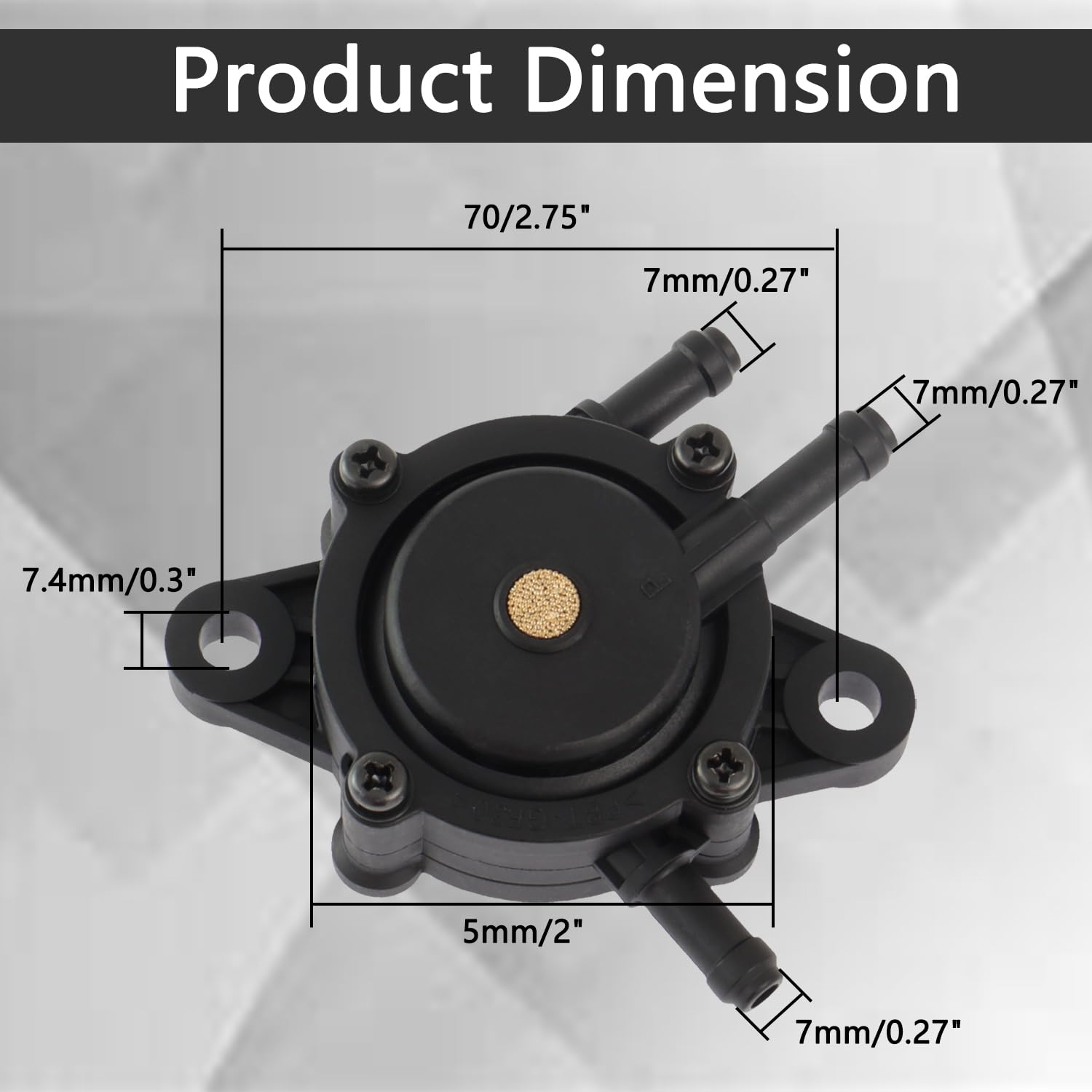
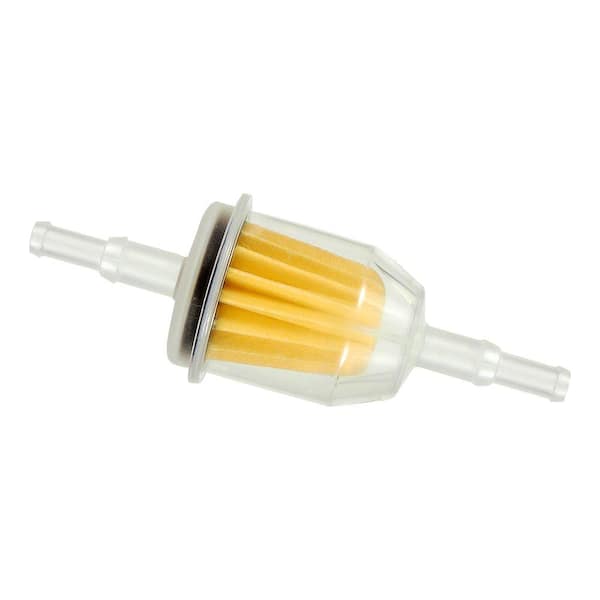
Many John Deere tractors have the fuel filter near the engine. Often, it sits close to the fuel tank or fuel pump. Some models place the filter inside a metal or plastic housing. Others have it mounted on a bracket on the side of the engine. Look for a small, cylindrical part connected by fuel lines.
Accessing The Filter Area
Clear the area around the fuel filter before starting. Remove any panels or covers blocking access. Use a flashlight to see in tight spaces. Make sure the tractor is off and cool to avoid burns. Keep a container ready to catch any fuel that may spill during removal.
Credit: www.visualsp.com
Removing The Old Fuel Filter
Removing the old fuel filter from your John Deere tractor is a key step in the replacement process. It helps keep the engine running smoothly and prevents dirt from clogging the fuel system. This section guides you through the careful removal of the old filter.
Start by preparing your workspace. Make sure the tractor is off and cool to avoid spills and burns. Wear gloves to protect your hands from fuel and dirt. Have a container ready to catch any dripping fuel during removal.
Draining Fuel Lines
Begin by draining the fuel lines connected to the filter. This reduces fuel spills and makes removal easier. Place the container under the fuel line connection. Loosen the clamps or fittings slowly to let the fuel drain out. Close the fittings tightly after draining to prevent leaks.
Detaching The Filter
Next, detach the fuel filter from its mounting bracket. Use a wrench or filter removal tool to turn the filter counterclockwise. Turn carefully to avoid damaging the mounting or fuel lines. Remove the filter completely once it is loose. Dispose of the old filter according to local regulations.
Installing The New Fuel Filter
Installing the new fuel filter on your John Deere tractor is a key step. It ensures clean fuel reaches the engine. Proper installation helps maintain engine health and performance. This part of the process must be done carefully to avoid problems later.
Prepping The New Filter
Start by checking the new filter for any damage. Remove any protective caps or seals. Some filters need to be filled with clean diesel before installation. This helps avoid air pockets in the fuel system. Always use clean hands or gloves to keep the filter clean.
Mounting And Securing
Place the new filter in the holder carefully. Align it so the connections fit properly. Tighten the filter by hand until snug. Use a wrench only if the instructions say so. Do not overtighten; it can damage the filter or mount.
Checking For Leaks
After mounting, start the tractor’s engine. Look closely around the filter for any fuel leaks. Leaks can cause engine problems or fire hazards. Tighten connections gently if leaks appear. Stop the engine immediately if the leak is severe.
Post-replacement Checks
After changing the fuel filter on your John Deere tractor, performing post-replacement checks is vital. These steps ensure the fuel system works smoothly without leaks or air blocks. Proper checks prevent engine issues and keep your tractor running efficiently.
Priming The Fuel System
Priming pushes fuel into the new filter and clears air. Locate the primer bulb near the fuel filter housing. Press the bulb several times until it feels firm. This action fills the filter and lines with diesel. Avoid skipping this step to prevent hard starts or stalls.
Starting The Tractor
Turn the key to start the tractor after priming. Let the engine run for a few minutes. Listen for smooth engine sounds without sputtering or hesitation. If the tractor struggles to start, prime again or check for leaks. Early engine running confirms proper fuel flow.
Monitoring Performance
Watch the tractor during normal operation after the replacement. Look for steady engine speed and power delivery. Check for fuel odors or wet spots under the filter area. Stop the tractor immediately if you find leaks or unusual sounds. Regular monitoring keeps your tractor safe and reliable.
Maintenance Tips
Proper maintenance keeps your John Deere tractor running smoothly. Changing the fuel filter regularly is vital. It protects the engine from dirt and debris. Good maintenance saves time and money by preventing breakdowns. Follow simple tips to maintain your tractor’s fuel system.
Recommended Replacement Intervals
Replace the fuel filter every 200 to 300 hours of operation. Check your tractor’s manual for exact intervals. Change it sooner if you work in dusty or dirty conditions. Regular replacement stops clogging and keeps fuel flowing well. Never wait for signs of trouble to replace it.
Preventive Care Practices
Always use clean fuel to avoid contaminating the filter. Keep the fuel tank sealed to prevent dirt entry. Inspect the fuel lines for cracks or leaks often. Clean the filter housing before installing a new filter. Use proper tools to avoid damage during replacement. These small steps improve tractor performance and engine life.
Credit: www.homedepot.com
Frequently Asked Questions
How Often Should I Change The Fuel Filter On John Deere Tractor?
Change the fuel filter every 250 hours of operation or annually. Regular changes prevent engine damage and maintain fuel efficiency. Always follow the owner’s manual for specific intervals.
What Tools Are Needed To Replace John Deere Fuel Filter?
You need a wrench, screwdriver, and a clean container for fuel catch. Use gloves and safety glasses for protection. Having a new fuel filter compatible with your model is essential.
Can I Change The John Deere Fuel Filter Myself?
Yes, changing the fuel filter is a simple DIY task. Follow safety procedures, drain fuel pressure, and replace the filter carefully. Refer to your tractor’s manual for step-by-step instructions.
What Are Signs Of A Clogged Fuel Filter On John Deere?
Symptoms include engine sputtering, loss of power, hard starting, and rough idling. A clogged filter restricts fuel flow, causing performance issues. Replace the filter promptly if these signs appear.
Conclusion
Changing the fuel filter on your John Deere tractor keeps it running well. Clean fuel helps the engine work better and last longer. Follow the steps carefully and take your time. Regular filter changes stop dirt from damaging parts. This simple task saves money on repairs later.
Now, you can keep your tractor healthy and strong. Small care makes a big difference in the long run. Stay safe, and enjoy smooth tractor operation every time you work.


