

If your diesel engine is acting up or losing power, the fuel filter might be the hidden culprit. Knowing how to replace your diesel fuel filter can save you time, money, and avoid costly repairs.
In this guide, you’ll learn simple, step-by-step instructions that anyone can follow—even if you’re not a mechanic. By the end, you’ll feel confident maintaining your vehicle’s performance and keeping your engine running smoothly. Ready to take control of your diesel maintenance?
Let’s get started!
Tools And Materials Needed
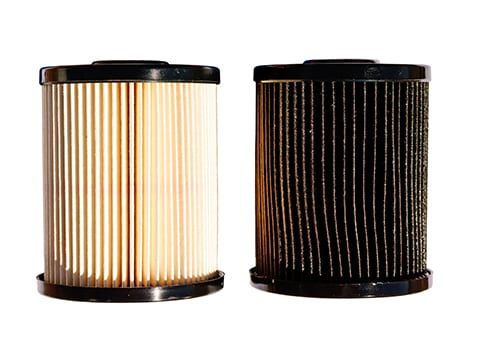
Replacing a diesel fuel filter requires specific tools and materials. Having the right items makes the task easier and safer. It helps avoid damage to your vehicle and ensures a smooth replacement process.
Prepare all tools and materials before starting. This saves time and prevents interruptions.
Basic Hand Tools
You will need a wrench set to remove bolts and fittings. A screwdriver helps loosen clamps and covers. Pliers are useful for gripping and pulling hoses.
Replacement Fuel Filter
Choose the correct diesel fuel filter for your vehicle model. Using the right filter ensures proper fuel flow and engine protection.
Cleaning Supplies
Keep a clean cloth or rag to wipe spills and dirt. A small container helps catch fuel during removal to avoid mess.
Safety Equipment
Wear gloves to protect your hands from fuel and dirt. Safety glasses prevent fuel splashes from reaching your eyes.
Fuel Line Disconnect Tool
Some vehicles need a special tool to disconnect fuel lines safely. Check your vehicle’s manual to see if this tool is necessary.
Credit: www.waynesautocenter.com
Locate The Diesel Fuel Filter
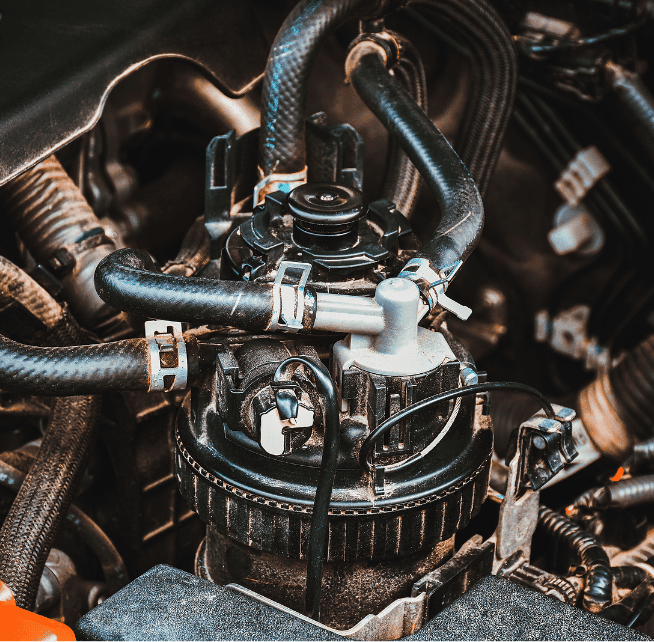
Finding the diesel fuel filter is the first step in replacing it. The filter cleans dirt and water from the fuel. This keeps the engine running smoothly and prevents damage.
Each vehicle has a different filter location. Knowing where to look saves time and effort. It also helps avoid mistakes during replacement.
Check Under The Hood
Most diesel fuel filters are under the hood. Look near the engine or along the fuel line. The filter usually looks like a small canister or cylinder. It may have fuel lines connected to both ends.
Inspect Near The Fuel Tank
Some filters are near the fuel tank. This area is often under the vehicle. Use a flashlight to see clearly. The filter might be inside a protective casing or mounted on the frame.
Consult The Owner’s Manual
The vehicle manual shows the exact filter location. It may include pictures or diagrams. The manual also lists the filter type and size. This information helps buy the right replacement part.
Prepare Your Vehicle
Preparing your vehicle before replacing the diesel fuel filter is essential. This step ensures the process goes smoothly and safely. Taking time to prepare helps avoid damage and personal injury. Follow these key steps to get your vehicle ready.
Ensure Safety Measures
Park your vehicle on a flat surface. Switch off the engine and remove the key. Let the engine cool down to avoid burns. Wear gloves and safety glasses to protect yourself. Keep a fire extinguisher nearby just in case. Avoid open flames and sparks around the fuel system. Proper safety prevents accidents during the replacement.
Relieve Fuel System Pressure
Fuel systems hold pressure even after the engine stops. Releasing this pressure stops fuel from spraying out. Locate the fuel pump fuse or relay and remove it. Start the engine and let it run until it stops. This empties the fuel lines safely. Press the fuel rail’s pressure relief valve if available. Use rags to catch any spilled fuel. Reducing pressure protects you and your vehicle.
Remove The Old Fuel Filter
Removing the old diesel fuel filter is a key step in replacing it. This part catches dirt and debris from the fuel. Over time, it clogs and reduces engine performance. Removing it carefully helps avoid fuel leaks and keeps the system clean.
Disconnect Fuel Lines
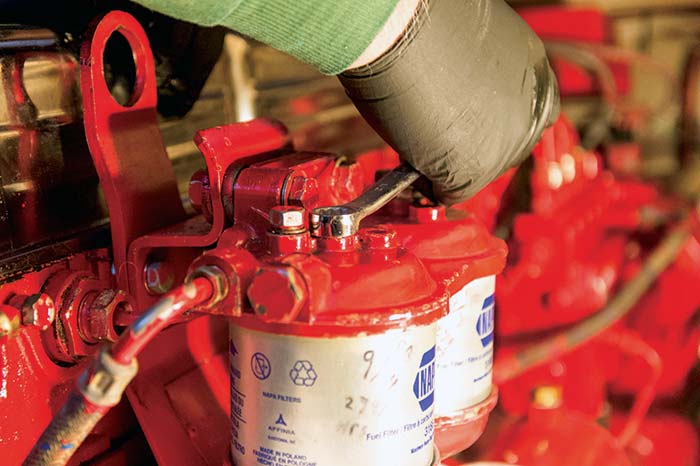
Start by turning off the engine and letting it cool. Locate the fuel lines connected to the filter. Use a wrench or pliers to loosen the clamps. Gently pull the fuel lines off the filter. Be ready for some fuel to spill out. Catch the drips with a rag or container.
Take Out The Filter
Look for the mounting bracket or bolts holding the filter. Use a wrench to remove these fasteners. Carefully pull the filter out of its holder. Avoid shaking it too much to prevent spills. Dispose of the old filter safely according to local rules.
Install The New Fuel Filter
Installing the new diesel fuel filter is a key step in maintaining your engine. The filter must be placed and connected correctly for the system to work well. This part removes dirt and water from the fuel, protecting the engine.
Position The Filter Correctly
Find the right spot for the new fuel filter. Check the arrows on the filter showing fuel flow direction. The filter must match this direction. Place it firmly in the bracket or holder. Make sure it fits tightly to avoid leaks.
Reconnect Fuel Lines
Attach the fuel lines to the new filter carefully. Push the lines onto the filter’s inlet and outlet securely. Use clamps or fittings to hold the lines in place. Tighten them enough to stop any leaks. Check for a snug, leak-free connection before moving on.
Credit: vesselvanguard.com
Bleed The Fuel System
Bleeding the fuel system is a crucial step after replacing the diesel fuel filter. It removes trapped air in the fuel lines. Air pockets can cause engine problems and prevent proper fuel flow.
Proper bleeding ensures your engine runs smoothly and starts easily. It also protects the fuel pump and injectors from damage caused by air.
Locate The Bleeder Valve
Find the bleeder valve near the fuel filter or on the fuel pump. It looks like a small screw or nipple. Use your vehicle manual to find the exact spot.
Prepare To Bleed The Fuel System
Place a container under the bleeder valve to catch fuel. Have a clean rag ready to wipe spills. Wear gloves to protect your hands from diesel.
Open The Bleeder Valve
Loosen the bleeder valve carefully. Do not open it fully. Turn the ignition key to the “on” position without starting the engine. This activates the fuel pump and pushes fuel through the lines.
Close The Valve And Check For Air
Watch for bubbles in the fuel coming out. When fuel runs clear without air bubbles, close the bleeder valve tightly. Repeat the process if needed to remove all air.
Start The Engine
Try starting the engine. It should start quickly and run smoothly. If the engine stalls, repeat the bleeding process. This ensures no air remains in the fuel system.
Check For Leaks And Test
Checking for leaks and testing the diesel fuel filter is a crucial step after replacement. It ensures the filter works correctly and prevents fuel loss or engine issues. Careful inspection and simple tests help confirm the job is done right.
Inspect All Connections
Look closely at all the fuel line connections around the filter. Check for any wet spots or fuel drips. Tighten any loose clamps or fittings. Even small leaks can cause big problems later.
Start The Engine And Watch
Turn on the engine and watch the filter area carefully. Look for fuel leaks or unusual smells. The engine should run smoothly without sputtering. If it stalls or hesitates, stop and check again.
Check For Air Bubbles
Air bubbles in the fuel lines can cause engine trouble. Look for bubbles near the filter while the engine runs. If you see bubbles, bleed the fuel system to remove air. This keeps the engine running steady.
Test Drive The Vehicle
Take a short drive to test the fuel filter under real conditions. Pay attention to engine performance and fuel flow. No hesitation or stalling should occur. If problems show up, recheck the filter installation.
Maintenance Tips For Fuel Filters
Maintaining diesel fuel filters is key for engine health. Clean filters help fuel flow smoothly. They stop dirt and water from reaching the engine. Proper care extends the filter’s life. It also saves money on repairs.
Simple checks keep the fuel system working well. Follow these tips to keep filters in top shape.
Regular Inspection Of Fuel Filters
Check fuel filters every few months. Look for cracks, leaks, or dirt buildup. Early detection prevents bigger problems. Replace filters if damaged or dirty. A clean filter means better engine performance.
Use Quality Replacement Filters
Choose filters made for your diesel engine. Low-quality filters may fail quickly. Good filters catch more dirt and water. This protects the engine from damage. Always buy from trusted brands or dealers.
Drain Water From Fuel Filters
Water can collect inside fuel filters. Drain the water regularly to avoid engine issues. Use the drain valve or plug at the filter’s base. Removing water keeps fuel clean and prevents corrosion.
Follow Manufacturer’s Replacement Schedule
Check the owner’s manual for filter change intervals. Sticking to the schedule keeps the fuel system healthy. Delaying changes can cause clogging and engine trouble. Timely replacement ensures smooth engine operation.
Credit: branchautomotive.com
Frequently Asked Questions
How Often Should I Replace A Diesel Fuel Filter?
Replace the diesel fuel filter every 10,000 to 25,000 miles. Check your vehicle’s manual for exact intervals. Frequent replacement prevents engine damage and improves fuel efficiency.
What Tools Are Needed To Replace A Diesel Fuel Filter?
You need a wrench, screwdrivers, a container for fuel, and a new fuel filter. Some models may require additional tools. Always wear gloves and safety glasses.
Can I Replace The Diesel Fuel Filter Myself?
Yes, replacing a diesel fuel filter is doable with basic mechanical skills. Follow your vehicle’s manual and safety precautions. If unsure, consult a professional mechanic.
What Are Signs Of A Clogged Diesel Fuel Filter?
Symptoms include engine misfires, reduced power, rough idling, and difficulty starting. A clogged filter restricts fuel flow, causing performance issues and potential engine damage.
Conclusion
Replacing a diesel fuel filter keeps your engine running smoothly. Clean filters help prevent clogs and damage. Follow the steps carefully for best results. Check the filter regularly to avoid problems. A simple task can save you time and money.
Stay safe and take your time during the process. Your vehicle will thank you with better performance. Keep your diesel engine healthy with proper filter care.


