

If you want your tractor to run smoothly and avoid costly repairs, changing the fuel filter is one of the most important tasks you can do. But how do you do it right without spending hours or risking damage?
In this guide, you’ll discover simple, step-by-step instructions to change your tractor’s fuel filter quickly and safely. Whether you’re a seasoned farmer or just getting started, mastering this easy maintenance trick will save you time, money, and headaches down the road.
Keep reading to learn how to keep your tractor running at its best!
Credit: www.motorbiscuit.com
Signs Of A Clogged Fuel Filter
A clogged fuel filter stops clean fuel from reaching the engine. This can cause many problems for your tractor. Knowing the signs helps you act fast. Catching a clogged filter early saves time and money. Watch for these common symptoms to keep your tractor running well.
Reduced Engine Performance
The tractor may lose power and run slower. It struggles to pull heavy loads or climb hills. The engine might hesitate or stall while working. This happens because dirty fuel blocks the flow. Reduced performance signals the fuel filter needs checking.
Starting Issues
The tractor takes longer to start or does not start at all. It may crank but fail to fire up quickly. This occurs when the fuel filter restricts fuel supply. Starting trouble is a clear warning sign of a clogged filter.
Unusual Engine Noises
The engine may make knocking or sputtering sounds. These noises happen when fuel flow is uneven. The engine struggles to run smoothly with a blocked filter. Strange sounds mean you should inspect the fuel filter soon.
Tools And Materials Needed
Changing a fuel filter on a tractor needs the right tools and materials. Having everything ready makes the job smooth and quick. Prepare your workspace and gather these items before starting.
Replacement Fuel Filter
Choose the correct fuel filter for your tractor model. Check the owner’s manual or parts label. Using the right filter prevents engine problems. Keep the new filter nearby for easy access.
Wrenches And Screwdrivers
You will need wrenches to loosen nuts and bolts. A screwdriver helps remove clamps or screws. Use tools that fit well to avoid damage. Have a set of different sizes ready.
Clean Rags And Container
Clean rags help wipe spills and dirt. A container collects old fuel draining from the filter. This keeps your workspace clean and safe. Prepare enough rags and a leak-proof container before starting.
Preparing The Tractor
Preparing the tractor properly is the first step to changing the fuel filter safely. This process ensures your safety and helps the job go smoothly. Taking time to prepare reduces risks and protects the engine parts.
Follow these simple steps before starting to change the fuel filter. Each step is important for a safe and effective filter replacement.
Park On A Flat Surface
Find a level spot to park your tractor. A flat surface keeps the tractor steady. This prevents accidents and makes the work easier. Always engage the parking brake after parking.
Turn Off Engine And Remove Keys
Switch off the tractor engine fully. Remove the keys from the ignition. This stops the tractor from starting by mistake. It protects you from moving parts and fuel leaks.
Relieve Fuel System Pressure
Fuel systems can hold pressure even after the engine stops. Releasing this pressure is important. It prevents fuel spray when removing the filter. Follow the tractor manual to release fuel pressure safely.
Locating The Fuel Filter
Finding the fuel filter on your tractor is the first step in changing it. Knowing its exact location saves time and avoids confusion. The fuel filter may look different depending on the tractor model. Some filters are easy to spot, while others hide under covers or near the engine.
Start by using the tractor’s manual or checking usual spots. This helps prevent damage and ensures you handle the right part. A clear idea of where the fuel filter sits makes the replacement smooth and safe.
Check Owner’s Manual
The owner’s manual is the best source for fuel filter location. It shows diagrams and parts labeled clearly. Manuals often provide step-by-step instructions for filter removal. This helps avoid mistakes and keeps the tractor running well. If you lost the manual, many are available online. Search using your tractor’s model number for accurate guides.
Common Filter Locations
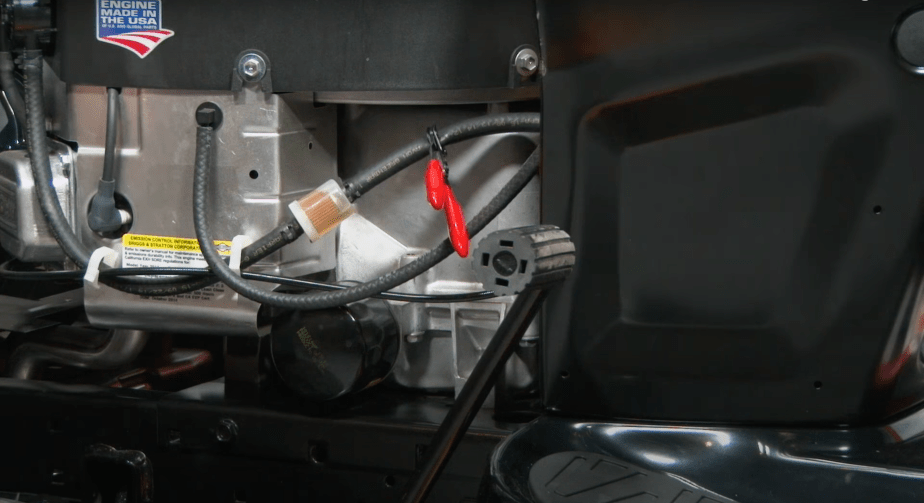
Fuel filters usually sit near the engine or fuel tank. Look for a small, canister-shaped part connected to fuel lines. Some filters are mounted on the tractor frame or under the hood. Older tractors may have filters inside the fuel pump. Newer models often use inline filters on the fuel hose. Clean the area first to see the filter clearly. Identifying common spots speeds up the filter change process.
Removing The Old Fuel Filter
Removing the old fuel filter is the first step in changing your tractor’s fuel filter. This process helps keep your engine clean and running well. Follow these steps carefully to avoid damage and spills.
Disconnect Fuel Lines
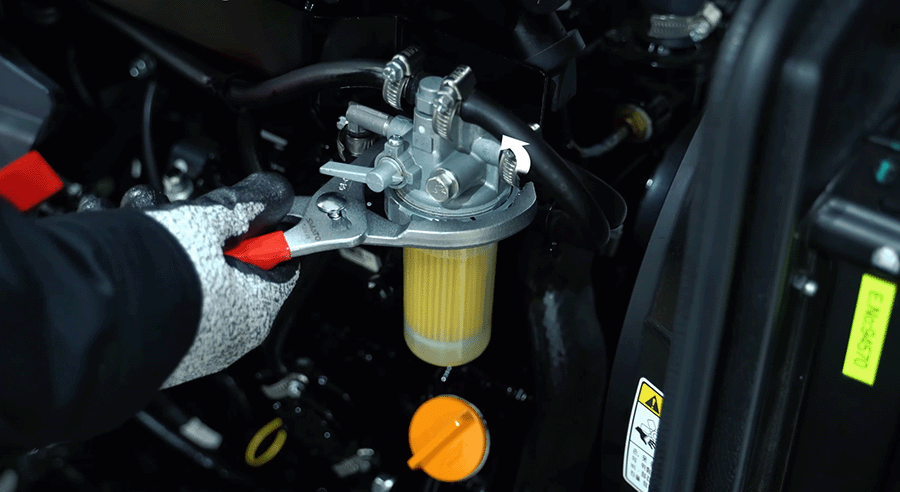
Start by turning off the tractor’s engine. Locate the fuel lines connected to the filter. Use pliers or a wrench to gently loosen the clamps. Carefully pull the fuel lines away from the filter. Be ready to catch any fuel that may spill out.
Loosen Mounting Bracket
Find the bracket holding the filter in place. Use the right tool, usually a wrench or screwdriver. Turn the bolts or screws to loosen the bracket. Keep the parts safe for reassembly later.
Remove Filter Carefully
Hold the filter firmly and pull it out slowly. Avoid dropping or tipping it to prevent leaks. Place the old filter in a container to catch any remaining fuel. Dispose of it properly according to local rules.
Credit: tym.world
Installing The New Fuel Filter
Installing the new fuel filter is a key step in keeping your tractor running well. A proper installation ensures clean fuel flows smoothly to the engine. Follow these steps carefully to avoid leaks or damage.
Check For Correct Filter Type
Make sure the new filter matches the tractor’s model. Using the wrong type can cause poor performance or damage. Look at the part number and compare it with the old filter. Double-check the size and shape before installation.
Attach Fuel Lines Securely
Connect the fuel lines to the new filter tightly. Loose connections can cause fuel leaks and air bubbles. Push the hoses firmly onto the filter’s fittings. Use clamps if needed to hold the lines in place. Check that the flow direction matches the filter’s arrows.
Tighten Mounting Bracket
Secure the fuel filter with its mounting bracket. Tighten the screws or bolts until the filter is firmly held. Avoid over-tightening, which can crack the filter or bracket. The filter should not move or vibrate during tractor use.
Priming The Fuel System
Priming the fuel system is a key step after changing the fuel filter on your tractor. It helps remove air pockets and fills the system with clean fuel. Without priming, the engine might not start or could run roughly. This process ensures smooth fuel flow and protects the engine from damage.
Use Primer Pump If Available
Many tractors have a primer pump near the fuel filter. Press the pump several times to push fuel through the lines. You will feel resistance as the system fills. Stop once the pump feels firm and no air bubbles appear. This action clears air and readies the fuel system for starting.
Check For Leaks
After priming, inspect all connections around the fuel filter. Look for fuel dripping or wet spots. Tighten any loose fittings. Fix leaks before starting the engine. Fuel leaks cause poor engine performance and can be dangerous.
Start Engine And Monitor
Turn on the tractor engine and watch it closely. It may take a few tries to start. Listen for smooth running and steady idle speed. If the engine stalls or sputters, prime the system again. Keep monitoring until the engine runs well without hesitation.

Credit: www.youtube.com
Maintenance Tips For Fuel Filters
Maintaining your tractor’s fuel filter is key to its smooth operation. Clean filters protect the engine from dirt and debris. They help the tractor run efficiently without extra strain.
Following simple maintenance tips can extend the life of your fuel filter. Small efforts lead to big savings and fewer repairs.
Regular Replacement Schedule
Change your fuel filter as recommended in the tractor manual. A worn filter clogs easily and slows fuel flow. Set reminders to replace it every season or after a set number of hours. This keeps fuel clean and engines healthy.
Using Quality Fuel
Always fill your tractor with clean, good-quality fuel. Dirty fuel clogs the filter faster. Avoid fuel from unknown or unreliable sources. Good fuel keeps the filter working longer and protects the engine parts.
Inspecting For Damage
Check the fuel filter for cracks, leaks, or dirt buildup. Replace the filter if you see any damage. A damaged filter lets dirt enter the engine, causing costly repairs. Regular inspection catches problems early.
Frequently Asked Questions
How Often Should I Change My Tractor’s Fuel Filter?
Change the fuel filter every 200-300 hours of tractor use. Regular changes prevent clogs and engine damage. Check your tractor’s manual for exact intervals. Timely replacement ensures clean fuel flow and optimal engine performance.
What Tools Do I Need To Change A Fuel Filter?
You need a wrench, screwdrivers, a container for old fuel, and a new fuel filter. Gloves and safety glasses are recommended. These tools help you safely remove and install the filter without spills or damage.
Can I Change The Fuel Filter Myself Safely?
Yes, you can change it yourself with basic tools and precautions. Work in a well-ventilated area, avoid open flames, and wear protective gear. Follow the tractor manual’s instructions carefully to avoid fuel leaks or damage.
What Are Signs Of A Clogged Tractor Fuel Filter?
Signs include engine stalling, rough idling, poor acceleration, and hard starts. Fuel flow reduces, causing engine performance issues. If you notice these symptoms, check and replace the fuel filter promptly to avoid damage.
Conclusion
Changing the fuel filter on your tractor keeps the engine running well. It helps stop dirt and debris from causing damage. Clean fuel means better tractor performance and longer engine life. Follow the steps carefully for safe and easy replacement.
Regular filter changes save time and money on repairs. Keep your tractor ready for work by caring for its fuel system. Simple maintenance makes a big difference in the long run.

