

Are you feeling strange vibrations or hearing unusual noises when you brake? Your brake rotors might be warped.
Knowing how to check brake rotors for warpage can save you from costly repairs and keep you safe on the road. You’ll learn simple, step-by-step methods to spot warping early. By the end, you’ll have the confidence to inspect your rotors yourself and know when it’s time to take action.
Keep reading to protect your vehicle and ensure every stop is smooth and secure.
Signs Of Warped Brake Rotors
Warped brake rotors can cause serious driving problems. Spotting signs early helps avoid costly repairs. Warped rotors affect braking safety and car performance. Watch for these common symptoms to detect warpage fast.
Vibrations While Braking
You may feel shaking or pulsing in the brake pedal. The steering wheel can also vibrate when braking. These vibrations happen because the rotor surface is uneven. The brake pads hit the warped spots, causing bumps.
Unusual Noises
Squealing or grinding sounds are warning signs of rotor warpage. Noise increases as the brake pads rub unevenly on the rotor. These sounds mean the rotors need inspection or replacement soon.
Uneven Brake Pad Wear
Warped rotors wear down brake pads unevenly. One side of the pad may look thinner than the other. Uneven wear reduces braking efficiency and causes more damage over time. Check the pads regularly for this sign.
Credit: www.instructables.com
Tools Needed For Inspection
Checking brake rotors for warpage requires a few basic tools. These tools help measure the rotor surface and detect any unevenness. Using the right tools ensures a safe and accurate inspection. Below are the essential tools you need to check brake rotors properly.
Dial Indicator
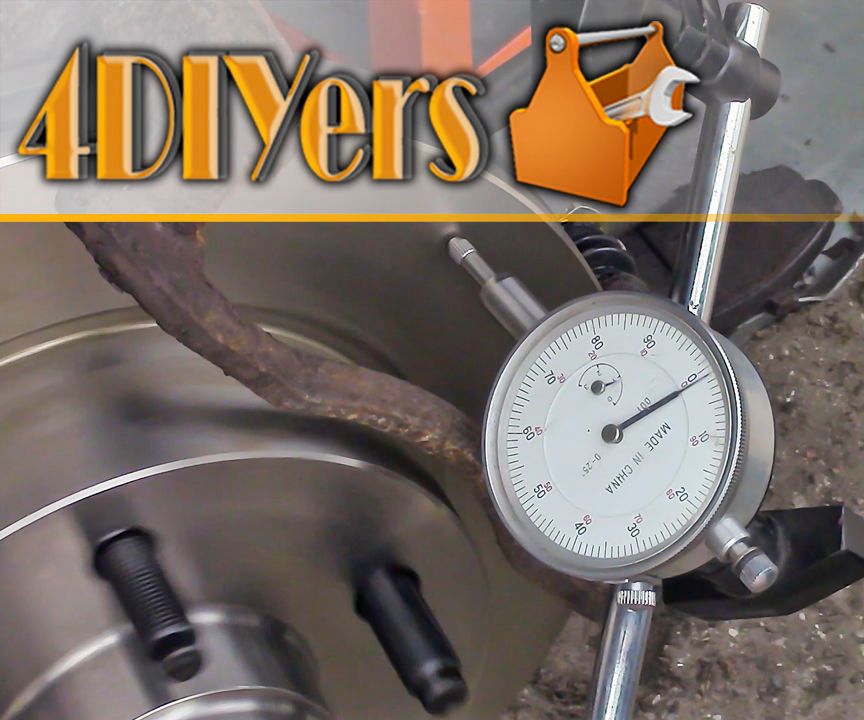
A dial indicator measures small changes in the rotor surface. It shows how much the rotor moves when it spins. This tool helps detect warping or bending. Place the dial indicator on the rotor and slowly rotate the wheel. Watch the needle for any jumps or dips. A smooth reading means the rotor is flat.
Micrometer
A micrometer measures the thickness of the brake rotor. Rotors wear down over time. Uneven thickness can cause vibrations and poor braking. Use the micrometer to check thickness at different points. Compare the readings to the manufacturer’s minimum thickness. Replace the rotor if it is too thin or uneven.
Jack And Stands
A jack and stands lift and secure the vehicle safely. You need to remove the wheel to access the brake rotor. Always use a jack to raise the car and place stands under it. Never rely on the jack alone for support. Safety comes first during any brake inspection or repair.
Preparing Your Vehicle
Preparing your vehicle is the first step to check brake rotors for warpage. This process makes sure you work safely and get clear access to the rotors. Proper preparation helps spot problems early and avoid damage.
Securing The Car
Park your car on a flat, solid surface. Turn off the engine and apply the parking brake. Place wheel chocks behind the wheels that stay on the ground. This stops the car from rolling while you work.
Removing The Wheel
Loosen the lug nuts with a wrench before lifting the car. Use a jack to raise the vehicle. Support it with jack stands for safety. Remove the lug nuts completely and take off the wheel. This reveals the brake rotor for inspection.
Cleaning The Rotor Surface
Use a clean cloth or brake cleaner to wipe the rotor. Remove dirt, dust, and brake residue. A clean rotor surface helps you see any warping or damage clearly. Avoid touching the rotor with oily hands to keep it clean.

Credit: lawrencevilleautocenter.com
Measuring Rotor Warpage
Measuring rotor warpage is essential to ensure your brakes work safely. Warped rotors cause vibrations and reduce brake performance. This section explains how to measure rotor warpage accurately. Using a dial indicator tool helps find any unevenness on the rotor surface. The process requires careful setup and multiple readings for precise results.
Setting Up The Dial Indicator
Mount the dial indicator on a stable stand near the rotor. Position the indicator’s tip against the rotor surface. Ensure it touches the rotor at a right angle. Secure the stand so it does not move during measurement. Spin the rotor slowly by hand to check the dial’s movement.
Taking Multiple Measurements
Take readings at several points around the rotor edge. Rotate the rotor in small steps, about 30 degrees each time. Record the highest and lowest readings from the dial indicator. Multiple measurements help spot any uneven spots or warping. Check both sides of the rotor if possible.
Interpreting Results
Compare the difference between the highest and lowest readings. A difference over 0.002 inches usually means the rotor is warped. Warped rotors may need resurfacing or replacement. Always follow the vehicle manufacturer’s warpage limits. Accurate interpretation prevents brake problems and ensures safety.
Alternative Inspection Methods
Checking brake rotors for warpage does not always require special tools. There are simple ways to find problems before serious damage occurs. These alternative methods help catch rotor issues early and keep your brakes safe.
Visual Inspection For Scoring
Look closely at the rotor surface for deep grooves or scratches. Scoring means the rotor is worn unevenly. This can cause vibration and reduce brake power. Use a flashlight to see all parts of the rotor clearly. If you see heavy scoring, the rotor may need replacing or resurfacing.
Using A Straight Edge
Place a straight edge across the rotor surface. Check for gaps between the rotor and the straight edge. Gaps show the rotor is warped or uneven. Measure the gap size with a feeler gauge for accuracy. Small warpage can cause brake pulsation and noise. This method helps detect warpage without expensive tools.
Checking Brake Pedal Feedback
Pay attention to how the brake pedal feels when pressed. A shaking or pulsating pedal often signals warped rotors. The pedal might feel soft or uneven under pressure. Drive slowly and brake gently to test the pedal response. Unusual pedal feedback is an early warning sign of rotor problems.

Credit: www.youtube.com
Preventing Rotor Warpage
Preventing rotor warpage is important for safe driving and longer brake life. Warped rotors cause vibrations and reduce braking power. Taking simple steps can help keep rotors in good shape. Regular care and smart driving habits protect your brakes from damage.
Proper Brake Usage
Apply brakes gently and avoid hard stops. Sudden braking heats rotors quickly and causes warping. Use engine braking on long downhill drives. This reduces pressure on brake rotors. Smooth braking helps rotors cool evenly and stay flat.
Regular Maintenance
Check brake pads and rotors often. Worn pads can damage rotors and cause warping. Replace pads before they wear too thin. Clean brake parts to remove dust and dirt. Regular inspections catch problems early and keep brakes working well.
Avoiding Overheating
Overheating is a main cause of rotor warpage. Avoid riding the brakes, especially on hills. Give brakes time to cool after heavy use. Use lower gears to slow down instead of brakes alone. Cooler rotors last longer and perform better.
When To Replace Or Resurface Rotors
Knowing when to replace or resurface brake rotors is key for safe driving. Warped rotors cause vibration and reduce braking power. This section helps you decide the right action to take for your rotors. Understanding the limits and costs can save money and avoid danger.
Manufacturer Specifications
Check the rotor thickness against the manufacturer’s minimum limit. This is often stamped on the rotor or found in your vehicle manual. Rotors thinner than this limit must be replaced. Resurfacing can only remove a small amount of material safely. Follow these specs to keep brakes working well.
Cost Considerations
Resurfacing rotors usually costs less than replacement. But not all rotors can be resurfaced safely. If damage is severe, replacement is better. New rotors give longer life and better performance. Balance cost with safety and the condition of the rotors.
Safety Implications
Warped rotors affect braking distance and control. Driving with bad rotors risks accidents. Resurfacing restores smooth braking but only if rotors are thick enough. Replace rotors if warping or damage is too bad. Your safety depends on strong, reliable brakes.
Frequently Asked Questions
How Can I Tell If Brake Rotors Are Warped?
Warped rotors cause vibrations or pulsations when braking. You may feel shaking in the steering wheel or brake pedal. Visual inspection can show uneven wear or scoring on the rotor surface. These signs indicate rotor warpage needing further measurement.
What Tools Are Needed To Check Rotor Warpage?
A dial indicator gauge is essential for precise rotor warpage measurement. You also need a jack, lug wrench, and basic hand tools to remove the wheel and access the rotor. These tools help detect rotor runout accurately.
What Is The Acceptable Rotor Runout Limit?
Most manufacturers specify rotor runout between 0. 002 to 0. 005 inches (0. 05 to 0. 13 mm). Anything above this causes brake vibration and requires rotor resurfacing or replacement. Checking the limit ensures safe and smooth braking performance.
Can I Check Rotor Warpage Without Removing The Wheel?
No, removing the wheel is necessary for accurate rotor inspection and measurement. It allows full access to the rotor surface for dial indicator placement. Partial checks without wheel removal are unreliable.
Conclusion
Checking brake rotors for warpage helps keep your car safe. Warped rotors cause shaking and noise while driving. Regular inspection can catch problems early. Use simple tools like a dial indicator or runout gauge. Look for uneven wear or grooves on the rotor surface.
Fixing or replacing warped rotors improves braking performance. Stay alert to signs of warpage to avoid accidents. Taking care of your brakes saves money and stress later. Keep your vehicle running smoothly by checking rotors often. Safety first—don’t ignore brake issues on the road.

