Your brakes are one of the most important parts of your vehicle, keeping you safe every time you hit the road. But how do you know when your brake rotors need replacing?
Ignoring worn rotors can lead to poor braking performance and costly repairs. You’ll learn clear, simple ways to check your brake rotors yourself. By the end, you’ll feel confident spotting the signs early and taking action before small problems turn into big dangers.
Keep reading to protect yourself, your passengers, and your car.

Credit: www.reddit.com
Signs Of Worn Brake Rotors
Brake rotors wear down over time and affect your car’s safety. Knowing the signs of worn brake rotors helps you avoid bigger problems. You can spot issues early by paying attention to sounds, feelings, and visible damage. These signs mean it is time to check or replace your rotors.
Squeaking And Grinding Noises
Squeaking sounds often mean the brake pads are worn out. Grinding noises usually show the rotors have deep grooves or damage. These sounds come from metal rubbing on metal. Ignoring these noises can cause more damage and costly repairs.
Vibrations While Braking
Feeling vibrations in the brake pedal or steering wheel is a common sign. Warped or uneven rotors cause this shaking. It makes stopping harder and can be dangerous. Smooth braking should feel steady and calm, not shaky.
Visible Rotor Damage
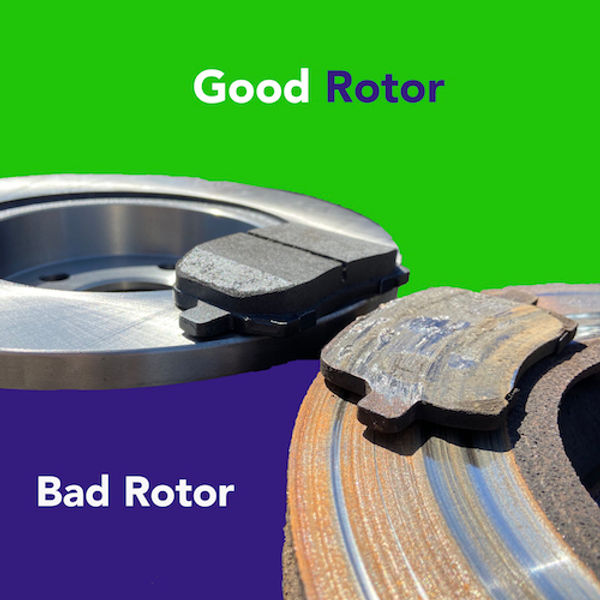
Look at the rotors through the wheels for cracks or deep grooves. Rust patches or discoloration also mean the rotors are worn. Any visible damage shows the rotors are weak and may fail soon. Regular checks help catch these problems early.
Credit: a1clovis.com
Tools Needed For Inspection
Checking your brake rotors is important for safe driving. You need the right tools to inspect them properly. Some tools help you remove parts, others measure wear, and some keep you safe. Let’s explore the basic tools needed for brake rotor inspection.
Basic Hand Tools
Start with simple hand tools like a lug wrench and socket set. These help remove the wheel and brake caliper. A screwdriver or pry bar can assist in taking off parts carefully. These tools are easy to find and essential for basic work.
Measuring Instruments
Measuring tools check the rotor’s thickness and surface condition. A micrometer or caliper measures rotor thickness accurately. A dial indicator can detect rotor warping by measuring runout. These tools ensure the rotor meets safety standards.
Safety Equipment
Protect yourself during inspection. Wear safety glasses to shield your eyes from dust and debris. Use gloves to keep your hands clean and safe from sharp edges. A dust mask helps prevent inhaling brake dust. Safety gear is a must for any brake work.
Step-by-step Rotor Inspection
Checking your brake rotors is important for safe driving. Worn or damaged rotors reduce braking power. A step-by-step inspection helps find problems early. It can save you money and prevent accidents.
Removing The Wheel
Start by parking your car on a flat surface. Use a jack to lift the car safely. Remove the lug nuts with a wrench. Take off the wheel carefully and set it aside. This exposes the brake rotor for inspection.
Checking Rotor Thickness
Use a micrometer or caliper to measure rotor thickness. Compare the measurement to the manufacturer’s minimum thickness. Thin rotors need replacing to avoid brake failure. Measure in multiple spots around the rotor for accuracy.
Inspecting For Warping And Cracks
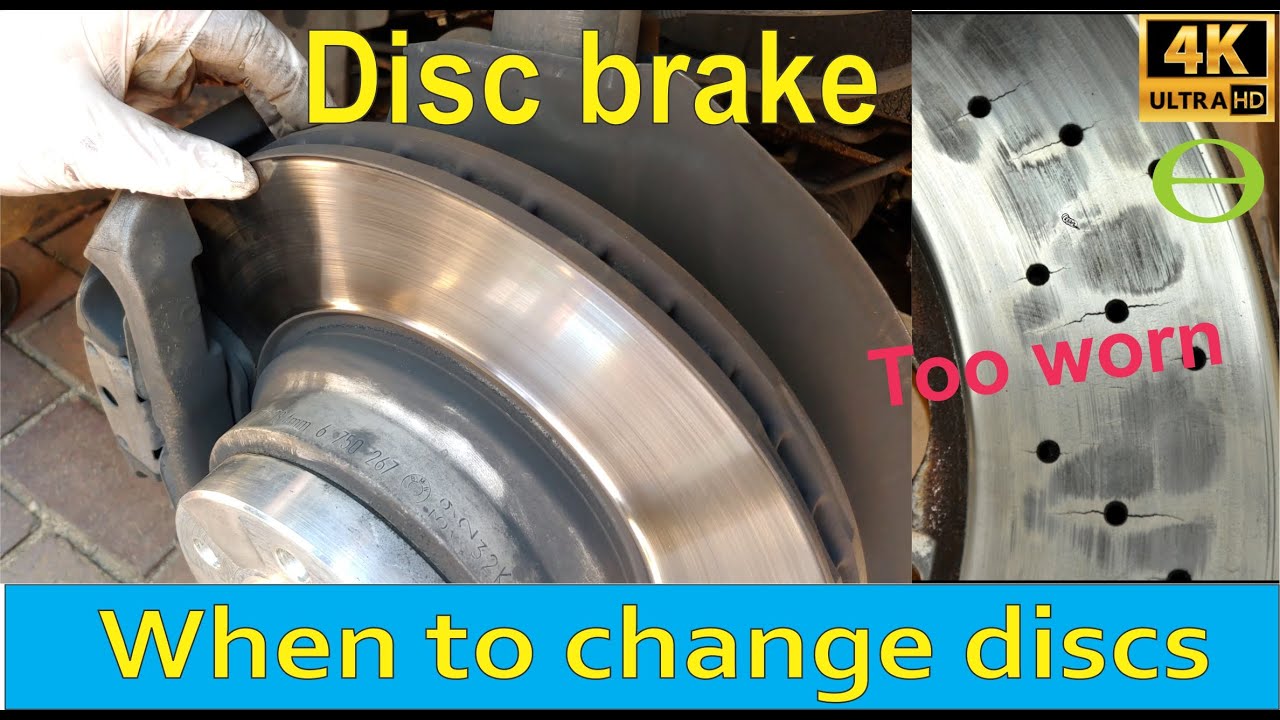
Look closely at the rotor surface for cracks or grooves. Check for uneven wear or discoloration. Warped rotors cause vibration while braking. You can test for warping by spinning the rotor and watching for wobble. Any sign of damage means it is time to replace the rotor.
When To Replace Brake Rotors
Knowing when to replace brake rotors keeps your car safe. Rotors wear out over time and can cause problems. Worn rotors reduce braking power and make driving risky. Check rotors often to avoid damage or accidents. Certain signs and measurements show when rotors need replacement.
Minimum Thickness Guidelines
Every rotor has a minimum thickness limit. This number is set by the maker to keep brakes safe. Use a micrometer to measure rotor thickness. If the rotor is thinner than the limit, replace it. Thinner rotors can crack or warp quickly.
Excessive Warping Limits
Rotors can warp from heat and stress. Warped rotors cause vibrations when braking. Use a dial indicator to check rotor runout. If the runout is above the limit, change the rotor. Warped rotors reduce brake effectiveness and increase wear.
Surface Damage Severity
Look for deep grooves, cracks, or rust on rotor surfaces. Minor marks can be smoothed by resurfacing. Severe damage means the rotor must be replaced. Damaged rotors create noise and uneven braking. Always replace rotors with serious surface issues.
Rotor Maintenance Tips
Proper care of brake rotors helps keep them in good shape longer. Simple maintenance steps prevent damage and keep your brakes working well. These tips help you avoid costly repairs and stay safe on the road.
Regular Cleaning
Brake rotors collect dirt and dust from the road. Clean them regularly to stop buildup that wears parts faster. Use a soft brush and brake cleaner spray. Avoid water or harsh chemicals that cause rust.
Brake Pad Replacement Timing
Change brake pads before they wear out completely. Worn pads can damage the rotors. Check pad thickness often. Replace pads when they reach the minimum thickness recommended by the maker.
Avoiding Overheating
Overheating causes rotors to warp or crack. Drive carefully downhill and avoid heavy braking. Give brakes time to cool during long trips. Hot brakes lose stopping power and wear faster.
Credit: www.youtube.com
Professional Vs Diy Replacement
Deciding between professional and DIY brake rotor replacement affects safety and cost. Both have pros and cons. Understanding these helps choose the best option.
Benefits Of Professional Service
Professionals have experience and tools for accurate brake rotor checks. They spot hidden issues quickly. Brake systems are complex and require precise handling. A pro ensures parts fit correctly and work well. This reduces risk of brake failure. Professionals also follow safety rules and proper disposal methods. They save time and effort for car owners. Many shops offer warranties on parts and labor.
Diy Replacement Considerations
DIY saves money on labor costs. Some find it satisfying to fix their own car. Basic tools and clear instructions are needed. Mistakes can lead to poor brake performance or damage. Brake rotors require careful measurement and cleaning. Not all DIYers have enough skills or equipment. Safety is critical; improper work can cause accidents. Research and patience are musts before starting. Testing brakes after replacement is essential.
Frequently Asked Questions
How Do I Know If Brake Rotors Are Worn Out?
You may notice vibrations, squealing, or reduced braking power. Visual signs include grooves, cracks, or rust on rotors. If these symptoms occur, it’s time to inspect and possibly replace the brake rotors for safety.
What Causes Brake Rotors To Need Replacing?
Brake rotors wear out due to heat, friction, and age. Frequent hard braking and poor maintenance accelerate wear. Rotors warp or thin over time, reducing braking efficiency and safety, necessitating replacement.
How Often Should Brake Rotors Be Checked?
Brake rotors should be checked every 12,000 miles or at every brake pad change. Regular inspections prevent unexpected failures and maintain optimal braking performance. Follow your vehicle’s manual for specific intervals.
Can I Replace Brake Rotors Myself Safely?
Yes, if you have proper tools and knowledge, you can replace rotors. However, improper installation risks brake failure. When unsure, consult a professional mechanic to ensure safety and quality work.
Conclusion
Checking your brake rotors regularly keeps you safe on the road. Watch for signs like vibrations, noises, or visible wear. Replace rotors that are cracked or too thin. Taking care of brakes helps avoid costly repairs later. Stay alert and act quickly to keep your car running smoothly.
Brake maintenance is simple but very important. Don’t wait until problems get worse. Stay safe and drive with confidence.