

If you drive a Duramax diesel truck, you know how important it is to keep your fuel system clean and running smoothly. One simple but crucial task is draining water from your fuel filter.
Water in the fuel can cause serious engine problems, but many drivers overlook this easy maintenance step. In this guide, you’ll learn exactly how to drain water from your Duramax fuel filter quickly and safely. By following these clear steps, you’ll protect your engine, improve performance, and avoid costly repairs.
Keep reading to make sure your truck stays in top shape.

Credit: warszawa.intercontinental.com
Tools And Materials Needed
Draining water from a Duramax fuel filter requires the right tools and materials. Having these items ready makes the task easier and safer. Prepare everything before starting to avoid interruptions.
Basic Tools
You need a wrench or socket set to loosen the fuel filter drain plug. A screwdriver may help to open clamps or covers. Keep a clean container nearby to catch the drained water and fuel mix.
Protective Gear
Wear gloves to protect your hands from fuel and dirt. Safety glasses keep your eyes safe from splashes. Use old clothes or a coverall to avoid stains.
Cleaning Supplies
Have clean rags or paper towels ready to wipe spills. A small brush can clean the filter housing area. Keep a plastic bag to dispose of used rags safely.
Replacement Parts
Always have a new fuel filter on hand. Check the owner’s manual for the correct model. Keep a new drain plug or seal if the old one is worn out.
Locate The Fuel Filter
Locating the fuel filter is the first step to drain water from a Duramax fuel filter. Knowing its exact position helps you work faster and safer. The fuel filter is a small, cylindrical part that cleans diesel fuel before it reaches the engine. It traps dirt, rust, and water to protect the engine. Finding it is easy if you know where to look.
Check Under The Hood
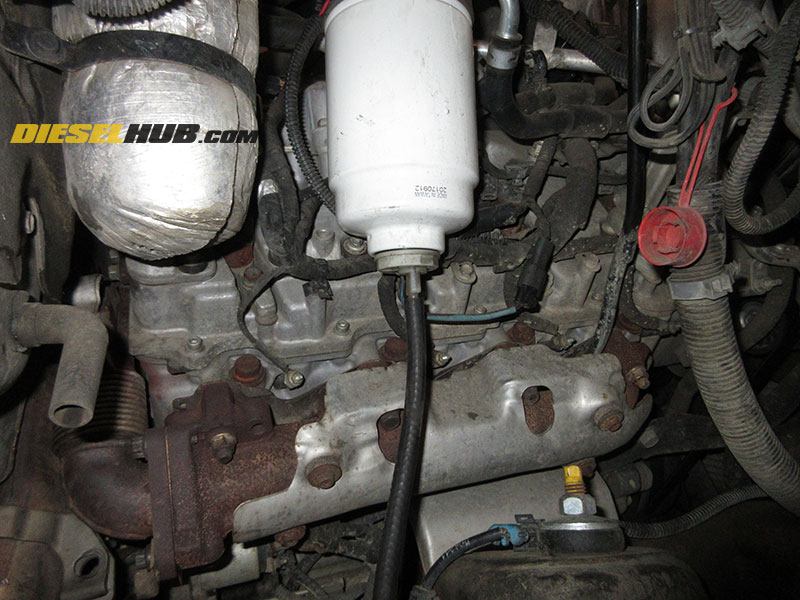
Open the hood and stand in front of the engine. The fuel filter usually sits near the engine block. Look for a metal or plastic canister with fuel lines attached. It often has a clear bowl at the bottom for water collection. The filter is mounted on a bracket and may have a drain valve.
Look Near The Fuel Tank
Some Duramax models have the fuel filter close to the fuel tank. Check along the frame rail under the truck. The fuel filter can be inside a metal case or plastic housing. It connects to fuel lines that run from the tank to the engine. This setup helps catch water early before fuel reaches the engine.
Use The Owner’s Manual
The owner’s manual provides exact details about your Duramax model’s fuel filter location. It may include pictures and diagrams. Follow the steps to find the filter quickly. The manual also explains safety tips to avoid fuel spills or injuries during the process.
Prepare The Vehicle
Draining water from the fuel filter in a Duramax engine is important for smooth performance. Water in the fuel can cause damage and reduce engine efficiency. Regularly removing this water keeps the engine safe and running well.
Identify The Drain Valve
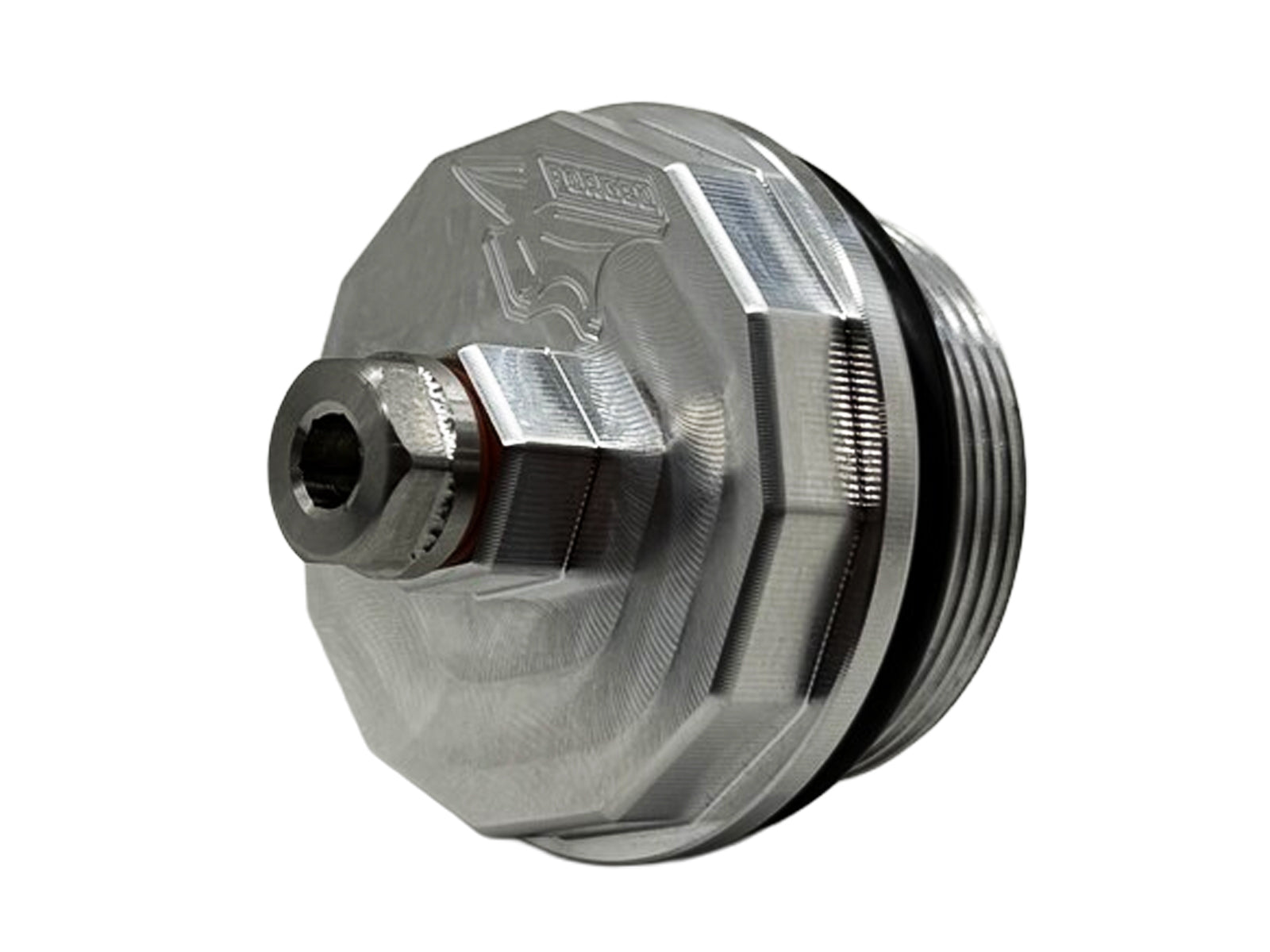
First, find the drain valve on the fuel filter. It is usually at the bottom of the filter housing. Look for a small screw or valve that can be opened by hand or with a wrench. Make sure the engine is off before you start.
Release The Water
Place a container under the drain valve. Slowly open the valve to let the water out. Water and fuel mixture will flow, so open it carefully. Close the valve once only clean fuel flows out without water drops.
Collect The Drained Water
Use a clear container to collect the drained water. Check the liquid for any dirt or debris. Properly dispose of the collected water and fuel mix. Never pour it on the ground or into drains.
Credit: zzdiesel.com
Drain The Water From The Fuel Filter
Checking the fuel filter condition is an important step in draining water from a Duramax fuel filter. The fuel filter protects the engine by catching dirt, rust, and water. A clean filter helps the engine run smoothly and avoids damage.
Before draining water, inspect the filter carefully. This helps spot any problems early. Knowing the filter’s condition guides you on whether to drain or replace it.
Inspect For Contaminants
Look at the fuel filter for signs of dirt, rust, or water. Use a flashlight for a clear view. Water looks like small droplets or a cloudy layer inside the filter. Dirt and rust appear as dark spots or sludge. These contaminants can block fuel flow and damage the engine. Spotting them early prevents bigger issues.
Determine If Replacement Is Needed
Check the filter’s age and condition. If it looks very dirty or clogged, replace it. A filter with cracks or damage must be replaced immediately. A clean filter can be drained and reused. Replacing the filter keeps your Duramax engine protected and running well.
Check The Fuel Filter Condition
After draining water from the Duramax fuel filter, the next step is to reassemble and test the system. This step ensures your truck runs smoothly without leaks or issues. Follow these simple instructions to finish the job safely and correctly.
Close The Drain Valve
Turn the drain valve back to the closed position. Make sure it is tight to avoid any fuel leaks. Double-check the valve to confirm it is fully closed before moving on.
Start The Engine
Turn on your Duramax engine. Let it run for a few minutes. This helps fuel flow through the filter and clears any air trapped inside. Listen for any unusual sounds while the engine runs.
Check For Leaks
Look around the fuel filter and drain valve. Watch closely for any signs of fuel or water leaks. Tighten fittings if you spot any leaks. Keep checking until you are sure everything is secure.
Credit: www.dieselhub.com
Reassemble And Test
Maintaining your Duramax fuel filter is key to keeping your engine running well. Water in the fuel filter can harm your engine. Regular care helps avoid costly repairs and keeps your truck reliable.
Regular Inspection Schedule
Check the fuel filter every 3,000 to 5,000 miles. Follow the truck’s manual for exact intervals. Inspect the filter more often in wet or cold weather. Keep a log of each inspection and any actions taken. This habit helps catch problems early.
Signs Of Water In Fuel Filter
Look for slow engine start or rough idling. The filter may make noise or cause power loss. Clear water or sludge may appear in the filter bowl. Fuel smells different or the engine stalls often. Spotting these signs early protects the fuel system.
Frequently Asked Questions
How Do I Drain Water From A Duramax Fuel Filter?
To drain water from a Duramax fuel filter, locate the drain valve at the bottom. Place a container underneath, open the valve, and let water drain out until fuel flows. Close the valve tightly to prevent leaks and avoid air entering the fuel system.
How Often Should I Drain The Duramax Fuel Filter?
Drain the Duramax fuel filter water every 5,000 miles or during each oil change. More frequent draining is needed in wet or humid conditions to avoid water contamination and fuel system damage. Regular draining maintains engine performance and prevents costly repairs.
What Tools Are Needed To Drain Duramax Fuel Filter Water?
You need a container to catch water, a wrench or pliers to open the drain valve, and gloves to protect your hands. No special tools are required, making this a simple maintenance task anyone can perform safely and effectively.
Can I Drive With Water In The Duramax Fuel Filter?
Driving with water in the Duramax fuel filter can cause engine misfires and damage fuel injectors. Water contamination leads to poor performance and costly repairs. Always drain water promptly to maintain optimal engine health and reliability.
Conclusion
Draining water from your Duramax fuel filter keeps your engine safe. Regular checks help avoid damage and costly repairs. Follow the steps carefully and take your time. Clean fuel means better performance and longer engine life. Stay consistent with maintenance to keep your truck running smoothly.
Small efforts now save big problems later. Simple tasks make a big difference in vehicle care. Keep your Duramax ready for the road every day.


