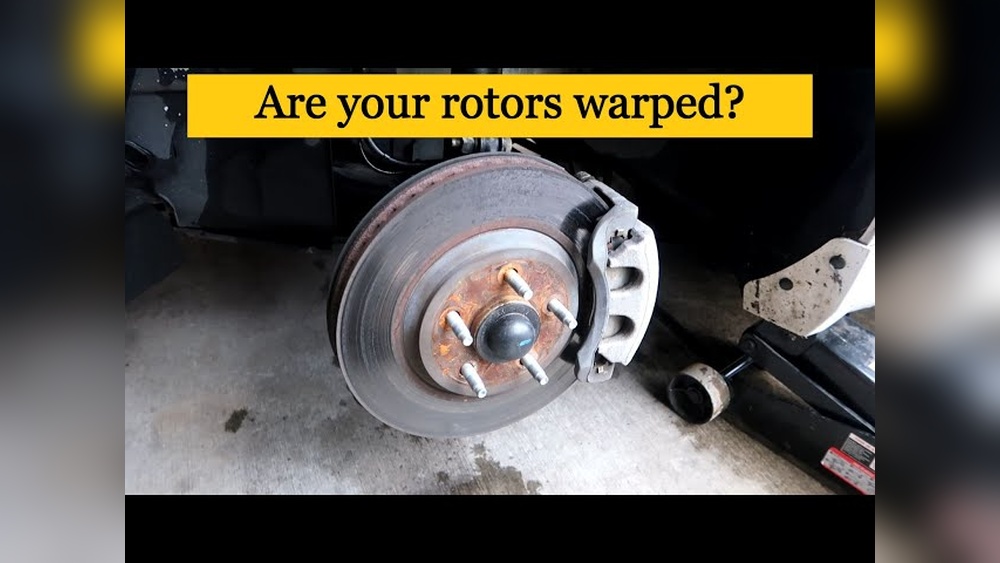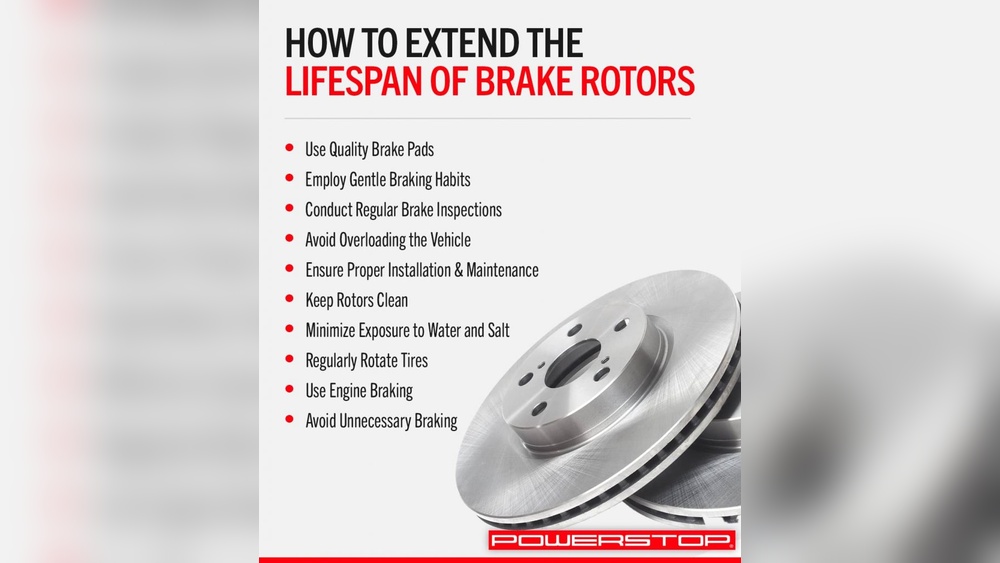
Have you ever felt a strange vibration or heard a squealing noise when you press your brakes? These could be signs that your brake rotors are wearing out.
Knowing when your brake rotors are bad is crucial for your safety and your car’s performance. If you ignore the warning signs, you might face costly repairs or even dangerous driving situations. You’ll learn the clear signs of bad brake rotors and what you should do next.
Keep reading to make sure your brakes are always working the way they should.
Common Brake Rotor Symptoms
Brake rotors are a key part of your vehicle’s braking system. They work with brake pads to stop your car safely. Over time, rotors can wear out or get damaged. This can cause problems when driving. Knowing the common symptoms helps you spot issues early. It keeps you safe and prevents costly repairs.
Unusual Noises
Listen for strange sounds while braking. Squealing or squeaking often means brake pads need attention. Grinding or scraping noises usually show rotor damage. These sounds happen because the rotor surface is uneven or worn. Ignoring these noises can lead to bigger brake problems.
Vibration When Braking
Feel for shaking or pulsing in the brake pedal. This vibration points to warped or uneven rotors. Warping happens from heat and heavy use. It makes braking less smooth and less safe. Vibration is a clear sign to have your brakes checked soon.
Visible Rotor Damage
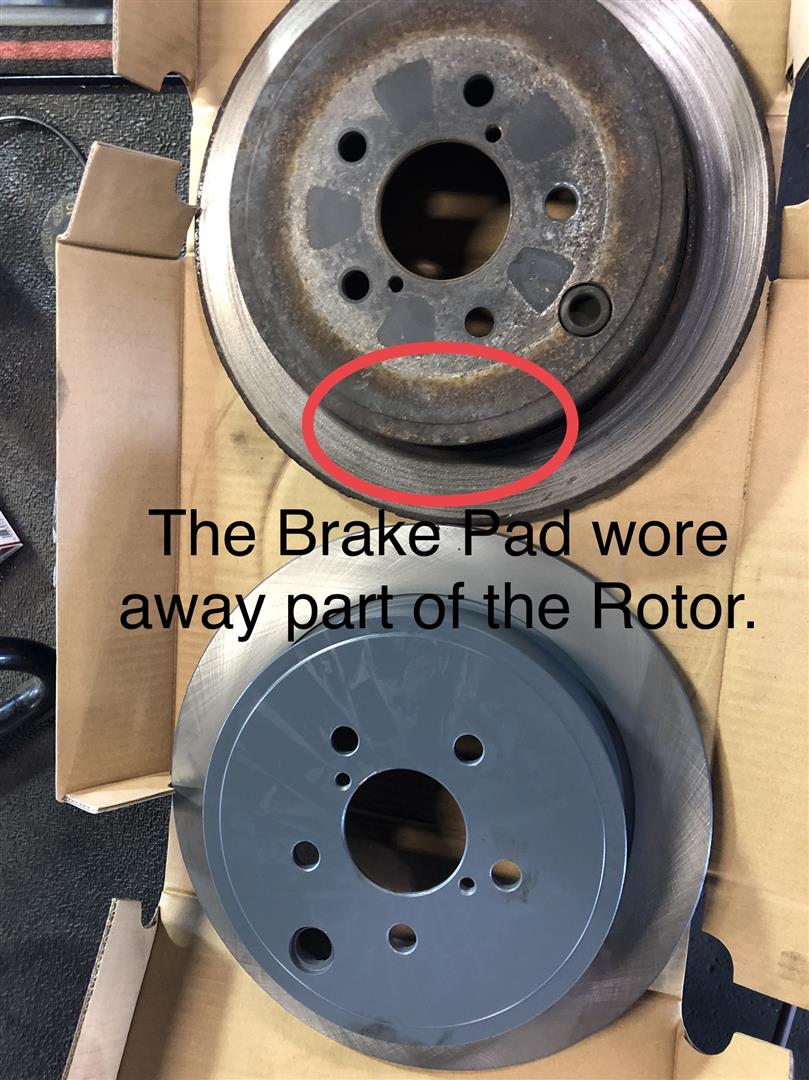
Look at the rotors through the wheel spokes. Deep grooves, cracks, or rust spots are bad signs. These damages reduce braking performance. Sometimes rotors look very thin, meaning they need replacement. Regular checks help catch rotor damage early.
Credit: www.ricksautoservice.org
Physical Signs On Rotors
Physical signs on brake rotors reveal a lot about their condition. These signs help spot problems early. Checking the rotors regularly can prevent bigger issues. It also keeps driving safe and smooth.
Scoring And Grooves
Rotors can develop deep lines called scoring. These happen from worn brake pads or debris. Grooves make the rotor surface uneven. This causes noise and rough braking. If you see deep grooves, the rotor may need replacing.
Rust And Corrosion
Rust often forms on rotors, especially if the car sits unused. Light rust is normal and can wear off. Heavy rust or corrosion weakens the rotor. It can cause brake failure or vibration. Clean or replace rusted rotors for safety.
Warping And Cracks
Warped rotors feel like pulsing in the brake pedal. Warping happens from heat and stress. Cracks may appear from extreme heat or damage. Cracked rotors are unsafe and must be replaced. Watch for any bumps or shaking while braking.
Performance Issues
Performance issues often reveal problems with brake rotors early. These issues affect how well your car stops and how safe you feel driving. Knowing the signs can help you act fast and avoid accidents. Pay close attention to changes in braking behavior.
Reduced Braking Efficiency
Bad rotors reduce how well your brakes work. Your car may not slow down as quickly as before. This happens because worn rotors can’t grip the brake pads properly. The brake system loses strength, making stopping harder.
Longer Stopping Distances
Your car needs more space to stop when rotors are bad. This means you must press the brake pedal earlier. Longer stopping distances increase the risk of crashes. Always notice if your car takes longer to halt than usual.
Brake Pedal Pulsation
Shaking or pulsing in the brake pedal often signals rotor problems. This feeling happens when rotors are warped or uneven. The pedal moves up and down instead of staying steady. It makes braking uncomfortable and less safe.

Credit: www.youtube.com
Factors That Cause Rotor Wear
Brake rotors wear out over time due to several key factors. Understanding these causes helps spot problems early. It also extends the life of your braking system. Below are the main reasons rotors wear down and lose effectiveness.
Driving Habits
Hard braking wears rotors faster. Frequent sudden stops create heat and stress. Riding the brakes on downhill roads adds extra pressure. Smooth, steady braking reduces rotor damage. Short trips with many stops also increase rotor wear.
Environmental Conditions
Wet or salty roads cause rust on rotors. Rust weakens the metal and leads to pitting. Dust and dirt can scratch rotor surfaces. Extreme temperatures cause metal to expand and contract. This cycle can create cracks or warping over time.
Brake Pad Quality
Low-quality pads wear rotors quickly. Cheap pads may contain hard materials that damage rotor surfaces. High-quality pads reduce noise and heat build-up. Proper pad material ensures even wear on rotors. Regular pad replacement keeps rotors in good shape.
When To Inspect Brake Rotors
Knowing when to inspect brake rotors is key for safe driving. Rotors wear down over time. Checking them helps avoid costly repairs and dangerous situations. Certain times call for rotor inspections. These moments ensure your brakes work well and last longer.
Routine Maintenance Checks
Brake rotors should be checked during regular vehicle service. Routine inspections catch wear before it becomes a problem. Mechanics look for cracks, grooves, and thickness loss. Regular checks keep brakes in good shape and improve safety.
After Harsh Driving Conditions
Harsh driving can damage brake rotors quickly. Driving on steep hills, towing heavy loads, or sudden stops heats rotors. Heat causes warping and cracks. Inspect rotors after tough trips or aggressive driving to find damage early.
During Brake Pad Replacement
Brake pads and rotors work together closely. Always inspect rotors when replacing pads. Worn or damaged rotors reduce brake efficiency. Replacing pads without checking rotors can cause noise and vibration. This step ensures smooth, safe braking after repairs.
Credit: www.reddit.com
Diy Rotor Inspection Tips
Checking your brake rotors at home can save money and avoid bigger car troubles. Simple steps help find rotor problems early. These DIY tips guide you through easy checks. You do not need special tools or skills to start.
Visual Inspection Steps
Start by looking at the rotors through the wheel spokes. Look for deep grooves or cracks on the surface. Rust patches can also mean trouble. Uneven wear or discoloration shows heat damage. Clean rotors look smooth and shiny.
Listening For Warning Sounds
Drive slowly and listen carefully near the wheels. Squealing or grinding noises often mean rotor issues. Clicking or thumping sounds can also point to loose parts or worn rotors. These noises worsen when braking hard or going downhill.
Checking For Rotor Thickness
Use a micrometer or caliper to measure rotor thickness. Compare the number to your car’s manual specs. Thin rotors lose braking power and can crack easily. If thickness is below the minimum, replace the rotors soon.
Professional Brake Rotor Evaluation
Professional brake rotor evaluation is key to keeping your car safe. Experts use tools and experience to find rotor problems. This check helps avoid bigger repairs and keeps brakes working well. A proper inspection shows if rotors need repair or replacement.
Diagnostic Tools Used
Technicians use special tools to check brake rotors. A dial indicator measures rotor thickness and runout. A micrometer checks if the rotor is worn out. Visual inspection looks for cracks, grooves, or warping. These tools give accurate results quickly.
When To Seek Expert Help
Strange noises or vibrations while braking mean it’s time for a check. If the brake pedal feels soft or uneven, get help. Experts spot issues that drivers might miss. Regular brake checks prevent accidents and expensive damage.
Cost Of Rotor Repair Or Replacement
Rotor repair or replacement costs vary by car type and damage. Repairing can be cheaper but works only for minor issues. Replacing rotors costs more but ensures safety and long life. Getting a professional estimate helps plan your budget.
Frequently Asked Questions
How Can I Tell If Brake Rotors Are Worn Out?
Worn brake rotors often cause vibrations when braking. You may hear squealing or grinding noises. Visual cracks or grooves on the rotor surface also indicate wear. If braking feels less responsive, it’s time to inspect the rotors.
What Causes Brake Rotors To Go Bad Quickly?
Frequent hard braking and driving in hilly areas accelerate rotor wear. Poor-quality brake pads and overheating can also damage rotors. Lack of regular maintenance increases rotor deterioration. Avoid aggressive driving to prolong rotor life.
Can Bad Brake Rotors Affect Car Safety?
Yes, bad rotors reduce braking efficiency and increase stopping distance. This compromises your vehicle’s safety and control. They can cause brake pedal pulsation and noise. Replacing bad rotors promptly ensures safe and reliable braking performance.
How Often Should Brake Rotors Be Replaced?
Brake rotors generally last 30,000 to 70,000 miles depending on use. Inspect rotors during every brake service. Replace them if they are warped, cracked, or below minimum thickness. Regular checks extend rotor and brake system lifespan.
Conclusion
Bad brake rotors can cause noise, vibration, and poor braking. Watch for these signs to keep safe on the road. Regular checks help catch problems early and avoid costly repairs. Don’t ignore strange sounds or feelings while braking. Taking action quickly protects you and others.
Brake rotor health matters for smooth, reliable stops every time. Stay alert and maintain your brakes well. Your safety depends on it.