Is your engine feeling sluggish or struggling to start? A dirty fuel filter could be the hidden cause.
But what if you don’t want to go through the hassle of removing it? You’re in luck. Cleaning your fuel filter without taking it out is possible—and easier than you think. You’ll discover simple, effective steps to refresh your fuel filter and boost your vehicle’s performance.
Keep reading, and take control of your engine’s health right now.
Signs Of A Clogged Fuel Filter
A clogged fuel filter can cause several problems in your vehicle. It stops fuel from flowing smoothly to the engine. Recognizing the signs early helps avoid costly repairs. Watch for these common symptoms to know if your fuel filter needs attention.
Engine Performance Issues
The engine may run rough or hesitate during acceleration. You might feel a loss of power on hills or during passing. The car can stall or jerk unexpectedly. These signs suggest fuel is not reaching the engine properly.
Fuel Efficiency Drops
Your vehicle may use more fuel than usual. A clogged filter forces the engine to work harder. This increases fuel consumption and lowers miles per gallon. Noticeable drops in fuel efficiency point to fuel flow problems.
Starting Problems
The engine may take longer to start or fail to start at all. The fuel filter blocks fuel from reaching the engine quickly. This causes slow or difficult ignition. Starting problems often indicate a clogged fuel filter.

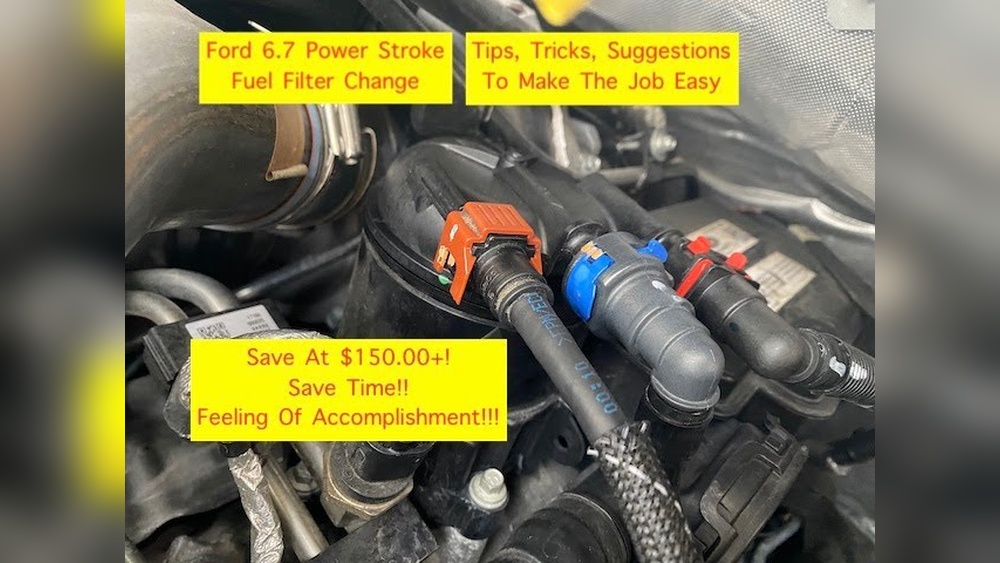
Credit: www.myteeproducts.com
Tools And Materials Needed
Cleaning a fuel filter without removing it requires a few simple tools and materials. These help clear dirt and debris safely. Prepare everything before you start to make the process smooth and easy.
Basic Cleaning Supplies
You need a clean cloth or rag to wipe surfaces. A small brush can help scrub dirt gently. A container or bowl holds cleaning liquid. Use a soft brush to avoid damage. Some warm water mixed with mild soap works well.
Protective Gear
Wear gloves to protect your hands from fuel and dirt. Safety glasses keep your eyes safe from splashes. Use old clothes or coveralls to avoid stains. A mask helps prevent inhaling fumes or dust.
Fuel Additives
Fuel additives clean inside the fuel system. Choose one made for cleaning filters and fuel lines. Add the correct amount to your fuel tank. These additives help dissolve buildup without removing the filter.
Safety Precautions
Cleaning a fuel filter without removing it involves handling flammable liquids and sensitive parts. Safety is the top priority during this process. Taking simple precautions can prevent accidents and protect your health.
Work In A Ventilated Area
Fuel fumes can build up quickly and cause breathing problems. Always clean your fuel filter outside or in a well-ventilated garage. Open doors and windows to let fresh air in. This reduces the risk of inhaling harmful fumes.
Avoid Open Flames
Fuel is highly flammable and can ignite easily. Never smoke or use a lighter near the cleaning area. Keep sparks and flames away from the fuel filter. Turn off the engine and avoid using electrical tools that may cause sparks.
Wear Protective Equipment
Protect your skin and eyes from fuel and dirt. Wear gloves to avoid direct contact with fuel. Use safety glasses to shield your eyes from splashes. Wearing old clothes or a protective apron helps keep your body safe.

Credit: www.reddit.com
Step-by-step Cleaning Process
Cleaning a fuel filter without removing it helps keep your engine running smoothly. This simple process saves time and avoids the hassle of disassembly. Follow these easy steps to clean your fuel filter effectively.
Locate The Fuel Filter
First, find the fuel filter in your vehicle. It is usually near the fuel tank or engine. Check your vehicle manual for the exact location. The filter looks like a small cylinder connected to fuel lines.
Apply Fuel Additive
Next, add a fuel system cleaner to your fuel tank. This additive helps break down dirt and deposits inside the filter. Pour the right amount according to the product instructions. Use a high-quality fuel additive for best results.
Run The Engine To Clean
Start your engine and let it run for 10 to 15 minutes. The fuel additive will flow through the filter, cleaning it internally. Avoid revving the engine during this time. After running, the filter will be clearer and fuel flow improved.
Alternative Cleaning Methods
Cleaning a fuel filter without removing it saves time and effort. Alternative cleaning methods help keep the filter clear and the engine running smoothly. These methods work by flushing out dirt and debris inside the fuel system. They extend the life of the fuel filter and improve fuel flow.
Using Fuel System Cleaners
Fuel system cleaners are added directly to the fuel tank. They dissolve dirt and deposits inside the fuel lines and filter. These cleaners help remove small particles blocking fuel flow. Use a cleaner made for your engine type. Follow the instructions on the product label carefully. Regular use of fuel system cleaners keeps the filter cleaner longer.
Backflushing Techniques
Backflushing pushes fuel or cleaning fluid backward through the filter. This method removes trapped dirt without removing the filter. It requires special tools or equipment for safe backflushing. The process reverses flow to clear blockages inside the filter. Backflushing helps restore fuel flow and improves engine performance. Use this method only if you have the right tools and knowledge.
When To Replace The Fuel Filter
Knowing when to replace the fuel filter helps keep your engine healthy. A clean fuel filter ensures fuel flows smoothly to the engine. Over time, dirt and debris build up and block the filter. Cleaning without removal can help, but only for a short time. Eventually, replacement becomes necessary for best performance.
Signs Cleaning Isn’t Enough
Engine stalls or hesitates during acceleration. Poor fuel economy despite cleaning efforts. Difficulty starting the engine after cleaning. Noticeable loss of power when driving uphill. Strange noises from the fuel pump area. These signs suggest the fuel filter is too clogged. Cleaning may not fix these issues fully.
Recommended Replacement Intervals
Follow the vehicle manufacturer’s advice for fuel filter change. Typically, replace every 20,000 to 30,000 miles. Some cars may need replacement sooner in dusty areas. Regular replacement prevents damage to fuel injectors and engine. Keep a log of replacements for better maintenance tracking.
Preventive Maintenance Tips
Keeping your fuel filter clean without removing it is easier with good habits. Preventive maintenance helps your engine run smoothly. It stops dirt from building up and causing problems. Simple steps can keep the fuel system healthy and save time and money.
Regular Fuel System Checks
Check the fuel system often for dirt and leaks. Look at the fuel lines, filter area, and connections. Catch small problems before they grow. Clean around the filter to stop dust from entering. Use a soft cloth or brush for cleaning outside parts.
Using Quality Fuel
Always choose good quality fuel from trusted stations. Cheap fuel may have dirt or water that harms the filter. Good fuel burns cleaner and helps keep the filter clear. It also protects the engine and improves performance. Fill up your tank in clean places to avoid contamination.
Avoiding Contaminants
Keep dirt and water away from the fuel tank cap. Always close the cap tightly after filling. Avoid parking your vehicle in dusty or wet areas. Use fuel additives to help remove small particles inside. These steps reduce the load on the fuel filter and extend its life.
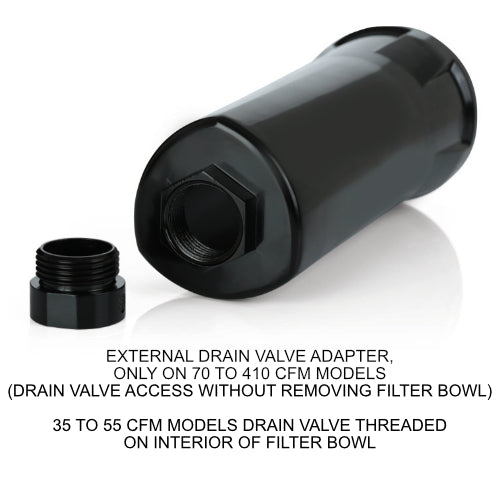
Credit: compressedairusa.com
Frequently Asked Questions
How Can I Clean A Fuel Filter Without Removing It?
You can clean a fuel filter by using a fuel system cleaner additive. Simply add it to your fuel tank. It helps dissolve debris and contaminants inside the filter without removal. This method is quick and effective for minor clogs.
What Tools Do I Need To Clean A Fuel Filter In Place?
To clean a fuel filter without removal, you typically need a fuel system cleaner and a clean cloth. No special tools are required. The cleaner works internally, so no disassembly is necessary, making the process simple and hassle-free.
How Often Should I Clean My Fuel Filter Without Removing It?
It’s best to clean your fuel filter every 10,000 to 15,000 miles. Regular cleaning helps maintain fuel flow and engine performance. Using a fuel system cleaner periodically prevents buildup and extends the filter’s life.
Will Cleaning The Fuel Filter Improve Engine Performance?
Yes, cleaning the fuel filter removes blockages that restrict fuel flow. Improved fuel delivery enhances engine efficiency, power, and fuel economy. Regular cleaning helps avoid engine misfires and rough idling caused by clogged filters.
Conclusion
Cleaning a fuel filter without removing it saves time and effort. Regular cleaning helps keep your engine running smoothly. Use the right tools and follow safety steps carefully. Avoid using harsh chemicals that might damage the filter. A clean fuel filter improves fuel flow and engine performance.
Small steps can prevent costly repairs later. Keep checking your filter regularly for dirt and clogs. Simple care extends your vehicle’s life and saves money. Try these easy tips to maintain your fuel filter well. Your engine will thank you.