

If you drive a diesel vehicle, you might wonder how often you should change your fuel filter. This small but crucial part keeps your engine running smoothly by stopping dirt and debris from clogging your fuel system.
Ignoring it can lead to poor performance, costly repairs, or even engine failure. You’ll discover the signs that tell you it’s time for a change and the best intervals to keep your diesel engine healthy. Keep reading to protect your investment and enjoy a smoother ride every time you hit the road.
Role Of Diesel Fuel Filters
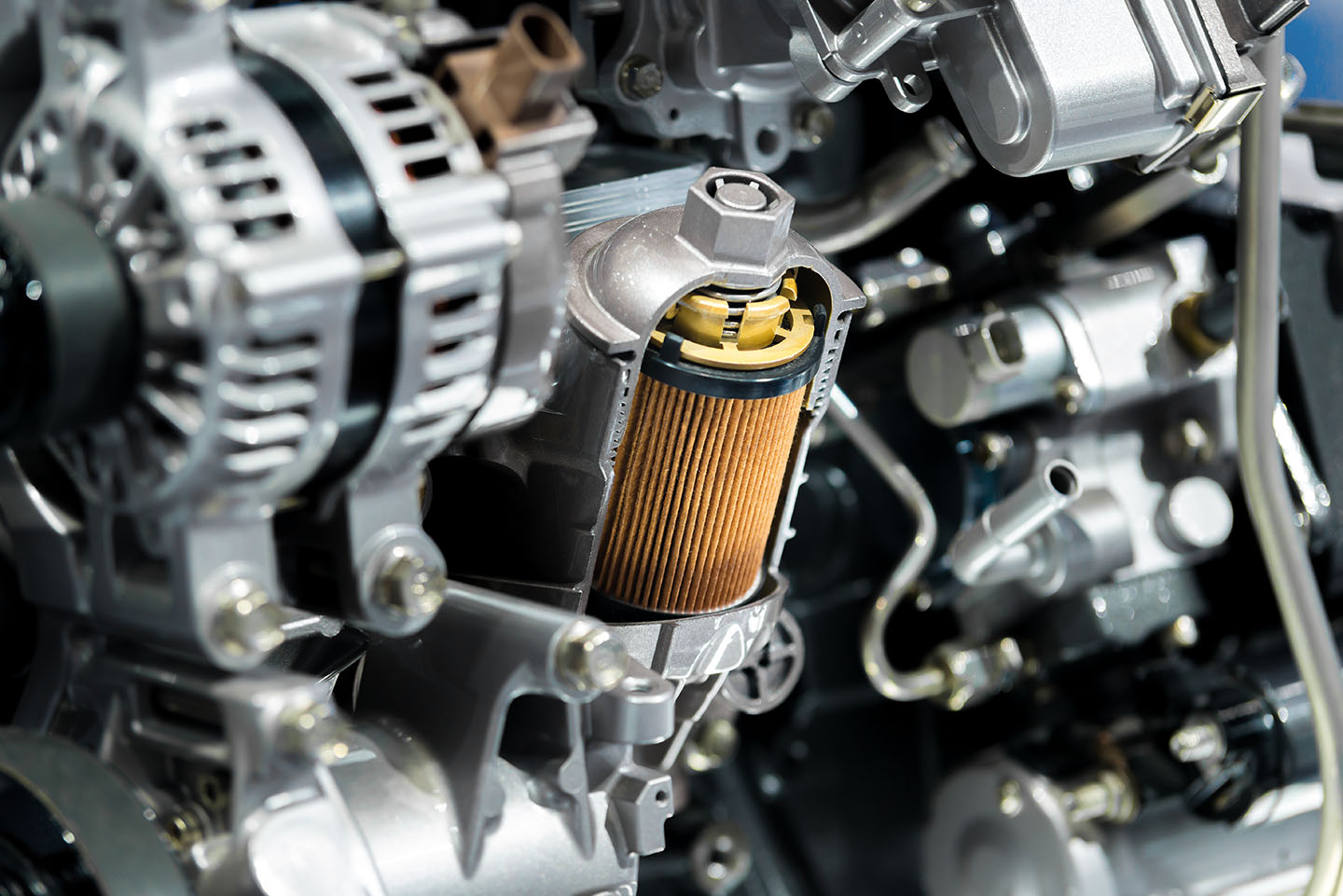
Diesel fuel filters play a key role in keeping your engine running smoothly. They clean the fuel before it reaches the engine. This helps avoid damage and keeps the engine parts working well. Understanding their role helps you see why regular changes matter.
Filtering Impurities
Diesel fuel can contain dirt, rust, and water. These impurities can harm the engine. The fuel filter traps these particles. It stops them from reaching the engine’s sensitive parts. Clean fuel means better engine performance and longer life.
Protecting Engine Components
The fuel filter shields important engine parts. It prevents clogging and corrosion. This protection reduces engine wear and tear. A clean filter helps keep fuel injectors and pumps safe. This means fewer repairs and better fuel efficiency.
Credit: bostechauto.com
Signs Of A Clogged Fuel Filter
A clogged fuel filter can cause many problems in a diesel engine. It stops fuel from flowing smoothly. Dirt and debris block the filter over time. This makes the engine work harder and less efficiently. Knowing the signs helps you spot trouble early. It saves time and money on repairs.
Watch for changes in how your vehicle runs. Notice if it struggles to start or uses more fuel. These signs mean the fuel filter may be clogged and needs attention.
Engine Performance Issues
The engine may run rough or lose power. It might hesitate when you press the gas pedal. A clogged filter limits fuel flow. This causes poor engine response and lower speed. The engine might stall during driving. These issues show the engine lacks enough fuel.
Starting Difficulties
Diesel engines need good fuel flow to start easily. A clogged filter makes starting slow or hard. The engine may crank longer than usual. Sometimes it may fail to start at all. This problem happens because fuel can’t reach the engine quickly.
Reduced Fuel Efficiency
Blocked fuel filters cause the engine to use more fuel. It tries harder to get the fuel it needs. This makes the engine less efficient. You may notice you fill up the tank more often. Lower miles per gallon is a clear sign of a clogged filter.
Recommended Fuel Filter Change Intervals
Knowing the right time to change your diesel fuel filter helps keep your engine healthy. Changing the fuel filter on schedule avoids dirt and water buildup. This keeps the fuel clean and prevents damage to the engine parts. Fuel filter change intervals depend on several factors.
Manufacturer Guidelines
Most diesel engine makers give a recommended interval for fuel filter changes. These are often found in the vehicle’s owner manual. Typical intervals range from 10,000 to 30,000 miles. Following these guidelines helps maintain engine performance. The manufacturer’s advice is based on tests and real-world use.
Impact Of Driving Conditions
Driving habits and road types affect how often to change the fuel filter. Dusty roads or rough terrain cause dirt to enter the fuel system. Short trips and stop-and-go traffic can also stress the filter. In tough conditions, change the fuel filter more often. This prevents clogging and engine problems.
Credit: universalautospares.com.au
Steps To Replace A Diesel Fuel Filter
Replacing a diesel fuel filter keeps your engine running clean and smooth. Follow clear steps to do the job safely and well. Proper filter change prevents dirt and water from damaging your engine.
Below are the key steps to replace a diesel fuel filter. Each step guides you through the process, making it easy for any diesel vehicle owner.
Gathering Necessary Tools
Collect tools before starting. You need a new fuel filter, wrench, container for old fuel, gloves, and rags. Check your vehicle manual for any special tools.
Draining Fuel System
Drain fuel from the filter area carefully. Use a container to catch fuel and avoid spills. This step reduces pressure and makes filter removal safe.
Removing Old Filter
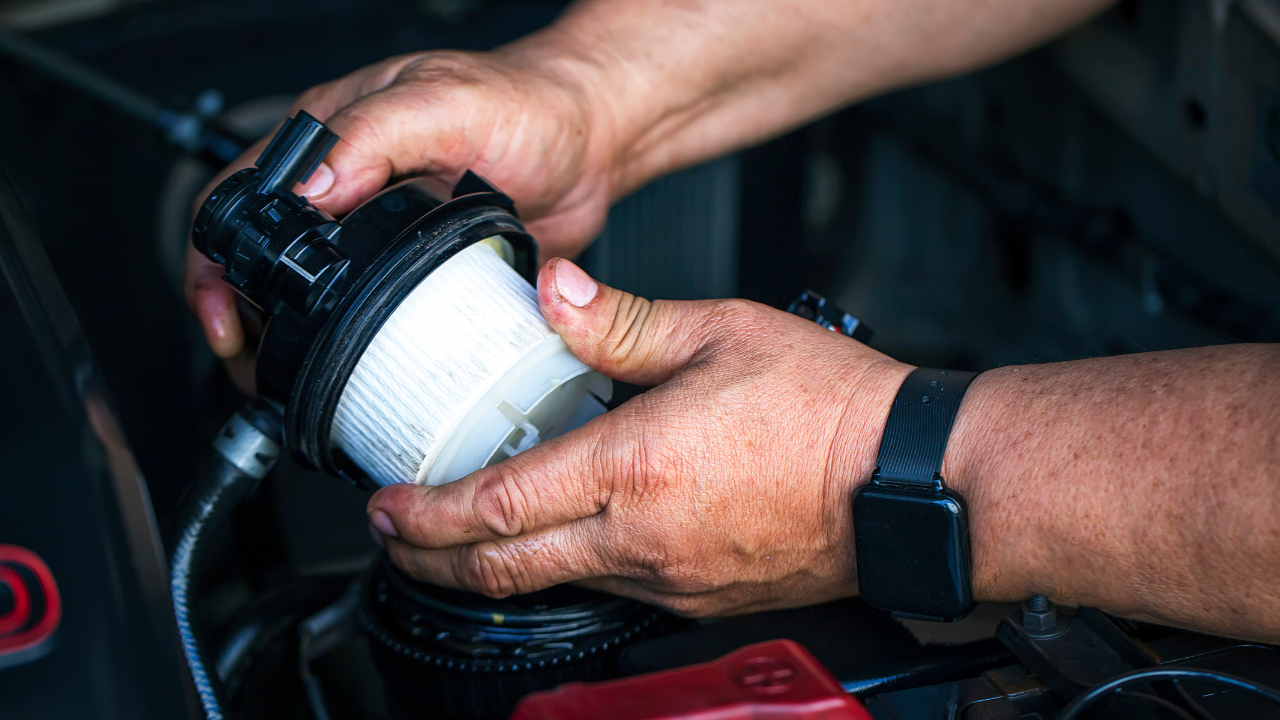
Loosen the old filter with a wrench. Turn it slowly to avoid fuel leaks. Remove it fully and dispose of it properly.
Installing New Filter
Prepare the new filter by filling it with clean diesel, if needed. Screw it in place by hand first. Tighten with a wrench but do not over-tighten.
Bleeding Air From The System
Air trapped in the fuel system can cause engine problems. Use the bleed screw or pump to remove air. Keep bleeding until fuel flows smoothly without bubbles.
Preventive Tips For Fuel System Maintenance
Maintaining the fuel system in a diesel engine helps prevent costly repairs. Regular care keeps the engine running smoothly and efficiently. Simple steps can extend the life of your fuel filter and other parts. Focus on quality fuel, routine checks, and helpful additives.
Using Quality Diesel Fuel
Good diesel fuel protects the fuel system from dirt and damage. Low-quality fuel can clog filters and harm the engine. Always choose fuel from trusted stations. Clean fuel reduces the risk of early filter changes.
Regular System Inspections
Check the fuel system often for leaks and dirt. Look at the fuel filter for signs of clogging or damage. Early detection helps avoid engine problems. Keep a schedule for inspections and stick to it.
Fuel Additives Benefits
Fuel additives improve diesel quality and clean the system. They remove water and prevent rust inside the fuel tank. Additives can keep injectors clean and improve engine performance. Use them as recommended to protect your fuel system.
Consequences Of Neglecting Fuel Filter Changes
Neglecting to change the fuel filter in a diesel vehicle causes many serious problems. The fuel filter cleans dirt and debris from the fuel. Over time, the filter clogs and stops working well. This leads to poor engine performance and more damage. Understanding the risks helps keep your diesel engine healthy and reliable.
Engine Damage Risks
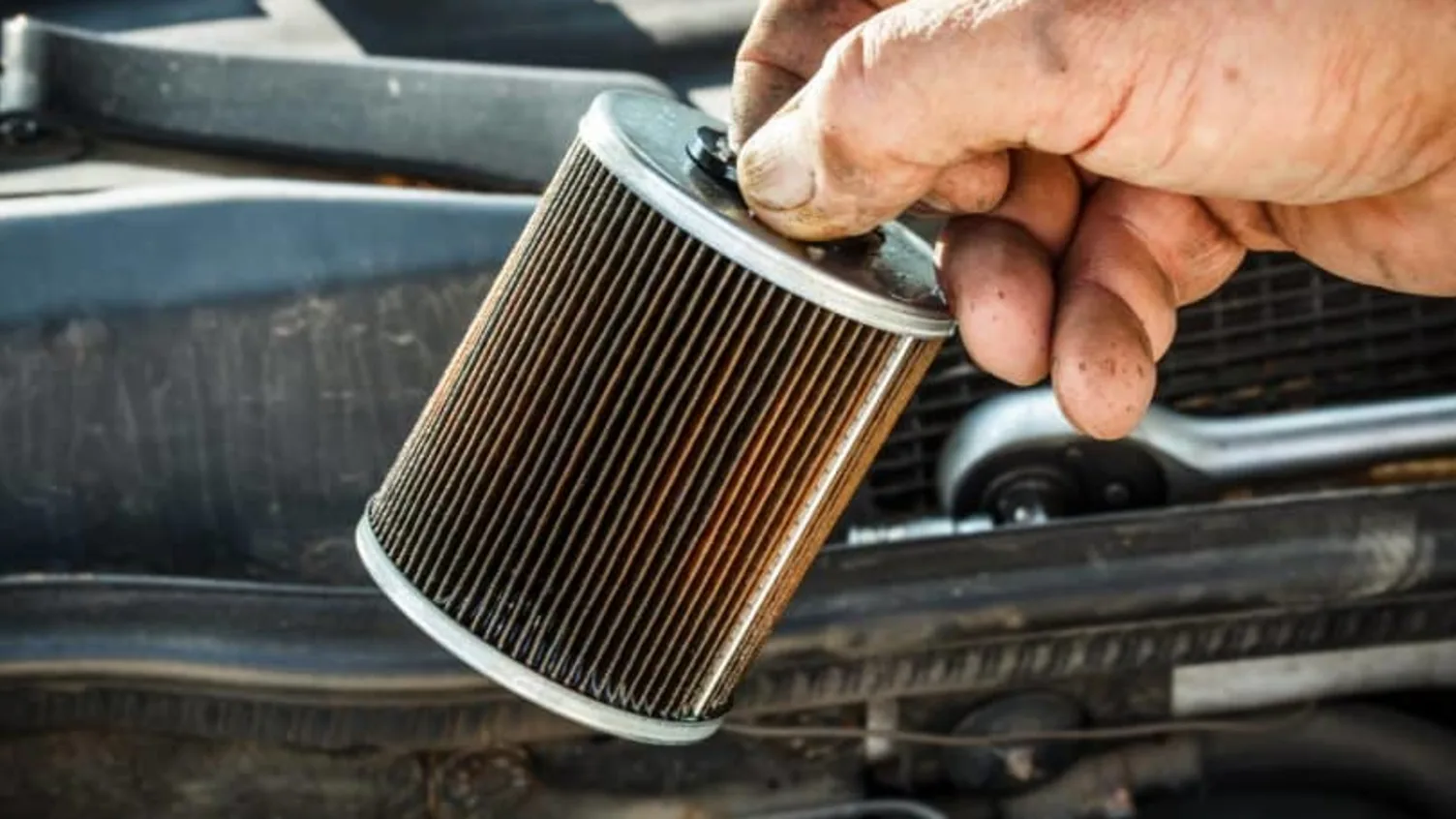
A dirty fuel filter lets dirt reach the engine. Dirt causes wear inside engine parts. Fuel injectors get blocked or damaged. The engine may stall or run roughly. Poor fuel flow reduces engine power and efficiency. Over time, damage worsens and may cause engine failure.
Increased Repair Costs
Ignoring fuel filter changes leads to bigger repairs. Damaged injectors and engine parts cost much more to fix. Small filter replacement costs prevent expensive repairs later. Repair shops charge more for engine cleaning and parts replacement. Timely filter changes save money and avoid unexpected bills.
Reduced Vehicle Lifespan
Clogged fuel filters reduce engine life. The engine works harder and hotter. Constant dirt and debris cause wear and tear. Over time, this shortens the vehicle’s usable years. Regular fuel filter maintenance keeps the engine running longer and smoother.
Credit: www.bigboxcars.com.au
Frequently Asked Questions
How Often Should I Change A Diesel Fuel Filter?
A diesel fuel filter should typically be changed every 15,000 to 25,000 miles. Check your vehicle’s manual for exact intervals. Regular replacement prevents clogging and protects the engine from contaminants.
What Happens If I Don’t Change The Fuel Filter?
Failing to change the fuel filter can cause poor engine performance, reduced fuel efficiency, and potential damage. Contaminants clog the filter, restricting fuel flow and causing engine misfires or stalling.
Can A Dirty Fuel Filter Damage My Diesel Engine?
Yes, a dirty fuel filter can cause serious engine damage. It restricts fuel flow, leading to poor combustion, overheating, and injector failure. Regular changes keep your engine running smoothly and extend its life.
How Do I Know When To Replace The Fuel Filter?
Signs include engine hesitation, reduced power, difficulty starting, and unusual noises. If your diesel engine shows these symptoms, inspect and replace the fuel filter promptly to avoid further issues.
Conclusion
Changing your diesel fuel filter regularly keeps your engine running smooth. Dirty filters block fuel flow and cause engine problems. Most experts suggest changing it every 20,000 to 30,000 miles. Check your vehicle’s manual for exact advice. Clean fuel filters improve performance and save money on repairs.
Don’t wait for signs like rough idling or loss of power. Stay ahead by replacing the filter on time. A simple change can protect your engine and boost fuel efficiency. Keep your diesel engine healthy and avoid costly fixes.


