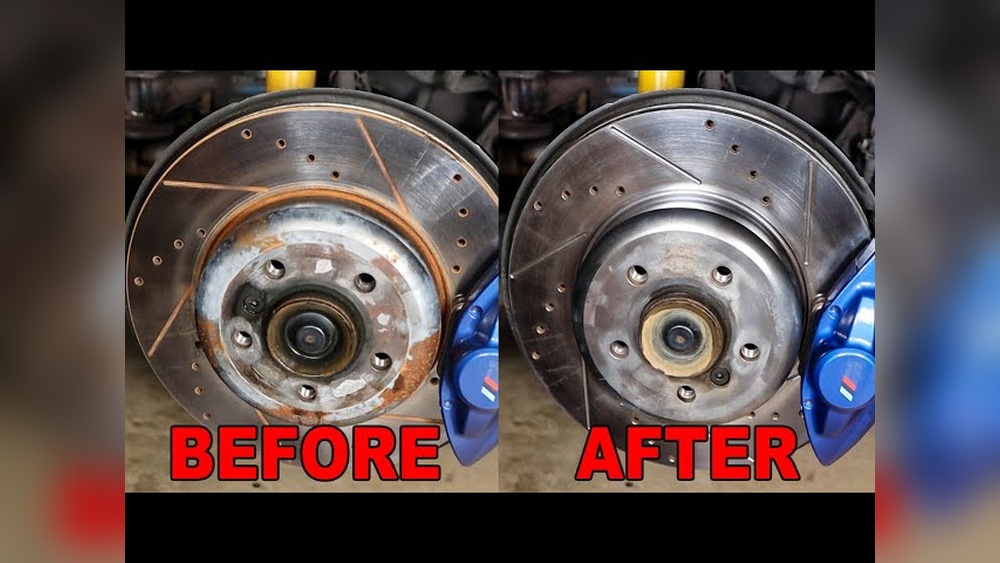
Your car’s brake rotors play a vital role in keeping you safe on the road. Over time, they can get dirty or develop rust, which affects how well your brakes work.
If you want to improve your car’s braking performance and extend the life of your rotors, learning how to clean them properly is key. You’ll discover simple, step-by-step tips to clean your brake rotors like a pro. Keep reading to make sure your brakes stay smooth and reliable every time you hit the pedal.
Tools And Materials Needed
Cleaning car brake rotors requires the right tools and materials. Having these ready makes the job easier and safer. Prepare your workspace and gather all supplies before starting.
Essential Cleaning Supplies
- Brake cleaner spray – removes dust and grease quickly
- Wire brush – scrapes off rust and dirt
- Sandpaper (medium grit) – smooths rough spots
- Clean rags or microfiber cloths – for wiping surfaces
- Plastic scraper – helps remove stubborn debris
- Bucket of water – rinsing off residue
- Compressed air or air blower – dries rotors fast
Safety Gear To Wear
- Gloves – protect hands from chemicals and sharp edges
- Safety goggles – shield eyes from dust and spray
- Dust mask – prevents inhaling brake dust
- Long sleeves – guard skin from irritants
- Closed-toe shoes – protect feet from falling tools
Preparing Your Car
Start by lifting the car safely and removing the wheels. Use a wire brush to clear rust and dirt from the brake rotors. Clean rotors help your brakes work better and last longer.
Cleaning car brake rotors starts with proper preparation. This step ensures safety and easy access to the rotors. Take time to set up your workspace and tools. A clean, stable environment makes the job smoother. Follow safety steps carefully to protect yourself and your vehicle.
Parking And Securing The Vehicle
Park your car on a flat, level surface. Avoid sloped or uneven ground. Engage the parking brake to stop the car from moving. Place wheel chocks behind the wheels. This prevents the car from rolling. Turn off the engine and remove the keys. Safety first—never work on a moving vehicle.
Removing The Wheel
Loosen the lug nuts while the car is on the ground. Use a tire iron or wrench for this task. Then, lift the car using a jack. Secure it with jack stands for stability. Remove the lug nuts completely and take off the wheel. Store the nuts safely for reinstallation. Now, you have clear access to the brake rotor.
Inspecting The Brake Rotors
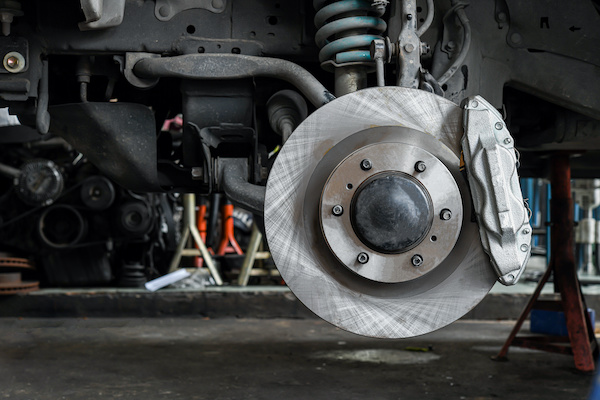
Inspecting the brake rotors is a key step before cleaning them. This helps ensure the rotors work well and last longer. Careful inspection finds problems early. It saves money and keeps driving safe.
Use a flashlight to see the rotor surface clearly. Check both sides if possible. Look for any marks or unusual signs. Take your time to spot small issues.
Checking For Damage
Look closely for cracks or deep grooves on the rotor. These damages can cause noise or vibration. Small cracks can grow and lead to rotor failure. Deep grooves reduce braking power and can wear out pads quickly.
If you find damage, the rotor may need repair or replacement. Do not ignore these signs. Driving with damaged rotors is unsafe.
Identifying Signs Of Wear
Check for uneven wear or a rough surface on the rotor. This shows the rotor is worn out. A thin rotor means it has lost material and strength. Measure the thickness if you have a tool. Compare it to the minimum thickness set by the car maker.
Signs like rust or discoloration also show wear. Worn rotors cause poor braking and noise. Replace rotors that are too worn to clean properly.
Credit: www.buybrakes.com
Cleaning Process
Cleaning car brake rotors is important for safe driving. Dirt and brake dust build up fast. Removing this grime helps rotors work well. The cleaning process is simple. It needs the right tools and steps. Follow these to clean your rotors properly.
Removing Dirt And Debris
Start by wiping off loose dirt from the rotor surface. Use a dry cloth or compressed air. This clears dust and small particles. Removing loose debris stops scratches later. Check the rotor edges for stuck bits. Remove them carefully with a plastic scraper or your fingers.
Using Brake Cleaner Effectively
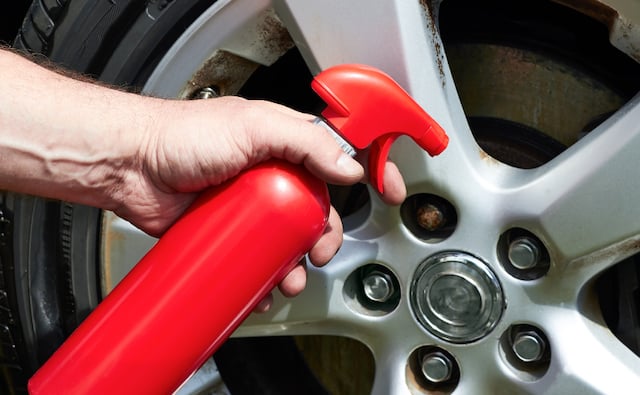
Spray brake cleaner directly on the rotor. It breaks down grease and brake dust. Let it sit for a few seconds. Avoid spraying on other parts to prevent damage. Use a clean cloth to wipe the surface. Repeat spraying and wiping until the rotor looks clean. Brake cleaner dries fast and leaves no residue.
Scrubbing With A Brush
Use a soft wire brush or a nylon brush for scrubbing. Gently scrub the rotor surface in circles. Focus on areas with stubborn grime. Avoid harsh scrubbing that can scratch the rotor. Scrubbing helps remove stuck dirt and rust. After scrubbing, wipe the rotor with a clean cloth. Check for any missed spots and clean again if needed.
Dealing With Rust And Stubborn Stains
Rust and stubborn stains on car brake rotors affect performance and safety. Cleaning them properly keeps brakes working well and extends rotor life. Simple tools and products help remove rust and tough marks. Taking time to clean rotors improves driving experience and brake response.
Applying Rust Remover
Rust removers break down rust quickly. Choose a remover made for metal surfaces. Apply it evenly on the rotor with a brush or cloth. Let it sit for the time stated on the product label. Wipe off the dissolved rust with a clean cloth. Repeat if needed until rust fades. Always wear gloves to protect your hands.
Using Sandpaper Or Abrasive Pads
Sanding removes stubborn stains and light rust layers. Use fine-grit sandpaper or soft abrasive pads. Rub the rotor surface gently in circular motions. Avoid heavy pressure to prevent damage. Clean off dust with a dry cloth after sanding. Sanding smooths the rotor and improves brake contact.

Credit: www.youtube.com
Reassembling And Testing
After cleaning the brake rotors, reassembling and testing are critical steps. These steps ensure your brakes work safely and smoothly. Taking time here protects your car and your safety.
Reattaching The Wheel
Place the wheel back onto the hub carefully. Align the holes with the wheel studs. Hand-tighten the lug nuts first to keep the wheel in place. Use a wrench to tighten the nuts in a star pattern. This method helps the wheel sit evenly. Lower the car slightly so the wheel touches the ground. Tighten the lug nuts fully with a torque wrench. Follow your car’s manual for the correct torque level.
Performing A Brake Test
Start the car and press the brake pedal gently. Feel for firmness, not sponginess or softness. Drive slowly in a safe, open area. Apply the brakes several times to check responsiveness. Listen for any unusual noises or vibrations. If the brakes feel weak or noisy, recheck your work. Always test brakes before driving on busy roads.
Maintenance Tips
Keeping your car brake rotors clean is key to safe driving. Proper maintenance helps extend rotor life and improves brake performance. Simple steps can prevent costly repairs and ensure smooth stops.
Regular Cleaning Schedule
Set a cleaning routine for your brake rotors. Check them every few months or after driving in wet or dusty conditions. Use a brush and brake cleaner to remove dirt and rust. Avoid harsh chemicals that can damage the rotors. Dry the rotors well before use to stop rust from forming quickly.
Preventing Rotor Damage
Avoid hard braking and sudden stops to reduce rotor wear. Keep brake pads in good condition to prevent rotor scratches. Replace worn pads quickly to protect the rotors. Also, avoid driving through deep water or mud, which can cause rotor corrosion. Regular inspection helps catch problems early before damage grows.
Credit: www.oswaldserviceinc.com
Frequently Asked Questions
How Often Should You Clean Car Brake Rotors?
You should clean brake rotors every 12,000 miles or during brake pad replacement. Regular cleaning prevents rust and debris buildup, ensuring better braking performance and longer rotor life.
What Tools Do I Need To Clean Brake Rotors?
You need a wire brush, brake cleaner spray, clean cloths, and protective gloves. These tools effectively remove rust, dirt, and brake dust without damaging the rotors.
Can I Use Household Cleaners On Brake Rotors?
No, household cleaners can damage brake rotors or leave harmful residues. Use only brake-specific cleaners designed to safely clean and protect rotor surfaces.
What Is The Best Method To Clean Brake Rotors?
Spray brake cleaner liberally, scrub gently with a wire brush, then wipe dry. This method removes contaminants and rust, improving rotor functionality and brake safety.
Conclusion
Cleaning car brake rotors helps keep your brakes working well. Dirt and rust can cause noise and reduce braking power. Use the right tools and follow safe steps to clean them. Regular cleaning can extend your brake parts’ life. Take time to check your rotors often.
Clean rotors make driving safer and smoother. Simple care goes a long way in vehicle maintenance. Stay safe on the road with clean and well-maintained brakes.