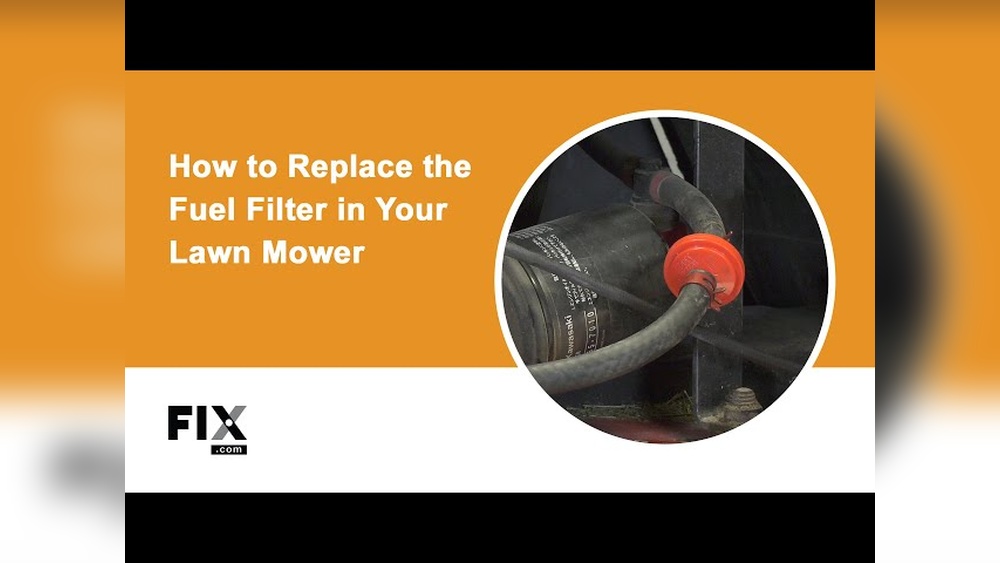
Is your car not running as smoothly as it used to? One common culprit might be your fuel filter.
A clogged or dirty fuel filter can slow down your engine, reduce fuel efficiency, and even cause your car to stall. But don’t worry—you can fix this yourself. You’ll learn exactly how to clean your car’s fuel filter step by step.
By the end, you’ll know how to keep your engine running strong and save money on costly repairs. Keep reading, because your car’s performance depends on it!
Role Of A Fuel Filter
The fuel filter plays a very important role in a car’s fuel system. It cleans the fuel before it reaches the engine. Dirt, rust, and other particles can get into the fuel tank. These impurities can damage the engine if they are not filtered out.
The fuel filter helps keep the engine safe and running smoothly. It makes sure only clean fuel goes into the engine. This helps the car perform better and last longer.
Purpose In Fuel System
The fuel filter stops dirt and debris from entering the engine. It acts like a barrier. The filter traps small particles in the fuel. Clean fuel helps the engine burn fuel efficiently. This improves the car’s power and saves fuel.
Without a fuel filter, the engine parts can get clogged or damaged. This can cause the engine to run poorly or even break down. The fuel filter protects the engine and improves its life.
Signs Of A Clogged Filter
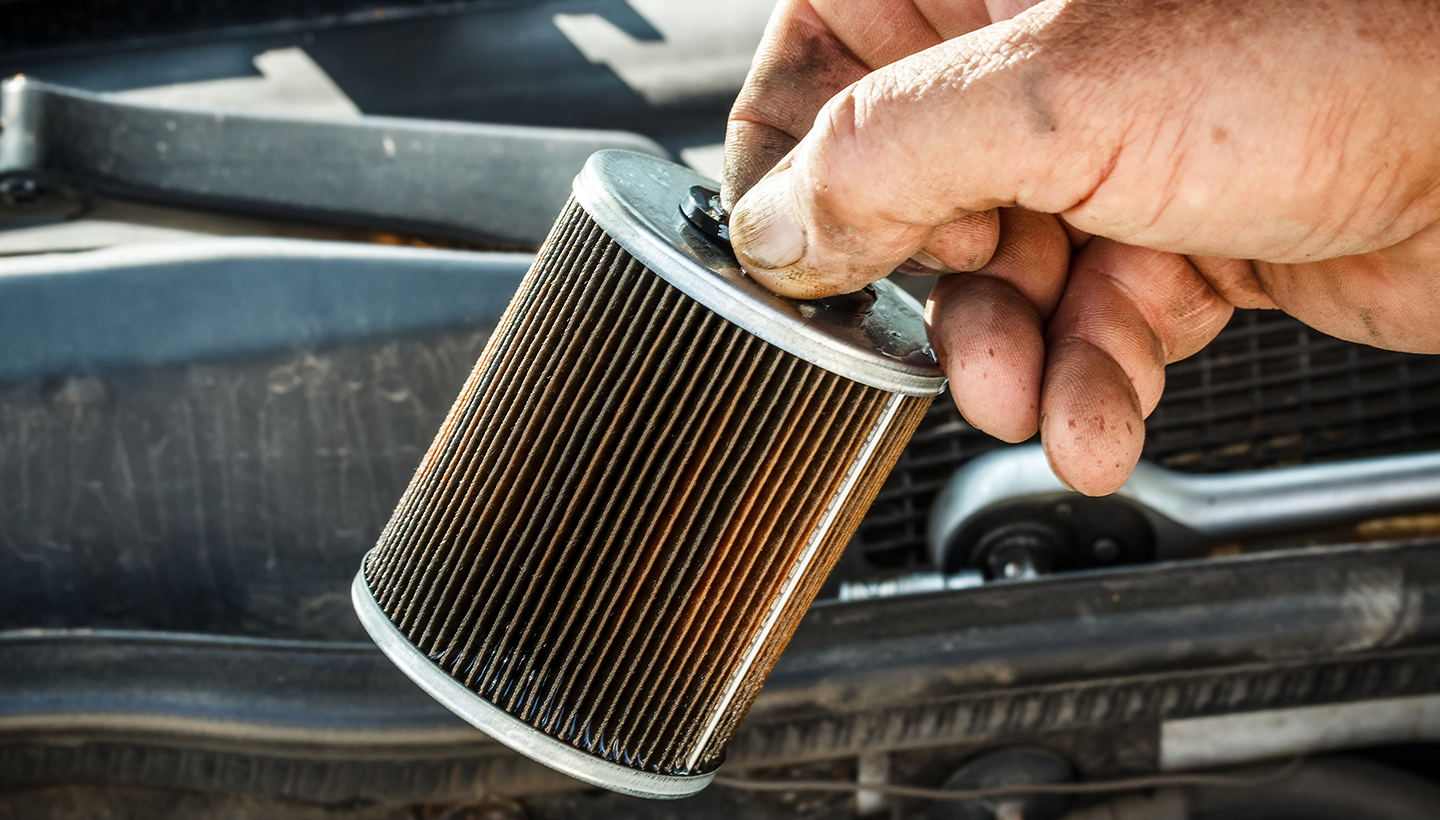
A clogged fuel filter causes many problems. The engine may start to lose power. The car might struggle to accelerate. Sometimes, the engine may stall or hesitate.
Other signs include rough idling and difficulty starting the car. Fuel efficiency may drop. The car may use more fuel than usual. These signs mean the fuel filter needs cleaning or replacement.
Credit: wuling.id
Tools And Materials Needed
Cleaning a car fuel filter requires specific tools and materials. Having these ready makes the job easier and safer. This section lists what you need for a smooth process.
Essential Tools
- Wrench set to remove fuel filter bolts
- Screwdrivers for clamps and covers
- Container to catch fuel spills
- New fuel filter for replacement
- Fuel line disconnect tool (if needed)
- Rags or paper towels for cleanup
- Flashlight to see in tight spaces
Safety Gear
- Protective gloves to avoid fuel contact
- Safety glasses to protect eyes
- Mask to avoid inhaling fumes
- Work clothes that cover skin
- Fire extinguisher nearby for emergencies
Preparing Your Vehicle
Preparing your vehicle is the first step before cleaning the fuel filter. This step makes the process safer and easier. Taking time to prepare helps avoid accidents and damage. Follow these key actions to get your car ready.
Park And Secure
Park your car on a flat surface. Engage the parking brake. Turn off the engine completely. Remove the keys from the ignition. This stops the vehicle from moving. Make sure the car is stable before you start working.
Relieve Fuel System Pressure
Fuel systems hold pressure even when the engine is off. Releasing this pressure prevents fuel spray and injuries. Locate the fuel pump fuse or relay in the fuse box. Remove the fuse or relay to disable the fuel pump. Start the engine and let it run until it stops. This uses up the fuel in the lines. Turn off the ignition and replace the fuse or relay. Now, the fuel system pressure is relieved safely.
Locating The Fuel Filter
Finding the fuel filter is the first step in cleaning it. The fuel filter stops dirt and rust from entering the engine. It keeps the fuel clean and the engine running well. Knowing where the fuel filter sits helps you clean or replace it easily.
Common Locations
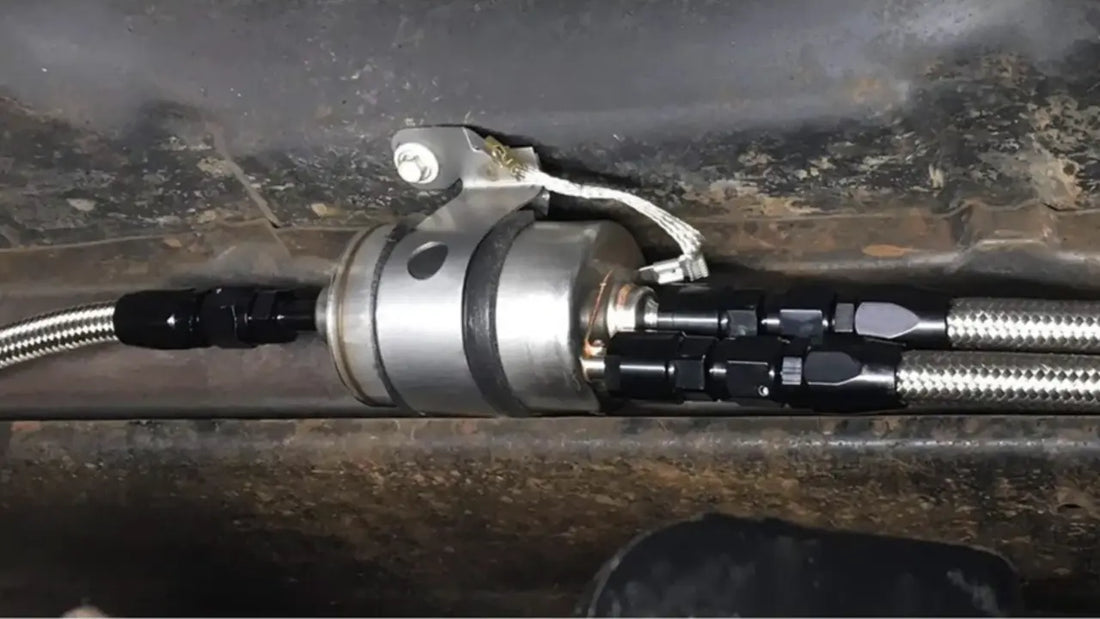
Fuel filters often sit near the fuel tank or along the fuel line. Some are under the car, close to the fuel pump. Others may be in the engine bay, near the firewall. Some vehicles have the filter inside the fuel tank. The shape and size can change depending on the car model.
Consulting The Manual
The car manual gives exact details about the fuel filter location. It shows pictures and diagrams for clear guidance. The manual also explains how to access it safely. Checking the manual saves time and avoids mistakes. It is the best source for specific car information.
Removing The Fuel Filter
Removing the fuel filter is a key step in cleaning it properly. This part stops dirt and rust from reaching your engine. Over time, the filter clogs, making your car slow or hard to start. Removing it carefully helps avoid damage and fuel leaks.
Disconnecting Fuel Lines
Start by locating the fuel filter under the car or near the engine. Use gloves for safety. Loosen the clamps or connectors holding the fuel lines. Pull the lines gently to avoid breaking them. Keep a rag nearby to catch any fuel drips. Work slowly to prevent fuel spray.
Handling Fuel Spills
Fuel spills can be dangerous and smelly. Place a container or cloth below the filter to catch spills. Wipe any spilled fuel immediately with a clean rag. Avoid open flames or sparks near the work area. Properly dispose of fuel-soaked rags to prevent fire risks. Clean hands and tools after handling fuel.
Cleaning The Fuel Filter
Cleaning the fuel filter is essential to keep your car running smoothly. Dirt and debris can block the filter. This reduces fuel flow and engine performance. Regular cleaning helps avoid costly repairs and improves fuel efficiency. The process is simple and can be done at home with basic tools.
Using Cleaning Solutions
Start by removing the fuel filter from the car. Use a container to catch any fuel spills. Soak the filter in a cleaning solution made for fuel filters. This solution breaks down dirt and grime inside the filter. Let it soak for about 30 minutes. Gently shake the filter in the solution to loosen particles. Avoid using harsh chemicals that can damage the filter.
Drying Techniques
After cleaning, rinse the filter with clean water to remove the solution. Shake off excess water carefully. Use compressed air to blow dry the filter from the inside out. This helps remove all moisture and debris. Let the filter dry completely before reinstalling it. A dry filter prevents fuel contamination and engine problems.
Reinstalling The Fuel Filter
Reinstalling the fuel filter is an important step after cleaning. It ensures your car runs smoothly and safely. Take care to place the filter back exactly as it was. A wrong fit can cause leaks or poor engine performance. Follow these steps to reinstall the fuel filter properly.
Proper Alignment
Check the direction mark on the fuel filter. It usually has an arrow showing fuel flow direction. Align the filter so the arrow points toward the engine. The filter must fit snugly in its bracket. Avoid forcing the filter into place. Gentle pressure is enough to seat it correctly.
Securing Connections
Attach the fuel lines firmly to the filter. Make sure each connection clicks or locks in place. Loose connections can cause fuel leaks and engine problems. Use new clamps if the old ones look worn. Tighten clamps enough to hold but not crush the fuel lines.
Testing After Cleaning
Testing after cleaning the car fuel filter is crucial. It ensures the filter works well and the engine runs smoothly. This step helps spot any problems early before they cause bigger issues. Follow these simple tests to check your work and keep the car safe to drive.
Starting The Engine
Turn on the car engine carefully. Listen to how it sounds. A clean fuel filter lets the engine start quickly and run steadily. If the engine struggles or makes odd noises, the filter may still have dirt. Try starting the engine a few times to be sure.
Checking For Leaks
Look under the car near the fuel filter. Check for any fuel drops or wet spots. Leaks mean the filter or connections are not tight. Tighten the fittings carefully if you see leaks. Do not ignore even small fuel leaks. They can be dangerous and waste fuel.
When To Replace Instead
Knowing when to replace your car’s fuel filter is key for good engine health. Cleaning helps, but some problems need a full replacement. This section guides you on recognizing signs that cleaning won’t fix and how to choose a new filter.
Signs Cleaning Isn’t Enough
Fuel filters get very dirty over time. Some signs mean cleaning won’t solve the issue. The engine may hesitate or stall during driving. You might notice a drop in fuel efficiency. Strange noises from the fuel pump can also appear. If the car struggles to start or loses power, the filter likely needs replacing. Regular cleaning won’t help if these symptoms persist. Replace the filter to avoid damage to the fuel system.
Choosing A New Filter
Select the right fuel filter for your car model. Check the owner’s manual for specifications. Filters come in different sizes and types. Choose one that matches the fuel system type: gasoline or diesel. Look for quality brands with good reviews. Avoid very cheap filters; they may fail early. Proper installation is crucial for filter performance. Replace the filter regularly as part of car maintenance. This keeps fuel flowing cleanly and engine running smoothly.
Credit: www.ievilenergy.com
Maintenance Tips
Maintaining your car’s fuel filter is key to keeping the engine healthy. Regular care helps avoid clogs and poor performance. Simple steps can extend the filter’s life and protect your vehicle.
Follow these tips to keep the fuel filter clean and working well. This saves money on repairs and keeps your car running smoothly.
Regular Inspection
Check the fuel filter every 10,000 miles or as your car manual says. Look for dirt or damage on the filter. Replace it if it looks clogged or worn out. Early checks prevent bigger problems later.
Keep an eye on engine performance too. If you notice rough idling or slow acceleration, the filter might be dirty. Inspecting often helps catch these signs early.
Fuel Quality Matters
Use clean, high-quality fuel to protect the filter. Poor fuel can carry dirt and water that block the filter. Avoid filling up at low-reputation stations.
Consider using fuel additives to keep fuel lines clean. Good fuel quality reduces the load on the fuel filter. This keeps your engine running better for longer.
Credit: www.howacarworks.com
Frequently Asked Questions
How Often Should I Clean My Car Fuel Filter?
You should clean your car fuel filter every 20,000 to 30,000 miles. Regular cleaning prevents clogging and ensures smooth fuel flow. Check your vehicle’s manual for specific intervals based on your car model and driving conditions.
What Tools Are Needed To Clean A Fuel Filter?
To clean a fuel filter, you need basic tools like wrenches, screwdrivers, and a container to catch fuel. Safety gloves and eye protection are also essential. Some filters require specific tools, so check your car’s manual before starting.
Can I Clean A Fuel Filter Myself Safely?
Yes, you can clean a fuel filter yourself if you follow safety precautions. Work in a well-ventilated area, avoid sparks, and wear protective gear. If unsure, seek professional help to prevent damage or injury.
How Do I Know If My Fuel Filter Is Dirty?
Signs of a dirty fuel filter include engine misfires, poor acceleration, and difficulty starting. You may also notice decreased fuel efficiency. Regular inspection helps catch issues early to maintain optimal engine performance.
Conclusion
Cleaning your car’s fuel filter keeps your engine running smooth. Dirt and debris can block fuel flow and cause problems. Regular cleaning helps avoid costly repairs later. Take your time and follow the steps carefully. A clean fuel filter improves fuel efficiency and car performance.
Don’t wait until you notice issues; maintain your car often. Small efforts lead to a longer-lasting engine and better driving experience. Simple care makes a big difference in your vehicle’s health.