

If you’ve ever faced a stuck diesel fuel filter, you know how frustrating it can be. It can slow you down, waste your time, and leave you wondering how to get it off without causing damage.
But don’t worry—you’re not alone, and there’s a way to handle this problem effectively. You’ll discover simple, practical steps to remove that stubborn filter safely and quickly. Keep reading, because by the end, you’ll have the confidence and know-how to tackle this common diesel maintenance challenge like a pro.

Credit: www.reddit.com
Signs Of A Stuck Diesel Fuel Filter
A stuck diesel fuel filter can cause serious problems in your vehicle. It blocks the flow of fuel and affects the engine’s health. Recognizing the signs early helps prevent costly repairs. Watch for changes in how your engine runs and other clear symptoms.
Common Symptoms
The engine may struggle to start or fail to start at all. You might hear sputtering or unusual noises. The vehicle could stall suddenly during use. Fuel smells might become stronger around the engine. Dark smoke from the exhaust is another sign. These signs often mean the fuel filter is clogged or stuck.
Impact On Engine Performance
Engine power drops noticeably when fuel cannot flow freely. Acceleration becomes slow and weak. The engine may run rough or misfire. Fuel efficiency decreases, causing more frequent refueling. Over time, the engine can overheat or suffer damage. These issues reduce your vehicle’s reliability and safety.

Credit: www.youtube.com
Tools Needed For Removal
Removing a stuck diesel fuel filter requires the right tools. Having these tools ready makes the job easier and safer. The tools help you avoid damage to the filter or your vehicle.
Essential Hand Tools
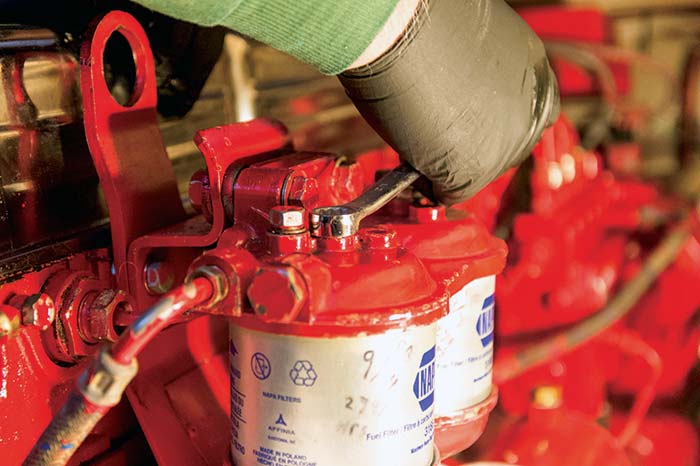
Start with a good set of wrenches. A fuel filter wrench or a strap wrench works best to grip the filter. Use pliers to help loosen tight clamps. Screwdrivers are useful to remove hose clamps. A clean rag helps wipe away any spilled fuel. Have a container ready to catch fuel drips. These tools ensure a smooth removal process.
Safety Gear
Wear gloves to protect your hands from fuel and sharp parts. Safety glasses shield your eyes from splashes. Work in a well-ventilated area to avoid inhaling fumes. Keep a fire extinguisher nearby for emergencies. Proper safety gear reduces risks during the removal task.
Preparation Before Removal
Proper preparation makes removing a stuck diesel fuel filter easier and safer. Taking careful steps before starting protects you and your vehicle. It also helps avoid fuel spills and electrical problems.
Two key tasks come first: draining the fuel system and disconnecting the battery. These steps reduce pressure and prevent sparks. Follow each step slowly and carefully.
Draining Fuel System
Start by draining the fuel system to lower pressure. Open the drain valve or remove the fuel line at the lowest point. Use a container to catch the fuel. This prevents spills and reduces fire risk. Wear gloves and eye protection for safety. Let the fuel drain completely before moving on.
Disconnecting Battery
Next, disconnect the vehicle’s battery. This stops electrical current from flowing. Locate the negative terminal first. Use a wrench to loosen the nut and remove the cable. Do not let the cable touch metal parts. This reduces the chance of sparks near fuel. Keep the cable away until the job is done.
Methods To Loosen The Filter
Removing a stuck diesel fuel filter can be tough. The filter often gets tight due to dirt, rust, or over-tightening. Using the right methods can help you loosen it without breaking anything. Here are some simple ways to try.
Using A Strap Wrench
A strap wrench works well for stuck filters. Wrap the strap tightly around the filter. Turn the wrench slowly counterclockwise. The strap grips the filter firmly without damage. This tool gives good leverage. It helps you avoid slipping or scratching the filter.
Applying Penetrating Oil
Penetrating oil can loosen rust and dirt. Spray or drip it around the filter’s base. Let it sit for 10 to 15 minutes. The oil seeps into tight spaces and breaks down corrosion. Try turning the filter again after waiting. Repeat if needed, but don’t rush. Patience helps the oil work better.
Tapping Techniques
Tapping the filter can break the seal inside. Use a small hammer or a rubber mallet. Tap gently around the filter’s edge. Avoid heavy hits to prevent damage. The vibrations help loosen dirt and rust. After tapping, try twisting the filter carefully. This method works well with oil or penetrating spray.
Removing The Filter Safely
Removing a stuck diesel fuel filter requires care and attention. Safety is the top priority during this task. Taking the right steps prevents accidents and keeps the work area clean. Follow simple safety tips to avoid damage or injury.
Avoiding Fuel Spills
Fuel spills create hazards and waste valuable diesel. Place a container under the filter to catch any leaking fuel. Use rags or absorbent pads around the filter to soak small drips. Turn off the engine and release pressure in the fuel system before removal. Work slowly to control fuel flow and avoid splashing. Clean up spills immediately with proper materials.
Handling Filter Disposal
Used fuel filters contain harmful substances. Do not throw them in regular trash. Place the old filter in a sealed plastic bag or container. Check local rules for disposing automotive parts safely. Take the filter to a recycling center or hazardous waste facility. Proper disposal protects the environment and meets legal requirements.
Installing A New Fuel Filter
Installing a new diesel fuel filter is an important step after removing the old one. It helps protect your engine from dirt and debris in the fuel. A clean filter keeps your engine running smoothly and extends its life.
Choosing the right replacement and following the correct installation steps ensures the new filter works well. This section explains how to pick the right filter and install it safely.
Choosing The Right Replacement
Select a fuel filter that matches your diesel engine model. Check the vehicle manual or ask at an auto parts store. Using the wrong filter can cause fuel leaks or engine damage.
Look for filters with good reviews and proper seals. Quality matters for fuel filters. Avoid cheap or generic brands that may fail quickly.
Proper Installation Steps
Start by cleaning the filter area. Remove any dirt or old fuel residue. This prevents contamination of the new filter.
Install the new filter in the correct direction. Most filters have an arrow showing fuel flow. Make sure it points the right way.
Tighten the filter by hand until snug. Do not use a wrench to overtighten. Over-tightening can damage the filter or housing.
After installation, prime the fuel system if needed. This removes air and helps the engine start easily. Check for leaks before driving.
Post-removal Checks
After removing a stuck diesel fuel filter, some important checks must follow. These steps ensure the fuel system works well and the engine runs smoothly. Neglecting these checks can cause performance problems or damage.
Start with clearing air from the fuel system. Then test the engine to confirm proper start-up. Both steps are quick but crucial for safe vehicle use.
Bleeding The Fuel System
Air often enters the fuel lines during filter removal. This air can stop fuel flow and cause the engine to stall. Use the fuel pump or bleed screws to remove trapped air. Watch for steady fuel flow with no bubbles. Repeat the process until all air is out. This step restores proper fuel pressure and engine function.
Testing Engine Start-up
After bleeding, try to start the engine. It may take a few tries for fuel to reach the engine. Listen for smooth running without sputtering or hesitation. If the engine struggles or stalls, recheck for air or leaks. Confirm the fuel filter is tight and sealed. Successful start-up means the system is ready for normal use.
Credit: vesselvanguard.com
Tips To Prevent Future Stuck Filters
Preventing stuck diesel fuel filters saves time and money. It keeps your engine running smoothly. Taking simple steps can avoid tough filter removal tasks. Focus on regular care and using the right parts.
Regular Maintenance Schedule
Check your fuel filter often. Follow the manufacturer’s guide for replacement times. Clean or change filters before they clog. Keep records of each service date. Early care stops dirt buildup. It reduces filter damage and engine problems.
Using Quality Fuel And Filters
Choose clean, high-grade diesel fuel. Poor fuel often contains dirt or water. These cause filter blockages and damage. Buy filters from trusted brands. Cheap filters may not fit well or last long. Good parts ensure better fuel flow and fewer stuck filters.
Frequently Asked Questions
How Do I Safely Remove A Stuck Diesel Fuel Filter?
First, relieve fuel system pressure. Use a strap wrench or filter pliers for grip. Apply penetrating oil if stuck. Avoid excessive force to prevent damage. Wear gloves and eye protection for safety.
What Tools Are Needed To Remove A Stuck Fuel Filter?
You need a strap wrench, filter pliers, penetrating oil, gloves, and eye protection. These tools help loosen the filter without damage. Proper tools ensure a safe and efficient removal process.
Why Does A Diesel Fuel Filter Get Stuck?
Filters get stuck due to dirt buildup, rust, or over-tightening during installation. Heat and vibration can also cause filters to seize. Regular maintenance prevents filters from becoming difficult to remove.
Can I Use Heat To Loosen A Stuck Fuel Filter?
Yes, applying gentle heat can expand metal parts and loosen the filter. Use a heat gun carefully to avoid damaging plastic components. Heat should be applied evenly and cautiously for best results.
Conclusion
Removing a stuck diesel fuel filter is easier with the right steps. Use proper tools and apply steady force to avoid damage. Patience helps prevent frustration and mistakes. Always follow safety guidelines to protect yourself and your vehicle. Regular maintenance can stop filters from getting stuck again.
Keep practicing these tips for smoother repairs next time. Simple care saves time and money in the long run.


