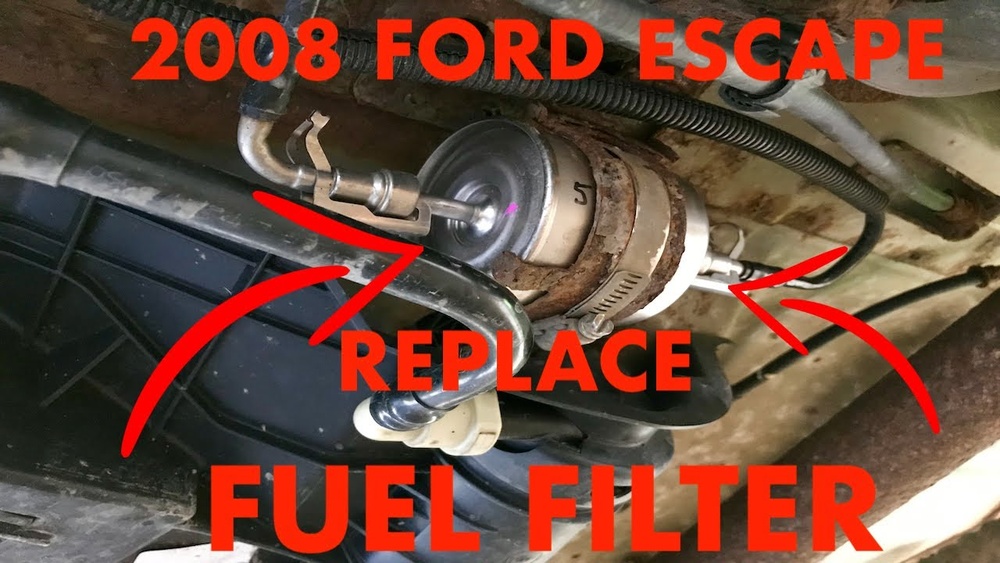
Is your scooter acting up or losing power unexpectedly? One common culprit could be a dirty fuel filter.
Knowing how to clean your scooter’s fuel filter can save you time, money, and frustration. You’ll discover simple, step-by-step instructions to keep your scooter running smoothly. By the end, you’ll feel confident tackling this task yourself—no mechanic needed. Ready to give your scooter the care it deserves?
Let’s dive in.
Signs Of A Dirty Fuel Filter
A scooter’s fuel filter keeps dirt and debris out of the engine. Over time, the filter collects particles that block fuel flow. A dirty fuel filter can cause several problems. It is important to spot the signs early to avoid engine damage. Here are common signs that show your scooter’s fuel filter needs cleaning.
Reduced Engine Power
Your scooter may slow down or feel weak. The engine struggles to get enough fuel. This leads to less power during rides. You might notice difficulty climbing hills or quick stops in speed.
Frequent Stalling
The engine may stop suddenly while running. This happens because fuel flow is interrupted. Stalling becomes more common, especially at low speeds or idle. It can make rides unsafe and frustrating.
Poor Fuel Efficiency
You might use more fuel than usual. A clogged filter causes the engine to work harder. This wastes fuel and reduces miles per gallon. Watching your fuel usage can help spot this issue early.
Tools And Materials Needed
Cleaning a scooter fuel filter requires some basic tools and materials. Having the right items makes the job easier and safer. Prepare everything before starting to avoid interruptions. This section lists the essential tools and materials needed for this task.
Basic Hand Tools
You will need a few simple hand tools. A screwdriver helps remove screws holding the filter. Pliers assist in loosening clamps and hoses. A small wrench may be necessary to detach the filter from the fuel line. Keep these tools close for smooth work.
Cleaning Solutions
Use a safe cleaning solution to wash the fuel filter. A mixture of warm water and mild detergent works well. Some prefer using carburetor cleaner for tougher dirt. Avoid harsh chemicals that can damage the filter. Rinse thoroughly to remove all residue.
Safety Gear
Protect yourself during the cleaning process. Wear gloves to avoid contact with fuel and dirt. Safety goggles shield your eyes from splashes. Work in a well-ventilated area to prevent inhaling fumes. Safety gear keeps you safe and comfortable.
Locating The Fuel Filter
Finding the fuel filter on your scooter is the first step in cleaning it. The filter stops dirt and debris from reaching the engine. Knowing where it sits saves time and effort during maintenance.
Fuel filters vary by scooter brand and model. Some are easy to spot, while others hide in less obvious places. Learning common positions helps you find it quickly.
Common Filter Positions
Most scooters place the fuel filter along the fuel line. It often appears as a small, clear or colored plastic cylinder. Look near the fuel tank or close to the carburetor. Sometimes, the filter is inside the fuel tank or under the seat. Check the fuel hose running from the tank to the engine. The filter usually sits in the middle of this hose.
Consulting The Manual
The scooter manual provides exact information about the fuel filter location. It has diagrams and step-by-step instructions. Manuals help avoid guesswork and prevent damage. If you do not have a physical copy, many brands offer digital versions online. This guide is the most reliable source for your scooter’s parts.

Credit: www.wikihow.com
Removing The Fuel Filter
Removing the fuel filter is a key step in cleaning your scooter’s fuel system. This process helps keep the engine running smoothly. Taking out the filter carefully prevents damage to fuel lines and other parts.
Follow these simple steps to remove the fuel filter safely and easily.
Preparing The Scooter
Start by turning off the scooter’s engine. Let it cool down for a few minutes. This prevents burns from hot parts.
Next, place the scooter on a flat surface. Use the center stand if available. This keeps the scooter steady while you work.
Gather basic tools like pliers and a small container. The container will catch any fuel that leaks during removal.
Detaching Fuel Lines Safely
Locate the fuel filter between the fuel tank and engine. It is connected by two small fuel lines.
Use pliers to gently squeeze the clamps holding the fuel lines. Slide the clamps back away from the filter.
Slowly pull the fuel lines off the filter ends. Fuel may drip, so keep your container nearby.
Handle the fuel lines carefully to avoid cracks or breaks. Damaged lines can cause leaks and engine problems.
Cleaning The Fuel Filter
Cleaning the fuel filter is an important step to keep your scooter running smoothly. Dirt and debris can block the filter, causing fuel flow problems. Regular cleaning helps avoid engine trouble and saves money on repairs. It only takes a few simple steps to clean the filter properly.
Using Appropriate Cleaning Agents
Choose a cleaning agent that is safe for fuel filters. Use a mild solvent or specialized fuel filter cleaner. Avoid harsh chemicals that can damage the filter material. Soak the filter in the cleaner for a few minutes. Gently shake or tap the filter to loosen dirt inside. Rinse the filter with clean fuel or water depending on the type of cleaner used.
Drying And Inspecting The Filter
After cleaning, let the filter dry completely. Use compressed air to blow out any leftover moisture. Check the filter for holes or damage. Replace the filter if it looks worn or torn. A clean and intact filter ensures good fuel flow and engine health. Never use a wet or damaged filter in your scooter.

Credit: www.ebay.com
Reinstalling The Fuel Filter
Reinstalling the fuel filter is a key step after cleaning. It ensures your scooter runs smoothly and avoids fuel leaks. Take your time to place the filter back correctly. A wrong fit can cause problems later. Follow these steps carefully for a secure installation.
Proper Alignment And Fitting
Start by checking the fuel filter’s direction. Most filters have an arrow showing fuel flow. Align the arrow with the fuel flow direction in the scooter’s system. Make sure the filter sits flat and snug in its place. Avoid forcing the filter; it should fit easily. A tight fit prevents air from entering the fuel line.
Securing Fuel Lines
Attach the fuel lines firmly to both ends of the filter. Slide the hoses fully over the filter’s connectors. Use clamps or clips to hold the lines in place. Check the clamps are tight but not too tight to damage the hose. Secure fuel lines avoid leaks and maintain steady fuel flow.
Testing Scooter Performance
Testing your scooter’s performance after cleaning the fuel filter is important. It helps you confirm the fuel system works well. This step ensures smooth running and avoids future problems. Follow these simple checks for best results.
Starting The Engine
Turn the key and start the scooter. The engine should start quickly without hesitation. A clean fuel filter allows fuel to reach the engine easily. If the engine struggles to start, the filter might still be dirty.
Checking For Leaks
Look closely around the fuel filter and fuel lines. Any wet spots or strong fuel smell means a leak. Leaks can cause poor performance and safety issues. Fix leaks immediately before riding your scooter.
Monitoring Fuel Flow
Watch the fuel flow through the filter. Fuel should move smoothly without stops or bubbles. Uneven flow can mean a clogged or damaged filter. Proper fuel flow keeps the engine running steady and strong.
Maintenance Tips For Fuel Filters
Keeping your scooter’s fuel filter clean is key to smooth rides. Dirt and debris can block fuel flow. This causes poor engine performance and can damage your scooter.
Simple maintenance helps extend the life of the fuel filter. It also protects the engine from harmful particles. Follow these tips to keep your scooter running well.
Regular Cleaning Schedule
Clean the fuel filter every 3,000 to 5,000 miles. Check the owner’s manual for specific advice. Clean it more often if you ride in dusty areas. Use clean tools and fresh fuel when working. A clean filter lets fuel flow freely and keeps dirt out.
When To Replace The Filter
Replace the fuel filter if you notice reduced engine power. Also change it if the scooter stalls or runs roughly. Look for cracks or damage on the filter. A clogged or damaged filter harms engine parts. Changing the filter ensures better fuel flow and engine health.

Credit: www.youtube.com
Frequently Asked Questions
How Often Should I Clean My Scooter Fuel Filter?
Clean the scooter fuel filter every 6 months or 3,000 miles. Regular cleaning prevents fuel blockages. It ensures smooth engine performance and prolongs fuel system life.
What Tools Do I Need To Clean A Fuel Filter?
You need basic tools like screwdrivers, pliers, a clean cloth, and a container. These help remove, clean, and reinstall the fuel filter efficiently and safely.
Can I Clean The Fuel Filter Without Removing It?
No, it’s best to remove the fuel filter for thorough cleaning. Cleaning while attached may leave dirt inside and cause blockages. Removal ensures complete dirt removal.
What Cleaning Solution Is Safe For Scooter Fuel Filters?
Use clean gasoline or a mild detergent mixed with water. Avoid harsh chemicals that damage the filter material. Always rinse well and dry before reinstalling.
Conclusion
Cleaning your scooter’s fuel filter keeps the engine running well. Dirt and debris can block fuel flow and cause problems. Regular cleaning helps avoid breakdowns and saves money on repairs. Use simple tools and follow steps carefully for best results.
Take time to check the filter often, especially if you ride a lot. A clean fuel filter means better scooter performance and longer engine life. Easy to do, worth the effort. Keep your scooter healthy and enjoy smooth rides every time.