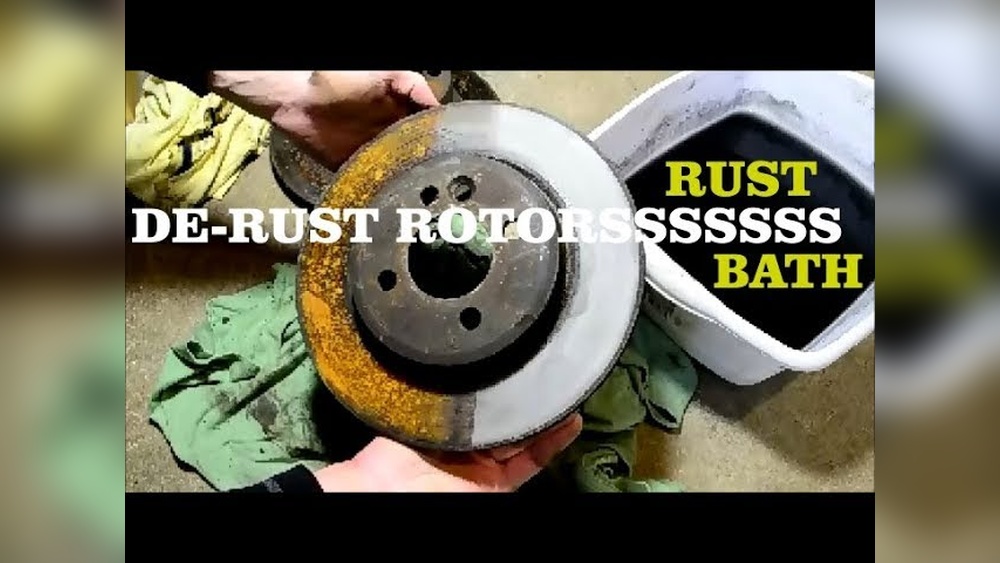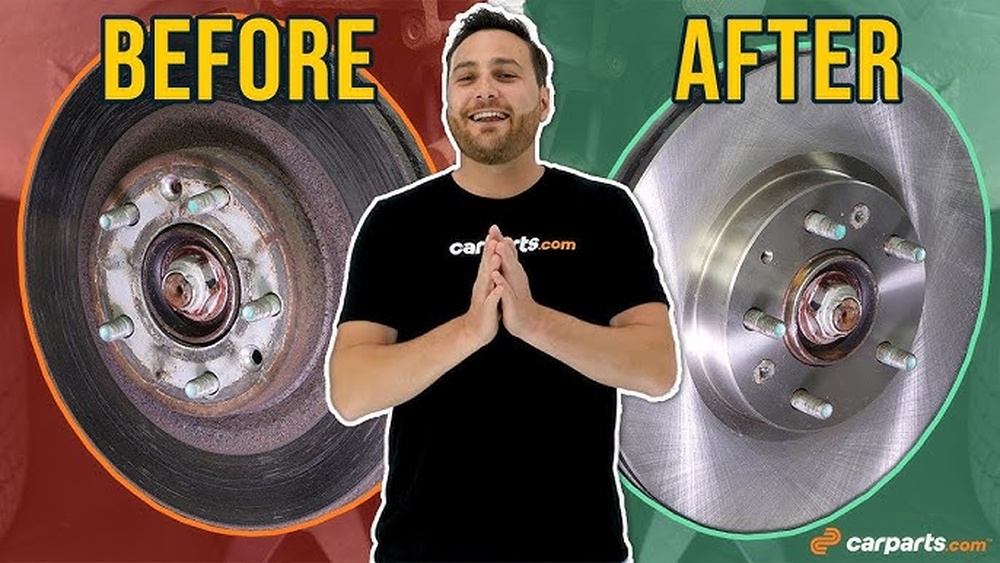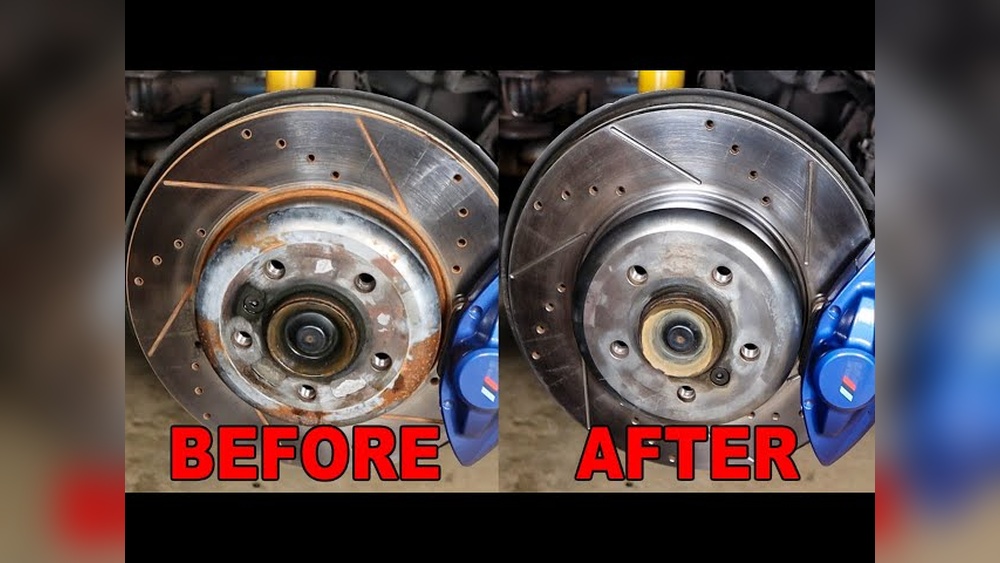
If you’ve noticed squeaky brakes or a rough ride, your brake rotors might need cleaning. Keeping your rotors clean is key to smooth braking and your safety on the road.
But how do you clean them properly without causing damage? You’ll discover simple, step-by-step tips to get your brake rotors spotless and working like new again. Ready to save money and improve your car’s performance? Let’s dive in and make your brakes feel brand new.

Credit: knowhow.napaonline.com
Signs Of Dirty Brake Rotors
Dirty brake rotors affect your car’s safety and driving comfort. Recognizing signs early helps you fix problems fast. Brake rotors collect dirt, rust, and brake dust over time. These build-ups cause issues you can feel and hear. Pay attention to noises, vibrations, and how your brakes respond. A simple visual check also reveals rotor condition. Spotting these signs keeps your brakes working well and safe.
Noise And Vibration
Dirty rotors often cause unusual sounds. You may hear squeaking, squealing, or grinding noises. These noises come from dirt or rust on the rotor surface. Vibrations while braking also signal dirty rotors. The brake pedal might shake or feel rough. These signs mean the rotor surface is uneven or contaminated. Cleaning or replacing rotors can stop these problems.
Reduced Braking Performance
Dirty rotors reduce how well your brakes work. Your car may take longer to stop. The brake pedal may feel soft or less responsive. This happens because dirt stops pads from gripping rotors properly. It makes braking less safe and reliable. Notice any change in stopping distance or brake feel. This alert helps you act before bigger damage occurs.
Visual Inspection Tips
Look at your brake rotors regularly. Clean rotors are shiny and smooth. Dirty rotors show rust, dirt, or dark patches. Check for grooves or scoring marks on the surface. These marks mean the rotor needs cleaning or replacement. Use a flashlight for a clearer view. Regular checks help keep your brakes in top shape.
Tools And Materials Needed
Cleaning brake rotors requires the right tools and materials. Preparing these items makes the job easier and safer. Having everything ready saves time and ensures good results.
Cleaning Solutions
Choose a brake cleaner spray designed for rotors. It removes dirt, grease, and brake dust effectively. Avoid using household cleaners that can damage the rotor surface. Use a solvent that dries quickly without leaving residue.
Brushes And Cloths
Use a stiff-bristled brush to scrub the rotor surface. It helps remove rust and stubborn dirt. Soft cloths or microfiber towels are good for wiping the rotor clean afterward. Avoid rough materials that can scratch the rotor.
Safety Gear
Wear safety glasses to protect your eyes from dust and cleaning spray. Use gloves to keep your hands safe from chemicals and sharp edges. A dust mask helps prevent breathing in brake dust. Safety gear is essential for a safe cleaning process.
Preparing The Vehicle
Preparing the vehicle is the first step to clean brake rotors safely. It sets a strong base for the whole process. Proper preparation helps avoid accidents and makes the job easier. Follow these simple steps carefully to get started.
Securing The Car
Park the car on a flat, stable surface. Engage the parking brake firmly. Place wheel chocks behind the wheels still on the ground. This stops the car from moving. Always wear gloves for safety during the process.
Removing The Wheel
Loosen the lug nuts slightly before lifting the car. Use a jack to raise the vehicle carefully. Support the car with jack stands for stability. Remove the lug nuts completely. Take off the wheel and set it aside.
Accessing The Brake Rotors
Locate the brake caliper attached to the rotor. Remove the caliper bolts using the right tools. Carefully lift the caliper off the rotor without damaging the brake line. Use a hook or support to hang the caliper. This keeps it safe and out of the way.
Cleaning Brake Rotors Step-by-step
Cleaning brake rotors is important to keep your brakes working well. Dirt, rust, and brake dust can build up on the rotors. This build-up can cause noise and reduce braking power. Follow these simple steps to clean your brake rotors safely and effectively.
Applying Cleaning Solution
Start by spraying a brake cleaner or a special rotor cleaning solution. Hold the spray about six inches from the rotor surface. Cover the entire rotor with the cleaner. Let the solution sit for a minute to break down dirt and grime. Avoid using oil-based cleaners as they can leave residue.
Scrubbing The Rotor Surface
Use a soft brush or a non-metallic scrubbing pad. Gently scrub the rotor surface in circular motions. Focus on rust spots and brake dust build-up. Do not use steel wool or hard brushes as they can damage the rotor. Keep scrubbing until the surface looks clean and smooth.
Wiping And Drying
Wipe the rotor with a clean, dry cloth. Remove all cleaner and loosened dirt. Make sure no moisture remains on the rotor. Let it air dry for a few minutes if needed. A dry rotor improves brake performance and prevents rust.
Reassembly And Final Checks
After cleaning your brake rotors, reassembly and final checks are essential. This step ensures your brakes work safely and properly. Taking time here avoids future problems and keeps your vehicle safe.
Reattaching The Wheel
Place the wheel back onto the hub carefully. Align the holes with the wheel studs. Hand-tighten the lug nuts in a star pattern. Use a torque wrench to tighten nuts to the manufacturer’s specs. Tightening in a star pattern prevents wheel warping.
Testing Brake Function
Press the brake pedal several times before driving. This helps the brake pads settle against the rotors. Listen for unusual noises or vibrations. Test brakes at low speed in a safe area. Make sure the vehicle stops smoothly and evenly.
Troubleshooting Common Issues
If you hear squealing or grinding, check the rotor surface again. Look for dirt, rust, or uneven wear. If the brake pedal feels soft or spongy, check the brake fluid level. Inspect brake lines for leaks or damage. Tighten loose lug nuts if the wheel feels wobbly.

Credit: www.youtube.com
Maintenance Tips For Brake Rotors
Brake rotors need care to work well and last long. Proper maintenance helps keep your car safe and saves money. Simple steps can prevent damage and improve brake performance. Follow these tips for clean and efficient brake rotors.
Regular Cleaning Schedule
Clean brake rotors regularly to remove dust and dirt. Use a soft brush or cloth with brake cleaner. Avoid harsh chemicals that can damage the metal. Clean rotors every time you check your brakes or at least every six months.
Avoiding Contaminants
Keep oil, grease, and other fluids away from brake rotors. These substances reduce braking power and cause uneven wear. Be careful when working near the rotors. Clean your hands and tools before touching the brake parts.
When To Replace Rotors
Replace rotors if they are deeply scored or warped. Thin rotors can crack or overheat easily. Check rotor thickness with a gauge during brake service. Follow the manufacturer’s minimum thickness limit for safety.

Credit: www.familyhandyman.com
Frequently Asked Questions
How Do You Clean Brake Rotors Effectively?
To clean brake rotors, remove the wheel and use a brake cleaner spray. Wipe off dirt and brake dust with a clean cloth. Avoid oil-based cleaners as they can reduce braking efficiency. Regular cleaning ensures better brake performance and longer rotor life.
When Should Brake Rotors Be Cleaned?
Brake rotors should be cleaned during regular brake maintenance or if you notice noise or vibration. Cleaning is essential after installing new rotors or pads. It helps remove contaminants that affect braking performance and prevents premature wear.
Can I Use Household Cleaners On Brake Rotors?
No, household cleaners are not recommended for brake rotors. They may leave residues or damage the rotor surface. Always use a dedicated brake cleaner spray for safety and effective cleaning. This ensures optimal braking and rotor longevity.
What Tools Are Needed To Clean Brake Rotors?
You need a brake cleaner spray, a clean lint-free cloth, and basic tools to remove the wheel. Optionally, wear gloves and safety glasses for protection. These tools help safely and effectively clean brake rotors.
Conclusion
Cleaning brake rotors keeps your car safe and running well. Regular care prevents noise and uneven wear. Use simple tools and follow steps carefully. Take your time for the best results. Clean rotors help brakes work smoothly and last longer.
Small efforts now save money and trouble later. Remember, safety always comes first on the road. Keep your brake rotors clean and enjoy a smoother drive.