

Your brake rotors play a crucial role in keeping you safe on the road. But did you know that dirty or rusty rotors can reduce your braking power and cause strange noises?
Knowing how to clean your brake rotors properly can save you money and improve your car’s performance. You’ll discover simple, step-by-step tips that anyone can follow to get your rotors looking and working like new. Keep reading to find out how easy it is to take care of this important part of your vehicle.
Why Clean Brake Rotors
Brake rotors are a key part of your vehicle’s braking system. Dirt, rust, and grime can build up on them. This buildup affects how well your brakes work. Cleaning brake rotors helps keep your car safe and running smoothly.
Impact On Braking Efficiency
Dirty brake rotors reduce friction between the rotor and brake pads. Less friction means your car takes longer to stop. This can cause dangerous situations on the road. Clean rotors ensure better contact and quicker braking response.
Signs Of Dirty Rotors
Listen for squeaking or grinding noises when braking. Feel for vibrations or shaking in the brake pedal. Notice if your car pulls to one side while stopping. These signs often point to dirty or worn brake rotors.
Benefits Of Regular Cleaning
Regular cleaning removes rust and debris build-up. It helps extend the life of your brake rotors and pads. Clean rotors maintain steady braking performance and improve safety. It also saves money by preventing costly repairs later.

Credit: www.youtube.com
Tools And Materials Needed
Cleaning brake rotors needs the right tools and materials. Using proper supplies makes the job easier and safer. Gather everything before starting to avoid delays. Below are the key items you will need.
Essential Cleaning Supplies
- Brake cleaner spray – removes dirt and grease quickly.
- Clean rags or microfiber cloths – for wiping surfaces.
- Wire brush – scrapes off rust and debris.
- Sandpaper (medium grit) – smooths rough spots on rotors.
- Bucket of warm water and mild soap – cleans dirt before detailed work.
Safety Gear
- Gloves – protect your hands from chemicals and sharp edges.
- Safety glasses – shield eyes from dust and spray.
- Dust mask – prevents inhaling brake dust and cleaner fumes.
- Long sleeves – protect skin from irritation and cuts.
Optional Accessories
- Torque wrench – ensures bolts are tightened correctly after cleaning.
- Jack and jack stands – raise your vehicle safely for rotor access.
- Rubber mallet – helps remove stuck rotors without damage.
- Compressed air – blows away dust in hard-to-reach places.
Preparing Your Vehicle
Preparing your vehicle is the first step to clean brake rotors safely and effectively. Proper preparation helps avoid accidents and makes the task easier. Follow these simple steps before you start cleaning.
Securing The Car
Park your car on a flat, stable surface. Engage the parking brake to stop movement. Use wheel chocks behind the tires for extra safety. This prevents the vehicle from rolling while you work.
Removing The Wheels
Loosen the lug nuts slightly before lifting the car. Use a jack to raise the vehicle off the ground. Place jack stands under the frame to support the weight. Remove the lug nuts completely and take off the wheels carefully.
Locating The Rotors
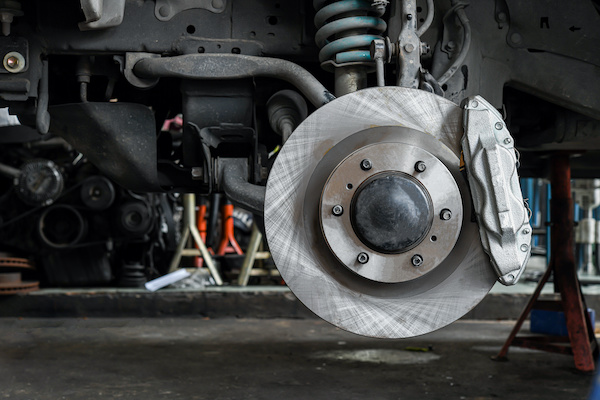
Look behind the wheel hub to find the brake rotors. They are round metal discs attached to the wheel assembly. Identify the rotor surface that needs cleaning. This step prepares you for the next cleaning process.

Credit: q20.co.za
Step-by-step Cleaning Process
Cleaning brake rotors is vital for safe driving. Dirt, dust, and brake fluid reduce brake performance. A clear cleaning method helps maintain rotor life and improves braking. Follow these steps to clean your brake rotors effectively.
Initial Inspection
Start by checking the brake rotors closely. Look for rust, cracks, or deep grooves. These issues might need professional repair. Also, note any dirt or brake dust buildup. This helps decide how much cleaning is needed.
Applying Brake Cleaner
Use a brake cleaner spray designed for rotors. Spray it evenly on the rotor surface. The cleaner breaks down grease and grime. Let it sit for a minute to work well. Avoid using harsh chemicals that can damage the rotor.
Scrubbing The Rotors
Take a soft brush or a non-abrasive pad. Gently scrub the rotor to remove dirt and rust. Focus on areas with heavy buildup. Avoid scratching the rotor surface. This step ensures a smooth, clean rotor.
Rinsing And Drying
Rinse the rotor with water to remove cleaner and debris. Use a clean cloth to dry the rotor completely. Moisture can cause rust if left on. Make sure the rotor is dry before reassembling the brake system.
Tips For Maintaining Rotors
Maintaining your brake rotors is key to safe driving and longer rotor life. Simple habits keep rotors in good condition. These tips help you avoid common problems and ensure smooth braking.
Avoiding Contaminants
Keep oil, grease, and dirt away from rotors. These substances reduce braking power. Always clean your hands before touching rotors. Use brake cleaner spray to remove any grime. Avoid parking near construction or muddy areas.
Regular Inspection Routine
Check rotors every few months. Look for cracks, grooves, or rust. Use a flashlight for better view. Listen for unusual sounds when braking. Early detection prevents bigger damage. Clean rotors with a soft brush if dusty.
When To Replace Rotors
Replace rotors if they are very thin or warped. Warped rotors cause vibration while braking. Deep grooves or cracks mean replacement is needed. Follow your vehicle manual for thickness limits. Seek a professional opinion if unsure.
Common Mistakes To Avoid
Cleaning brake rotors can improve your car’s braking performance. Avoiding common mistakes helps keep the job safe and effective. Knowing what to skip saves time and prevents damage.
Using Incorrect Cleaners
Do not use harsh chemicals on brake rotors. Household cleaners can leave residues that harm the rotor surface. Use only brake-specific cleaners. These products remove dirt without causing damage. Avoid oils or lubricants near the rotors. They reduce braking efficiency and create safety risks.
Neglecting Safety Precautions
Always wear gloves and eye protection. Brake dust contains harmful particles. Avoid breathing in dust by wearing a mask. Ensure the car is stable before working. Use jack stands, not just a jack. Proper safety gear prevents injuries during cleaning.
Overlooking Brake Pads Condition
Check brake pads before cleaning rotors. Worn pads can damage new or cleaned rotors quickly. Replace pads if they are thin or cracked. Clean rotors alone won’t fix braking problems. Healthy brake pads ensure better stopping power and longer rotor life.
Credit: www.oswaldserviceinc.com
Frequently Asked Questions
How Often Should I Clean My Brake Rotors?
Brake rotors should be cleaned every time you replace brake pads. Regular cleaning prevents debris buildup and improves braking performance. If you drive in dusty or wet conditions, clean rotors more frequently to avoid corrosion and maintain safety.
What Materials Do I Need To Clean Brake Rotors?
You need brake cleaner spray, a clean rag, and a wire brush or sandpaper. Avoid using oil-based cleaners or harsh chemicals. Proper tools ensure effective cleaning without damaging the rotor surface.
Can I Clean Brake Rotors Without Removing The Wheels?
It’s best to remove the wheels for thorough rotor cleaning. Cleaning with wheels on limits access and may leave debris. Removing wheels ensures you clean the entire rotor surface properly.
Will Cleaning Brake Rotors Improve Braking Performance?
Yes, cleaning removes dirt and rust that reduce rotor efficiency. Clean rotors provide smoother braking and reduce noise. Regular maintenance extends rotor life and enhances overall brake safety.
Conclusion
Cleaning your brake rotors helps keep your car safe and smooth. Dirt and rust can cause noise or poor braking. Regular cleaning stops these problems early. Use simple tools and take your time. A little care goes a long way for your brakes.
Keep checking your rotors often to avoid bigger issues. Safe driving starts with well-maintained parts. Take action today to protect yourself and others on the road.
