

When it’s time to replace your rear brake pads and rotors, you probably wonder: how much should this really cost? You want to keep your car safe without breaking the bank, but finding the right price can feel confusing.
Knowing what to expect helps you avoid overpaying and ensures you get quality parts that last. You’ll discover clear, straightforward information about the true cost of rear brake pads and rotors—and how to make the best choice for your budget and safety.
Keep reading to save money and drive with confidence.
Rear Brake Pads Price Range
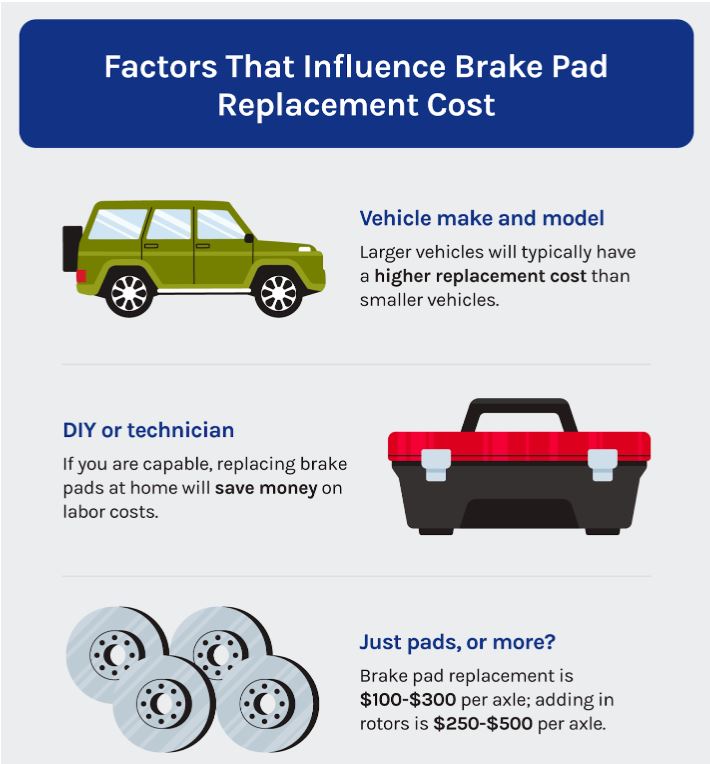
The price of rear brake pads can vary a lot. Many things influence how much you pay. Knowing the price range helps you plan your budget. It also helps you choose the right pads for your car. Usually, rear brake pads cost between $30 and $100. This range depends on the type and quality of the pads.
Factors Affecting Pad Costs
Several factors change the cost of rear brake pads. The car’s make and model play a big role. Luxury or sports cars often need more expensive pads. The type of material affects the price too. Pads made with special materials cost more. Brand reputation can add to the price as well. Some brands charge more for better quality or warranty. Lastly, the store or place you buy from impacts the price.
Oem Vs Aftermarket Pads
OEM stands for Original Equipment Manufacturer. These pads come from the car maker. They fit perfectly and meet factory standards. OEM pads usually cost more than aftermarket ones. Aftermarket pads are made by other companies. They are often cheaper and come in many options. Some aftermarket pads work just as well as OEM. Some do not last as long or fit as well. Choose based on your budget and needs.
Material Types And Prices
Brake pads come in different materials. Organic pads are the cheapest and quiet. They wear out faster though. Semi-metallic pads cost a bit more. They are strong and last longer. Ceramic pads are the most expensive type. They offer quiet braking and last a long time. Each material suits different driving styles and budgets. Pick the one that fits your car and how you drive.
Credit: www.aaa.com
Rear Brake Rotors Price Range
The price of rear brake rotors varies widely. Several factors affect how much you pay. Knowing these can help you choose the right rotor for your needs. This section breaks down the price range based on key aspects.
Rotor Material Options
Rear brake rotors come in different materials. The most common is cast iron. It is affordable and works well for everyday driving. Steel rotors cost a bit more. They last longer and resist warping better. Some rotors use composite materials or carbon fiber. These are expensive and mostly for high-performance cars. Material choice impacts price and durability.
Impact Of Rotor Design
Rotor design affects price too. Plain rotors are the cheapest. They have a smooth surface and simple shape. Slotted rotors have grooves. They help remove dust and water. This improves braking but costs more. Drilled rotors have holes to cool faster. They are pricier and used in sporty cars. Design choice depends on your driving style.
Brand And Quality Influence
Brand plays a big role in pricing. Well-known brands charge more for quality assurance. They offer better warranty and performance. Cheap brands may save money upfront. But they can wear out quickly or cause noise. Quality rotors often last longer and give safer stops. Choose a brand you trust for peace of mind.
Labor Costs For Rear Brake Replacement
Labor costs play a big role in the total price of rear brake pad and rotor replacement. These costs cover the time and skill needed to remove old parts and install new ones. Knowing about labor expenses helps you plan your budget better. It also helps you decide between doing the job yourself or hiring a professional.
Average Labor Rates
Labor rates for rear brake replacement vary by location and shop. On average, mechanics charge between $80 and $150 per hour. The job usually takes about one to two hours. So, expect to pay around $80 to $300 for labor. Rates may be higher in big cities or luxury car service centers.
Diy Vs Professional Service
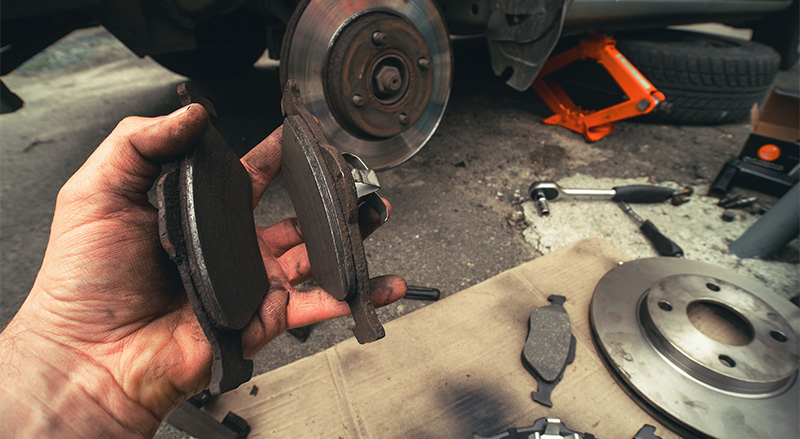
Doing the brake replacement yourself saves labor costs. You only pay for parts. But you need tools and some knowledge. Mistakes can lead to unsafe brakes. Professionals have experience and tools to do it right. They also check other brake components. This can prevent future problems and extra costs.
Additional Services And Fees
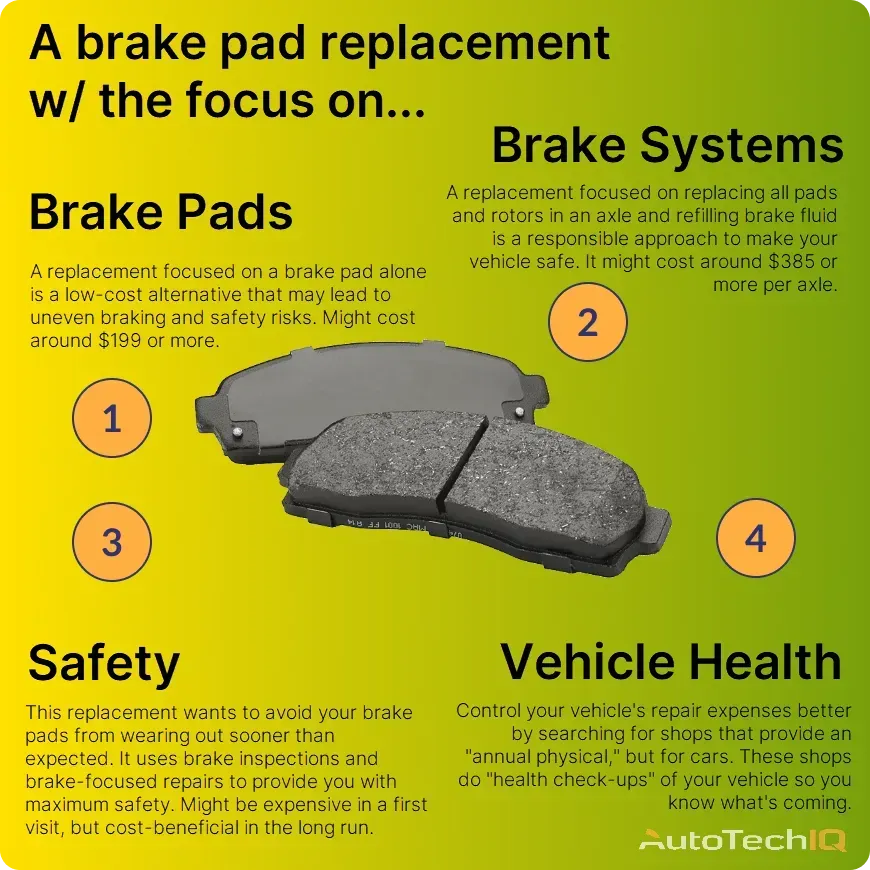
Some shops add fees for extra services. These include brake fluid replacement or system inspection. Shops may charge for shop supplies like grease and cleaning materials. Taxes and disposal fees for old parts can add to the cost. Always ask for a full estimate before work starts.
Credit: www.autotechiq.com
Signs You Need Rear Brake Replacement
Knowing the signs that your rear brakes need replacement helps keep you safe. Rear brake pads and rotors wear down over time. Catching problems early can save money and prevent accidents. Watch for clear signals from your vehicle. These hints tell you when to check or replace rear brakes.
Common Wear Indicators
Look at the brake pads through the wheel spokes. Thin pads mean they need replacement soon. A warning light on the dashboard may also appear. Some cars beep or flash a light to signal brake issues. If your car pulls to one side when braking, that is a sign too.
Noise And Vibration Symptoms
Squealing or grinding noises mean worn brake pads. The sound comes from metal rubbing on metal. Vibrations in the brake pedal or steering wheel also show problems. These shakes happen when rotors are warped or damaged. Such noises and shakes should not be ignored.
Performance Changes
Brakes feel less responsive or take longer to stop. You may need to press harder on the pedal. Spongy or soft brake pedals show air or fluid problems. Rear brakes losing power can affect overall vehicle safety. Notice any drop in braking power as a warning sign.
Tips To Save On Brake Repairs
Brake repairs can be costly, but saving money is possible. Knowing how to manage costs helps keep your car safe and your wallet happy. Small steps make a big difference in repair bills.
Choosing the right parts, timing repairs well, and finding good mechanics are key to saving money on brake work.
Choosing Quality Parts
Cheap parts may seem like a good deal but often wear out fast. Quality brake pads and rotors last longer and work better. Buying parts from trusted brands protects your brakes and saves money over time. Look for parts that fit your car’s make and model. Avoid generic parts that may cause damage or poor performance.
Timing Your Replacement
Replacing brake pads and rotors too late can cause more damage. Waiting too long leads to bigger, more expensive repairs. Check your brakes regularly for signs of wear. Change parts at the first sign of trouble. Early replacement stops damage to other brake components and keeps repair costs low.
Finding Reliable Mechanics
Not all mechanics charge the same for brake repairs. Choose a mechanic with good reviews and fair prices. Ask for estimates before work begins. A trustworthy mechanic explains the needed repairs clearly. Avoid shops that push unnecessary work. Good mechanics save money by fixing issues right the first time.
Credit: blog.napacanada.com
Frequently Asked Questions
How Much Do Rear Brake Pads Typically Cost?
Rear brake pads usually cost between $30 and $70 per set. Prices vary based on brand, quality, and vehicle type. OEM pads are often pricier than aftermarket options but may offer better durability and performance.
What Is The Average Price For Rear Brake Rotors?
Rear brake rotors generally cost between $40 and $100 each. Costs depend on rotor type, material quality, and vehicle model. High-performance or specialty rotors can increase the price significantly.
Are Labor Costs Included In Brake Pad And Rotor Prices?
Labor costs are usually separate and can range from $80 to $150. Total replacement costs include parts plus labor. Always check if pricing quotes cover installation for an accurate estimate.
How Often Should Rear Brake Pads And Rotors Be Replaced?
Rear brake pads typically last 30,000 to 70,000 miles, depending on driving habits. Rotors may need replacement every 50,000 to 70,000 miles. Regular inspections help ensure timely replacement and vehicle safety.
Conclusion
Rear brake pads and rotors cost varies by car and quality. Expect to pay between $150 and $400 for parts and labor. Choosing good quality parts helps keep your car safe. Don’t ignore brake wear signs to avoid costly repairs later.
Regular checks save money and keep driving smooth. Knowing prices helps you plan your budget better. Stay informed and protect your vehicle’s braking system well. Your safety depends on well-maintained brakes—make smart choices.


