

If you own a diesel vehicle, you know how important a clean fuel filter is for smooth engine performance. But did you know that filling your fuel filter with diesel correctly can save you from costly repairs and breakdowns?
You’ll learn simple, step-by-step tips to fill your fuel filter quickly and safely. Whether you’re a beginner or just want to avoid common mistakes, this guide will give you the confidence to keep your diesel engine running strong. Keep reading, and take control of your vehicle’s health today!
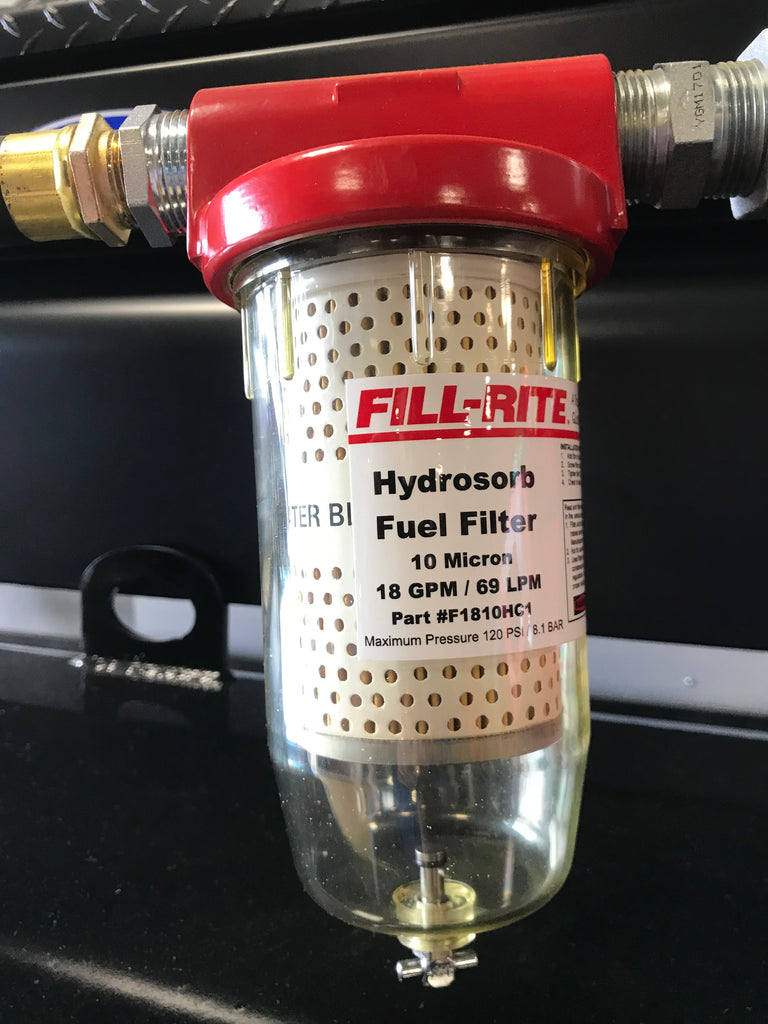
Credit: www.loggingsupply.com
Why Filling Fuel Filter Matters
Keeping the fuel filter filled with diesel stops air from entering the engine. This helps the engine run smoothly and avoids damage. Filling the filter correctly saves time and costly repairs.
Filling the fuel filter with diesel is a key step in vehicle maintenance. It helps keep the engine running smoothly and avoids damage. The fuel filter stops dirt and water from reaching the engine. Without filling, air can enter the fuel system. Air in the system causes the engine to run poorly or not start at all.
Keeping the filter full ensures steady fuel flow. This protects the engine parts and saves money on repairs. Filling the fuel filter also helps the fuel pump work better. A properly filled filter reduces wear and tear on the engine.
Prevents Air Locks
Filling the fuel filter removes air pockets. Air locks block fuel flow and cause the engine to stall. A filled filter allows diesel to flow smoothly. This helps the engine start easily and run without interruption.
Protects The Fuel Pump
The fuel pump moves diesel from the tank to the engine. It needs liquid fuel to work well. Air in the fuel system makes the pump work harder. Filling the fuel filter with diesel protects the pump from damage. This extends the pump’s life and keeps fuel flowing.
Improves Engine Performance
A full fuel filter means clean diesel reaches the engine. Clean fuel burns better and helps the engine run efficiently. This improves power and reduces smoke and noise. Filling the fuel filter leads to smoother rides and better fuel economy.
Tools And Materials Needed
Before filling a fuel filter with diesel, gather the right tools and materials. Having everything ready makes the process smoother and safer. This section lists all essentials for the job.
Fuel Filter
Choose the correct fuel filter for your vehicle model. A clean, new filter ensures better engine performance.
Diesel Fuel
Use fresh, clean diesel fuel. Avoid contaminated or old diesel to prevent engine issues.
Clean Container
Use a clean container to hold the diesel while filling. This helps avoid dirt entering the filter.
Wrench Or Spanner
A wrench or spanner is necessary to remove and tighten the fuel filter housing safely.
Rags Or Paper Towels
Keep rags or paper towels nearby to clean spills quickly. This prevents dirt and hazards.
Gloves
Wear gloves to protect your hands from diesel and dirt. It keeps the process cleaner and safer.
Funnel
A small funnel helps pour diesel into the filter without spilling. It makes filling easier.
Locating The Fuel Filter
Locating the fuel filter is the first step in filling it with diesel. The fuel filter cleans dirt and debris from the fuel. Finding it helps you maintain your engine and avoid problems.
Fuel filters usually sit close to the fuel tank or engine. Knowing the exact spot makes the process easier and faster. Let’s explore where to find the fuel filter on different vehicles.
Fuel Filter Location In Cars
In most cars, the fuel filter is under the hood. It often mounts near the engine or along the fuel line. Look for a small, cylindrical part with fuel lines attached.
Fuel Filter Location In Trucks
Trucks often have fuel filters near the fuel tank or under the vehicle. Check along the frame rail or near the fuel pump. The filter is usually larger and easier to spot.
Fuel Filter Location In Diesel Engines
Diesel engines usually have two filters: a primary and a secondary. The primary filter sits near the fuel tank. The secondary filter is closer to the engine. Both are important to find before filling.
Preparing The Area
Preparing the area is the first step before filling the fuel filter with diesel. A clean, organized space helps avoid spills and accidents. It also makes the task quicker and safer.
Gather all tools and materials nearby. This keeps everything within reach and prevents interruptions. Clear away dirt or debris from the work area to maintain cleanliness.
Choose A Well-ventilated Space
Pick a place with fresh air to avoid harmful fumes. Diesel fuel has a strong smell that can cause dizziness. Open doors or windows to improve airflow.
Protect Surfaces And Surroundings
Use old newspapers or cloth to cover surfaces. This stops diesel from staining or damaging the area. Protect nearby plants or objects from accidental spills.
Wear Safety Gear
Put on gloves to protect your skin from diesel. Wear safety glasses to keep fuel out of your eyes. Dress in clothes that cover your arms and legs.
Keep Fire Sources Away
Remove open flames, sparks, or smoking materials. Diesel is flammable and can catch fire easily. Ensure no electrical tools are running near the area.
Step-by-step Filling Process
Filling a fuel filter with diesel is a simple task that helps keep your engine running smoothly. Follow these clear steps to do it right. Each step is important. Take your time and work carefully.
Draining Old Fuel
Start by draining the old fuel from the filter. Place a container below to catch the diesel. Loosen the drain plug or remove the filter bowl. Let all the fuel drain out. This prevents dirt from mixing with new diesel.
Removing The Fuel Filter
Next, remove the fuel filter from its holder. Use a wrench if needed to loosen it. Be careful not to spill any fuel. Keep the filter upright to avoid leaks. Check the filter for damage or dirt.
Filling With Diesel
Fill the new or cleaned filter with fresh diesel. Use a clean container to avoid contamination. Pour slowly to prevent air bubbles. Fill until the filter is full. This helps the engine start easily.
Reinstalling The Filter
Finally, put the fuel filter back in place. Tighten it securely with your hand or wrench. Avoid over-tightening to prevent damage. Check for leaks after installation. Start the engine to make sure fuel flows well.

Credit: www.fillrite.com
Bleeding Air From The Fuel System
Bleeding air from the fuel system is a crucial step after filling the fuel filter with diesel. Air trapped inside can stop the engine from running smoothly or cause it to stall. Removing this air ensures the fuel flows properly and the engine starts easily.
This process helps avoid damage to the fuel pump and injectors. It also improves engine performance and fuel efficiency. Taking time to bleed air prevents costly repairs later.
Locate The Bleed Screw
Find the bleed screw on the fuel filter or fuel pump. It is usually a small valve or bolt designed for releasing air. Use a wrench or screwdriver to open it carefully.
Prepare To Catch Fuel
Place a clean container or cloth under the bleed screw. This will catch diesel fuel and prevent spills. Wear gloves to protect your hands from fuel contact.
Open The Bleed Screw Slowly
Turn the bleed screw just enough to let air escape. You will hear a hissing sound as air leaves the system. Keep the screw open until fuel starts flowing steadily.
Pump The Fuel Primer
Press the fuel primer or lift the fuel lever several times. This pushes diesel through the filter and fuel lines. Watch for air bubbles in the fuel line; stop when only fuel flows.
Close The Bleed Screw
Once fuel flows without air bubbles, tighten the bleed screw. Make sure it is secure to prevent leaks. Check for any fuel drips around the screw.
Start The Engine
Turn on the engine and listen for smooth running. If the engine stalls or struggles, repeat the bleeding process. Proper bleeding removes all trapped air.
Common Mistakes To Avoid
Filling a fuel filter with diesel may seem easy. Yet, small mistakes can cause big problems. These errors can lead to engine issues or damage the fuel system. Avoiding common mistakes helps keep your vehicle running smoothly.
Using Dirty Diesel Fuel
Always use clean diesel fuel. Dirty fuel can clog the filter quickly. It may also damage engine parts. Use fresh fuel from a trusted source only.
Not Priming The Filter Properly
Priming removes air inside the filter. Skipping this step causes air pockets. Air pockets stop fuel flow. The engine may stall or run rough.
Overfilling The Fuel Filter
Do not pour too much diesel into the filter. Overfilling can cause leaks or spills. It also makes the filter harder to install correctly.
Forgetting To Check For Leaks
After filling, always check for leaks. Leaks waste fuel and allow dirt inside. Tighten all connections firmly but gently.
Ignoring Safety Precautions
Diesel is flammable. Avoid open flames or sparks near the work area. Wear gloves to protect your hands from fuel and dirt.
Signs Of A Properly Filled Fuel Filter
A properly filled fuel filter is key to your engine’s smooth running. It ensures diesel flows without air pockets or blockages. Knowing the signs helps you confirm the job is done right.
Checking these signs can save time and prevent engine problems. It also helps in spotting errors early before damage occurs.
Clear Diesel Flow Without Air Bubbles
The fuel should flow steadily and clear through the filter. No air bubbles should appear in the fuel line. Bubbles can cause engine hesitation or stalling.
Firm And Secure Filter Placement
The filter must sit tightly in its housing. It should not move or wiggle after filling. A loose filter can leak fuel or allow air inside.
Consistent Engine Performance
After filling, the engine runs smoothly without sputtering. No unusual noises or jerks should occur. This shows the fuel system works properly.
No Fuel Leaks Around The Filter
Check the filter area for any signs of fuel leaks. Proper filling seals the filter and prevents leaks. Leaks waste fuel and can be dangerous.
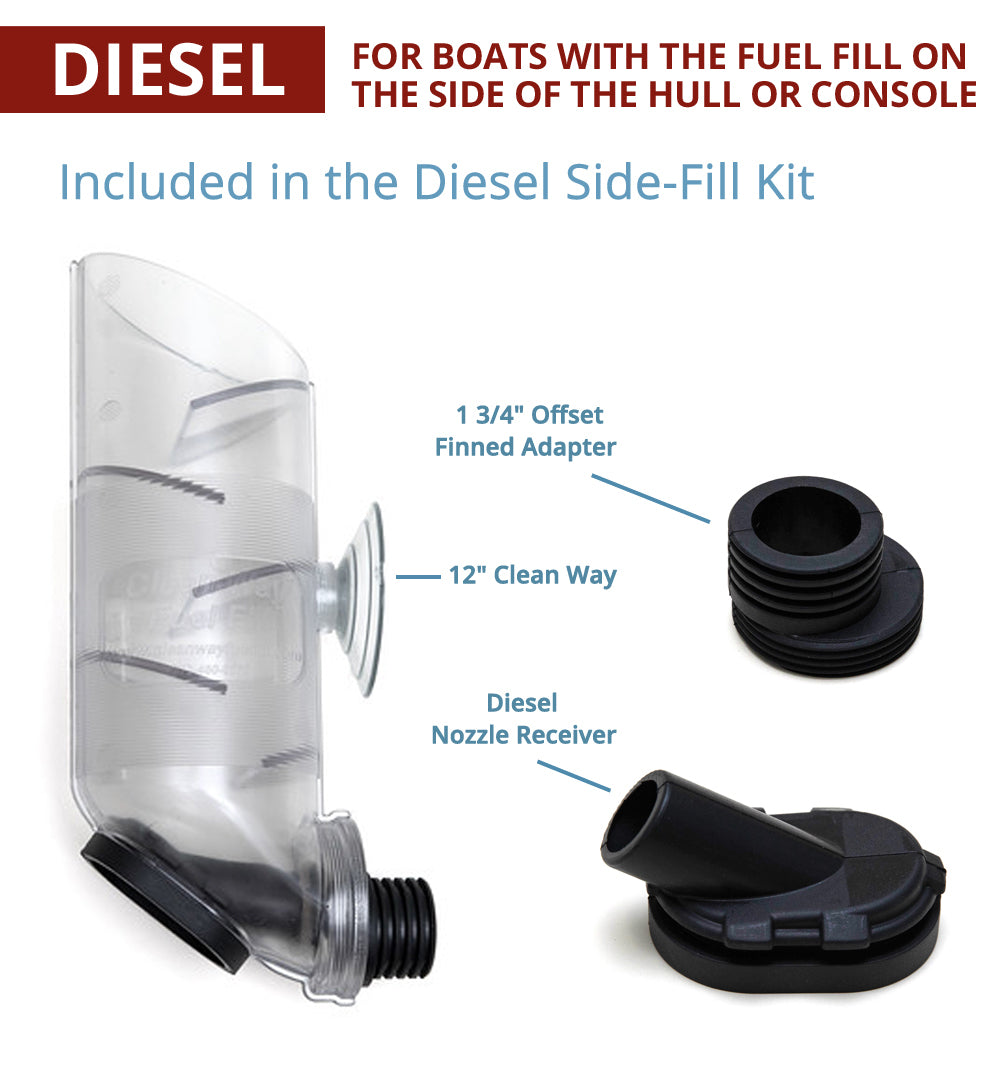
Credit: cleanwayfuelfill.shop
Frequently Asked Questions
How Do I Fill A Fuel Filter With Diesel Safely?
To fill a fuel filter with diesel safely, first turn off the engine. Use clean diesel and avoid spills. Fill slowly to prevent air bubbles. Tighten all connections before starting the engine to avoid leaks and ensure proper fuel flow.
Why Is Filling The Fuel Filter With Diesel Important?
Filling the fuel filter with diesel removes air pockets that cause engine stalling. It ensures smooth fuel flow and prevents damage to the fuel system. Proper filling improves engine performance and longevity by maintaining consistent fuel delivery.
Can I Use Any Diesel For Filling The Fuel Filter?
Use clean, high-quality diesel for filling the fuel filter. Avoid contaminated or old diesel as it can clog the filter. Always check fuel specifications recommended by the vehicle manufacturer to ensure compatibility and protect your engine.
How Long Does It Take To Fill A Fuel Filter With Diesel?
Filling a fuel filter with diesel typically takes 5 to 10 minutes. The time depends on the filter size and fuel flow rate. Filling slowly helps avoid air bubbles and ensures the filter is fully primed.
Conclusion
Filling a fuel filter with diesel is simple and important. It helps keep your engine clean and running well. Take your time and follow each step carefully. Using clean diesel prevents dirt from damaging your engine parts. Regular maintenance saves money and avoids breakdowns.
Stay safe by working in a well-ventilated area and wearing gloves. Practice this process to feel confident next time. Clean fuel means better performance and longer engine life. Keep your vehicle healthy by caring for the fuel filter often. Easy steps lead to smooth rides.

