

Are you trying to remove your name from a car title but don’t know where to start? It can feel confusing and frustrating, especially if you want to avoid legal trouble or keep things simple.
But don’t worry—this guide will walk you through the exact steps you need to take. By the end, you’ll have a clear plan to get your name off the title quickly and safely. Keep reading to learn how to handle the process with confidence and ease.
Credit: www.yourmechanic.com
Check State Requirements
Checking your state requirements is the first step in removing a name from a car title. Each state has different rules and processes. Knowing these rules helps avoid delays and extra visits to the DMV. It also ensures you complete all necessary steps correctly.
Locate Dmv Guidelines
Start by visiting your state’s DMV website. Look for sections about title changes or vehicle ownership. Some states provide downloadable forms and clear instructions. Others may list local DMV offices and contact numbers for help. Follow these guidelines closely to meet your state’s specific rules.
Understand Required Documents
Each state requires different documents to remove a name from a car title. Common documents include the original title, a notarized release of interest, and identification. Some states may ask for a bill of sale or court orders. Check the exact list on your DMV website to prepare everything in advance.

Credit: www.wikihow.com
Gather Necessary Paperwork
Gathering the right paperwork is the first step to remove a name from a car title. You must have all documents ready before visiting the DMV or other authorities. Missing papers can delay the process and cause frustration.
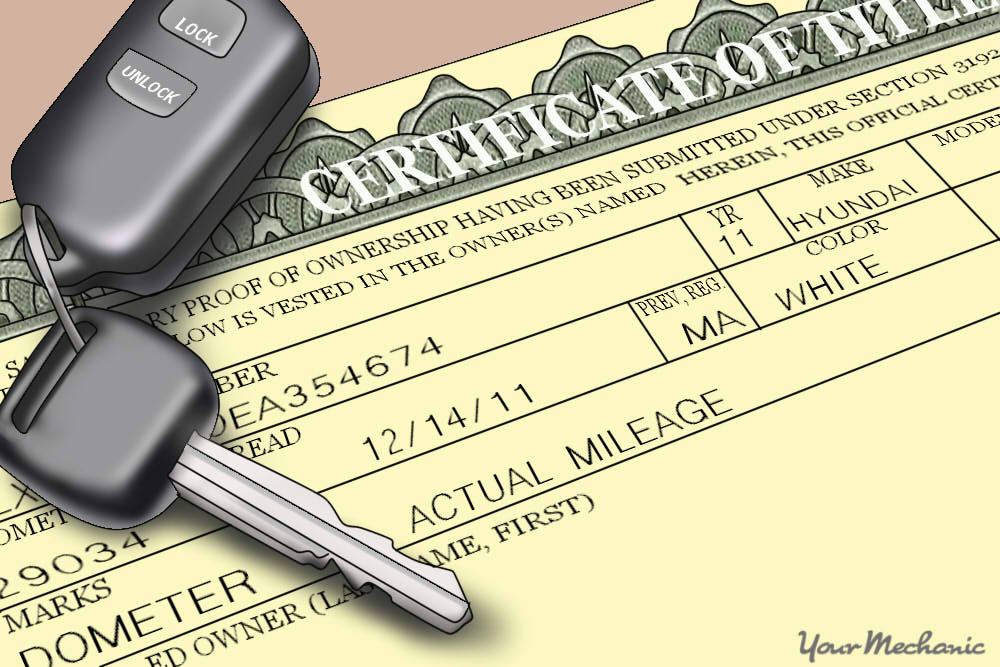
Current Title Certificate
The current title certificate shows who legally owns the car. This document must be available and up to date. It proves your ownership and the name that needs removal. Without the title, changes cannot happen.
Release Of Liability Form
The release of liability form tells the state you are no longer responsible for the vehicle. This form protects you from future legal or financial issues. Both parties usually sign this form to confirm the name change.
Proof Of Identity
Valid proof of identity is essential for all parties involved. It helps verify that the request is genuine. Common examples include a driver’s license, passport, or state ID card. Always bring original documents for verification.
Notify The Other Owner
Start by informing the other owner about your plan to remove their name from the car title. Clear communication helps avoid confusion and legal issues later. Make sure both parties agree before moving forward with the process.
Communicate Intent To Remove Name
Start by telling the other owner about your plan. Clear communication helps avoid confusion. Explain why you want to remove their name from the title. Be honest and polite. This step builds trust and makes the process smoother.
Choose a good time to talk. Use simple words to make sure they understand. You can talk in person, by phone, or through email. Keep a record of your conversation for future reference.
Obtain Written Consent
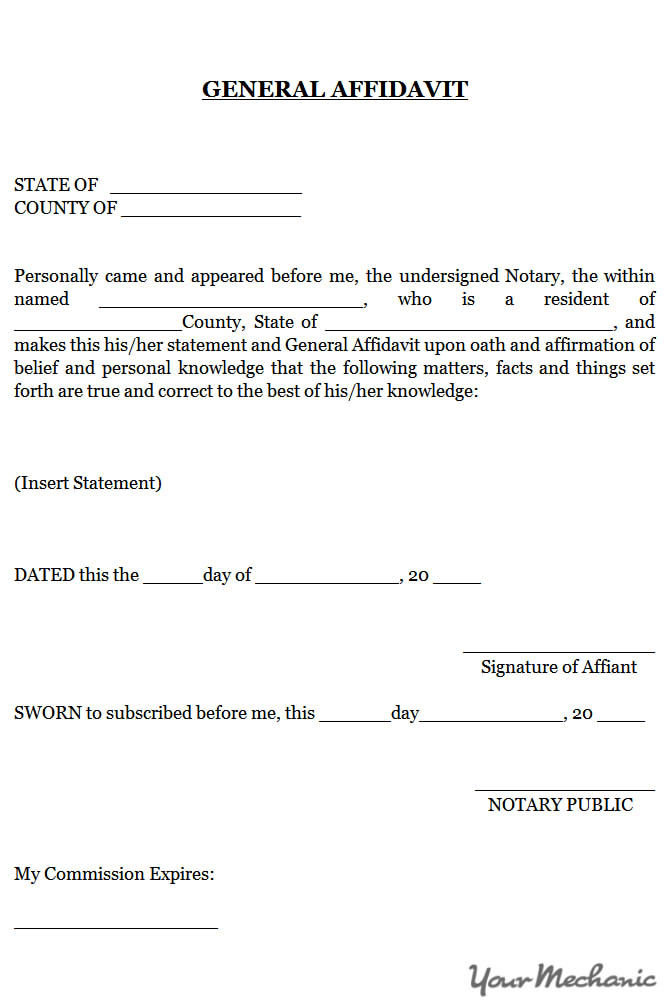
Get the other owner’s permission in writing. A signed letter or form works well. This written consent shows they agree to remove their name. It protects both parties during the title change.
The consent should include names, date, and a clear statement of agreement. Both owners should sign and date the document. Keep a copy for your records. This step is often required by the DMV.
Complete Title Transfer Form
The Complete Title Transfer Form is essential for removing a name from a car title. This form officially changes the ownership details with the state. Filling it out correctly ensures a smooth transfer process. Mistakes can cause delays or legal issues.
Each state may have a different form, so use the one provided by your local Department of Motor Vehicles (DMV). The form requires specific information about the vehicle and the owners. Accuracy is key to avoid complications.
Fill Out Correct Sections
Start by filling out the vehicle details accurately. Include the make, model, year, and vehicle identification number (VIN). Next, provide the current owner’s name exactly as it appears on the title. The new owner’s name must be clear and complete. Double-check each section before moving on. Leaving blanks or errors can cause the form to be rejected.
Signatures Needed
Signatures are crucial for the title transfer form. The current owner must sign to release ownership. If there is more than one owner, all must sign. The new owner also needs to sign to accept ownership. Some states require a notary to witness the signatures. Check your local rules to make sure all signatures are valid.
Submit Paperwork To Dmv
Submitting paperwork to the DMV is a key step in removing a name from a car title. This step makes the change official and legal. You must provide the correct forms and documents to complete this process. Each state has specific rules for submitting these papers.
Knowing how to submit your paperwork helps avoid delays. You can choose between visiting the DMV in person or using online services. Understanding fees is also important because they vary by location and type of request.
In-person Vs Online Submission
Visiting the DMV in person lets you get help directly. You can ask questions and fix mistakes on the spot. Some people prefer this method for peace of mind.
Online submission is faster and more convenient. You upload forms and pay fees from home. Not all states allow full online processing, so check your state’s rules.
Pay Applicable Fees
Removing a name from a car title usually requires a fee. The cost depends on your state and the type of title change. Payment options include cash, check, or credit card.
Make sure to pay the exact amount to avoid delays. Keep your receipt as proof of payment for your records. This step finalizes the paperwork submission process.
Credit: www.yourmechanic.com
Handle Lienholder Issues
Removing a name from a car title can be tricky if a lienholder is involved. A lienholder is the bank or company that gave the loan for the car. They have a legal claim on the car until the loan is fully paid.
Before you can change the title, you must address any issues with the lienholder. This step is important to avoid legal problems and to make sure the car’s ownership is clear.
Contact Lender
Start by calling the lender who holds the lien. Ask about the process to remove a name from the title. The lender will explain what documents you need and the steps to follow.
Keep notes of your conversation and get any instructions in writing. This helps avoid confusion later. The lender may require permission or proof before making changes.
Clear Outstanding Loans
All loans must be paid off before the lien can be removed. Check your loan balance and pay any money owed. Some lenders allow early payoff without fees. Others may charge a penalty.
Once the loan is cleared, the lender will send a lien release document. This proves the debt is paid. Submit this document to your local DMV to update the title.
Follow Up On Title Update
After submitting paperwork to remove a name from a car title, tracking the update is important. This step ensures the title reflects the correct ownership. Staying informed helps avoid future problems with the vehicle’s legal status.
Check Processing Time
Each state has different timelines for updating car titles. Check your local DMV website for details. Some offices process requests in a few days. Others may take several weeks. Knowing the time frame helps you plan your next steps.
Be patient but proactive. If the update takes longer than expected, contact the DMV. Ask for the status of your title change. Keeping communication open can speed up the process.
Obtain New Title Copy
Once the title update is complete, request a new copy. This document proves who owns the car now. Some states send it automatically. Others require a formal request or fee.
Keep the new title in a safe place. It is vital for selling the car or proving ownership. Check the title carefully to ensure the removed name is gone. Mistakes can cause legal trouble later.
Avoid Common Mistakes
Removing a name from a car title can be tricky. Many people make simple mistakes that cause delays. Avoiding these errors saves time and frustration. Pay close attention to details. Double-check your paperwork before submitting it.
Incomplete Forms
Every form must be fully filled out. Leaving blanks can cause rejection. Write clearly and use black or blue ink. Provide all required information like names, dates, and signatures. Check each section carefully. Missing details slow down the process.
Missing Signatures
Signatures are crucial on the title and forms. Both parties must sign where required. Unsigned documents are not valid. Verify every signature before submitting. If someone cannot sign in person, check for allowed alternatives like notarized signatures. This step ensures your request moves forward smoothly.
Frequently Asked Questions
How Do I Remove A Name From A Car Title?
To remove a name, both owners usually must sign the title. Then, submit it to your DMV with a request to update ownership details.
Can I Take A Name Off A Car Title Without The Other Owner?
No, removing a name without consent is typically not allowed. Both parties must agree and provide signatures to change the title.
What Documents Are Needed To Change Car Title Names?
You need the current title, a completed title transfer form, identification, and sometimes a bill of sale. Check your local DMV for specific requirements.
How Long Does It Take To Update A Car Title?
Title updates usually take 2 to 6 weeks after submitting paperwork. Processing times vary by state and DMV workload.
Conclusion
Removing a name from a car title takes clear steps and patience. Start by gathering all needed documents and visit your local DMV. Make sure both parties agree and sign any required forms. Keep copies of everything for your records.
This process helps avoid future problems with ownership. Taking action soon keeps the title accurate and legal. Staying organized makes the process easier and faster. Now, you can drive with confidence, knowing the title reflects the right owner.


