

Have you ever found sticky pine pitch stuck on your car’s paint and didn’t know how to get it off? It’s frustrating to see those stubborn spots ruining your car’s shiny finish.
But don’t worry—removing pine pitch doesn’t have to be a struggle. In this guide, you’ll discover simple, effective ways to clean your car without causing any damage. Keep reading, and you’ll learn easy steps that save your paint and bring back that smooth, clean look you love.
Causes Of Pine Pitch On Cars
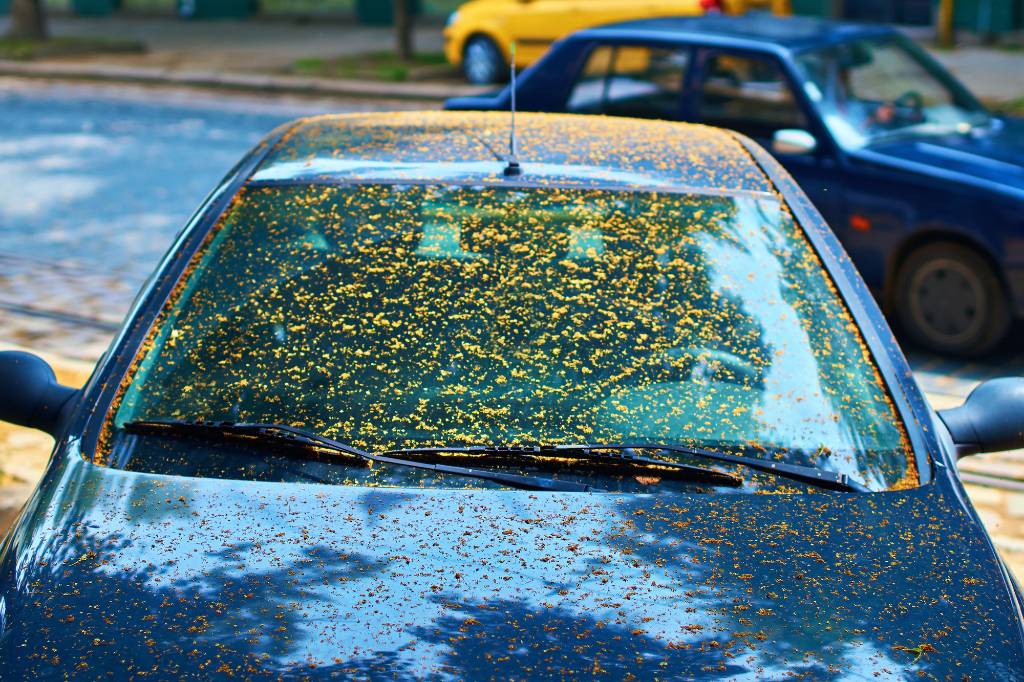
Pine pitch on car paint is a common problem for many drivers. It happens when sticky resin from pine trees falls on vehicles. This resin sticks firmly to the paint and can cause damage if not removed quickly. Understanding why pine pitch ends up on cars can help you avoid it or clean it up faster.
Common Parking Spots
Cars parked near pine trees often get covered in pine pitch. Driveways, streets, and parking lots with pine trees overhead are risky spots. The resin drops from the trees and lands directly on cars below. Even a light breeze can carry pine pitch to nearby vehicles. Parking away from pine trees reduces the chances of resin sticking to your car.
Seasonal Factors
Pine pitch appears more during warm months. Spring and summer cause pine trees to produce more resin. The heat makes the resin sticky and runny. Rain can spread the pine pitch around, making it stick to cars easily. Dry, hot days increase the amount of resin falling from trees. Knowing the seasons helps predict when your car is most at risk.
Risks Of Leaving Pine Pitch Untreated
Pine pitch can stick to your car’s paint very strongly. Leaving it on the surface causes several problems. It affects the look and health of your car’s paint. Acting fast helps keep your car clean and safe.
Paint Damage
Pine pitch contains sticky sap and acids. These substances can eat into the paint. The longer pitch stays, the deeper the damage. It can cause discoloration and dull spots. Paint may start to peel or crack too. This damage is often costly to fix.
Difficulty In Removal
Old pine pitch becomes hard and tough. It sticks tightly to the paint surface. Removing it later needs more effort and strong cleaners. This can harm your paint more. Early removal keeps the process simple. It saves time and protects your car’s finish.
Essential Tools And Materials
Removing pine pitch from car paint requires the right tools and materials. These items help clean the surface without causing damage. Using proper products and soft tools makes the job easier and safer for your car’s finish.
Cleaning Agents
Choose a cleaning agent made for car paint. Tar removers or tree sap removers work well. Some mild solvents like rubbing alcohol can help dissolve pitch. Avoid harsh chemicals that may harm the paint. Test the cleaner on a small area first.
Soft Cloths And Brushes
Use soft microfiber cloths to wipe the car gently. These cloths reduce scratching risks. Soft-bristle brushes help reach tight spots without damage. Avoid rough sponges or brushes with hard bristles. They can scratch the paint and worsen the problem.

Credit: www.shiny.ca
Step-by-step Removal Process
Removing pine pitch from car paint requires care and patience. Follow these simple steps to clean your car without damaging the paint. Each step helps to safely break down and remove the sticky resin.
Initial Cleaning
Start by washing the affected area with warm water and car soap. This removes dirt and loose debris. Use a soft cloth or sponge. Dry the area gently with a clean towel.
Applying Solvent
Choose a safe solvent like rubbing alcohol or a commercial tar remover. Test it on a small hidden spot first. Apply the solvent on a soft cloth. Dab the pine pitch carefully, letting it soften the resin.
Gentle Scrubbing
Use a microfiber cloth or a soft-bristle brush. Rub the softened pitch gently in circular motions. Avoid harsh scrubbing to protect the paint. Repeat applying solvent and scrubbing as needed.
Rinsing And Drying
Rinse the cleaned area with cool water to remove residue. Dry it completely with a soft towel. Check for any remaining pitch and repeat if necessary. Finish by applying a wax or polish to protect the paint.
Natural Remedies For Pine Pitch
Pine pitch can stick stubbornly to your car’s paint. Harsh chemicals might damage the surface. Natural remedies offer a gentle and safe way to remove pine pitch. These methods use common household items. They help protect your car’s finish while cleaning effectively.
Olive Oil Method
Olive oil softens pine pitch, making it easier to wipe off. Apply a small amount of olive oil to a soft cloth. Gently rub the affected area in circular motions. Wait a few minutes for the oil to loosen the pitch. Then wipe the area with a clean cloth. Wash the car with soap and water afterward. This method is safe and helps keep the paint shiny.
Baking Soda Paste
Baking soda paste acts as a mild abrasive to remove pine pitch. Mix baking soda with water to form a thick paste. Apply the paste gently on the sticky spots using a soft cloth. Rub in small circles to lift the pitch without scratching the paint. Rinse the area with clean water after removal. Finally, dry the surface to avoid water spots. This natural method is effective and affordable.
Credit: bigsmobile.com
Preventing Pine Pitch Build-up
Pine pitch can harm your car’s paint if it builds up over time. Stopping it early saves effort later. A few simple habits help keep your car clean and protected. These steps keep your car looking fresh longer.
Protective Car Coatings
Protective coatings shield paint from pine pitch and dirt. Wax or sealant creates a barrier on the surface. This makes pitch easier to wipe off. Reapply coatings every few months for best results. Ceramic coatings offer longer protection but need proper care.
Regular Washing Habits
Wash your car often to prevent pine pitch build-up. Use gentle soap made for cars. Avoid harsh chemicals that can damage paint. Focus on areas near pine trees where pitch falls. Quick washes stop pitch from hardening and sticking tight.
When To Seek Professional Help
Removing pine pitch from car paint can be tricky. Some stains are easy to clean at home. Others need special care. Knowing when to get professional help saves your car’s finish. It also prevents further damage. Here are signs you should call an expert.
Severe Pitch Stains
Large, thick pitch spots may not come off easily. Home treatments might not work. Rubbing too hard can spread the stain or scratch paint. Professionals have strong, safe solvents and tools. They remove tough stains without harming the car’s surface. Don’t waste time on stubborn pitch. Let experts handle it.
Paint Damage Concerns
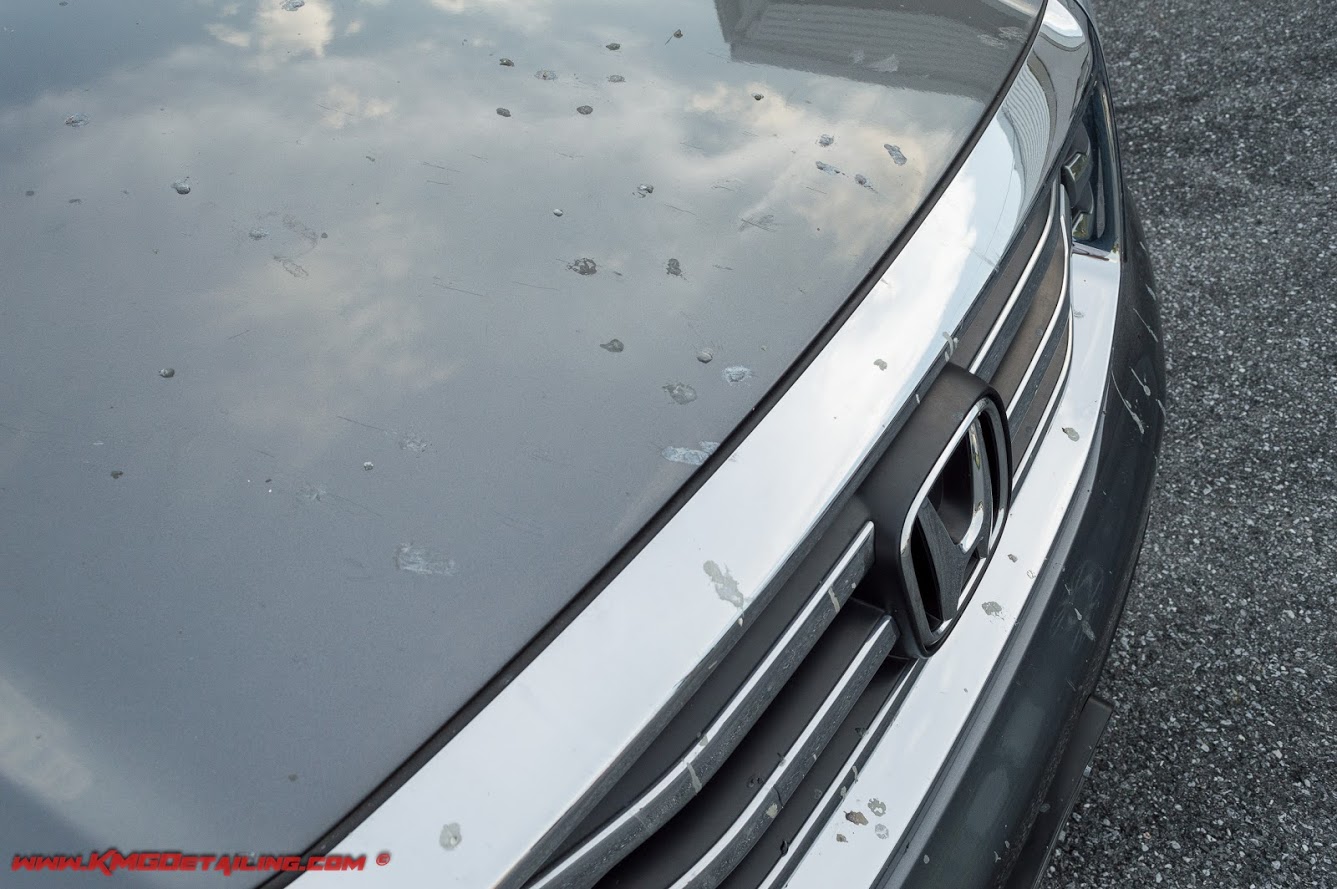
Pitch can sometimes eat into the clear coat or paint. If you see dull spots, discoloration, or rough texture, the paint may be damaged. Trying to fix this alone can make it worse. Professionals can assess and repair paint damage. They use proper products and techniques. This keeps your car looking smooth and shiny.
Credit: www.detailedimage.com
Frequently Asked Questions
What Is The Safest Way To Remove Pine Pitch From Car Paint?
Use a specialized tar and sap remover or rubbing alcohol. Apply gently with a microfiber cloth to avoid paint damage. Always test on a small area first and wash the car afterward to remove residue.
Can Household Items Remove Pine Pitch Without Damaging Paint?
Yes, rubbing alcohol or hand sanitizer can effectively dissolve pine pitch. Use a soft cloth to apply and wipe gently. Avoid harsh scrubbing to protect the paint finish.
How Long Should Pine Pitch Stay On Car Paint Before Removal?
Remove pine pitch as soon as possible, ideally within 24 hours. The longer it stays, the harder it becomes to remove and the higher the risk of paint damage.
Is It Necessary To Wax The Car After Pitch Removal?
Yes, waxing restores the protective layer on your car’s paint. It also helps blend any affected areas and prevents future sap adhesion, keeping your paint smooth and shiny.
Conclusion
Removing pine pitch from car paint takes patience and care. Use gentle cleaners and soft cloths to avoid scratches. Work slowly, checking your progress often. Small steps keep your car’s paint safe and shiny. Regular washing helps prevent pitch buildup.
Clean spots as soon as you see them. Your car will look fresh and well cared for. A little effort goes a long way in maintaining paint quality. Keep these tips handy for future pine pitch problems. Your car deserves the best care every day.


