

Your brakes are one of the most important safety features on your vehicle. But how do you know when your brake rotors need replacing?
Ignoring worn rotors can lead to longer stopping distances, strange noises, and costly repairs down the road. You’ll learn the simple signs to watch for and easy steps to check your rotors. By the end, you’ll feel confident knowing exactly when it’s time to replace them—and keep your car safe on the road.
Keep reading to protect yourself and your vehicle before small problems turn into big ones.
Credit: www.reddit.com
Common Brake Rotor Issues
Brake rotors are a key part of your vehicle’s braking system. They need to be smooth and even for safe stops. Over time, rotors can develop problems that affect driving safety and comfort. Knowing common brake rotor issues helps you spot trouble early. This guide covers three frequent problems that signal it is time to replace your rotors.
Warping And Vibrations
Warped rotors cause the brake pedal to shake or vibrate. This happens when the rotor surface becomes uneven due to heat. Hard braking or rough roads can cause warping. Vibrations usually increase when braking at higher speeds. Warped rotors reduce braking power and can make driving unsafe.
Deep Grooves And Scoring
Rotors with deep grooves or scoring show clear signs of wear. These marks appear when brake pads wear down or catch dirt and debris. Grooves make the brake pads less effective and cause noise. Scored rotors can lead to longer stopping distances. Smooth rotors are necessary for consistent braking performance.
Corrosion And Rust
Rust on rotors can weaken their structure and reduce braking ability. Moisture and road salt speed up the corrosion process. Surface rust may be normal if the car sits unused for days. Heavy rust causes rough braking and noise. Severe corrosion often means it’s time to replace the rotors.
Noise Indicators
Noise from your brakes often signals a problem with the rotors. These sounds warn you that the brake parts need attention. Listening closely can help spot issues early. Acting fast can save you from costly repairs.
Squealing Or Squeaking Sounds
Squealing or squeaking noises usually come from worn brake pads. But they can also mean the rotors are getting thin or warped. This high-pitched sound happens when metal rubs against metal. It often starts during light braking. Ignoring this noise can cause more damage to the rotors.
Grinding Noises When Braking
Grinding sounds are a serious warning. They mean the brake pads are gone, and the metal is scraping the rotor. This noise shows the rotors may have deep grooves or damage. Grinding reduces braking power and can make driving unsafe. Stop driving and check the brakes if you hear this sound.
Visual Inspection Tips
Visual inspection helps spot brake rotor problems early. It saves money and keeps driving safe. Simple checks can reveal if rotors need replacing. Look closely at the rotors for signs of wear and damage.
Checking Rotor Thickness
Rotors wear down over time and get thinner. Thin rotors reduce braking power and risk damage. Use a micrometer or caliper to measure thickness. Compare the measurement to the minimum thickness set by the manufacturer. Replace rotors thinner than this limit to avoid brake failure.
Spotting Cracks And Heat Spots
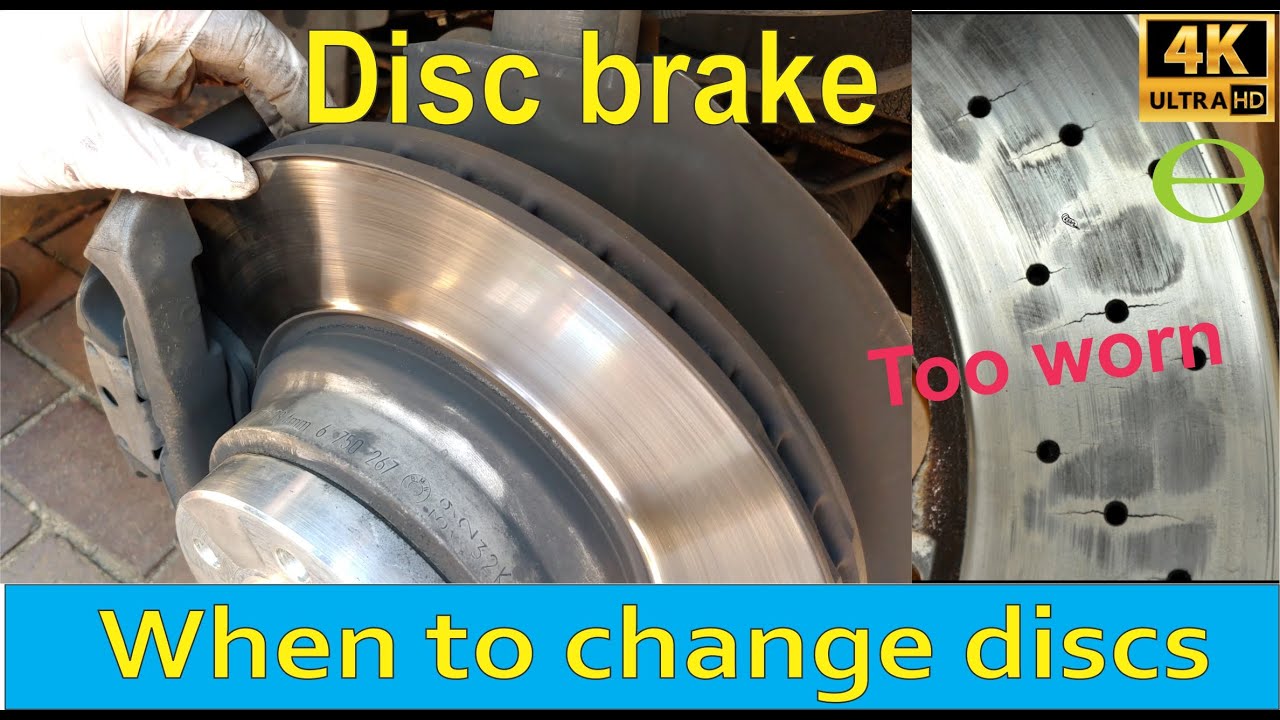
Cracks appear as small lines or splits on the rotor surface. Heat spots look like dark or blue patches. Both affect braking performance and cause vibrations. Inspect the rotor surface under good light. Any cracks or heat spots mean it’s time to replace the rotors.
Performance Symptoms
Performance problems often signal brake rotor issues. These symptoms affect how your car stops and handles. Recognizing them early helps avoid serious damage and keeps driving safe.
Reduced Braking Power
When rotors wear out, braking power drops. The car takes longer to slow down. Pressing the brake pedal feels less effective. This can be dangerous, especially in traffic or bad weather.
Pulling To One Side
Uneven rotor wear causes your car to pull left or right. The steering wheel may jerk during braking. This pulls your vehicle off a straight path. It needs immediate attention to prevent accidents.
Increased Stopping Distance
Worn rotors increase the distance your car needs to stop. You might notice it takes more space than before. This delay can cause collisions. Check your rotors if stopping feels slower than usual.
When To Replace Brake Rotors
Knowing when to replace brake rotors is key for safe driving. Rotors wear down over time. Signs of damage or thin rotors mean replacement is needed. Paying attention to these signs saves money and prevents accidents.
Rotors must meet specific thickness rules. Some damage cannot be fixed. Timing rotor replacement with brake pads can improve performance.
Manufacturer’s Thickness Guidelines
Each rotor has a minimum thickness. This limit is set by the maker. Mechanics measure rotors with a micrometer. If thickness is below the limit, replace the rotor. Thin rotors cause poor braking and heat build-up.
Signs Beyond Repair
Look for deep grooves or cracks on the rotor. Warped rotors cause vibrations while braking. Rust or corrosion can weaken the rotor. Excessive noise or poor stopping power also signals damage. Rotors with these problems need replacement immediately.
Timing With Brake Pad Replacement
Rotors often wear out with brake pads. Replacing both together saves time and effort. New pads on old rotors reduce braking quality. Check rotors every time you change brake pads. This keeps your brakes working smoothly and safely.
Credit: www.youtube.com
Preventive Maintenance Tips
Keeping brake rotors in good shape helps avoid costly repairs. Simple steps can extend their life and keep driving safe. Preventive care saves time and money by catching issues early.
Regular Inspections
Check brake rotors every few months or during oil changes. Look for cracks, grooves, or rust. Listen for unusual noises when braking. Early signs mean you can fix problems before they worsen.
Proper Driving Habits
Avoid sudden stops and hard braking. Smooth braking reduces wear on rotors and pads. Drive at steady speeds when possible. This lowers heat build-up, which damages rotors over time.
Quality Brake Components
Use good brake pads and rotors made from trusted brands. Cheap parts wear out faster and can harm rotors. High-quality parts fit better and last longer. They improve overall braking safety and performance.

Credit: mechanics.stackexchange.com
Frequently Asked Questions
How Do I Know If Brake Rotors Are Worn?
Worn brake rotors often cause vibrations or pulsations when braking. You may hear squealing or grinding noises. Visual signs include deep grooves or cracks on the rotor surface. If your braking feels less responsive, it’s time to inspect the rotors for wear or damage.
Can I Drive With Damaged Brake Rotors?
Driving with damaged rotors is unsafe and can worsen brake performance. It may cause longer stopping distances and uneven braking. If you notice vibrations or noise, get your rotors checked immediately. Replacing or resurfacing rotors ensures safe and smooth braking.
How Often Should Brake Rotors Be Replaced?
Brake rotors typically last 30,000 to 70,000 miles, depending on driving habits. Regular inspections every 12,000 miles help catch early wear. Replace rotors if they are warped, cracked, or below the minimum thickness specified by the manufacturer for safe braking.
What Causes Brake Rotors To Warp?
Brake rotors warp due to excessive heat from heavy braking or riding the brakes. Rapid cooling after intense braking can also cause warping. Uneven wear or poor-quality rotors contribute to this issue. Warped rotors lead to vibrations and reduced braking efficiency.
Conclusion
Brake rotors need attention to keep your car safe. Watch for signs like noise, vibration, or uneven wear. Regular checks help catch problems early. Replacing worn rotors improves braking and driving comfort. Don’t wait until issues get worse or cause damage.
Staying alert protects you and others on the road. Simple care keeps your brakes working well longer. Trust your senses and act when needed. Safe driving starts with good brake maintenance.


