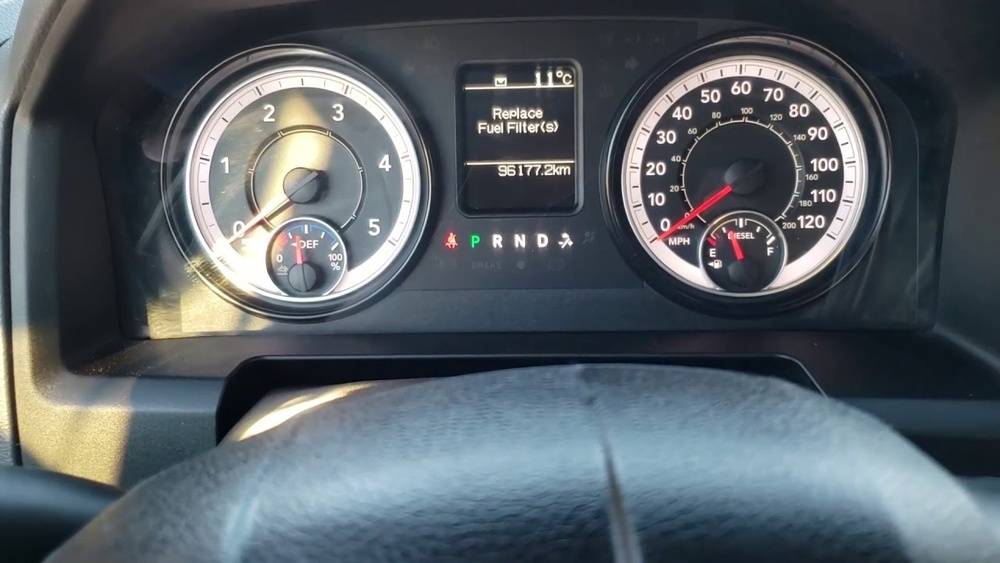
If you want to keep your engine running smoothly, installing an inline fuel filter is one of the smartest steps you can take. But maybe you’re worried it sounds complicated or that you’ll need expensive tools.
Don’t worry—you can do this yourself, even if you’re not a mechanic. In this guide, you’ll find simple, clear steps to install an inline fuel filter quickly and safely. By the end, you’ll save money, protect your engine, and boost your vehicle’s performance.
Ready to get started? Let’s dive in.
Tools And Materials Needed
To install an inline fuel filter, gather all necessary tools and materials first. This preparation helps the job go smoothly and fast. Having the right items avoids delays or mistakes during installation.
These tools and materials are common and easy to find. You do not need special equipment. Just basic tools and the correct fuel filter for your vehicle.
Essential Tools For Installation
Start with a set of wrenches or pliers. These help loosen and tighten hose clamps. A screwdriver is useful for clamp types that require it. A utility knife or hose cutter is needed to cut the fuel line cleanly.
Materials Required
Choose the correct inline fuel filter for your car’s make and model. Get replacement hose clamps if the old ones look worn out. Have a small container ready to catch any fuel that may spill. Keep some rags handy to wipe up spills and protect surfaces.
Safety Equipment
Wear safety gloves to protect your hands from fuel. Use safety goggles to shield your eyes from splashes. Work in a well-ventilated area to avoid breathing fuel vapors. A fire extinguisher nearby adds safety in case of emergencies.

Credit: www.reddit.com
Choosing The Right Inline Fuel Filter
Choosing the right inline fuel filter is key to keeping your engine clean and running smooth. A good filter stops dirt and rust from entering your fuel system. This protects your engine parts and helps avoid costly repairs. Knowing the right filter for your vehicle saves time and money.
Types Of Fuel Filters
Inline fuel filters come in several types. Paper filters are common and affordable. They trap dirt well but need regular change. Nylon filters last longer and resist damage from fuel. Metal filters are strong and reusable but cost more. Plastic filters are light and easy to install. Choose a type that fits your vehicle’s needs.
Filter Size And Compatibility
Filters come in different sizes for various fuel lines. Check your fuel line diameter before buying. A wrong size can cause leaks or poor fuel flow. Also, make sure the filter fits your vehicle model. Some filters work with gasoline, others with diesel. Match the filter to your fuel type and line size for best results.
Preparing Your Vehicle
Start by parking your vehicle on a flat surface and turning off the engine. Gather all tools and the new inline fuel filter before beginning the installation. Ensure the fuel system is depressurized to avoid spills and hazards.
Safety Precautions
Start by turning off your vehicle’s engine. Let it cool down to avoid burns. Work in a well-ventilated area to prevent inhaling fumes. Keep a fire extinguisher nearby for emergencies. Wear safety gloves and eye protection to shield yourself from fuel. Avoid open flames or sparks near the fuel system. Disconnect the vehicle’s battery to stop any electrical sparks. Take your time and stay focused on the task.
Locating The Fuel Line
Find the fuel line under the vehicle or near the engine. It is usually a rubber or metal tube. Follow it from the fuel tank to the engine. Look for the old fuel filter along this line. The fuel line may have clips or brackets holding it in place. Identify the right spot for the new inline fuel filter. Mark or remember this area for easy access during installation. Clean the area around the fuel line to avoid dirt entering the system.
Removing The Old Fuel Filter
Removing the old fuel filter is an important step before installing a new one. It ensures your fuel system stays clean and your engine runs smoothly. This process requires caution to avoid fuel leaks or damage to the fuel lines.
Start by preparing your workspace. Make sure the engine is off and cool. Wear safety glasses and gloves to protect yourself from fuel spills. Follow the steps carefully to remove the filter safely.
Relieving Fuel Pressure
Fuel pressure must be released before removing the filter. This stops fuel from spraying out and causing a mess.
Locate the fuel pump fuse or relay in the fuse box. Remove it to stop the fuel pump from running. Then, start the engine and let it run until it stops. This empties the fuel lines of pressure. Turn off the ignition after the engine stops.
Disconnecting Fuel Lines
Next, disconnect the fuel lines connected to the old filter. Use a rag to catch any small fuel drips.
Press the fuel line connectors to release them. Some connectors need a special tool. Check your vehicle’s manual for guidance. Pull the fuel lines off gently to avoid damage.
Be careful not to bend or crack the lines. Place the old filter on a rag to catch any leftover fuel. Now the filter is ready to be removed completely.
Installing The New Fuel Filter
Installing the new fuel filter is a key step in keeping your vehicle’s engine running smoothly. It removes dirt and rust from the fuel before it reaches the engine. A clean filter improves engine performance and fuel efficiency. Follow the steps carefully to ensure proper installation and avoid fuel leaks or damage.
Correct Filter Orientation
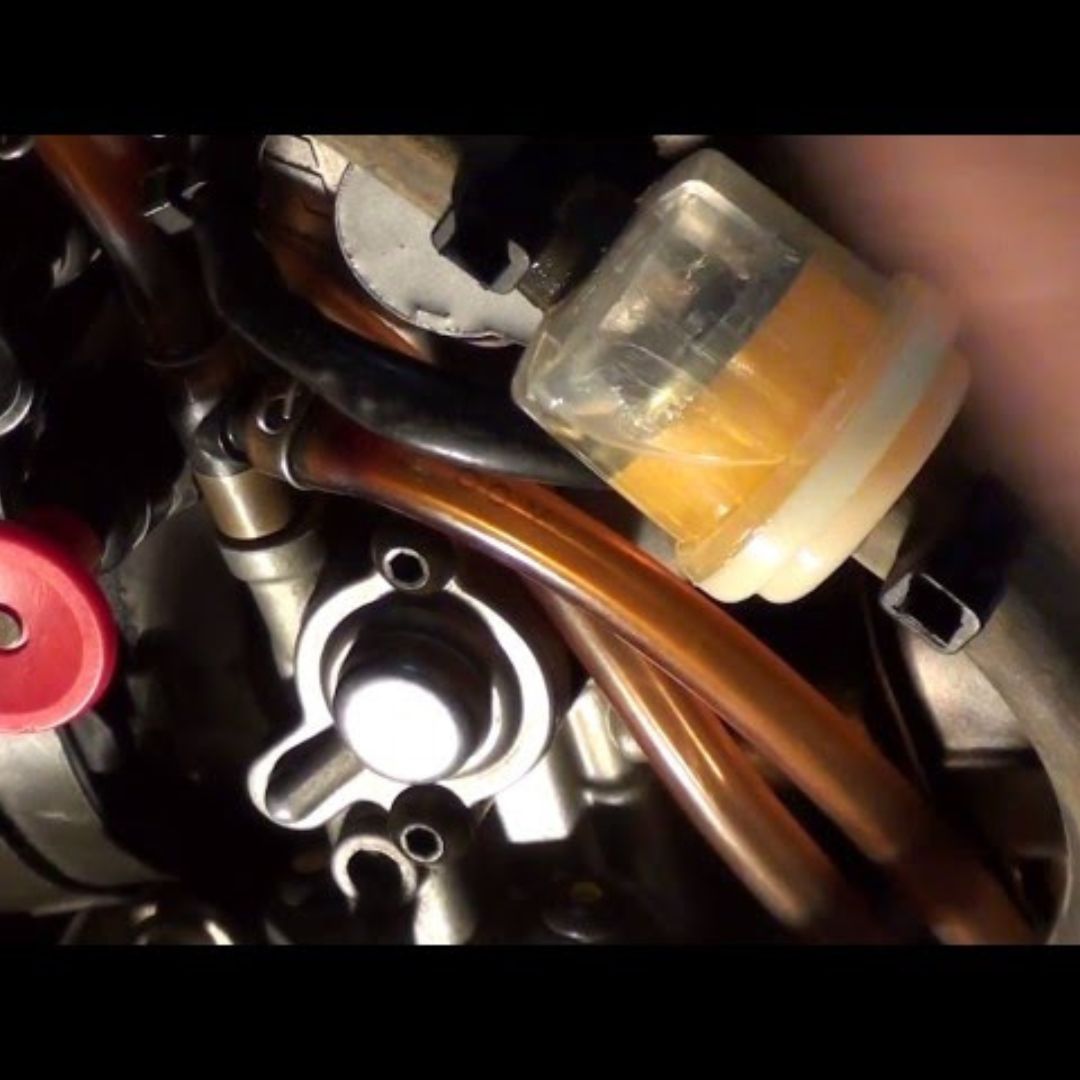
Look for the arrow on the fuel filter body. This arrow shows the direction of fuel flow. The arrow must point toward the engine. Installing the filter backward can block fuel flow and cause engine problems. Double-check the orientation before connecting the fuel lines.
Securing The Filter In Place
Place the filter in its holder or bracket. Make sure it fits snugly without forcing it. Use clamps or clips to hold the filter firmly. Tighten them enough to prevent movement but avoid overtightening. A loose filter can cause leaks and damage. After securing, check all connections for leaks before starting the engine.
Credit: riiroo.com
Testing For Leaks And Performance
Testing the inline fuel filter for leaks and performance is a crucial step after installation. It ensures the fuel system works safely and efficiently. Leaks can cause fuel loss and pose fire risks. Proper flow confirms the filter does not block fuel delivery. Take time to check carefully before driving.
Starting The Engine
Turn the ignition key to start the engine. Listen for unusual sounds like sputtering or stalling. These signs may indicate air in the fuel line or a clogged filter. Let the engine run for a few minutes to stabilize. Watch for smooth operation. If the engine runs rough, shut it off and recheck the installation.
Inspecting Connections
Look closely at all connections around the fuel filter. Check for wet spots or the smell of fuel. Tighten any loose clamps or fittings gently. Use a clean cloth to wipe away any fuel residue. Do not ignore small drips; they can become larger leaks. Confirm there is no fuel smell near the filter area after the engine runs.
Maintenance Tips For Fuel Filters
Maintaining your inline fuel filter is key to keeping your engine healthy. Clean fuel helps your vehicle run smoothly. Regular care avoids costly repairs and improves performance.
Fuel filters catch dirt and debris before they reach the engine. Over time, these filters get clogged. This reduces fuel flow and hurts engine power.
Replacement Intervals
Replace your fuel filter based on the vehicle’s manual. Most need changing every 20,000 to 40,000 miles. Harsh driving or poor fuel quality may require earlier replacement. Stick to a schedule to keep fuel flowing freely.
Signs Of A Clogged Filter
Watch for engine sputtering or slow acceleration. Hard starts or stalling can also mean a clogged filter. A drop in fuel efficiency often signals trouble. Check the filter if you notice any of these signs.

Credit: www.pistonheads.com
Frequently Asked Questions
What Tools Are Needed To Install An Inline Fuel Filter?
You need a wrench, screwdrivers, pliers, and a new inline fuel filter. Safety gloves and eye protection are recommended. These tools help you remove the old filter and securely fit the new one without leaks or damage.
How Often Should You Replace An Inline Fuel Filter?
Replace your inline fuel filter every 20,000 to 30,000 miles or as recommended by the vehicle manufacturer. Frequent replacement ensures clean fuel flow, protects the engine, and improves overall vehicle performance.
Can I Install An Inline Fuel Filter Myself?
Yes, installing an inline fuel filter is a simple DIY task. Follow safety precautions, disconnect the fuel line, remove the old filter, and install the new one in the correct direction. Always check for leaks after installation.
Where Is The Inline Fuel Filter Located In A Vehicle?
The inline fuel filter is usually located along the fuel line between the gas tank and the engine. Common places include under the vehicle near the fuel tank or in the engine bay. Consult your vehicle’s manual for exact location.
Conclusion
Installing an inline fuel filter is simple and important. It helps keep your engine clean and running well. Follow the steps carefully and use the right tools. Check the filter regularly to avoid problems later. Taking time now saves you money and trouble down the road.
A clean fuel system means better car performance and longer engine life. Keep your vehicle healthy by changing the filter on time. You can do this yourself with some patience and care. No need to pay for expensive repairs if you stay on top of maintenance.