

Are you ready to take your car wash to the next level? Knowing how to mix soap for your foam cannon can make all the difference in getting that thick, rich foam that clings to your vehicle and lifts away dirt effortlessly.
But if you’ve ever struggled with weak foam or wasted soap, you’re not alone. This guide will show you simple steps to create the perfect soap mixture every time, saving you money and giving your car that professional, spotless finish you want.
Keep reading, and you’ll soon be washing smarter, not harder.

Credit: stonercarcare.com
Choosing The Right Soap
Choosing the right soap is key for a great foam cannon experience. The soap affects foam quality, cleaning power, and safety. Using the best soap helps create thick, long-lasting foam that lifts dirt easily. It also protects your car’s paint and the foam cannon itself. Let’s explore how to pick the perfect soap for your foam cannon.
Types Of Soaps For Foam Cannons
There are several soap types for foam cannons. Car wash soaps work best. They produce rich foam and clean gently. Some soaps are made for pressure washers or foam guns. Avoid dish soaps or household cleaners. They can harm your car’s paint or strip wax.
Look for car wash soaps labeled “foam cannon safe” or “pH balanced.” These soaps create thick bubbles and rinse off easily. They also protect your vehicle’s finish.
Soap Ingredients To Look For
Choose soaps with gentle surfactants. Surfactants help form foam and lift dirt. Common safe surfactants are sodium lauryl sulfate or cocamidopropyl betaine. These clean well without harsh effects.
Opt for soaps with added conditioners or gloss enhancers. They improve shine and protect paint. Natural ingredients like aloe or chamomile are good for delicate finishes.
Avoiding Harmful Additives
Stay away from soaps with strong acids or alkalis. These can damage paint and strip wax. Avoid soaps with harsh detergents or bleach. They harm both your car and foam cannon parts.
Do not use soaps with heavy fragrances or dyes. These ingredients can leave residues or cause fading. Simple, clean formulas work best for safe, effective washing.

Credit: www.amazon.com
Preparing Your Equipment
Preparing your equipment is the first step to mix soap for a foam cannon. Proper preparation ensures a smooth and safe cleaning process. Taking time to set up correctly saves effort later. Follow these key points to get ready.
Selecting A Compatible Foam Cannon
Choose a foam cannon that fits your pressure washer. Compatibility affects foam quality and spray consistency. Check the nozzle size and connection type. Use a foam cannon designed for your washer’s pressure range. This prevents damage and improves soap mixing.
Pressure Washer Settings
Adjust your pressure washer to the right settings. Use medium pressure for better foam production. Too high pressure can reduce foam. Set water flow to match the foam cannon’s needs. A balanced setting helps mix soap and air well.
Safety Gear Essentials
Wear safety gear before starting. Use goggles to protect your eyes from soap splashes. Gloves keep your hands safe from chemicals. Wear closed shoes to avoid slips. Safety gear prevents injuries during the cleaning process.
Mixing Soap For Foam Cannon
Mixing soap for a foam cannon is key to getting thick, lasting foam. The right soap and water mix affects how well the foam sticks and cleans. Small changes in the mix can make a big difference in foam quality. Understanding how to mix soap properly helps you get the best results every time.
Ideal Soap-to-water Ratios
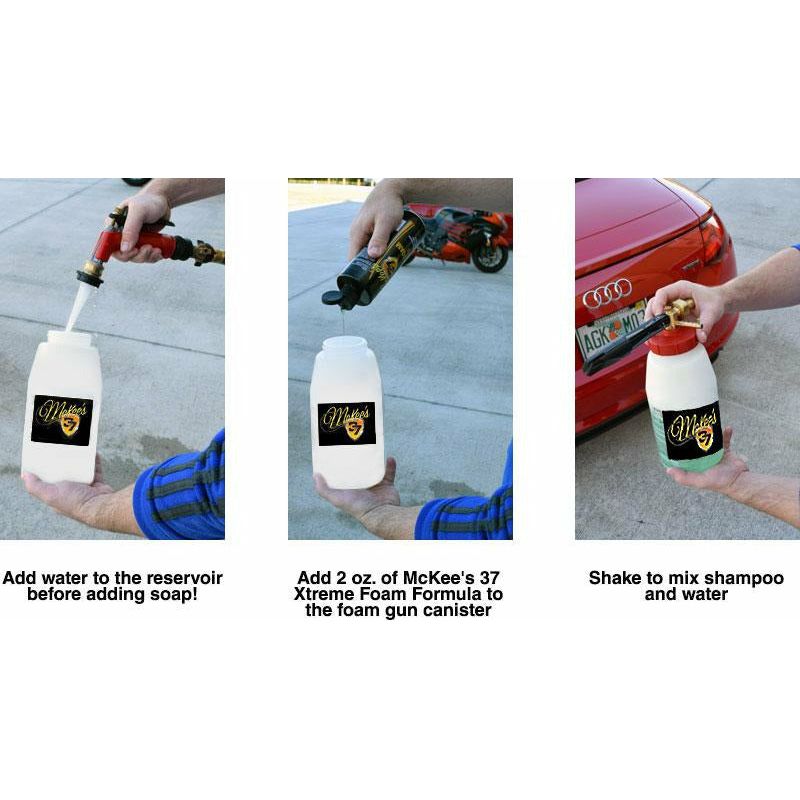
The common soap-to-water ratio is between 1:20 and 1:30. This means one part soap to 20 or 30 parts water. Too much soap creates heavy foam that won’t rinse well. Too little soap makes thin foam that breaks fast. Start with a 1:25 ratio for balanced foam and adjust as needed.
Using Warm Vs. Cold Water
Warm water helps soap dissolve faster, creating smoother foam. Cold water can make the soap mix less even and reduce foam thickness. Avoid hot water; it can damage the foam cannon parts. Lukewarm water gives the best mix for strong, stable foam.
Mixing Techniques For Consistency
Pour soap into the water slowly while stirring gently. Stirring avoids bubbles forming inside the mix. Use a clean container to stop dirt or oils from affecting foam. Let the mixture sit for a few minutes before using. This helps the soap fully blend with the water.
Credit: mckees37.com
Optimizing Foam Quality
Optimizing foam quality is key to getting the best results from your foam cannon. Good foam helps clean surfaces better and lasts longer. The right balance of pressure, soap mix, and additives can create thick, rich foam. Small changes in setup can make a big difference in foam performance.
Adjusting Pressure And Flow Rate
Pressure affects how thick your foam turns out. Too high pressure can break the foam quickly. Too low pressure may create weak foam. Find the right balance by testing different pressure settings. Flow rate controls how much soap and water mix together. Adjust flow to get the right soap concentration. Experiment slowly until the foam looks dense and stable.
Adding Boosters And Enhancers
Boosters improve foam strength and texture. Some common boosters include foam stabilizers and conditioners. These additives help bubbles last longer without popping. Use small amounts to avoid making the mix too thick. Follow product instructions carefully. Enhancers also protect surfaces and improve cleaning power. Add them to your soap mix for better foam and results.
Tips For Thick And Long-lasting Foam
Use warm water to mix your soap. It helps dissolve soap better and creates smoother foam. Avoid hard water; it weakens foam quality. Rinse your foam cannon after each use to remove residue. Keep your soap mix fresh; old soap loses foaming power. Use a high-quality soap designed for foam cannons. Test your mix regularly to keep foam thick and long-lasting.
Common Mistakes To Avoid
Mistakes in mixing soap for a foam cannon can ruin your cleaning process. They waste soap, damage equipment, or give poor foam results. Avoiding common errors helps you get thick, lasting foam every time. Understanding these mistakes saves time and money.
Overconcentration Risks
Using too much soap causes thick foam that clogs the cannon. It may leave sticky residue on surfaces. Overconcentration wastes soap and water. It also makes rinsing harder. Always follow recommended soap-to-water ratios for best foam.
Using Incompatible Soaps
Not all soaps work well with foam cannons. Some soaps create little foam or damage seals. Avoid detergents with harsh chemicals or oils. Use soaps designed for foam cannons only. This keeps the cannon safe and foam strong.
Ignoring Equipment Maintenance
Skipping regular cleaning of your foam cannon leads to buildup. Soap residue blocks nozzles and lowers performance. Rinse and clean all parts after use. Check for wear and replace damaged pieces. Proper care keeps your foam cannon working well longer.
Maintaining Your Foam Cannon
Maintaining your foam cannon helps it last longer and work better. Cleaning and storing it right prevents damage and clogs. Regular checks catch small problems before they grow. These steps save time and money over time.
Cleaning After Use
Rinse the foam cannon with clean water after each use. This removes leftover soap and dirt. Run water through the nozzle and soap container until clear. Wipe the outside with a damp cloth to avoid buildup. Let it dry fully before storing to stop mold growth.
Storing Soap Solutions
Keep soap solutions in a cool, dark place to keep them fresh. Use airtight containers to stop spills and contamination. Avoid storing soap for too long; fresh mixes work best. Label containers with the mixing date for easy tracking. Always shake before use to keep ingredients mixed well.
Regular Equipment Checks
Look over the foam cannon parts regularly for cracks or leaks. Check the nozzle for clogs and clean it if needed. Tighten any loose fittings to prevent leaks during use. Replace worn parts quickly to keep the foam strong. Test the cannon before each use to ensure it works well.
Frequently Asked Questions
What Soap Is Best For Foam Cannon Mixing?
Use a pH-neutral car wash soap for foam cannons. It produces thick foam without damaging paint or equipment. Avoid dish soaps as they strip wax and harm surfaces. Choose soaps specifically labeled for foam cannon use to ensure safety and optimal foam quality.
How Much Soap Should I Mix For Foam Cannon?
Typically, mix 1 to 2 ounces of soap per gallon of water. Adjust the ratio based on foam thickness desired. Start with less soap and increase if foam is too thin. Always follow soap manufacturer’s instructions for best results.
Can I Use Homemade Soap For Foam Cannons?
Yes, you can make homemade soap using gentle ingredients like castile soap. Avoid harsh detergents that can harm car paint and foam cannons. Homemade mixes may not produce as thick foam as commercial soaps but can be cost-effective and safe.
Why Is Water Quality Important In Foam Cannon Mix?
Soft or filtered water produces better foam than hard water. Hard water contains minerals that reduce foam quality and soap effectiveness. Using distilled or deionized water improves foam consistency and protects your foam cannon from clogging.
Conclusion
Mixing soap for a foam cannon is simple and fun. Use the right soap and water ratio for best results. Too much soap can cause streaks, too little means less foam. Test your mix and adjust as needed. Clean your foam cannon after each use to keep it working well.
Enjoy a thick, rich foam that makes washing easier and faster. Keep practicing, and you will get perfect foam every time.

