

If you want your car to sparkle without spending a fortune on expensive soaps, making your own pressure washer soap is the perfect solution. Imagine saving money while using a soap that’s gentle on your car’s paint but tough on dirt and grime.
In this guide, you’ll discover simple steps to create an effective, homemade soap that works perfectly with your pressure washer. Ready to give your car that showroom shine? Keep reading, because what you’ll learn here could change the way you clean your car forever.
Choosing The Right Ingredients
Choosing the right ingredients is key to making effective pressure washer soap for cars. The ingredients must clean well without damaging the car’s paint or finish. Simple, safe, and gentle components work best. This section explains how to pick the best materials for your homemade car wash soap.
Soap Base Options
A soap base forms the main cleaning power of your solution. Castile soap is a popular choice because it is natural and gentle. Liquid castile soap breaks down dirt but does not harm paint or wax. Another good option is a mild dish soap. It cleans grease and grime but should be free of dyes or strong fragrances. Avoid heavy-duty soaps that can strip wax or damage surfaces.
Essential Additives
Additives improve cleaning and protect your car. Glycerin helps keep the soap smooth and prevents drying out. A small amount of white vinegar can boost cleaning power and remove water spots. Essential oils like lemon or lavender add a fresh scent and mild antibacterial properties. Use these additives in small amounts to keep the soap safe and effective.
Avoiding Harmful Chemicals
Harsh chemicals can ruin your car’s finish. Stay away from bleach, ammonia, or strong acids. These can strip paint and damage metal parts. Avoid phosphates and sulfates, which harm the environment. Do not use abrasives that can scratch the car’s surface. Choose ingredients that are biodegradable and gentle on both your car and nature.
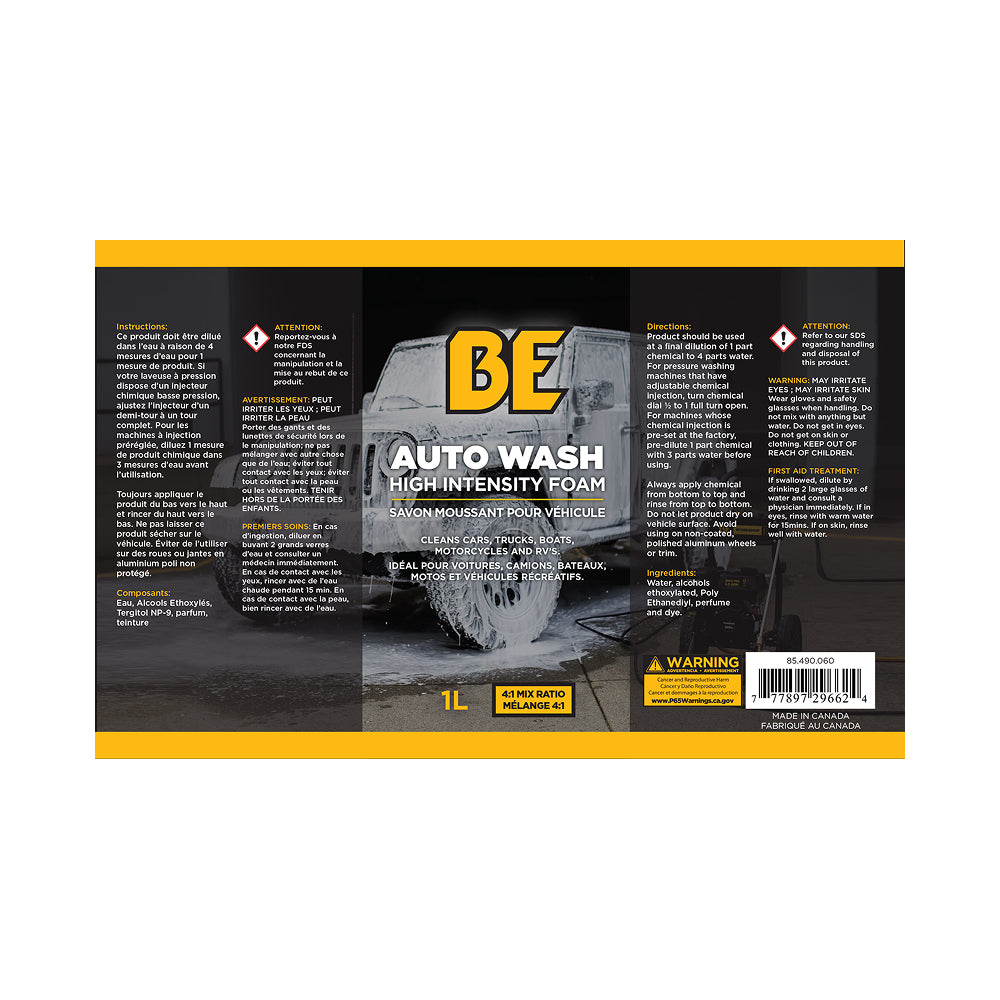
Credit: bepowerequipment.com
Tools And Materials Needed
Making your own pressure washer soap for cars needs some basic tools and materials. These items help you measure, mix, and store the soap properly. Having the right tools makes the process easy and safe. It also ensures your soap works well on your car’s surface.
Measuring Equipment
Accurate measurements are key to a good soap mix. Use measuring cups or spoons made of plastic or metal. They help you add the right amount of each ingredient. A small digital scale can also be useful for precise measurements. Avoid guessing amounts to keep your soap balanced.
Mixing Containers
Choose containers that are clean and large enough to hold the soap mixture. Plastic or glass buckets work well. They should be sturdy and easy to clean. Mixing containers with measurement marks save time and reduce errors. Stir the soap with a clean spoon or stick for an even mix.
Storage Solutions
Store your homemade soap in sealed containers to keep it fresh. Plastic bottles with tight lids are ideal. Label the containers with the date and contents. Keep the soap in a cool, dry place away from sunlight. Proper storage preserves the soap’s quality for future use.
Step-by-step Soap Making Process
Making your own pressure washer soap for cars can be simple and cost-effective. Follow the step-by-step process to create a soap that cleans well and protects your car’s paint. This guide breaks down the key steps for making the soap at home.
Preparing The Soap Base
Start with a gentle soap base. Castile soap or liquid dish soap works well. Measure about one cup of the base for a small batch. Pour it into a clean container. This base will carry the cleaning power and foam.
Use warm water to help mix the soap base better. Avoid hot water as it can damage some ingredients. Stir the mixture slowly to prevent bubbles.
Adding Surfactants And Boosters
Surfactants help lift dirt and grease from the car surface. Add about two tablespoons of a mild surfactant like sodium lauryl sulfate. This ingredient creates foam and improves cleaning.
Next, add boosters for shine and protection. A tablespoon of white vinegar or a few drops of essential oils can help. Vinegar cuts through grime. Oils add a fresh scent without harming the car.
Mixing And Blending Tips
Mix all ingredients gently but thoroughly. Use a whisk or spoon to blend without making foam. The soap should be smooth and even.
Store your soap in a sealed bottle. Shake well before each use. This keeps the ingredients active and ready to clean.
Customizing Soap For Car Types
Customizing soap for different car types helps protect the paint and improve cleaning. Each car has unique needs based on its paint and dirt level. Using the right soap makes washing safer and more effective. Adjusting soap formulas can prevent damage and give better shine.
Below are simple soap recipes for sensitive paints and heavily soiled vehicles.
Formulas For Sensitive Paints
Cars with sensitive paint need gentle soap. Harsh chemicals can cause scratches or dullness. Use a mild dish soap mixed with water for a safe wash. Add a small amount of car-safe conditioner to protect the finish. Avoid strong detergents or acids in this formula. Mix one cup of mild soap with five gallons of water. Stir gently to avoid creating too many bubbles.
Solutions For Heavily Soiled Vehicles
Heavy dirt requires stronger cleaning power. Use a mix of car wash soap and a bit of baking soda. Baking soda helps lift tough grime without scratching. Combine two cups of car soap with one tablespoon of baking soda in five gallons of water. Stir well until baking soda dissolves. This soap cuts through mud and road grime effectively. Rinse the car well after washing to avoid residue.
Using Your Diy Soap With A Pressure Washer
Using your DIY soap with a pressure washer makes car cleaning easy and effective. The right mix and careful handling help your car shine without damage. Follow simple steps to get the best results from your homemade soap.
Dilution Ratios
Mix your soap with water before use. A common ratio is one part soap to ten parts water. This balance helps clean without leaving residue. Check your soap’s thickness and adjust as needed. Too strong can harm paint; too weak may not clean well.
Application Techniques
Start with a low-pressure setting on your washer. Spray from top to bottom for full coverage. Keep the nozzle moving to avoid damage. Use a wide spray tip to spread soap evenly. Let soap sit for a few minutes but do not let it dry.
Safety Precautions
Wear gloves and eye protection during use. Avoid spraying directly on electrical parts of the car. Keep the pressure washer nozzle away from your body. Test spray on a small area first to check soap reaction. Store your soap safely away from children and pets.
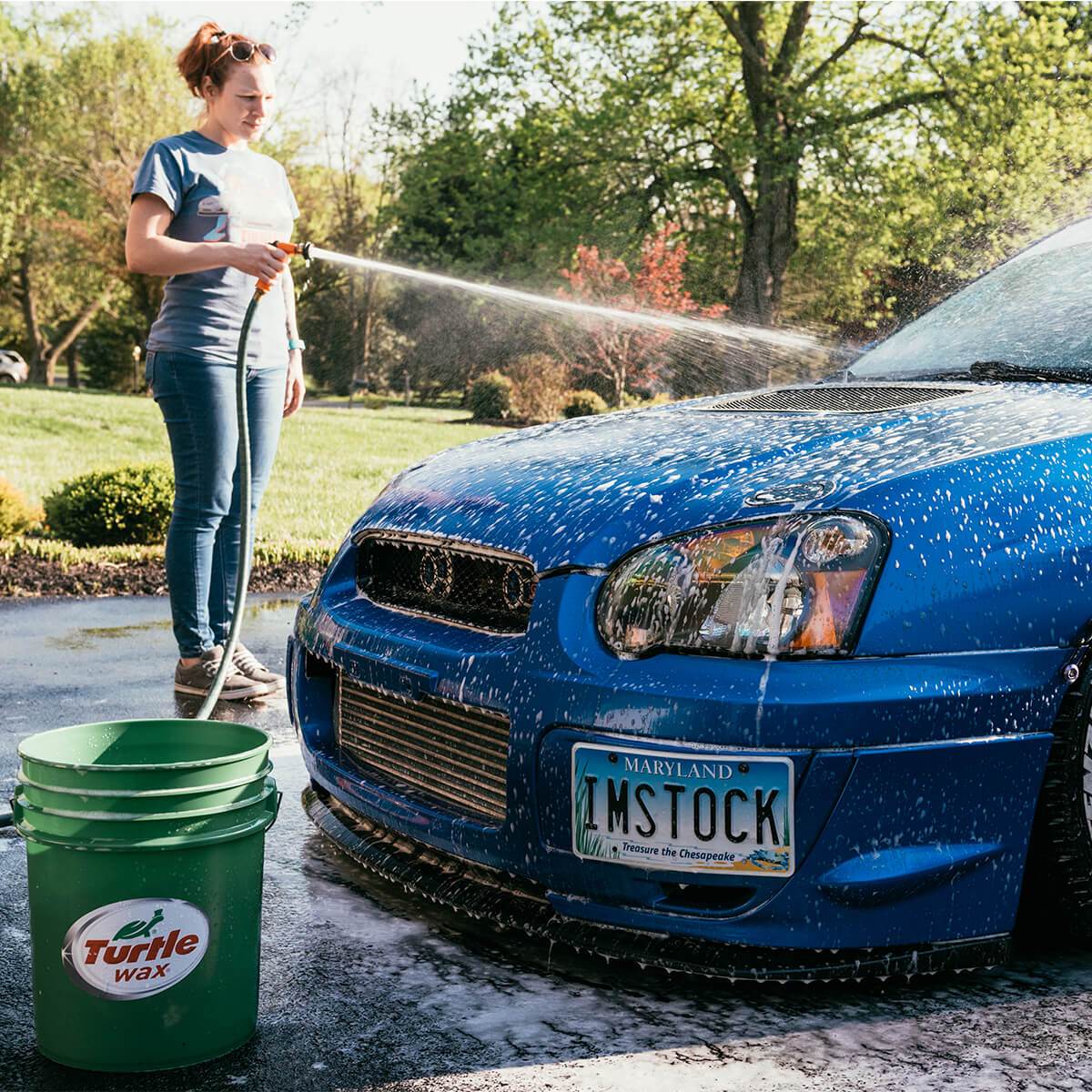
Credit: www.turtlewax.com
Storage And Shelf Life
Proper storage is key to keeping your pressure washer soap effective. The right storage helps maintain its cleaning power. It also prevents the soap from spoiling or losing quality quickly. Understanding how to store your soap will save money and effort.
Knowing the shelf life of your homemade soap helps you use it before it goes bad. This means better results for your car wash every time. It also helps avoid waste and keeps your cleaning routine smooth.
Proper Containers
Choose containers that seal tightly to keep air out. Plastic or glass bottles with screw caps work well. Avoid containers that let light pass through. Light can break down soap ingredients and weaken the formula.
Keep containers clean before filling them. Residue or dirt can spoil the soap faster. Label containers with the date you made the soap. This helps track how long it has been stored.
Extending Freshness
Store soap in a cool, dry place away from sunlight. Heat and moisture speed up soap degradation. Avoid storing near heaters or windows.
Shake the container gently before each use. This mixes ingredients that may settle over time. If the soap thickens, add a little distilled water to thin it out.
Use smaller containers for daily use and keep the bulk stored safely. This reduces exposure and keeps the main supply fresh longer.
Troubleshooting Common Issues
Troubleshooting is key to getting the best results from your pressure washer soap. Simple problems can stop your soap from working well. Knowing how to fix these issues saves time and effort. Below are common problems and easy fixes.
Soap Not Lathering
Soap that does not create foam can feel like it is not cleaning well. Check if the soap is too diluted. Add a little more soap to the water mix. Use warm water to help the soap dissolve better. Make sure the pressure washer nozzle is the right size. A wrong nozzle can reduce soap flow and lather. Stir the soap mix well before using.
Residue Problems
Residue left on the car can make it look dirty. This happens if the soap is too thick or not rinsed well. Use the right amount of soap, not too much. Rinse the car thoroughly after washing. Avoid washing in direct sunlight to stop soap from drying too fast. Check the soap ingredients for anything that might leave residue.
Pressure Washer Compatibility
Not all soaps work with every pressure washer. Some machines need special soap types. Read the pressure washer manual for soap instructions. Use soaps made for pressure washers, not regular dish soap. Test a small amount of soap first to see if it works well. Choose a soap that matches your pressure washer’s PSI and GPM ratings.

Credit: activeproducts.com
Frequently Asked Questions
What Ingredients Are Needed For Pressure Washer Soap?
You need liquid dish soap, water, and sometimes a small amount of vinegar. These ingredients create a safe, effective cleaning solution for cars. Avoid harsh chemicals that can damage paint or seals. Use gentle, biodegradable soap for best results.
How Do I Mix Soap For A Pressure Washer?
Mix one part liquid dish soap with four parts water. Stir gently to avoid foam. Pour the solution into your pressure washer’s detergent tank. Always check your washer’s manual for specific soap guidelines before use.
Can I Use Homemade Soap In Any Pressure Washer?
Most pressure washers can use homemade soap, but check your model’s manual first. Some washers require specific detergents to avoid damage. Homemade soap is ideal for light cleaning and eco-friendly washing.
Is Homemade Pressure Washer Soap Safe For Car Paint?
Yes, homemade soap with mild dish soap is safe for car paint. It effectively removes dirt without harsh chemicals. Avoid using bleach or acidic cleaners that can harm your car’s finish.
Conclusion
Making your own pressure washer soap for cars saves money and time. It uses simple ingredients you can find easily. The soap cleans well without harming your car’s paint. You control the strength and scent. This way, you get a cleaner car with less effort.
Try it out on your next wash. Your car will look fresh and shiny. Enjoy the satisfaction of doing it yourself. Safe, easy, and effective—what more could you want?


