

Thinking about giving your car a fresh new look with a vinyl wrap? Before you start, there’s one crucial step you can’t skip: measuring your car accurately.
If you get this wrong, you could end up wasting money, time, and materials. But don’t worry—measuring your car for a vinyl wrap doesn’t have to be confusing or overwhelming. You’ll learn simple, clear steps to measure every part of your vehicle perfectly.
By the end, you’ll feel confident and ready to transform your car without any guesswork. Keep reading to make sure your vinyl wrap fits like a glove!

Credit: www.youtube.com
Tools Needed
Measuring a car for vinyl wrap needs the right tools. These tools help you get exact sizes and avoid mistakes. Prepare everything before starting the measurement process. This saves time and effort later. Use tools that are easy to handle and reliable. Keep your measurements clear and precise for the best results.
Measuring Tape
A measuring tape is the main tool for this job. Choose a tape that is long enough to cover the car’s length and width. A flexible tape works best on curved surfaces. Make sure the tape has clear numbers and marks. This helps you read measurements quickly and correctly.
Masking Tape
Masking tape helps mark the points on the car where you measure. It sticks well but removes without damage. Use it to mark edges and corners. This keeps your measurements organized and easy to follow. It also helps in aligning the vinyl wrap later.
Marker Or Chalk
A marker or chalk helps write down measurements on the masking tape. Choose a color that stands out against the car’s paint. Write clearly and avoid smudging. This makes it simple to check and record sizes. Use chalk for temporary marks if needed.
Helper Or Assistant
Having a helper makes measuring easier and faster. One person can hold the tape while the other marks points. A second pair of eyes helps avoid mistakes. Communication between you and your helper is key. This teamwork ensures accurate and smooth measuring.
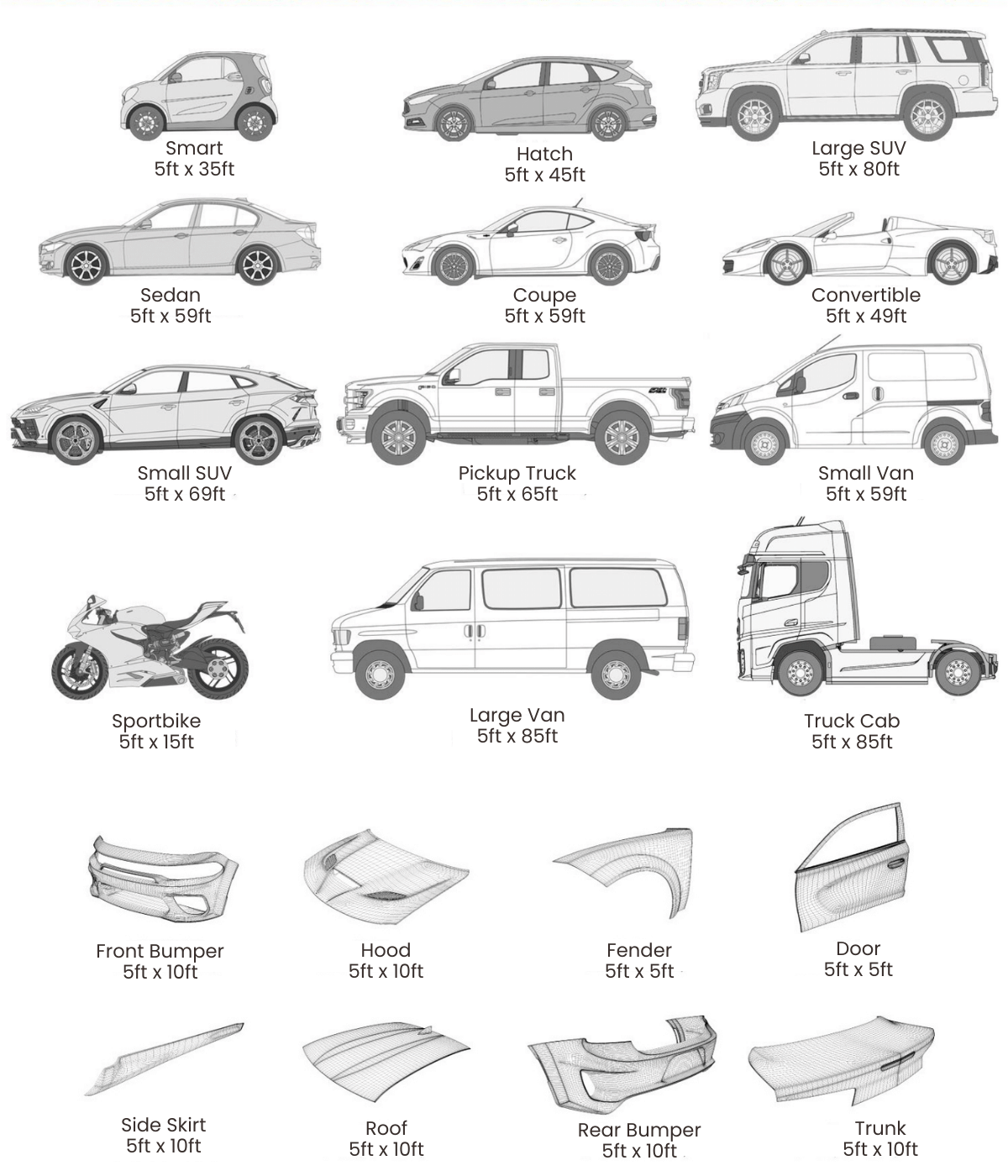
Credit: yeswrap.com
Preparing The Car
Preparing your car before measuring it for a vinyl wrap is crucial. A clean and clear surface helps you get exact measurements. It also makes the wrapping process smoother and more effective. Follow these steps to prepare your car well.
Clean The Surface
Wash your car thoroughly to remove dirt and dust. Use soap and water for best results. Dry the surface with a soft cloth to avoid spots. A clean surface ensures the vinyl sticks properly. It also prevents bubbles and wrinkles during application.
Remove Obstacles
Take off any accessories like antennas, mirrors, or badges. Clear away items that block the car’s surface. This step helps you measure every part accurately. It also makes the wrap fit better without gaps or creases.
Park On A Flat Surface
Choose a flat, level spot to park your car. This position keeps the car steady while measuring. It prevents errors caused by uneven ground or slopes. A flat surface is key for precise length and width readings.
Measuring Length And Width
Measuring the length and width of your car is a key step before applying a vinyl wrap. Accurate measurements help ensure the vinyl fits well without waste or gaps. Take your time and be precise. Use a tape measure and write down each dimension. Start with the main flat surfaces and work around the car.
Measure Car Sides
Stand beside the car to measure each side. Measure from the front fender to the rear wheel arch. Note the height from the bottom edge to the window line. Measure both sides separately. Cars may differ slightly on each side.
Measure Hood And Roof
For the hood, measure the length from the windshield to the front bumper. Measure the width at the widest point. For the roof, measure from the top of the windshield to the rear window. Then, measure the width between the door edges. Record all numbers carefully.
Measure Trunk And Rear
Measure the trunk length from the rear window to the back bumper. Measure the width across the widest part of the trunk. Include the rear bumper area for a full wrap. Write down these measurements clearly for reference.
Measuring Curves And Contours
Measuring curves and contours on a car is key for a smooth vinyl wrap. Straight measurements don’t work well here. The surface bends and curves in many places. Accurate measurements help avoid wrinkles and gaps in the wrap. Take your time and follow these tips.
Wrap Tape Along Curves
Use masking tape to follow the car’s curves. Place the tape gently along the edge you want to measure. This shows the exact path of the curve. Then, mark the tape with a pen or pencil. Remove the tape and measure its length with a ruler or tape measure. This method captures curves better than straight lines.
Use Flexible Measuring Tools
Flexible tools like cloth measuring tapes work best on curves. They bend easily and fit the shape of the car. Press the tape closely to the surface for precise results. Avoid stiff metal tapes that can miss the shape. Use flexible tapes to measure around mirrors, bumpers, and wheel arches.
Accounting For Doors And Panels
Measuring the doors and panels is a key step when wrapping a car with vinyl. Each door and panel has different shapes and sizes. Careful measurement ensures the vinyl fits well without gaps or wrinkles.
Doors and panels include the main door surface, side mirrors, and handles. These parts stick out and need extra vinyl to cover them properly. Skipping these details can cause problems during installation.
Measure Each Door Separately
Measure the height and width of each door individually. Doors vary in size, even on the same car. Note the curves and edges to get accurate dimensions. Use a tape measure for precise results. Write down measurements for every door to avoid mistakes later.
Include Side Mirrors And Handles
Side mirrors and handles are tricky shapes that require extra vinyl. Measure their height, width, and depth carefully. Add extra length to wrap around these parts. This step prevents gaps and protects the edges of the wrap. Remember to include these in your total vinyl calculation.
Calculating Extra Material
Calculating extra material is a key step in wrapping a car with vinyl. It helps avoid running short during installation. Always measure carefully and add some extra to cover all areas properly. This ensures a smooth, bubble-free finish and protects edges from peeling.
Add Overlaps And Stretch Allowance
Start by adding overlap to your measurements. Overlap means extra vinyl that covers edges and seams. It helps hide gaps and creates a clean look. Usually, add 2 to 4 inches on each side for overlap.
Stretch allowance is also important. Vinyl wrap can stretch slightly during application. Add extra material to allow for this stretch. This prevents the wrap from tearing or shrinking.
Consider Errors And Adjustments
Always plan for measurement mistakes. Small errors happen even with careful measuring. Adding 10% extra material covers these mistakes.
Adjust for curves and complex parts. These areas need more vinyl to wrap smoothly. Extra material lets you work without stress or rushing.
Recording Measurements
Recording measurements is a crucial step before applying a vinyl wrap. Accurate data ensures the wrap fits perfectly. It prevents wasting material and saves time during installation.
Taking clear and organized notes helps avoid mistakes. Use a system that lets you track every part of your car. This way, you can refer back easily while working on the wrap.
Create A Measurement Chart
Start by drawing a simple chart or table. List each car section, such as doors, hood, roof, and bumpers. Write down the length and width for every part.
Include extra space for curves and edges. This helps cover all areas without gaps. A chart keeps your measurements neat and easy to read.
Double Check All Dimensions
Measure each section twice or thrice to confirm accuracy. Small errors can cause large problems during wrapping. Use a tape measure that shows clear numbers.
Check angles and curves carefully, as they affect the vinyl fit. Cross-verify your chart with the actual car parts. Accurate measurements make the wrapping process smooth and successful.
Final Tips For Accuracy
Getting the measurements right is key to a smooth vinyl wrap job. Small mistakes in measuring can cause big problems later. These final tips help you check your work and avoid errors. Careful steps make your wrap fit perfectly.
Take Photos For Reference
Snap clear photos of your car from all angles. Photos help you remember exact shapes and curves. Use them to check measurements or show details later. Pictures are a simple way to keep track of your work.
Keep photos organized by parts of the car. This makes it easier to find details when cutting the vinyl. Use your phone or camera to capture close-ups and wide shots.
Consult With Wrap Professionals
Talk to experienced wrap installers before starting. They can spot mistakes or suggest better ways to measure. Professionals understand tricky areas that may cause errors. Their advice saves time and materials.
Show your measurements and photos to get feedback. Use their tips to adjust your plan. A quick chat with an expert can prevent costly problems later.
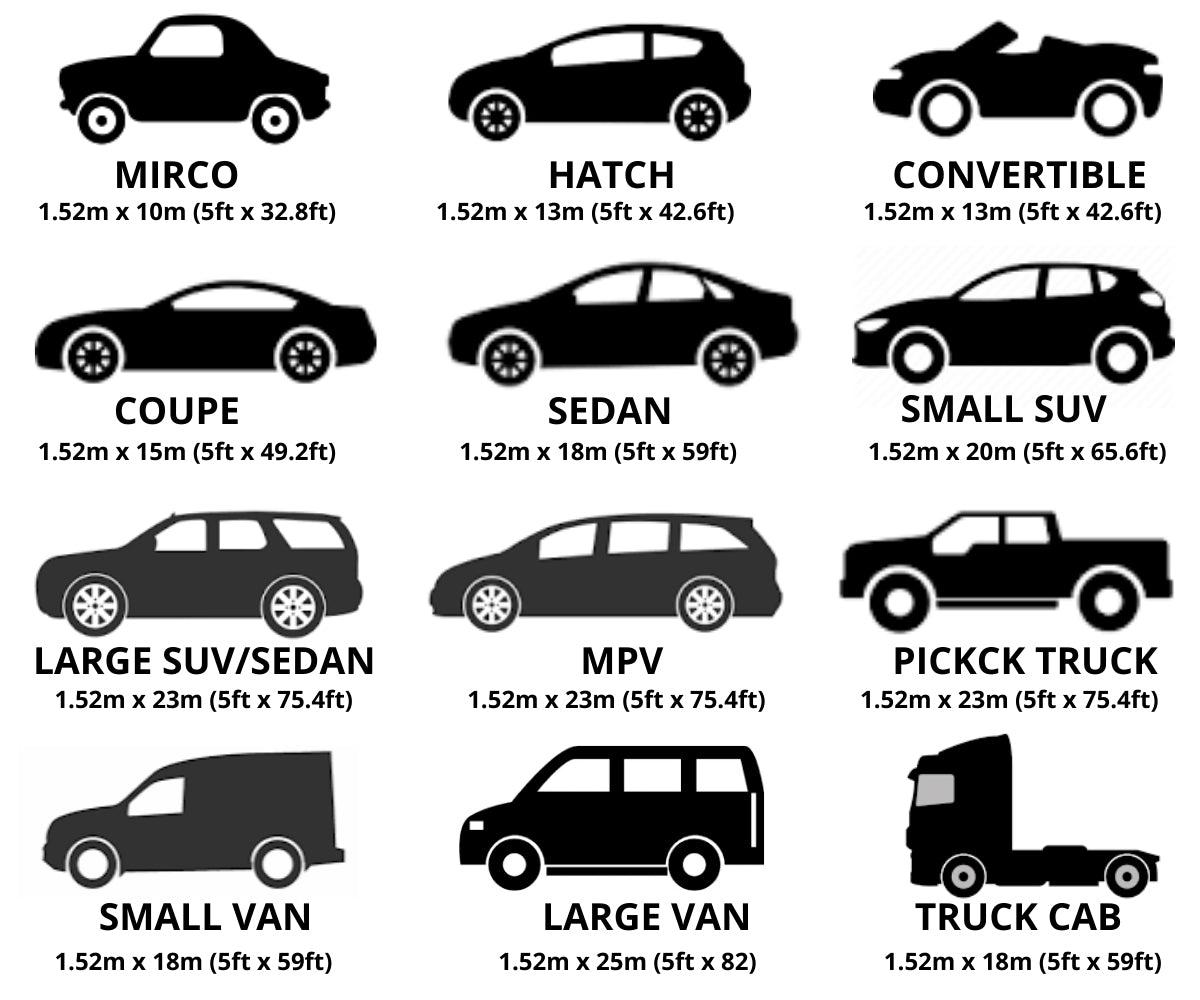
Credit: carlikewrap.com
Frequently Asked Questions
How Do I Measure My Car For A Vinyl Wrap?
Measure your car’s length, width, and height using a tape measure. Note each section separately, including doors, hood, and roof. Accurate measurements ensure you buy enough vinyl wrap material without excess waste.
What Tools Do I Need To Measure A Car For Wrap?
You need a tape measure, a notepad, and a pen for recording dimensions. A helper can assist for more precise measurements. Optional: a laser distance measurer for better accuracy.
How To Measure Curved Surfaces On A Car?
Use a flexible measuring tape to follow curves and contours. Measure in small sections and add them up. This ensures the vinyl wrap fits smoothly without gaps or wrinkles.
Why Is Accurate Car Measurement Important For Vinyl Wrap?
Accurate measurements prevent buying too much or too little vinyl. It saves money and reduces installation errors. Proper fit ensures a professional look and longer-lasting wrap.
Conclusion
Measuring your car correctly makes vinyl wrapping easier and neater. Start with clear, straight measurements of each part. Double-check your numbers to avoid mistakes and waste. Use simple tools like tape measures and note everything carefully. Taking time now saves money and frustration later.
A well-measured car wrap fits perfectly and looks great. Trust the process, and enjoy your fresh car look.


