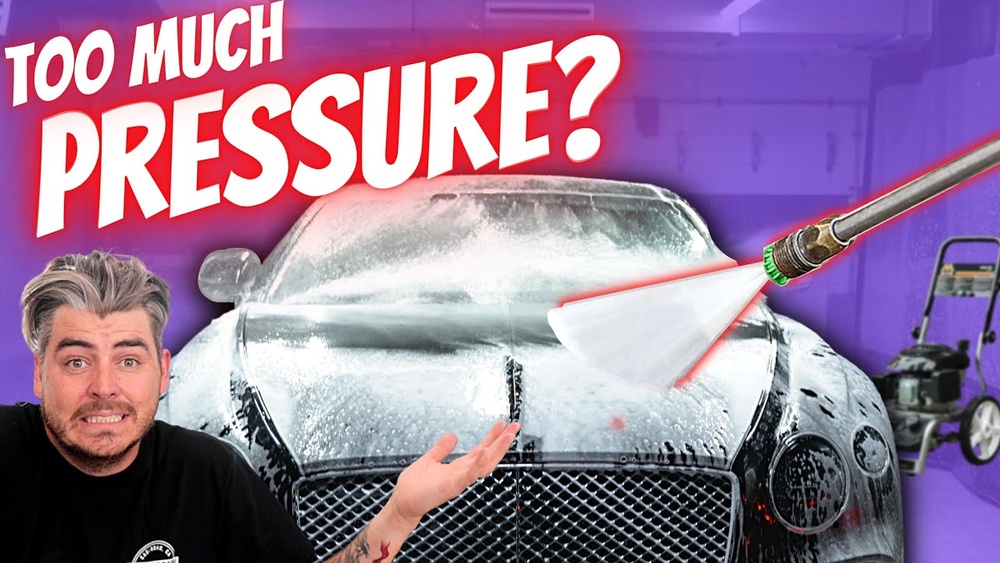
When it comes to washing your car, using the right pressure washer can make all the difference. But how many PSI do you really need to get your car clean without causing damage?
If you’ve ever wondered about the perfect pressure level to blast away dirt and grime while keeping your paint safe, you’re in the right place. You’ll discover exactly what PSI works best for your car, why it matters, and how to use your pressure washer effectively.
Keep reading to learn the secrets to a spotless car wash that saves you time and protects your ride.

Credit: www.turtlewax.com
Choosing The Right Psi
Choosing the right PSI for a pressure washer is key to cleaning your car safely. The pressure impacts how well dirt and grime come off. Too little power means poor cleaning. Too much pressure risks damage. Knowing the right PSI helps protect your car’s paint and finish.
What Psi Means For Cleaning
PSI stands for pounds per square inch. It measures the force of water from the washer. Higher PSI means stronger water pressure. This pressure helps remove tough dirt. Lower PSI is gentler and better for delicate surfaces. The right PSI balances power and safety.
Ideal Psi Range For Cars
The best PSI for washing cars usually falls between 1200 and 1900. This range cleans well without harming the paint. Many car owners find 1500 PSI perfect for everyday cleaning. It removes dirt and grime effectively. Using this range keeps your car looking fresh.
Risks Of High Psi On Car Paint
Too high PSI can chip or scratch paint. Water pressure over 2000 PSI may cause damage. It can strip wax or clear coat. High pressure can also force water into small cracks. This leads to rust or other issues. Stick to a safe PSI to avoid costly repairs.
Credit: www.eveagetool.com
Types Of Pressure Washers
Pressure washers come in different types. Each type suits certain cleaning jobs. Knowing these types helps you pick the right one for washing your car. Some pressure washers are easy to move. Others stay in one place. Some use electricity. Others run on gas. Nozzles also change how water sprays. This affects cleaning power and safety.
Electric Vs Gas Pressure Washers
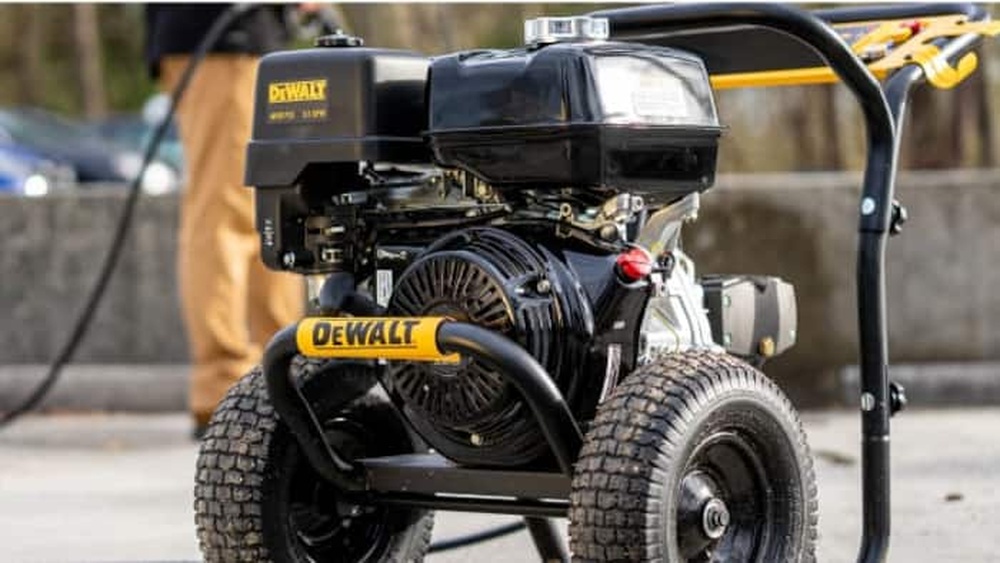
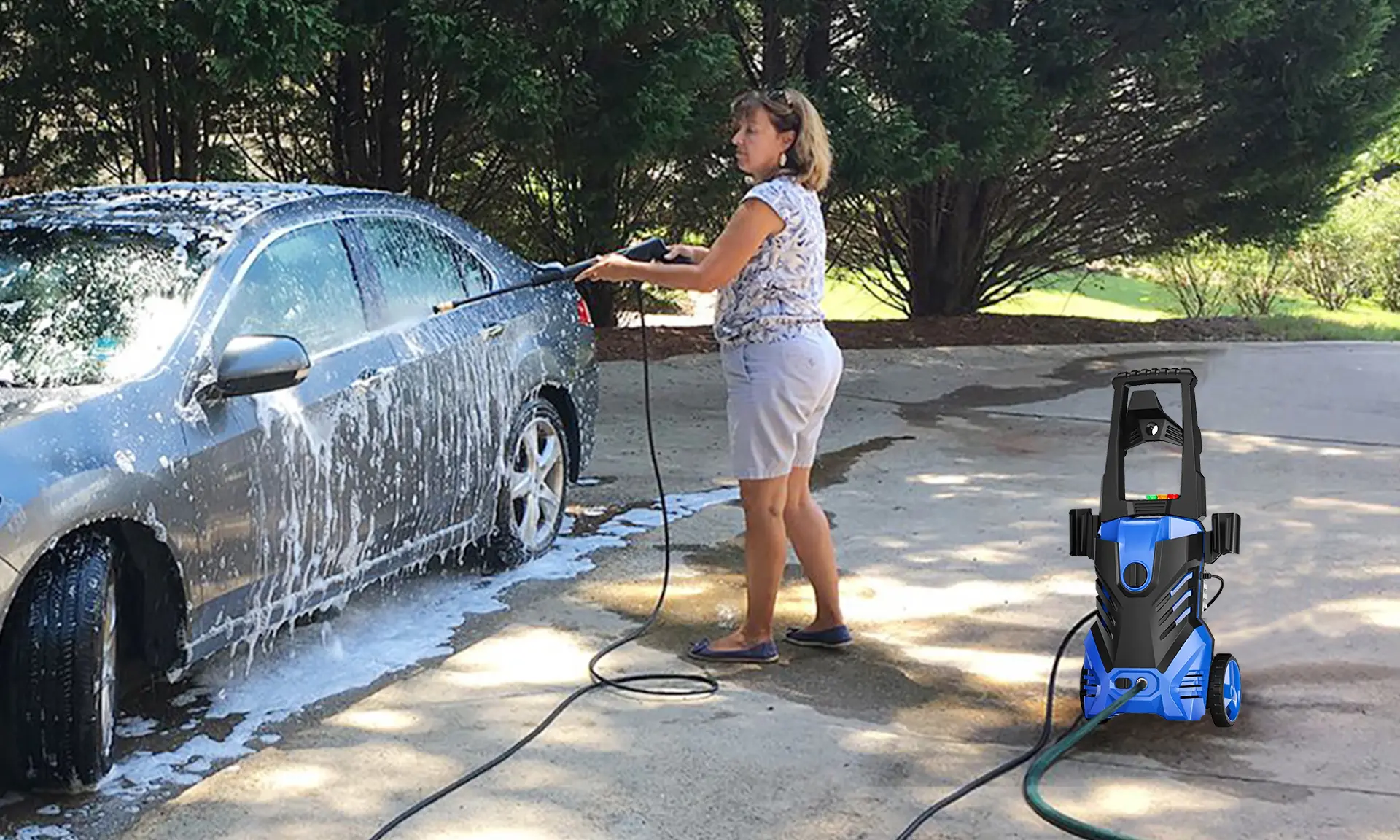
Electric pressure washers use power from an outlet. They are quieter and lighter. They work well for small jobs like washing cars. Gas pressure washers run on fuel. They give more power. They are good for tough dirt. They make more noise and need more care.
Portable Vs Stationary Models
Portable models are small and easy to carry. You can move them around your car easily. Stationary models are larger and stay in one place. They often have bigger tanks. These are better for long cleaning sessions or many cars.
Nozzle Types And Their Impact
Nozzles control how water sprays out. A wide spray covers more area but with less force. A narrow spray focuses power in one spot. This can clean tough dirt but may harm paint. Use the right nozzle for car washing to avoid damage.
Preparing Your Car For Washing
Preparing your car for washing is an important first step. It helps protect the paint and makes cleaning easier. Taking time to prepare can save you from damage and extra work later. Follow simple steps to get your car ready for a pressure washer.
Removing Loose Dirt
Start by brushing off loose dirt and dust. Use a soft brush or cloth. This stops dirt from scratching the paint. Avoid rubbing hard. Dirt can cause tiny scratches on the car’s surface. Removing loose dirt first keeps the paint safe during washing.
Protecting Sensitive Areas
Cover areas like the engine, air vents, and electrical parts. Use plastic bags or waterproof tape. Water can damage these spots if it gets inside. Protecting sensitive areas helps avoid costly repairs. Take your time to cover all vulnerable parts carefully.
Choosing The Right Detergent
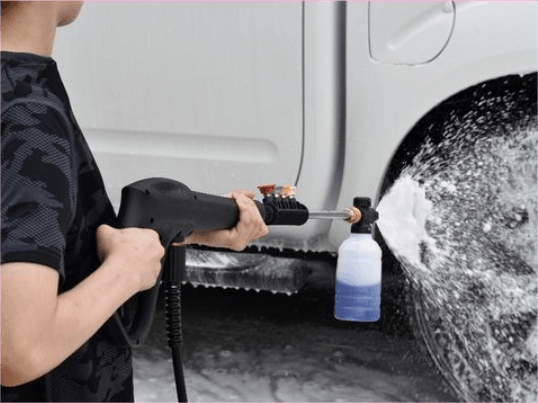
Pick a detergent made for cars. It should be gentle and safe for paint. Avoid harsh chemicals or household cleaners. They can strip the wax or fade the color. Use the right soap for better cleaning and protection. Follow the instructions on the detergent label for best results.
Safe Washing Techniques
Safe washing techniques protect your car’s paint and trim from damage. Using the right pressure and method keeps your vehicle looking fresh. Follow these simple tips to clean your car safely with a pressure washer.
Proper Distance From Surface
Keep the pressure washer nozzle at least 12 inches from the car surface. Too close can strip paint or cause dents. Maintaining distance lets the water clean without harm.
Optimal Spray Angle
Hold the spray at a 45-degree angle to the car. This angle removes dirt effectively and reduces pressure impact. Direct straight spray can push water under trims or damage paint.
Avoiding Damage To Paint And Trim
Use low pressure settings under 2000 psi for car washing. Avoid spraying edges, emblems, and rubber seals directly. Rinse gently and check for weak spots to prevent peeling or scratches.
Additional Tips For Effective Cleaning
Cleaning your car with a pressure washer needs care beyond choosing the right PSI. Small steps can improve results and protect your vehicle’s surface. Follow these tips to get a cleaner car without damage.
Using Warm Water Vs Cold Water
Warm water helps break down grease and dirt faster than cold water. It makes cleaning easier and more effective. Cold water works fine for light dirt but may need more scrubbing. If your pressure washer supports warm water, use it for tougher stains.
Frequency Of Pressure Washing
Wash your car every two weeks to keep it clean and shiny. Too often can wear down the paint and seals. Not often enough lets dirt build up, making cleaning harder. Adjust frequency based on weather and driving conditions.
Post-wash Care And Drying
Dry your car immediately after washing to avoid water spots. Use a soft microfiber towel or chamois for best results. Check for missed spots and clean them gently. Apply wax or sealant to protect the paint and keep it shiny longer.
Credit: giraffetools.com
Frequently Asked Questions
What Psi Is Safe For Washing A Car?
A pressure washer with 1200 to 1900 PSI is safe for washing cars. This range effectively removes dirt without damaging paint or decals. Higher PSI can harm the car’s surface, so stay within this safe pressure range for best results.
Can High Psi Damage My Car Paint?
Yes, high PSI above 2000 can damage car paint. It may strip protective coatings or cause scratches. Use a lower PSI and maintain a safe distance to protect the paint. Always test on a small area first to avoid damage.
What Nozzle Should I Use With A Pressure Washer?
Use a 25-degree or 40-degree nozzle for washing cars. These nozzles provide a wide spray, preventing paint damage. Avoid narrow nozzles like 0-degree, which concentrate pressure and can harm the car’s surface.
How Far Should I Hold The Pressure Washer Nozzle?
Hold the nozzle about 12 to 18 inches from the car surface. This distance ensures effective cleaning without causing damage. Keeping the nozzle too close can harm paint and trim, so maintain a safe gap while washing.
Conclusion
Choosing the right pressure washer psi keeps your car safe and clean. Too much pressure can damage paint and parts. Too little pressure may not remove dirt well. Around 1200 to 1900 psi works best for most cars. Always use a wide spray nozzle to spread the water.
Test on a small area before washing the whole car. Take your time and enjoy the cleaning process. Clean cars look better and last longer. Simple tools and the right pressure make car washing easy.