Want your car to shine like new and turn heads wherever you go? Polishing and waxing your car is the secret to restoring that fresh, glossy finish and protecting your paint from damage.
But if you’ve never tried it before, the process might seem confusing or time-consuming. Don’t worry—this guide will walk you through easy steps you can follow to make your car look its absolute best. By the end, you’ll have the skills to bring out your car’s true shine and keep it protected for months.
Ready to get started? Let’s dive in!
Preparing Your Car
Preparing your car is the first step to achieve a smooth polish and wax finish. Clean and ready surfaces ensure better results. Taking time here saves effort later. Follow simple steps to prepare your car well.
Gathering Necessary Tools
Collect all tools before starting. You will need car shampoo, microfiber cloths, a bucket, a hose, polish, wax, and applicator pads. Have separate cloths for polishing and waxing. A foam or microfiber applicator helps apply products evenly. A clean, soft brush can help remove dirt in tight spots.
Choosing The Right Location
Pick a shaded spot to work. Avoid direct sunlight to prevent products drying too fast. A flat surface is best to keep tools stable. Make sure the area is clean and free from dust or debris. This keeps your car clean during the process.
Washing And Drying The Car
Start by rinsing off loose dirt with water. Use car shampoo and a soft sponge to wash the car’s surface. Work from top to bottom to avoid spreading dirt. Rinse thoroughly to remove all soap. Dry the car with a clean microfiber towel to avoid water spots. A dry car surface helps polish and wax stick better.
Selecting Polish And Wax
Selecting the right polish and wax is key to a shiny, protected car. These products clean and shield your paint from damage. Choosing the best type depends on your car’s condition and paint type. Understanding the options helps you pick products that work best for your vehicle.
Types Of Car Polish
Car polish removes small scratches, dirt, and oxidation. Abrasive polishes cut through the paint surface gently. They smooth out rough spots and restore shine. Some polishes include fine abrasives for light correction. Others have more cutting power for deeper scratches. Liquid polishes are easy to apply and work fast. Paste polishes last longer and give more control. Choose polish based on how worn your paint looks.
Types Of Car Wax
Car wax protects paint and adds a glossy finish. Natural waxes come from carnauba and offer deep shine. Synthetic waxes last longer and resist water better. Paste wax is thick and spreads evenly on the surface. Liquid wax is simple to apply and quick to dry. Spray wax gives a light layer and fast shine. Match wax type to your needs for shine and protection.
Matching Products To Paint Type
Different paint types need different care products. Clear coats need gentle polish and wax to avoid damage. Single-stage paints may require more abrasive polish. Matte finishes need special products without shine enhancers. Metallic paints benefit from waxes that highlight their sparkle. Always test polish and wax on a small area first. This ensures the product suits your car’s paint well.
Polishing Techniques
Polishing a car improves its shine and removes minor surface flaws. It prepares the paint for waxing, which protects the finish. Different polishing techniques suit various needs. Choose the right method for your car’s condition and your skill level.
Applying Polish By Hand
Hand polishing works well on small areas or delicate paint. Use a soft foam or microfiber applicator pad. Apply a small amount of polish to the pad. Rub the polish onto the surface in small, circular motions. Use light pressure and work slowly. Wipe off excess polish with a clean microfiber cloth. This method gives you control and reduces the risk of damage.
Using A Polishing Machine
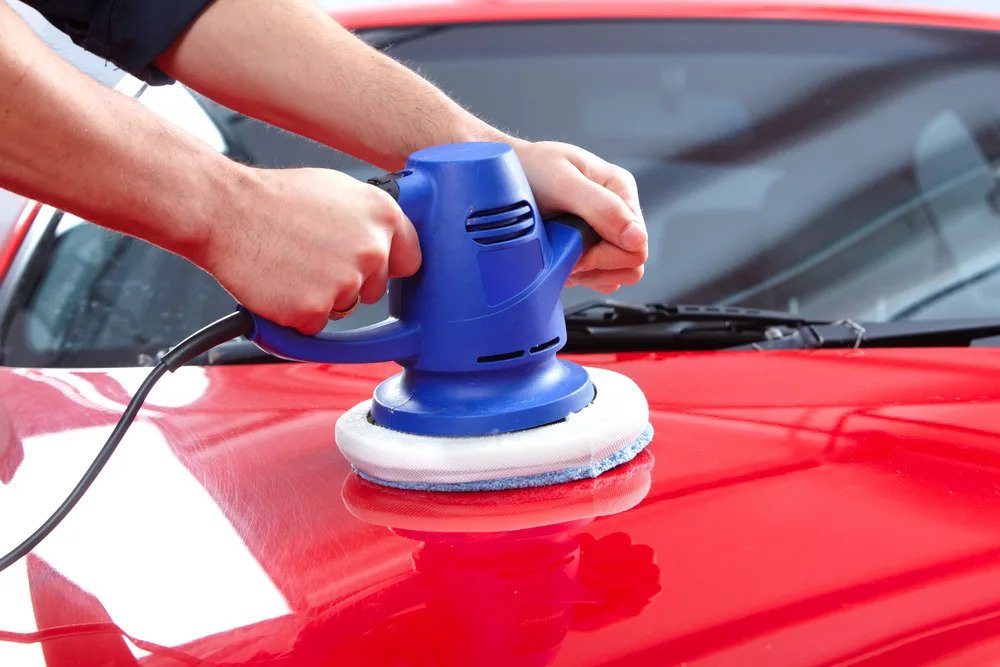
A polishing machine saves time on large areas. Use a dual-action or rotary polisher for best results. Attach the proper foam or wool pad to the machine. Spread polish evenly on the pad before starting. Keep the machine moving to avoid heat buildup. Work in overlapping sections for even coverage. Wipe away residue with a clean microfiber cloth after polishing.
Dealing With Scratches And Swirls
Scratches and swirls need special attention during polishing. Use a polish with fine abrasives designed for defect removal. Start with a test area to check results. Use a polishing machine or hand polish as needed. Work slowly and gently to avoid paint damage. Repeat polishing if necessary, but do not overdo it. Finish by wiping the surface clean to reveal a smooth shine.

Credit: www.youtube.com
Waxing Process
The waxing process protects your car’s paint and adds shine. It creates a barrier against dirt, water, and UV rays. Wax also enhances the polished surface, making the car look fresh and clean. This step is important for long-lasting protection and a smooth finish.
Applying Wax Evenly
Use a soft applicator pad to spread wax on the car. Apply thin, even layers in small sections. Work in straight lines or small circles. Avoid thick layers; they are harder to remove. Cover the entire surface for consistent protection.
Buffing For A Glossy Finish
Wait until the wax looks cloudy or hazy before buffing. Use a clean, dry microfiber cloth to buff the wax gently. Move the cloth in circular motions for an even shine. Buffing removes excess wax and reveals a glossy finish. This step makes the paint smooth and shiny.
Timing Between Polish And Wax
Allow the polish to dry completely before applying wax. This usually takes 10 to 20 minutes. Wax adheres better to a dry, polished surface. Rushing can cause smudges and uneven protection. Patience ensures a perfect shine and lasting wax layer.
Maintenance Tips
Maintaining your car’s polish and wax keeps it looking fresh and shiny. Regular care protects the paint and extends the life of your work. Follow simple steps to keep the finish smooth and glossy.
Regular Cleaning Schedule
Wash your car often to remove dirt and grime. Dirt can scratch the paint if left too long. Use a gentle car soap and soft cloth or sponge. Avoid household cleaners that can strip wax and damage paint. Clean wheels and tires separately to prevent brake dust buildup.
Touch-up Polishing And Waxing
Check your car’s surface for dull spots or scratches. Use a fine polish to smooth out small imperfections. Apply wax every few months to protect the paint layer. Use a soft applicator pad for even coverage. Buff the wax gently to a bright shine with a microfiber cloth.
Protecting Your Shine
Park in shaded areas to avoid sun damage and fading. Cover the car during long periods outdoors. Avoid parking under trees where sap or bird droppings can fall. Quickly clean off any contaminants to prevent paint damage. Use a spray wax between full waxes to keep shine fresh.
Credit: www.torquedetail.com
Common Mistakes To Avoid
Polishing and waxing a car can make it shine like new. Yet, mistakes during the process can harm the paint or reduce shine. Avoiding common errors helps keep the car’s surface smooth and glossy. Here are key mistakes to watch out for.
Over-polishing Risks
Polishing too often wears down the clear coat. This layer protects the paint from damage. Too much polish can cause scratches or dull spots. Limit polishing to a few times a year. Use gentle pressure to avoid removing too much paint.
Using Incorrect Products
Some polishes and waxes are not right for all cars. Using harsh chemicals can damage the paint or plastic parts. Always choose products made for your car’s paint type. Test a small area before applying to the entire car.
Ignoring Surface Preparation
Not cleaning the car properly before polishing or waxing causes problems. Dirt and debris can create scratches during the process. Wash and dry the car fully to remove all dirt. Use clay bars to get rid of stubborn grime before polishing.
Credit: ethoscarcare.com
Frequently Asked Questions
How Often Should I Polish And Wax My Car?
You should polish your car every 6 to 12 months. Waxing is recommended every 3 months to protect the paint. Regular polishing removes minor scratches, while waxing adds a protective layer against dirt and UV rays, keeping your car shiny and well-maintained.
What Tools Do I Need To Polish And Wax A Car?
You need a dual-action polisher or polishing pads, car polish, wax, microfiber towels, and a clean bucket. These tools help evenly apply polish and wax, reduce swirl marks, and ensure a smooth, glossy finish. Proper tools make the process easier and more effective.
Can I Polish And Wax My Car In Direct Sunlight?
It’s best to avoid polishing and waxing in direct sunlight. Sunlight heats the car’s surface, causing polish and wax to dry too quickly. This makes application uneven and harder to buff off. Work in a shaded, cool area for the best results.
What Is The Difference Between Polishing And Waxing A Car?
Polishing removes surface imperfections like scratches and oxidation. Waxing adds a protective, glossy layer over the paint. Polishing restores the car’s finish; waxing seals and protects it. Both steps are important for a smooth, shiny, and durable car exterior.
Conclusion
Polishing and waxing your car keeps it shiny and protected. Regular care helps prevent scratches and fading. Take your time and follow each step carefully. Use the right products for the best results. A clean, polished car looks fresh and feels great to drive.
Small efforts bring big improvements to your car’s appearance. Enjoy the smooth finish and lasting shine every time. Keep up with this routine to maintain your car’s beauty. Simple actions make your car stand out on the road.