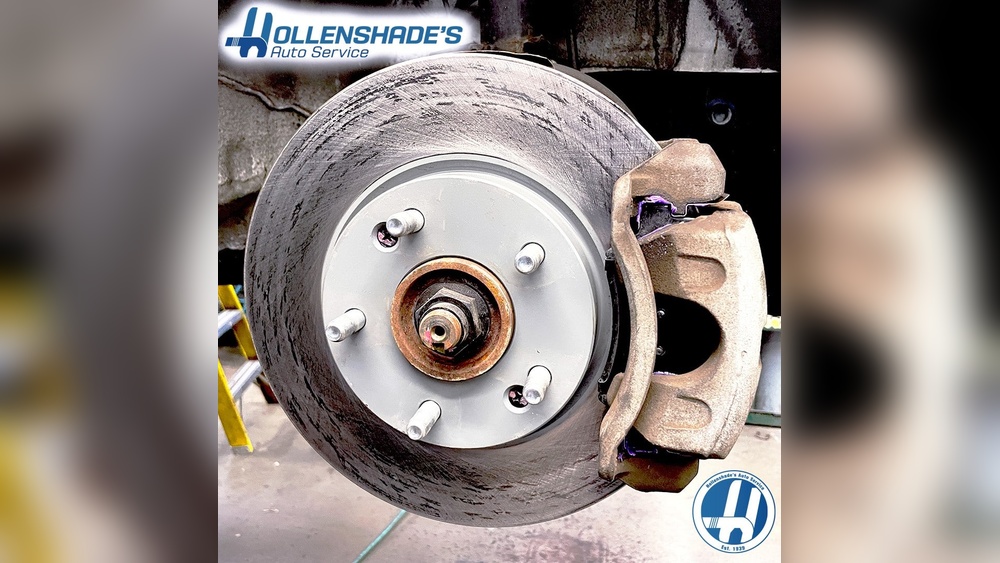
Have you ever felt a strange vibration or shaking when you hit the brakes? That could be a sign that your brake rotors are warped.
Knowing how to spot this early can save you from costly repairs and keep your drives safe and smooth. You’ll learn the simple ways to tell if your brake rotor is warped, what causes it, and what steps you can take next.
Keep reading—your safety on the road depends on it.

Credit: mechanics.stackexchange.com
Common Brake Rotor Symptoms
Brake rotors play a key role in stopping your vehicle safely. Over time, these rotors can warp due to heat and wear. Warped rotors cause problems that affect your driving. Knowing the common symptoms helps you spot issues early. This section highlights signs that show your brake rotors might be warped.
Vibrations When Braking
Feeling vibrations in the steering wheel or brake pedal is a clear sign. Warped rotors cause uneven contact with brake pads. This makes your car shake during braking. Vibrations often grow stronger as you slow down. They usually happen at specific speeds, like 30 to 60 mph.
Uneven Brake Pad Wear
Check your brake pads regularly. Warped rotors wear pads unevenly. One side of the pad may wear faster than the other. This uneven wear reduces braking power. It also shortens the life of your brake pads. Uneven wear means your rotors are not smooth anymore.
Brake Pedal Pulsation
Pulsation means the brake pedal feels like it is pulsing or vibrating. This happens when rotors have high and low spots. These spots push against the brake pads unevenly. The pedal may feel soft or hard at times. Pulsation is a warning that your rotors need attention.
Visual Inspection Tips
Visual inspection is the first step to find out if a brake rotor is warped. It helps spot clear signs of damage or wear. Checking the rotor carefully can save money and keep driving safe. Here are simple tips to check your brake rotor closely.
Checking For Surface Grooves
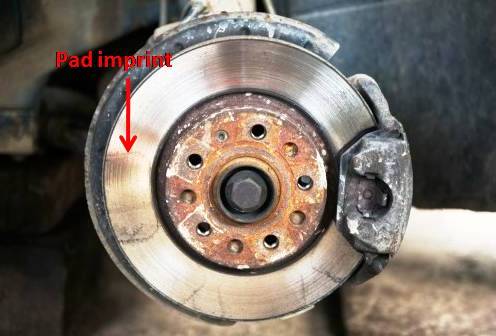
Look at the rotor surface for deep lines or grooves. These marks show the rotor has worn down unevenly. Small scratches are normal but deep grooves can cause vibration. Run your finger gently over the surface to feel rough spots. Smooth rotors give better brake performance.
Identifying Rust And Corrosion
Rust often forms on unused or wet rotors. It looks like orange or brown patches. Corrosion weakens the metal and may cause warping. Check edges and the rotor face for rust build-up. Remove light rust with a wire brush. Heavy rust means the rotor needs replacement.
Measuring Rotor Thickness
Use a micrometer or caliper to measure rotor thickness. Compare the reading to the minimum thickness stamped on the rotor. Thin rotors heat up too fast and warp easily. Measure at several points around the rotor to find uneven wear. Replace rotors that are too thin or uneven.
Using Tools To Detect Warping
Detecting a warped brake rotor can be tricky without the right tools. Simple visual checks may miss small but important irregularities. Using precise tools helps find any unevenness on the rotor’s surface. These tools measure how much the rotor moves or wobbles while spinning. This section explains two common methods used by mechanics and car enthusiasts to spot rotor warping accurately.
Dial Indicator Method
A dial indicator measures rotor runout with high accuracy. It has a small needle that moves as the rotor spins. The tool mounts on the car or a stand near the rotor. Slowly rotating the rotor shows if the needle moves up and down. A steady needle means the rotor is flat. Needle movement over a small limit signals warping. This method is cost-effective and widely used in workshops.
Laser Measurement Tools
Laser tools offer a modern way to check rotor flatness. They use a laser beam to scan the rotor surface. The laser detects even tiny bumps or dips on the rotor. Results show on a digital screen for easy reading. These tools are faster and can be more precise than dial indicators. They help find warping that may cause brake vibration or noise during driving.
Credit: trade.mechanic.com.au
Common Causes Of Warped Rotors
Warped brake rotors cause vibration and noise when braking. Understanding what causes rotors to warp helps prevent damage and keeps driving safe. Several common factors lead to rotor warping. These include heat stress, incorrect fitting, and material issues. Each factor affects rotor performance differently.
Overheating And Brake Fade
Excessive heat makes rotors expand and contract unevenly. This creates warping over time. Brake fade happens when brakes get too hot and lose grip. Drivers who brake hard or often on steep roads risk overheating rotors. Overheated rotors can crack or warp quickly.
Improper Installation
Incorrect rotor installation causes uneven pressure on the rotor surface. Misaligned rotors wear unevenly and warp faster. Using wrong tools or skipping steps can damage rotors. Proper fitting ensures smooth braking and longer rotor life.
Poor Quality Materials
Low-quality rotors often use inferior metals that cannot handle heat well. These rotors warp easily under normal driving conditions. High-quality materials resist heat and stress better. Choosing good rotors reduces the chance of warping and brake problems.
When To Replace Or Resurface Rotors
Knowing when to replace or resurface brake rotors is key for safe driving. Warped rotors cause vibrations and reduce braking power. This section helps you decide the best option for your rotors.
Manufacturer Specifications
Check the rotor’s thickness using the manufacturer’s guide. Rotors wear down over time and become too thin. Thin rotors cannot be resurfaced safely.
Each rotor has a minimum thickness limit. If below this limit, replacement is necessary. Resurfacing a rotor below this limit risks brake failure.
Always follow the vehicle manual or rotor packaging for specs. Ignoring these can cause unsafe braking conditions.
Cost Vs. Benefit Analysis
Resurfacing rotors costs less than replacing them. It smooths the rotor surface and extends rotor life slightly. This option suits rotors that are not severely damaged.
Replacing rotors costs more but offers new parts. New rotors improve braking and last longer. Severe warping or deep grooves mean replacement is better.
Consider labor costs too. Sometimes replacing saves time and effort. Choose the option that gives the best safety and value.

Credit: www.reddit.com
Preventing Rotor Warping
Preventing rotor warping helps keep your brakes working well and your drives safe. Warped rotors cause shaking, noise, and poor braking. Taking steps to avoid warping extends the life of your brake parts and improves your car’s performance.
Proper Driving Habits
Drive smoothly and avoid hard braking. Sudden stops heat the rotors quickly. Heat causes the metal to expand and warp. Keep a safe distance from the car ahead. This reduces the need for sharp braking. Slow down gradually on hills and curves. Gentle driving protects your rotors from damage.
Regular Maintenance
Check your brake system often. Look for signs of wear on rotors and pads. Replace brake pads before they wear out completely. Thin pads cause extra heat and damage rotors. Have a mechanic inspect your brakes at least once a year. Regular care stops small problems from getting worse.
Upgrading Brake Components
Use high-quality brake pads made for your vehicle. Some pads resist heat better and reduce rotor warping. Consider rotors designed to handle higher temperatures. Drilled or slotted rotors cool faster and last longer. Upgrading brake parts can improve safety and prevent warping over time.
Frequently Asked Questions
What Are The Signs Of A Warped Brake Rotor?
Signs include brake pedal vibration, noise during braking, and uneven brake pad wear. You may also feel pulsation through the steering wheel or brake pedal. These symptoms indicate rotor warping and need immediate inspection to maintain safe braking performance.
How Can I Check If My Brake Rotor Is Warped?
You can visually inspect rotors for grooves or uneven wear. A mechanic may use a dial indicator to measure rotor runout. If the measurement exceeds manufacturer specifications, the rotor is warped and requires resurfacing or replacement.
Does A Warped Brake Rotor Affect Braking Performance?
Yes, a warped rotor causes brake vibration and reduces braking efficiency. It can increase stopping distances and cause brake noise. Timely repair or replacement is essential to ensure safe and smooth braking.
Can I Drive With A Warped Brake Rotor?
Driving with a warped rotor is unsafe and can worsen damage. It may cause steering instability and brake failure. It’s best to repair or replace the rotor promptly to avoid accidents.
Conclusion
Warped brake rotors can cause shaking and noise when braking. Listen for unusual sounds and feel for vibrations in the brake pedal. Check the rotor surface for grooves or uneven wear. Regular inspection helps keep your brakes safe and effective.
Don’t ignore signs of rotor damage. Fixing warped rotors early saves money and prevents accidents. Stay alert and maintain your vehicle for smooth, safe stops every time.