

Want your car to shine like new and turn heads wherever you go? Knowing how to properly polish and wax your car can make a huge difference in its appearance and protection.
You might think this task is complicated or time-consuming, but with the right steps, you can achieve professional-looking results right at home. In this guide, you’ll discover simple tips and tricks that will help you bring out your car’s best shine while protecting its paint.
Ready to give your car that showroom finish? Let’s dive in and make your vehicle look amazing!
Choosing The Right Products
Choosing the right products is key for a shiny, smooth car finish. Using the correct polish and wax protects your paint and brings out its best look. Pick products that match your car’s needs and your skill level. This guide helps you select the best items for polishing and waxing.
Types Of Polishes
Polishes remove small scratches and surface dirt. There are three main types: abrasive, swirl remover, and finishing polish. Abrasive polish is strong and fixes deep scratches. Swirl remover smooths out light marks and swirl patterns. Finishing polish gives a clear, smooth finish before waxing. Choose polish based on your car’s paint condition.
Wax Varieties
Wax protects and adds shine to your car’s surface. Natural carnauba wax offers a deep shine but lasts a shorter time. Synthetic wax lasts longer and protects better from weather. Spray wax is easy to apply but may not last as long. Pick a wax type that fits your style and how often you want to reapply.
Essential Tools
Right tools make polishing and waxing easier and better. Use soft microfiber cloths to avoid scratches. Foam applicator pads help spread polish and wax evenly. A dual-action polisher is good for beginners and saves time. Clean sponges and brushes help reach small areas. Always use clean tools for best results.

Credit: www.youtube.com
Preparing Your Car
Preparing your car is the first step to a shiny, smooth finish. Proper preparation helps polish and wax stick better. It removes dirt and grime that can cause scratches. Taking time to prepare protects your paint and makes your car look great.
Every step matters. Clean surfaces let polish and wax work well. A clean car shows true paint condition. This helps you know what needs extra care.
Washing And Drying
Start by washing your car with a gentle car soap. Avoid household detergents; they can strip wax. Use a soft sponge or microfiber cloth to clean the surface. Rinse thoroughly with clean water to remove all soap. Dry the car with a soft towel or chamois. Avoid air drying to prevent water spots.
Inspecting The Paint
Look closely at your car’s paint in daylight. Check for scratches, swirl marks, or dull spots. Notice areas with heavy dirt or stains. This inspection shows where polishing is needed most. Mark spots that need extra attention.
Removing Surface Contaminants
Use a clay bar to remove bonded contaminants. These include tree sap, tar, and industrial fallout. Spray lubricant on the paint before using the clay bar. Gently rub the clay bar over the surface. Wipe off residue with a clean microfiber cloth. This step smooths the paint for better polishing.
Polishing Techniques
Polishing techniques improve your car’s shine and remove surface imperfections. Polishing smooths the paint by removing tiny scratches and oxidation. This step makes waxing more effective and helps your car look newer. Different methods work for polishing, depending on your tools and experience.
Hand Polishing Steps
Start with a clean, dry car surface. Apply a small amount of polish to a soft foam or microfiber applicator pad. Work in small sections, using circular motions to spread the polish evenly. Apply gentle pressure, moving slowly to let the polish work on the paint. After polishing each section, use a clean microfiber cloth to buff the area until it shines. Repeat these steps across the entire car for a smooth, glossy finish.
Using A Polisher Machine
Choose the right polishing pad and polish for your car’s paint type. Attach the polishing pad to the machine. Apply polish directly to the pad or the car surface. Turn on the polisher at a low speed and spread the polish over a small area. Increase speed and use slow, overlapping passes to polish the paint. Keep the polisher moving to avoid burning the paint. Wipe off excess polish with a microfiber cloth after each section.
Avoiding Common Mistakes
Do not polish dirty or dusty surfaces. Dirt can cause scratches during polishing. Avoid pressing too hard with either hand or machine polishers. Use clean pads and cloths to prevent swirl marks. Do not polish in direct sunlight; heat can dry polish too fast. Test polish on a small area before full application. Follow product instructions carefully for best results.

Credit: www.ueautotechs.com
Waxing Methods
Waxing protects your car’s paint and gives it a shiny look. There are different ways to apply wax. Each method works well if done correctly. Choose a way that fits your comfort and tools.
Below are common waxing methods that help your car look great and last longer.
Applying Wax By Hand
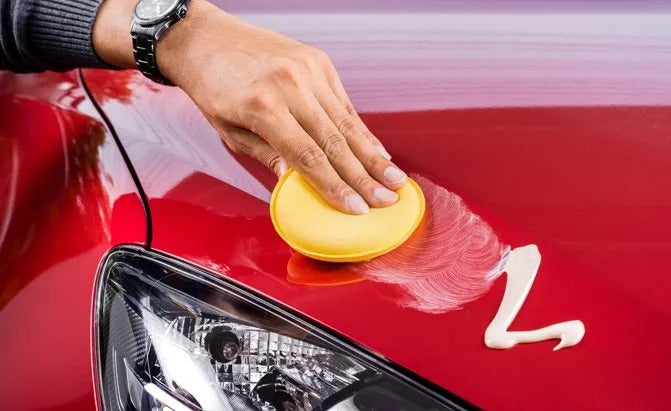
Using your hand to apply wax is simple and effective. Use a soft foam or microfiber applicator pad. Apply a small amount of wax on the pad. Spread it in thin, even circles over the car’s surface. Work on one section at a time.
Let the wax dry to a haze before buffing. Use a clean microfiber cloth to buff and shine. This method gives you good control and saves money.
Using A Buffer For Waxing
A buffer machine makes waxing faster and easier. Use a soft foam or wool pad on the buffer. Apply wax to the pad, then turn on the machine. Move the buffer gently in small circles on the paint.
Keep the buffer moving to avoid damage. The machine spreads wax evenly and can reach tight spots. This method is best for larger cars or frequent waxing.
Timing And Curing Wax
Timing is key for perfect waxing results. After applying wax, wait for it to dry until it looks hazy. This usually takes 5 to 15 minutes.
Do not rush the buffing step. Use a soft cloth and buff in circular motions. This removes excess wax and adds shine. Follow the wax product instructions for best timing.
Maintaining The Shine
Maintaining the shine of your car keeps it looking fresh and new. Regular care helps protect the paint and finish. Simple steps can keep the gloss bright and smooth. Consistent attention prevents dullness and damage over time.
Regular Washing Tips
Wash your car often to remove dirt and dust. Use a gentle car shampoo, not dish soap. Rinse the car with clean water before washing. Use a soft sponge or microfiber cloth. Dry the car with a clean, soft towel. Avoid washing in direct sunlight to prevent spots.
Quick Touch-up Techniques
Use a spray detailer to quickly remove light dust. Apply it with a microfiber cloth for best results. Work in small sections and buff gently. Keep a small bottle of wax spray for fast shine. These quick steps keep the car looking polished daily.
Protecting From Environmental Damage
Park your car in shaded or covered areas. Avoid long exposure to sunlight and rain. Use a car cover if you have no garage. Clean bird droppings and tree sap quickly. These substances can harm the paint if left too long. Regular waxing adds a protective layer to the surface.
Credit: ethoscarcare.com
Troubleshooting Issues
Polishing and waxing a car can bring out a stunning shine. Sometimes, problems appear during the process. These issues can affect the final look of your car. Knowing how to fix common problems helps keep your car’s paint smooth and glossy. This section covers key troubleshooting tips to get the best result.
Removing Swirl Marks
Swirl marks are small scratches that look like circles on the paint. They often happen from using a dirty cloth or improper polishing pads. To remove swirl marks, use a fine polish and a soft foam pad. Work in small sections with light pressure. Wipe off the residue with a clean microfiber cloth. Repeat if needed but avoid over-polishing to protect the paint.
Fixing Uneven Shine
Uneven shine happens when polish or wax is not spread evenly. Some areas may look dull or patchy. Use a soft cloth to buff these spots gently. Apply polish or wax in thin, even layers. Work in straight lines instead of circles. This method helps spread the product uniformly. Allow each layer to dry before adding more.
Dealing With Wax Residue
Wax residue can leave a hazy film on the car surface. It happens if the wax is left to dry too long or applied too thick. Use a clean microfiber cloth to remove the excess wax. Buff the surface with light, circular motions. If residue remains, a quick detailer spray can help remove it. Always finish with a soft cloth for a clear shine.
Frequently Asked Questions
How Often Should I Polish And Wax My Car?
Polishing and waxing your car every 3 to 6 months keeps the paint shiny and protected. This routine removes minor scratches and adds a protective layer against dirt and UV rays. Regular care enhances your car’s appearance and value over time.
What Is The Difference Between Polishing And Waxing?
Polishing removes surface imperfections and smooths the paint, while waxing adds a protective, glossy layer. Polishing prepares the surface by cleaning and refining it. Waxing seals and protects the paint from environmental damage and improves shine.
Can I Polish And Wax My Car Myself?
Yes, polishing and waxing can be done at home with the right products and tools. Use gentle polish and quality wax, apply with soft cloths or pads, and follow instructions carefully. DIY care saves money and maintains your car’s finish effectively.
What Tools Do I Need To Polish And Wax A Car?
You need a polishing compound, car wax, microfiber cloths, applicator pads, and a buffer or polisher if available. Clean the car thoroughly before starting. Using proper tools ensures even application and better results in paint restoration and protection.
Conclusion
Polishing and waxing your car keeps it looking clean and shiny. It also protects the paint from damage and dirt. Regular care helps your car last longer and stay beautiful. Take your time and follow the steps carefully. Your car will thank you with a great shine.
Simple tools and patience make a big difference. Keep your vehicle looking fresh with these easy tips. A little effort goes a long way for your car’s appearance.


