

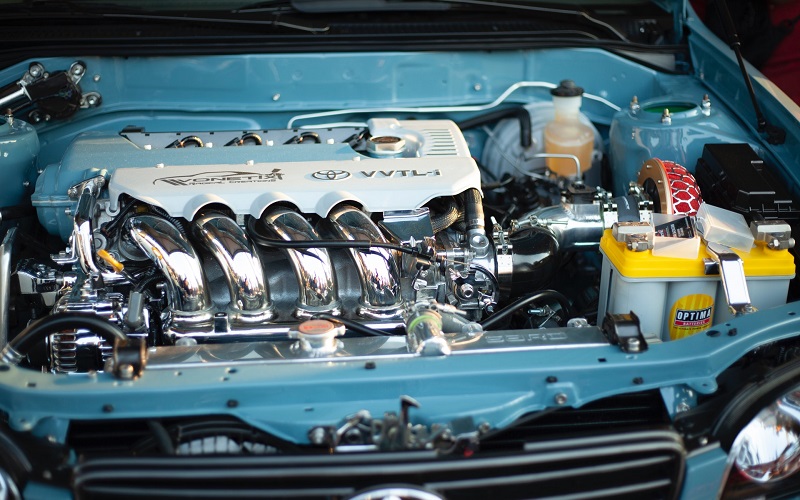
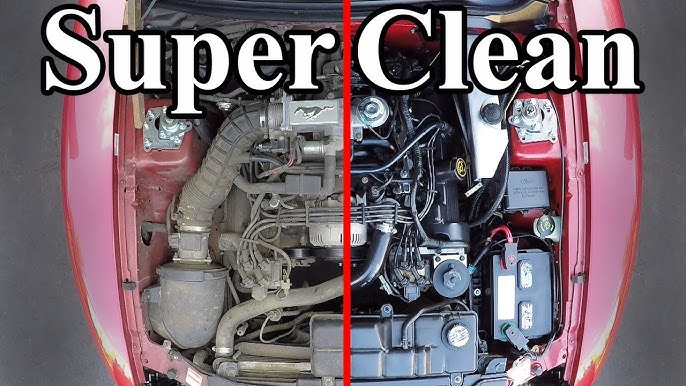
Your car engine works hard every day, and over time, dirt, grease, and grime build up in places you can’t easily reach. Cleaning your engine not only makes your car look better but can also improve its performance and lifespan.
But how do you do it safely without damaging sensitive parts? This guide will show you exactly how to pressure wash your car engine the right way. By the end, you’ll have the confidence to give your engine a thorough, professional-level clean—right at home.
Ready to make your engine shine and run smoother? Let’s get started!
Credit: detailxperts.com
Preparing Your Engine
Preparing your engine for pressure washing is a key step to avoid damage. This process helps protect parts and makes cleaning easier. Taking time to prepare leads to better results and safer washing.
Follow these steps carefully before starting the pressure wash.
Gathering Necessary Tools
Collect all tools before you begin. You will need a pressure washer with a gentle setting. Use a plastic cover or bags to protect parts. Have a soft brush and engine cleaner ready. Gloves and safety glasses keep you safe.
Protecting Sensitive Components
Cover the battery and air intake with plastic wrap. Seal exposed wiring and sensors with tape or plastic bags. Avoid spraying water directly on electrical parts. Protecting these parts prevents costly repairs.
Cooling Down The Engine
Let the engine cool completely before washing. Hot parts can crack or warp under cold water. Wait at least 30 minutes after driving. This step reduces the risk of damage during cleaning.
Choosing The Right Equipment
Choosing the right equipment is key for pressure washing your car engine safely. The right tools make the job easier and protect your engine parts. This section helps you select the best pressure washer, nozzles, and detergents.
Selecting A Pressure Washer
Pick a pressure washer with low to medium pressure, around 1200 to 1900 PSI. High pressure can damage engine parts. Electric pressure washers are good for small jobs and are easy to use. Gas-powered washers offer more power but need more care.
Picking Suitable Nozzles
Use nozzles with wider spray angles, such as 25 or 40 degrees. They spread water gently and cover more area. Avoid narrow nozzles like 0 or 15 degrees. These create a strong jet that may harm sensitive engine parts.
Using Detergents Safely
Choose detergents made for automotive use or engine cleaning. Avoid harsh chemicals that can corrode metal or plastic. Follow the instructions on the detergent label carefully. Always rinse the engine well after washing to remove all soap.
Step-by-step Cleaning Process
Cleaning your car engine by pressure washing needs a clear plan. Follow these simple steps for the best results. Each step helps remove dirt and grease safely. Keep your engine looking clean and running well.
Initial Rinse
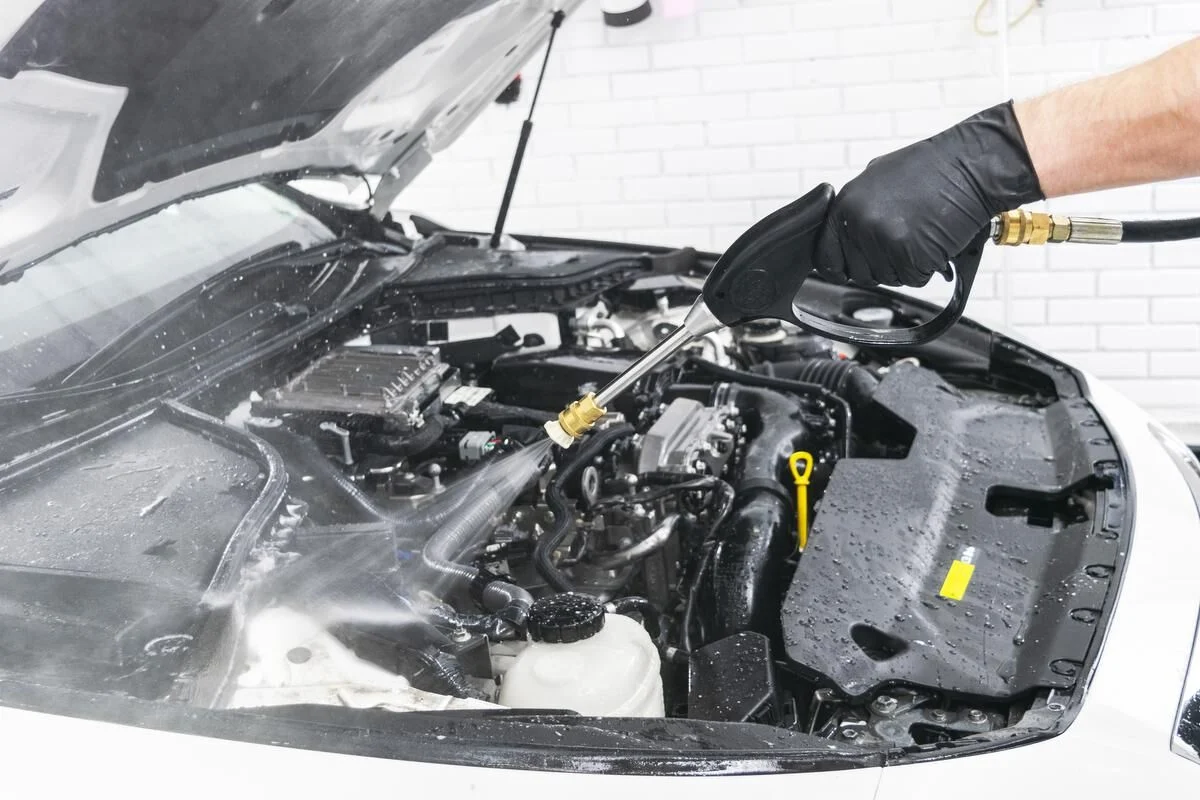
Start by rinsing the engine with low-pressure water. This removes loose dirt and dust. Avoid spraying directly on electrical parts. Use a wide spray to cover all areas evenly. This step prepares the engine for deeper cleaning.
Applying Degreaser
Spray a good quality degreaser on the engine. Focus on greasy and oily spots. Let the degreaser sit for five to ten minutes. This breaks down tough grime. Do not let it dry completely before scrubbing.
Scrubbing Stubborn Areas
Use a soft brush to scrub dirty spots gently. Pay attention to corners and crevices. Scrubbing helps lift built-up grease and dirt. Take your time for thorough cleaning. Avoid hard scrubbing that may damage parts.
Final Rinse
Rinse the engine again with low-pressure water. Wash away all degreaser and loosened dirt. Make sure no soap remains on the engine. Dry the engine with a clean cloth or air blower. Your engine is now clean and fresh.
Drying And Inspecting
After pressure washing your car engine, drying and inspecting are crucial steps. These steps help prevent water damage and ensure your engine works well. Taking time to dry and check everything keeps your engine safe and clean.
Removing Excess Water
Start by removing water from the engine surface. Use a clean cloth or microfiber towel to soak up water. Blow compressed air gently into hard-to-reach areas. This helps remove trapped water that can cause rust or damage.
Checking For Damage
Look closely at wires, connectors, and hoses. Watch for cracks, loose parts, or corrosion. Check for any signs of water inside electrical components. Early detection prevents bigger problems later on.
Reconnecting Components
Make sure all disconnected parts are reattached securely. Tighten clamps and plugs carefully without forcing them. Confirm wires and hoses are connected properly. Proper reconnection ensures your engine runs smoothly.
Maintenance Tips
Keeping your car engine clean is important for its health. Regular maintenance helps avoid damage and keeps the engine running smoothly. Here are some easy tips to follow when pressure washing your engine.
Regular Cleaning Schedule
Clean your engine every 3 to 6 months. This removes dirt and oil buildup. A clean engine cools better and works more efficiently. Stick to a schedule to prevent grime from hardening. Light cleaning more often is better than heavy cleaning rarely.
Avoiding Common Mistakes
Do not spray water directly on electrical parts. Cover sensitive areas with plastic bags. Use low pressure to avoid damage. Avoid using hot water or harsh chemicals. Always let the engine cool before washing to prevent cracks. Careful steps protect your engine from harm.
Extending Engine Life
Cleaning helps spot leaks and worn parts early. Dirt can cause overheating and wear. Keeping the engine clean reduces rust and corrosion. Regular washing can improve fuel efficiency slightly. A well-maintained engine lasts longer and performs better.
Credit: www.uniwiper.com.au
Credit: www.youtube.com
Frequently Asked Questions
Can I Pressure Wash My Car Engine Safely?
Yes, you can pressure wash your car engine safely by covering electrical parts and using low pressure. Avoid direct water spray on sensitive components to prevent damage.
What Precautions Should I Take Before Pressure Washing?
Before pressure washing, disconnect the battery, cover air intakes, and sensitive electronics. Use degreaser and rinse gently to protect engine parts from water damage.
How Often Should I Pressure Wash My Engine?
Pressure wash your engine every 6 to 12 months or when it becomes visibly dirty. Regular cleaning helps maintain engine performance and prevents buildup of grease and dirt.
What Equipment Do I Need To Pressure Wash An Engine?
You need a pressure washer with adjustable pressure, a degreaser, plastic covers for electronics, and a soft brush. These tools help clean effectively without harming engine components.
Conclusion
Cleaning your car engine with a pressure washer keeps it running smooth. Take safety steps to avoid damage and injury. Use low pressure and cover sensitive parts well. Regular cleaning helps spot leaks and problems early. A clean engine also looks better and lasts longer.
Follow simple tips to protect your car while washing. Now, you can confidently clean your engine without worry. Keep your car in top shape with easy care.


