

Is your car’s side molding coming loose or falling off? You’re not alone, and fixing it might be easier than you think.
That loose strip isn’t just an eyesore—it can affect your car’s look and even its protection. Imagine driving down the road with your car looking sharp and well-maintained because you took a few simple steps to reattach that molding. In this guide, you’ll learn exactly how to do it yourself, saving time and money.
Ready to restore your car’s sleek appearance? Let’s dive in and get that side molding firmly back where it belongs.

Credit: www.youtube.com
Tools And Materials Needed
Reattaching car body side molding requires the right tools and materials. The process becomes easier and the result lasts longer with proper preparation. Gather everything before starting the job. This saves time and prevents mistakes.
Essential Tools
- Flathead screwdriver or plastic trim remover
- Cleaning cloths or microfiber towels
- Masking tape to hold molding in place
- Razor blade or utility knife for old adhesive removal
- Measuring tape for accurate placement
- Gloves to protect your hands
Recommended Adhesives
- Automotive double-sided tape designed for molding
- Weather-resistant adhesive for a strong bond
- Silicone-based adhesive for flexibility and durability
Cleaning Supplies
- Isopropyl alcohol to remove dirt and grease
- Mild soap and water for initial cleaning
- Soft-bristle brush to scrub stubborn spots
- Lint-free cloths to avoid residue
Preparing The Surface
Preparing the surface is a key step before reattaching car body side molding. It ensures the molding sticks well and lasts long. A clean, dry surface helps the adhesive bond tightly.
Take your time with this step. Skipping it can cause the molding to peel off quickly. Follow the steps carefully for the best results.
Removing Old Adhesive
Start by removing all old adhesive from the car surface. Use a plastic scraper or a soft cloth to avoid scratches. Apply an adhesive remover or rubbing alcohol to soften the residue. Gently rub until the surface is clear and smooth.
Cleaning The Area
Next, clean the area around the molding spot. Use soap and water to remove dirt and grease. Wipe the surface with a clean cloth. This step removes tiny particles that prevent good adhesion.
Drying The Surface
Dry the surface completely before attaching the molding. Use a dry cloth or let it air dry. Moisture can weaken the adhesive bond. Make sure the area is free from water or dampness.
Aligning The Side Molding
Aligning the side molding is a key step in reattaching it properly. The molding must fit perfectly along the car’s body. Poor alignment can cause gaps or uneven edges, which look bad and may let water in.
Take your time to place the molding carefully. This will ensure a clean, professional finish. Use the right tools and follow clear steps to get the best result.
Positioning Tips
Start by cleaning the area where the molding will go. Dirt or old glue can stop it from sticking well. Hold the molding up to the car body gently.
Check that it matches the shape and curves of the car. Look for any clips or tabs that help hold it in place. Adjust the molding slowly until it fits snugly.
Marking The Placement
Mark the correct position with a pencil or masking tape. This helps guide you when you fix the molding permanently. Make small marks on the car’s surface near the edges of the molding.
Double-check the marks by placing the molding back on. The marks should line up with the molding edges. This step prevents mistakes during final attachment.
Applying Adhesive
Applying adhesive is a key step to reattach car body side molding securely. It holds the molding firmly in place and prevents it from falling off. Using the right adhesive and applying it correctly ensures a strong bond. This section explains how to choose and apply adhesive effectively.
Choosing The Right Adhesive
Select an adhesive designed for automotive trim. Look for weather-resistant and strong bonding glue. Double-sided automotive tape also works well for easy application. Avoid general household glues; they may not hold under heat or rain. Check product labels for compatibility with car paint and plastic.
Applying Evenly
Apply a thin, even layer of adhesive on the molding or car surface. Spread the adhesive smoothly to cover the entire contact area. Too much glue causes mess and weak bonding. Too little glue leads to loose molding. Use a brush or applicator for precise spreading.
Avoiding Common Mistakes
Do not apply adhesive on dirty or wet surfaces. Clean and dry the area before gluing. Avoid touching the adhesive area with fingers. Press the molding firmly but gently to avoid bending. Do not rush; let the adhesive set as directed for best results.
Attaching The Molding
Attaching the car body side molding correctly is key for a smooth, lasting finish. The molding must stay firmly in place to protect your car and keep its look sharp. Follow these steps carefully to ensure a strong bond.
Pressing Firmly
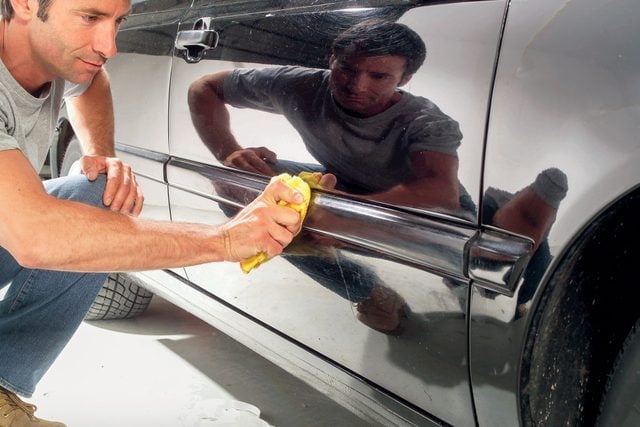
Place the molding carefully on the car’s side. Press it down firmly along its entire length. Apply steady pressure to help the adhesive stick well. Use your hands or a soft cloth to avoid damage. This step ensures the molding sits tight against the car body.
Using Clamps Or Tape
Hold the molding in place with clamps or strong tape. This keeps the molding from shifting while the glue dries. Use gentle pressure to prevent dents or marks. Leave the clamps or tape on for the time the adhesive needs to set. This step makes the bond stronger and lasts longer.
Curing Time
Allow enough time for the adhesive to cure fully. Usually, this takes 24 hours but check your glue’s instructions. Avoid washing the car or exposing it to rain during this time. The molding needs this time to stick firmly and resist weather. Patience here prevents the molding from coming loose later.
Credit: www.familyhandyman.com
Finishing Touches
After reattaching the car body side molding, the final steps matter a lot. These finishing touches help the molding stay in place and look good. Taking time here can prevent future issues and keep your car neat.
Cleaning Excess Adhesive
Check the area around the molding for extra glue or adhesive. Use a soft cloth with a little rubbing alcohol to clean it carefully. Avoid harsh scrubbing to protect the paint. Removing excess adhesive keeps the car’s surface smooth and tidy.
Inspecting The Bond
Press gently along the molding to check if it sticks well. Look for any spots that feel loose or uneven. Fix small gaps by adding extra adhesive if needed. A strong bond ensures the molding will not fall off while driving.
Maintaining The Molding
Keep the molding clean by washing it regularly with mild soap. Avoid using strong chemicals that can damage the adhesive. Check the molding often, especially after rain or car washes. Early care helps the molding last longer and look better.

Credit: www.youtube.com
Frequently Asked Questions
How Do I Remove Old Adhesive From Car Molding?
Use a plastic scraper to gently lift the molding. Apply adhesive remover or rubbing alcohol to soften residue. Wipe clean with a cloth before reattaching new molding.
What Tools Are Needed To Reattach Side Molding?
You need adhesive tape or glue, a plastic scraper, rubbing alcohol, and a clean cloth. Optionally, use a heat gun to soften old adhesive for removal.
How Long Does It Take To Reattach Side Molding?
Reattaching side molding typically takes 30 to 60 minutes. Preparation and cleaning affect the time. Allow adhesive to cure as per product instructions.
Can I Use Household Glue To Fix Car Molding?
Household glue is not recommended. Use automotive-grade double-sided tape or specific molding adhesive for durability and weather resistance.
Conclusion
Reattaching car body side molding can save time and money. Use the right tools and clean the surface well. Press the molding firmly to ensure it sticks. Check for any gaps or loose edges. Take your time and follow each step carefully.
Your car will look neat and protected again. Small fixes like this keep your vehicle in good shape. Stay patient and do it right for best results.


