

If you’re thinking about raising wax worms or already have some, you probably want to keep them healthy and thriving. But how exactly do you take care of these tiny creatures?
It might seem tricky at first, but with the right tips, you can easily create the perfect environment for your wax worms to grow. You’ll discover simple steps that make caring for wax worms straightforward and rewarding. Keep reading to learn how to give your wax worms the best care possible—your success starts here!
Choosing The Right Wax Worms
Choosing the right wax worms is important for their care and use. Healthy worms grow well and stay active. Picking the correct type helps meet your needs. This guide makes the choice clear and simple.
Types Of Wax Worms
Two common types of wax worms are the greater wax moth and the lesser wax moth. The greater wax moth is larger and more common. The lesser wax moth is smaller and less active. Both types serve as food for reptiles and birds. Choose the type based on size and activity level desired. Some prefer greater wax moth worms for bigger pets. Others choose lesser wax moth worms for smaller animals. Knowing the type helps you match worms to your pet’s needs.
Healthy Specimens To Select
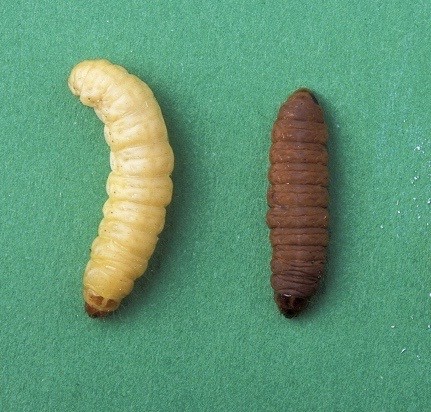
Healthy wax worms are firm and plump. Avoid worms that look shriveled or dry. Bright white or creamy color shows good health. Dark spots or discoloration mean illness or old age. Healthy worms move slightly when touched. Dead or weak worms stay still and limp. Picking strong worms ensures they live longer. This also reduces the risk of spreading diseases to pets. Always inspect worms before purchase or use.
Setting Up The Habitat
Setting up the right habitat is key to keeping wax worms healthy. The environment must be safe, clean, and comfortable. Good habitat setup helps wax worms grow well and stay active. It also reduces the risk of diseases and stress. Here’s how to prepare the perfect home for your wax worms.
Ideal Container Options
Choose a container with enough space for the worms to move. Clear plastic containers work well. They let you watch the worms without disturbing them. The container should have a secure lid with small air holes. Proper ventilation prevents mold and keeps air fresh. Avoid containers that are too deep or too tight.
Substrate Choices
Wax worms need a soft, absorbent base. Use dry bran, oats, or cornmeal as substrate. These materials soak up moisture and keep the habitat clean. Change the substrate regularly to stop bad smells and mold. Avoid wet or damp bedding. It can harm the worms and cause sickness.
Temperature And Humidity Needs
Keep the habitat temperature between 70°F and 80°F. This range is ideal for wax worm growth. Use a thermometer to check the temperature daily. Humidity should stay moderate, around 50% to 60%. Too much moisture can cause mold and kill the worms. Too little can dry them out. Use a small hygrometer to track humidity levels.
Feeding Wax Worms
Feeding wax worms is simple but important. Good food helps them grow healthy and strong. Proper feeding keeps them active and alive for longer. Understanding what and how often to feed wax worms will make care easier.
Best Food Sources
Wax worms mainly eat beeswax. Pure beeswax is the best choice. You can also offer honey or small pieces of fruit. Avoid giving them processed or sugary foods. Fresh and natural food keeps wax worms healthy.
Feeding Frequency
Feed wax worms every two to three days. They do not need food every day. Small amounts are enough to keep them nourished. Watch them eat and adjust feeding if needed. Regular feeding keeps them from starving or overeating.
Avoiding Overfeeding
Too much food causes mold and smell problems. Remove leftover food after 24 hours. Overfeeding can make wax worms sick. Keep feeding small and controlled. Clean their habitat often to avoid health issues.
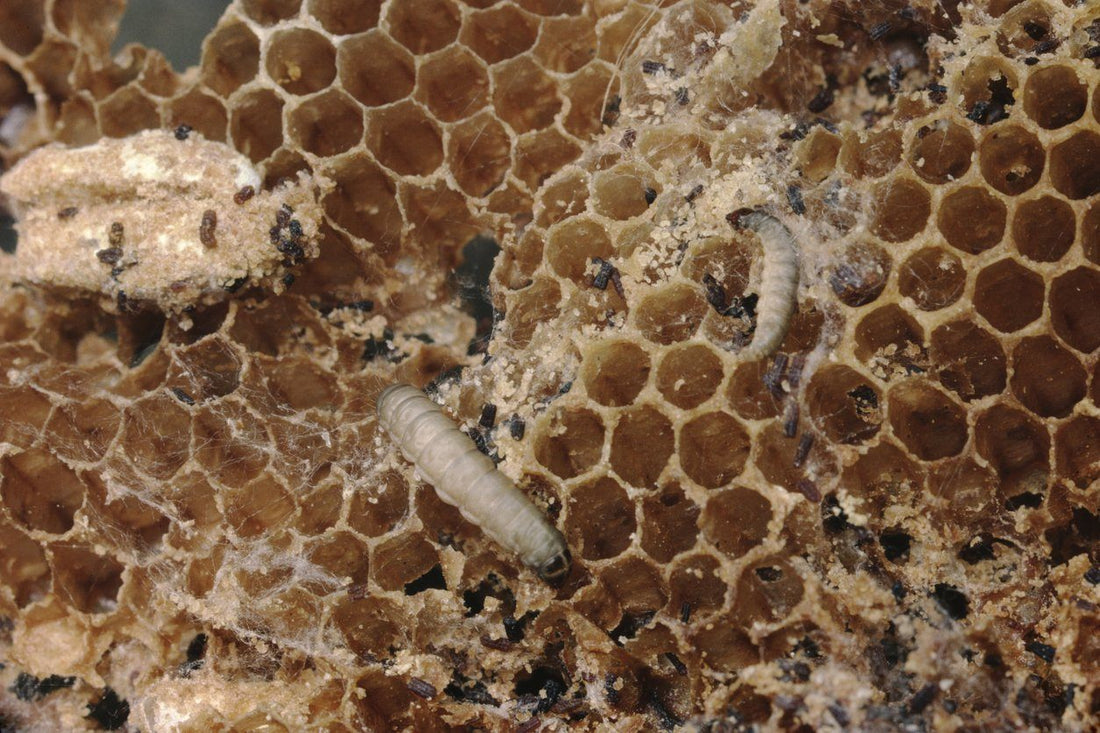
Credit: dubiaroaches.com
Maintaining Cleanliness
Keeping wax worms healthy starts with cleanliness. A clean habitat helps prevent diseases and stress. It also creates a better space for the worms to grow and thrive.
Cleaning The Habitat
Remove old food and debris every few days. Use a soft brush or cloth to wipe the walls. Avoid harsh chemicals that can harm the worms. Replace bedding material regularly to keep the area fresh.
Managing Waste
Wax worms produce waste that must be cleared often. Use a small scoop or tweezers to pick out droppings. Dispose of waste in a sealed bag to stop smells. Clean the container bottom to avoid buildup.
Preventing Mold And Pests
Keep the habitat dry to stop mold growth. Avoid overfeeding, which can cause moldy food. Use a fine mesh cover to keep out flies and mites. Check the habitat daily for any signs of pests or mold.
Monitoring Wax Worm Health
Keeping wax worms healthy is important for their survival and use. Regular checks help spot problems early. Healthy worms grow well and stay active. Watch them closely every day.
Signs Of Illness
Look for worms that move less than usual. Discoloration or dark spots can signal sickness. Thin or shriveled worms need attention. A bad smell may come from sick worms. Healthy wax worms look plump and white.
Handling Injuries
Handle worms gently to avoid injuries. Use soft tools or clean fingers. Remove injured worms from the group. Place them in a clean container. Keep injured worms separate to prevent infection.
When To Replace Worms
Replace worms if many look weak or sick. Fresh worms ensure better feeding and care. Old worms may die soon and attract pests. Regularly add new wax worms to your stock. This keeps your collection healthy and strong.

Credit: flukerfarms.com
Using Wax Worms Effectively
Wax worms are useful in many ways. Knowing how to use them well helps you get the best results. They serve as food, bait, and can even be bred at home. Each use has simple steps to follow. This guide helps you use wax worms effectively for your needs.
Feeding Pets And Reptiles
Wax worms are a favorite snack for many pets and reptiles. They provide good fat and protein for your animals. Feed them fresh wax worms to keep pets healthy and happy. Avoid overfeeding because wax worms are high in fat. Offer them as treats or part of a varied diet.
Baiting For Fishing
Wax worms work well as bait for fishing. Their soft texture attracts many types of fish. Use them on hooks to catch bass, trout, and panfish. Keep the worms cool and fresh for the best action. Change bait often to keep it lively and appealing to fish.
Breeding Tips
Breeding wax worms at home is simple and saves money. Keep them in a dark, warm place with good airflow. Provide bran or oats as bedding and food. Remove dead worms daily to prevent mold. Maintain clean conditions to help your worms grow strong and healthy.
Credit: www.thehouseofanimals.com
Frequently Asked Questions
What Do Wax Worms Eat And How Often?
Wax worms primarily eat beeswax and honeycomb. In captivity, feed them fresh fruits or bran daily. Ensure food is clean and replace it regularly to prevent mold and bacteria growth.
How To Maintain The Ideal Temperature For Wax Worms?
Keep wax worms at 70-80°F (21-27°C) for optimal health. Avoid extreme heat or cold, which can harm or kill them. Use a thermostat or controlled environment to maintain steady warmth.
How To Keep Wax Worms Safe From Mold And Pests?
Store wax worms in a dry, well-ventilated container. Change bedding or food regularly to avoid mold buildup. Keep the habitat clean and inspect worms frequently for signs of infestation.
Can I Use Wax Worms As Pet Food?
Yes, wax worms are excellent live food for reptiles, birds, and amphibians. They provide high fat and protein content. Always offer in moderation to maintain a balanced diet for pets.
Conclusion
Taking care of wax worms is simple with the right steps. Keep their habitat clean and provide fresh food regularly. Watch their temperature and humidity to keep them healthy. Check on them daily to spot any problems early. Small efforts can keep wax worms happy and alive.
Enjoy caring for these interesting little creatures!


