

Have you ever noticed your engine sputtering or losing power unexpectedly? The culprit might be water trapped in your fuel filter.
Water in fuel can cause serious problems, from poor performance to costly repairs. But don’t worry—you can fix this yourself. You’ll learn simple, step-by-step methods to remove water from your fuel filter quickly and safely. Keep reading to protect your engine and keep your vehicle running smoothly.
Causes Of Water In Fuel Filters
Water in a fuel filter causes many engine problems. It can enter the fuel system in different ways. Knowing these causes helps prevent damage and keeps the engine running well. The fuel filter traps dirt and water to protect the engine. But too much water can harm engine parts. Understanding how water gets there is the first step to fixing the issue.
Common Sources Of Water Contamination
Water can enter fuel from rain or snow during refueling. Poorly sealed fuel tanks allow moisture inside. Condensation forms inside the tank, especially with temperature changes. Using low-quality or old fuel can contain water. Storage tanks and fuel containers may have water buildup. Even small amounts of water can reach the fuel filter. Fuel stations with improper storage also increase risk.
Effects On Engine Performance
Water in the fuel filter causes rough engine running. The engine may stall or fail to start. It reduces fuel efficiency and power output. Corrosion can develop inside the fuel system. Water blocks fuel flow, causing sputtering or misfires. Long-term water exposure damages fuel injectors. This leads to costly repairs and poor vehicle reliability.
Signs Of Water In The Fuel Filter
Water in the fuel filter can cause serious problems for your vehicle. It can stop the engine from running smoothly or even cause damage. Knowing the signs of water in the fuel filter helps you act fast and avoid costly repairs. Recognizing these signs early keeps your engine healthy and running well.
Engine Symptoms To Watch For
Watch for engine misfires or rough running. The engine may hesitate or stall during acceleration. You might notice a drop in power or poor fuel efficiency. Strange noises or sputtering sounds can also appear. These symptoms often point to water in the fuel filter blocking fuel flow.
Fuel Filter Inspection Tips
Check the fuel filter for cloudy or milky fuel. Water in the filter looks different from clean fuel. Use a clear container to catch fuel and see if water settles at the bottom. Look for rust or corrosion around the filter area. Regular inspection helps catch water before it harms the engine.
Tools Needed For Water Removal
Removing water from a fuel filter requires the right tools. Having the correct equipment makes the task easier and safer. This section lists the essential tools needed for water removal. It also highlights the safety gear to protect yourself during the process.
Essential Equipment List
- Fuel filter wrench – for loosening and tightening the filter
- Drain pan or container – to catch water and fuel mixture
- Clear plastic tubing – to help drain water from the filter
- Hand pump or siphon – to remove water from the filter bowl
- Replacement fuel filter – in case the old one is too damaged
- Clean rags – for wiping spills and cleaning parts
- Small screwdriver – for opening filter drain plugs if available
Safety Gear Recommendations
- Protective gloves – to avoid skin contact with fuel
- Safety goggles – to protect eyes from splashes
- Work apron or old clothes – to keep your clothes clean
- Well-ventilated area – to avoid inhaling fuel fumes
- Fire extinguisher nearby – for emergency situations

Credit: www.youtube.com
Step-by-step Water Removal Process
Removing water from a fuel filter is important for your vehicle’s performance. Water in the fuel can cause engine problems and reduce efficiency. Follow this simple step-by-step process to clean your fuel filter and keep your engine running smoothly.
Draining The Fuel Filter
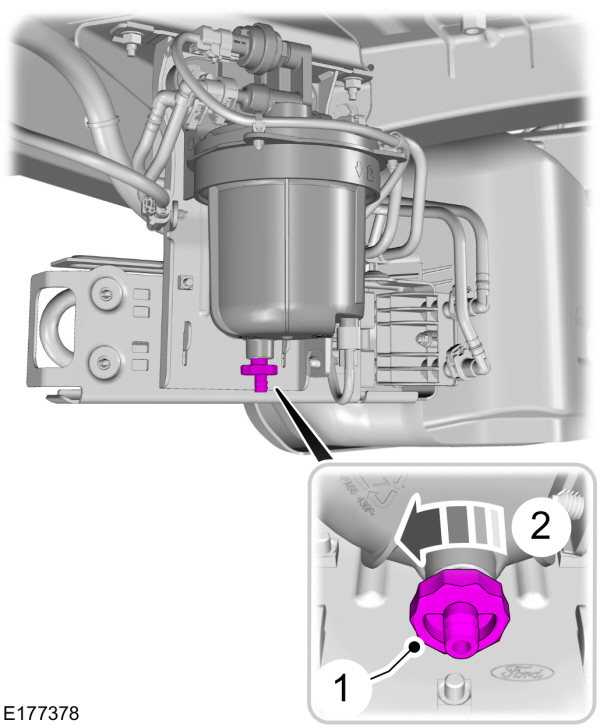
First, locate the fuel filter under the hood or near the fuel tank. Place a container below the filter to catch any drained fuel. Open the drain valve or remove the drain plug carefully. Let the water and fuel mixture flow out completely. Dispose of the liquid safely according to local rules.
Cleaning And Drying Procedures
After draining, clean the filter surface with a clean cloth. Use compressed air or a dry cloth to remove moisture inside the filter. Avoid using water or harsh chemicals on the filter element. Ensure the filter is completely dry before reinstalling. This prevents water from entering the fuel system again.
Reinstalling The Filter
Place the fuel filter back in its original position. Tighten any clamps or screws securely but avoid over-tightening. Reconnect fuel lines carefully to prevent leaks. Start the engine and check for any fuel leaks. A well-installed filter helps maintain smooth fuel flow and engine health.
Preventing Future Water Contamination
Water in the fuel filter can cause engine problems and reduce fuel efficiency. Preventing water contamination saves time and money. Taking simple steps helps keep your fuel clean and your engine running smoothly.
Proper Fuel Storage
Store fuel in clean, sealed containers. Avoid containers that let air or moisture inside. Keep fuel away from direct sunlight and heat. Use fuel additives that help remove water. These additives stop water from settling in the fuel. Always buy fuel from trusted sources to ensure quality.
Regular Maintenance Tips
Check the fuel filter regularly for water or dirt. Drain water from the fuel filter if you see any. Replace the fuel filter as recommended by your vehicle’s guide. Inspect fuel tanks and lines for leaks or cracks. Clean fuel tanks to remove any moisture buildup. Regular maintenance stops water from damaging your engine.

Credit: www.yachtingmonthly.com
When To Replace The Fuel Filter
Knowing when to replace the fuel filter helps keep your engine running smoothly. A clogged or damaged filter can cause poor engine performance. It may also lead to fuel system problems that cost more to fix. Regular checks and timely replacement protect your vehicle’s fuel system.
Signs Of Irreparable Damage
Fuel filters that leak or crack need immediate replacement. Rust or corrosion on the filter shows severe damage. Fuel smells inside the vehicle can mean the filter is failing. Engine misfires or trouble starting also point to filter problems. These signs mean cleaning is not enough. Replace the filter to avoid bigger issues.
Choosing The Right Replacement
Selecting the correct fuel filter keeps your car safe and efficient. Check your vehicle manual for the exact filter type. Use filters made for your engine’s fuel system. Avoid cheap or generic filters that may not fit well. A proper filter ensures clean fuel flow and engine protection.
Credit: www.fordservicecontent.com
Frequently Asked Questions
How Do I Know If Water Is In My Fuel Filter?
Water in a fuel filter causes engine sputtering, stalling, or poor performance. You may notice a milky fuel appearance or rust inside the filter. Regular inspection helps detect water early and prevents engine damage.
What Tools Are Needed To Remove Water From Fuel Filter?
You need a wrench, a container for draining fuel, gloves, and a clean cloth. Some filters have a drain valve to release water. Always use safety gear to avoid fuel contact and work in a well-ventilated area.
Can I Remove Water Without Replacing The Fuel Filter?
If the filter has a drain valve, you can drain water without replacement. Otherwise, replacing the filter is best to avoid contaminants. Draining alone may not remove all water or debris, risking engine issues.
How Often Should I Check The Fuel Filter For Water?
Check the fuel filter every 10,000 miles or during routine maintenance. Vehicles in wet or humid areas need more frequent checks. Regular inspection prevents water buildup and keeps your engine running smoothly.
Conclusion
Removing water from your fuel filter keeps your engine running smooth. It stops damage and costly repairs. Clean fuel means better performance and longer engine life. Check your filter regularly and drain water when needed. Small efforts save big problems later.
Stay safe and keep your vehicle healthy with this simple step.


