

Is your vehicle struggling to start or running rough? The problem might be right under the hood—your fuel filter.
Over time, fuel filters get clogged and can cause serious performance issues. But don’t worry, resetting your fuel filter is easier than you think. You’ll discover simple, step-by-step instructions to reset your fuel filter and get your engine running smoothly again.
Keep reading—your car will thank you!

Credit: www.youtube.com
Signs Of A Clogged Fuel Filter
A clogged fuel filter can cause many problems for your vehicle. It stops fuel from flowing properly to the engine. This leads to several noticeable signs. Recognizing these signs early helps you fix the issue quickly. It keeps your car running smoothly and avoids costly repairs.
Engine Performance Issues
The engine may run rough or stall often. You might hear sputtering sounds while driving. The car may hesitate when you press the gas pedal. These problems happen because the engine does not get enough fuel. A clogged fuel filter blocks fuel flow, causing poor engine performance.
Fuel Efficiency Drops
Your car uses more fuel than usual. You might fill the tank more often. This happens because the engine works harder to get fuel. A clogged filter limits fuel supply, making the engine less efficient. Poor fuel efficiency means you spend more money on gas.
Starting Problems
The car takes longer to start or does not start at all. This happens when the fuel filter is blocked. The engine needs fuel to start quickly. A clogged filter stops fuel from reaching the engine, causing starting problems. You may need to try starting several times before it works.
Tools And Materials Needed
Resetting the fuel filter needs the right tools and materials. Having these ready helps the job go smoothly. It also keeps you safe and saves time. Below are the key tools and items to prepare before starting.
Basic Tools
You need some basic tools to reset the fuel filter. A wrench set helps loosen bolts and clamps. Screwdrivers are needed to remove screws and covers. Pliers are useful for pulling and holding small parts. A container to catch fuel drips is also important.
Replacement Fuel Filter
Always use a replacement fuel filter made for your vehicle. Check the model number to match it correctly. A clean filter improves engine performance and fuel flow. Installing the right filter prevents damage and saves money.
Safety Gear
Safety gear protects you during the process. Wear gloves to keep your hands safe from fuel and dirt. Eye protection stops debris or fuel from entering your eyes. Work in a well-ventilated area to avoid breathing harmful fumes. Keep a fire extinguisher nearby as a safety measure.
Safety Precautions
Resetting the fuel filter involves handling fuel and engine parts. Safety is very important. Taking safety steps protects you from harm and keeps the work area safe. Follow these key safety tips before starting the reset process.
Work In A Well-ventilated Area
Fuel fumes can be harmful if they build up. Work outside or in a place with good airflow. Open doors and windows. Use fans if possible. Fresh air helps avoid breathing in dangerous fumes.
Wear Protective Equipment
Wear gloves to protect your hands from fuel and dirt. Use safety goggles to shield your eyes from splashes. Wear long sleeves to protect your skin. Protective gear lowers the risk of injury during the reset.
Avoid Open Flames
Fuel is highly flammable. Do not smoke or use open flames near the work area. Turn off any equipment that could spark. Keep a fire extinguisher nearby just in case. Fire safety is critical when handling fuel.
Locating The Fuel Filter
Finding the fuel filter is the first step to reset it properly. The filter stops dirt and debris from reaching the engine. Knowing its location helps you inspect or change it fast. Different cars have fuel filters in different spots. Some are easy to reach, while others need more effort. This guide shows common places to check and how to use your vehicle manual for help.
Common Fuel Filter Locations
Fuel filters often sit along the fuel line. Under the car near the fuel tank is a usual spot. Some filters are inside the engine bay. Look near the firewall or close to the fuel injectors. Older cars may have a metal canister filter. Newer models often use a smaller, plastic filter. Sometimes, the filter is inside the fuel pump assembly.
Consulting The Vehicle Manual
Your car’s manual is a great tool to find the fuel filter. It shows exact locations and parts names. Manuals give safety tips for handling fuel systems. They also explain tools you might need. Follow the manual’s steps closely to avoid damage. It saves time and stops guesswork during the reset process.
Steps To Reset The Fuel Filter
Resetting the fuel filter is key to keeping your vehicle running smoothly. Dirt and debris clog the filter over time. This can reduce engine performance and cause problems. Follow clear steps to reset the fuel filter safely and correctly. This guide breaks down the process into simple parts. Each step helps you avoid mistakes and saves time.
Relieving Fuel System Pressure
Start by relieving pressure in the fuel system. This stops fuel from spraying out. Locate the fuel pump fuse or relay in the fuse box. Remove it and try to start the engine. The engine will stall, showing pressure is released. Wait a few minutes before moving to the next step.
Removing The Old Filter
Find the fuel filter, usually near the fuel tank or engine. Use a wrench to loosen the fittings or clamps. Be ready with a container to catch fuel drips. Carefully remove the old filter from its holder. Dispose of the old filter according to local rules.
Installing The New Filter
Check the new filter for the correct direction of fuel flow. Insert the new filter into the holder. Tighten the fittings or clamps securely to avoid leaks. Make sure the filter is firm and does not move. This step is important to keep fuel flowing properly.
Checking For Leaks
Replace the fuel pump fuse or relay. Turn the ignition key to the ON position, but do not start the engine. Look closely at the filter connections for any leaks. If no leaks appear, start the engine and watch again. Fix any leaks before driving the vehicle.

Credit: www.project200.com.au
Testing After Replacement
Testing the fuel filter after replacement is important. It helps to make sure the new filter works well. This step keeps your engine running smooth and safe. Follow these simple checks to confirm the job is done right.
Starting The Engine
Turn the key to start the engine. Listen for any strange noises. The engine should start easily without hesitation. A smooth start shows the fuel flows properly through the new filter.
Observing Engine Performance
Watch how the engine runs after starting. It should run steady without sputtering or stalling. Check for steady acceleration when you press the gas pedal. Good performance means the fuel filter is clean and clear.
Monitoring For Issues
Keep an eye on the engine for a few minutes. Look for signs like rough idling or power loss. Smells of fuel or leaks near the filter need immediate attention. Fix problems early to avoid damage to the engine.
Maintenance Tips
Proper maintenance keeps your fuel filter working well. It helps your engine run smoothly. Following simple tips can save money and avoid breakdowns. Focus on regular checks, timely replacements, and good fuel quality.
Regular Fuel Filter Checks
Check the fuel filter often for dirt and clogging. Look for signs like rough engine or slow acceleration. Clean or replace the filter if it looks dirty. Regular checks stop small problems from growing bigger.
Recommended Replacement Intervals
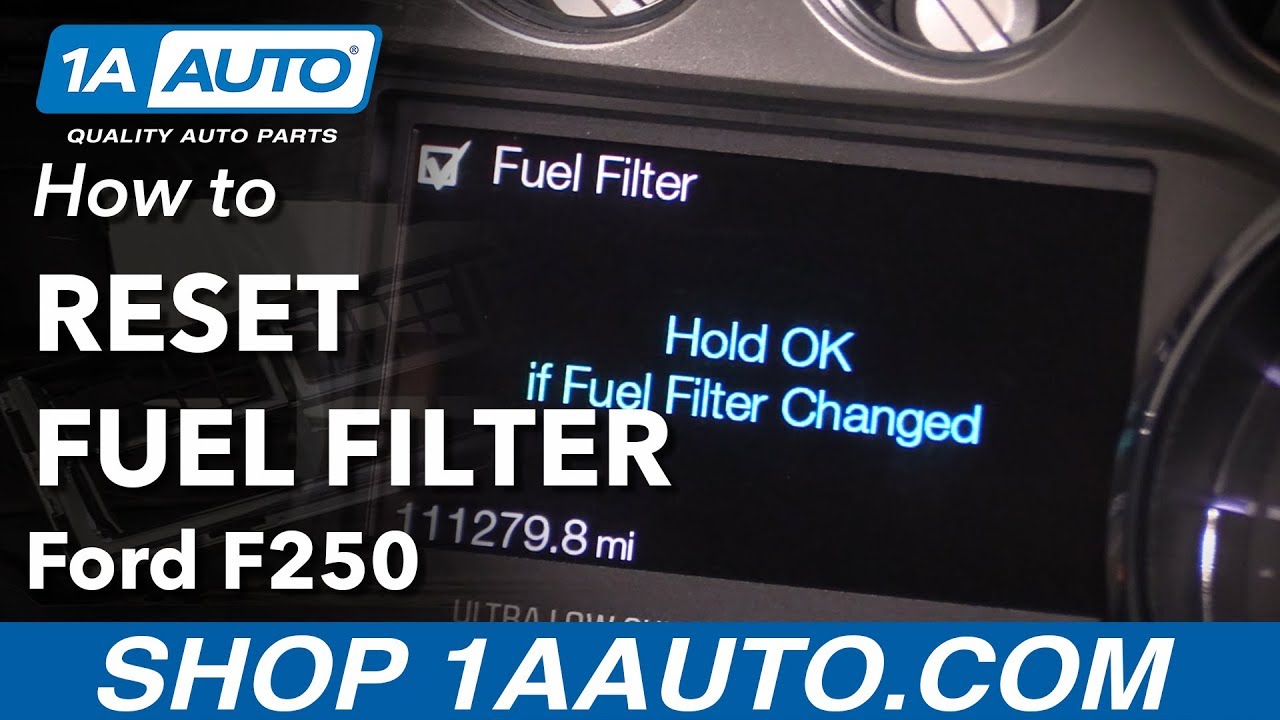
Change the fuel filter as the car manual suggests. Most filters need replacement every 20,000 to 40,000 miles. Sticking to this schedule keeps the fuel flow clean. It protects the engine parts from damage.
Using Quality Fuel
Use good quality fuel to keep the filter clean longer. Poor fuel has dirt and water that block the filter. Clean fuel helps the filter last and your engine perform better. Always buy fuel from trusted stations.
Credit: www.1aauto.com
Frequently Asked Questions
How Do I Know When To Reset The Fuel Filter?
You should reset the fuel filter if your engine shows signs of poor performance. Symptoms include stalling, hesitation, or reduced power. Regular maintenance schedules often recommend resetting after replacing the filter. Check your vehicle manual for specific intervals to ensure optimal engine function.
Can I Reset The Fuel Filter Myself Safely?
Yes, resetting the fuel filter is usually a simple DIY task. Ensure the engine is off and cool before starting. Follow your vehicle’s manual instructions carefully. Use proper tools and safety gear to avoid fuel spills or injury during the reset process.
What Tools Are Needed To Reset A Fuel Filter?
Typically, you need a wrench or socket set to remove the filter. A clean container to catch fuel may be helpful. Gloves and safety glasses are recommended for protection. Always refer to your vehicle’s manual for any specific tools required.
How Long Does It Take To Reset A Fuel Filter?
Resetting a fuel filter generally takes 15 to 30 minutes. Time varies depending on vehicle type and your experience. Preparation and cleanup add a few extra minutes. Following clear steps helps ensure a quick, efficient reset.
Conclusion
Resetting the fuel filter helps keep your engine running smoothly. It removes dirt and clogs that slow fuel flow. Regular resets can improve fuel efficiency and engine life. Take your time and follow each step carefully. Doing this yourself saves money and builds confidence.
Remember, clean fuel means better engine performance. Keep an eye on your fuel system to avoid bigger problems. Simple maintenance like this makes a big difference. Stay safe and happy driving!

