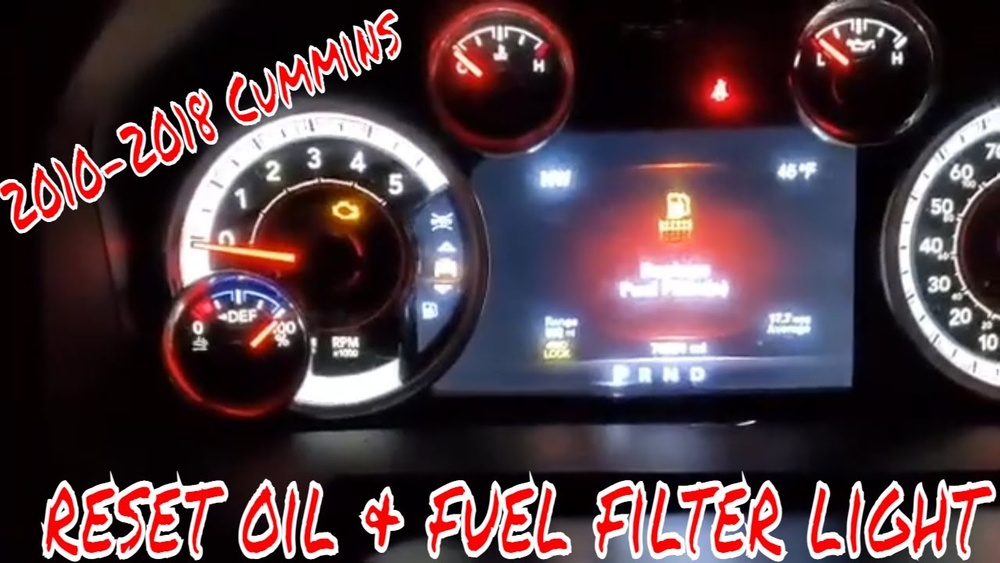
Is your car refusing to start, and you suspect a bad fuel filter might be the culprit? You’re not alone, and luckily, there are ways to get your engine running again without immediately rushing to the mechanic.
Understanding how to start a car with a clogged or faulty fuel filter can save you time, frustration, and money. You’ll discover simple, practical steps that can help you get back on the road quickly. Keep reading—your car’s next start might be easier than you think.
Signs Of A Bad Fuel Filter
Knowing the signs of a bad fuel filter helps keep your car running smoothly. A clogged or dirty filter blocks fuel flow. This causes several problems that affect the engine’s performance. Recognizing these signs early can save you from costly repairs.
Engine Sputtering
The engine may sputter or hesitate while driving. This happens because the fuel flow is uneven. Without enough fuel, the engine struggles to run. You might feel a jerking or stalling sensation.
Difficulty Starting
Your car may take longer to start or fail to start at all. A bad fuel filter limits fuel reaching the engine. This makes ignition harder. You may notice your engine cranks but does not start quickly.
Reduced Fuel Efficiency
A dirty fuel filter causes the engine to work harder. This reduces fuel efficiency. Your car uses more gas for the same distance. You may notice more frequent trips to the gas station.
Why A Fuel Filter Matters
The fuel filter plays a key role in keeping your car running smoothly. It cleans the fuel before it reaches the engine. Clean fuel helps the engine work well and last longer.
Without a good fuel filter, dirt and debris can enter the engine. This can cause many problems, including poor performance and breakdowns.
Role In Fuel Delivery
The fuel filter traps dirt, rust, and other particles from the fuel. It stops these impurities from reaching the engine. This protection helps the fuel system parts stay clean. The engine gets clean fuel for better burning. A clean fuel filter supports steady fuel flow. This keeps the engine running strong and smooth.
Effects Of Clogging
A clogged fuel filter blocks fuel flow. The engine may struggle to start or run poorly. You might feel the car hesitate or lose power. Fuel pumps work harder, causing damage over time. A bad filter can lead to engine stalling. Ignoring a clogged filter can cause costly repairs. Regular checks and replacements keep your car healthy.
Quick Fixes To Start Your Car
Starting a car with a bad fuel filter can be tough. A clogged filter blocks fuel flow and stops the engine. Quick fixes can help you start the car and get it to a mechanic. These simple steps may save time and effort in an emergency.
Using Fuel Additives
Fuel additives can clean the fuel system and dissolve blockages. Add the correct amount to your gas tank. These additives help fuel flow through the filter better. They do not fix the filter but improve fuel movement temporarily. Use additives made for fuel cleaning only.
Tapping The Fuel Filter
Gently tap the fuel filter with a small tool or handle. This may loosen dirt stuck inside the filter. Tap lightly to avoid damage. This trick sometimes helps fuel pass through more easily. It is a quick way to improve flow for a short drive.
Bypassing The Filter Temporarily
Bypassing the fuel filter lets fuel flow directly to the engine. This needs basic tools and care. Disconnect the fuel lines from the filter carefully. Connect the input and output fuel lines with a hose or pipe. This bypass is a short-term fix only. Replace the fuel filter as soon as possible.

Credit: www.autonationmobileservice.com
Tools You’ll Need
Starting a car with a bad fuel filter requires some basic tools. These tools help you check and fix the fuel filter safely. Having the right tools ready saves time and effort. It also keeps the task simple and safe.
Basic Hand Tools
You need a few hand tools to work on the fuel filter. A wrench or socket set helps to loosen bolts and clamps. Screwdrivers are useful for removing covers or clips. Pliers can grab small parts or hose clamps. A clean container is helpful to catch any fuel that leaks out. Keep these tools close before you start.
Safety Gear
Safety is important when working with fuel. Wear safety glasses to protect your eyes from splashes. Use gloves to keep your hands clean and safe from fuel. Have a fire extinguisher nearby in case of accidents. Work in a well-ventilated area to avoid breathing fumes. Being safe helps you finish the job without problems.
Step-by-step Temporary Start Guide
Starting a car with a bad fuel filter can be tricky. This guide shows a simple, temporary way to get your engine running. These steps are not a fix but can help in an emergency. Follow each step carefully to avoid damage or injury.
Locating The Fuel Filter
Find the fuel filter first. It is usually near the fuel tank or engine. Look for a small, metal or plastic cylinder. It connects two fuel lines. Clean the area around it to avoid dirt entering the fuel system.
Performing A Quick Tap
Use a rubber mallet or a similar soft tool. Gently tap the fuel filter to dislodge any blockages. Do not hit it hard. The goal is to loosen debris that may block fuel flow. Tap for about 10 seconds, then stop.
Starting The Engine
Turn the ignition key to the start position. Allow the engine to crank for a few seconds. If it starts, let it run briefly to clear fuel lines. If it doesn’t start, repeat the tapping step once more. Avoid prolonged cranking to protect the battery.
When To Replace The Fuel Filter
Knowing the right time to replace your car’s fuel filter is important. A clogged fuel filter can stop fuel flow, making your car hard to start. Replacing it on time keeps your engine running smoothly. It also saves you from costly repairs later.
Signs It’s Time
Watch for slow engine start or frequent stalls. Your car may lose power while driving uphill or carrying heavy loads. Notice engine misfires or rough idling. Strange noises from the fuel pump can also signal trouble. Poor fuel efficiency is another warning. These signs mean your fuel filter might be clogged.
Replacement Intervals
Most car makers suggest changing the fuel filter every 20,000 to 40,000 miles. Check your owner’s manual for exact numbers. Some filters last longer, especially in newer cars. Dirt and fuel quality affect filter life too. Regular checks help you avoid sudden failures.
Preventive Tips For Fuel Filter Care
Taking care of your fuel filter helps keep your car running smoothly. A clean fuel filter stops dirt and debris from reaching the engine. This can prevent engine problems and save you money on repairs. Follow simple steps to keep your fuel filter in good shape and avoid starting issues.
Regular Maintenance
Check your fuel filter according to your car’s manual. Replace it at the recommended intervals. A clogged filter reduces fuel flow and causes engine trouble. Watch for signs like rough idling or slow acceleration. These may mean the filter needs attention. Regular checks keep your fuel system healthy.
Using Quality Fuel
Choose fuel from trusted gas stations only. Low-quality fuel often contains dirt and water. These impurities clog the fuel filter faster. Clean fuel helps the filter last longer. It also protects your engine from damage. Use good fuel to avoid filter problems and keep your car reliable.

Credit: oilchangers.com
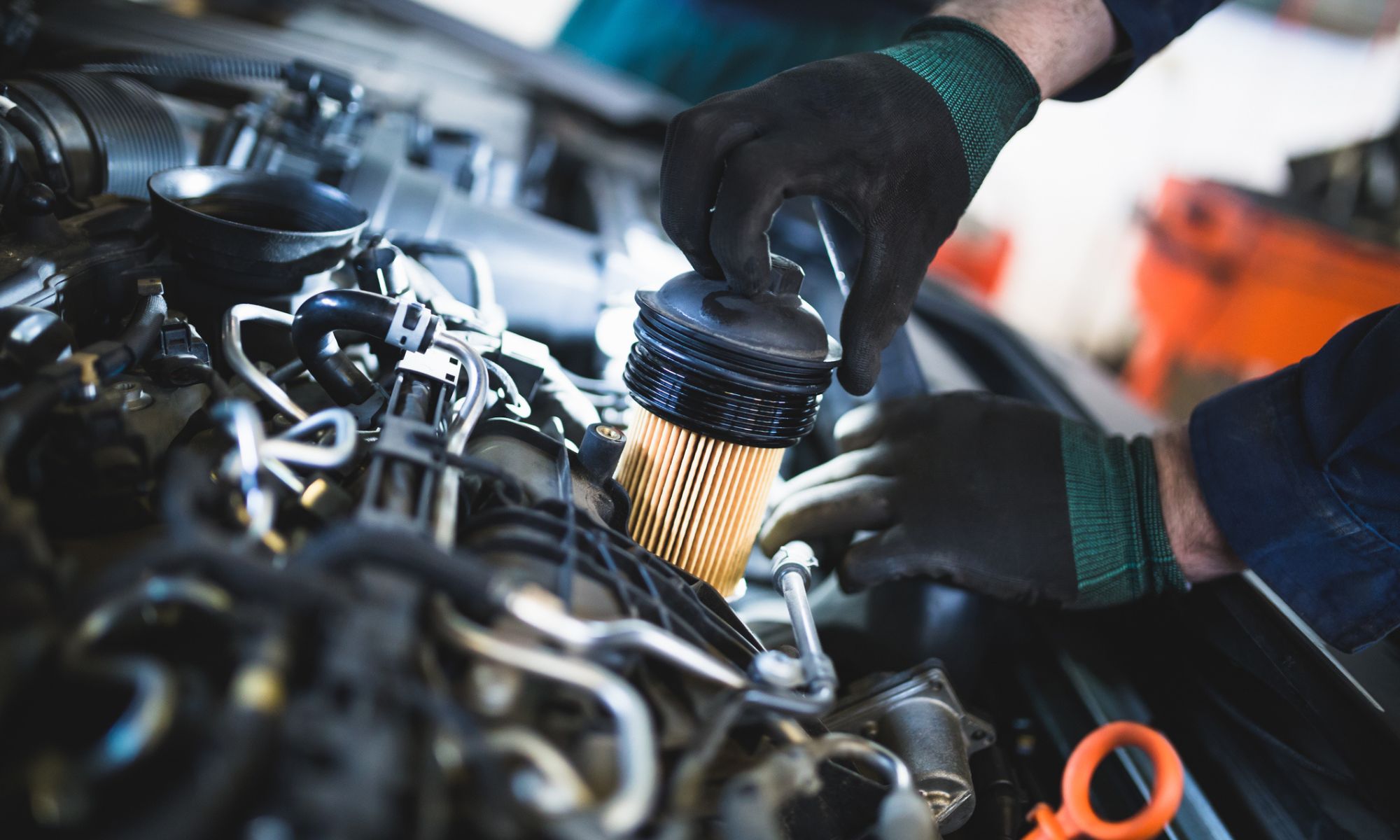
Credit: www.endurancewarranty.com
Frequently Asked Questions
How Do I Know If My Fuel Filter Is Bad?
A bad fuel filter causes engine misfires, stalling, and poor acceleration. Check for difficulty starting and reduced fuel efficiency. Inspect the fuel filter for clogging or damage. Regular maintenance helps avoid fuel filter issues and engine performance problems.
Can I Start A Car With A Clogged Fuel Filter?
Starting a car with a clogged fuel filter is difficult but possible. The engine may crank but struggle to start or stall quickly. Temporary fixes like fuel system cleaners may help, but replacing the fuel filter is the best solution for proper engine function.
What Temporary Fix Helps Start With Bad Fuel Filter?
Using a fuel system cleaner can temporarily improve fuel flow. It helps dissolve minor clogs but won’t fix severe blockages. Another option is to bypass the fuel filter, but only as a short-term measure. Always replace the fuel filter promptly for safety and performance.
How Often Should I Replace My Fuel Filter?
Replace your fuel filter every 20,000 to 30,000 miles or as recommended by your vehicle’s manual. Regular replacement prevents clogging, maintains fuel flow, and protects the engine. Timely maintenance ensures smooth starting and optimal vehicle performance.
Conclusion
Starting a car with a bad fuel filter can be tricky but doable. Clear steps and patience help a lot. Always check your fuel filter regularly to avoid problems. Keep tools ready for quick fixes on the road. Remember, safety comes first when working on your car.
Taking care of small issues prevents bigger troubles later. Stay calm and follow the tips carefully. Your car will run smoother and last longer. Simple actions make a big difference in car care.