

You’ve invested in your smile with aligners, and now it’s time to protect that investment. Taking care of your aligners isn’t just about keeping them clean—it’s about ensuring they work effectively and stay comfortable every day.
If you want to avoid bad odors, stains, or even damage that could slow down your progress, you need to know the right care steps. Keep reading, because what you do now will make all the difference in achieving the perfect smile you’ve been dreaming of.
Daily Cleaning Routine
Keeping your aligners clean every day is very important. A good daily cleaning routine helps stop bacteria build-up and keeps your aligners clear. Clean aligners feel better in your mouth and help your treatment work well. Follow these simple steps to care for your aligners each day.
Rinse Aligners Regularly
Rinse your aligners with cool water every time you remove them. This removes saliva and small food particles. Avoid hot water because it can change the shape of the plastic. Rinsing often stops germs from growing on the surface.
Use Gentle Cleaning Solutions
Use mild soap or special aligner cleaners to wash your aligners. Soft brushes help remove dirt without scratching the plastic. Clean your aligners twice daily to keep them fresh and clear. Avoid using toothpaste, which can be too abrasive.
Avoid Harsh Chemicals
Do not use bleach, alcohol, or strong cleaning products on your aligners. These can damage the plastic and irritate your mouth. Stick to gentle, safe cleaners made for aligners or clear retainers. Protect your aligners by choosing the right cleaning methods.
Proper Storage Tips
Proper storage is key to keeping aligners clean and safe. Good storage habits prevent damage and bacteria buildup. Follow these tips to protect your aligners and keep your smile bright.
Use A Protective Case
Always keep your aligners in a protective case. This prevents scratches and cracks. A case also stops dirt and germs from sticking to your aligners. Carry the case with you to avoid losing your aligners.
Keep Away From Heat
Store your aligners away from heat sources. Heat can warp the plastic and change their shape. Avoid leaving them in hot cars or near heaters. Keep them in a cool, dry place for best results.
Store When Not In Use
Never leave your aligners out in the open. Storing them properly when not wearing protects them from damage. Put them in their case right after removing. This keeps them safe and clean until next use.
Handling Aligners Safely
Handling aligners safely helps keep them clean and damage-free. It also protects your teeth and gums. Proper care extends the life of your aligners. Follow simple steps to handle your aligners the right way.
Remove Carefully
Always take out your aligners gently. Use your fingers, not your nails, to avoid cracks. Pull from the back teeth first, then the front. Avoid using sharp tools or force. This prevents bending or breaking the aligners.
Avoid Biting Or Twisting
Never bite down to remove your aligners. Twisting can cause cracks or warping. Handle them with soft, steady pressure. Keep the aligners in their natural shape for best fit. Damaged aligners can slow down your treatment.
Keep Hands Clean
Wash your hands before touching your aligners. Use soap and water for at least 20 seconds. Dirty hands can transfer germs to your mouth. Clean hands reduce the risk of infections. Always handle aligners with fresh, clean hands.
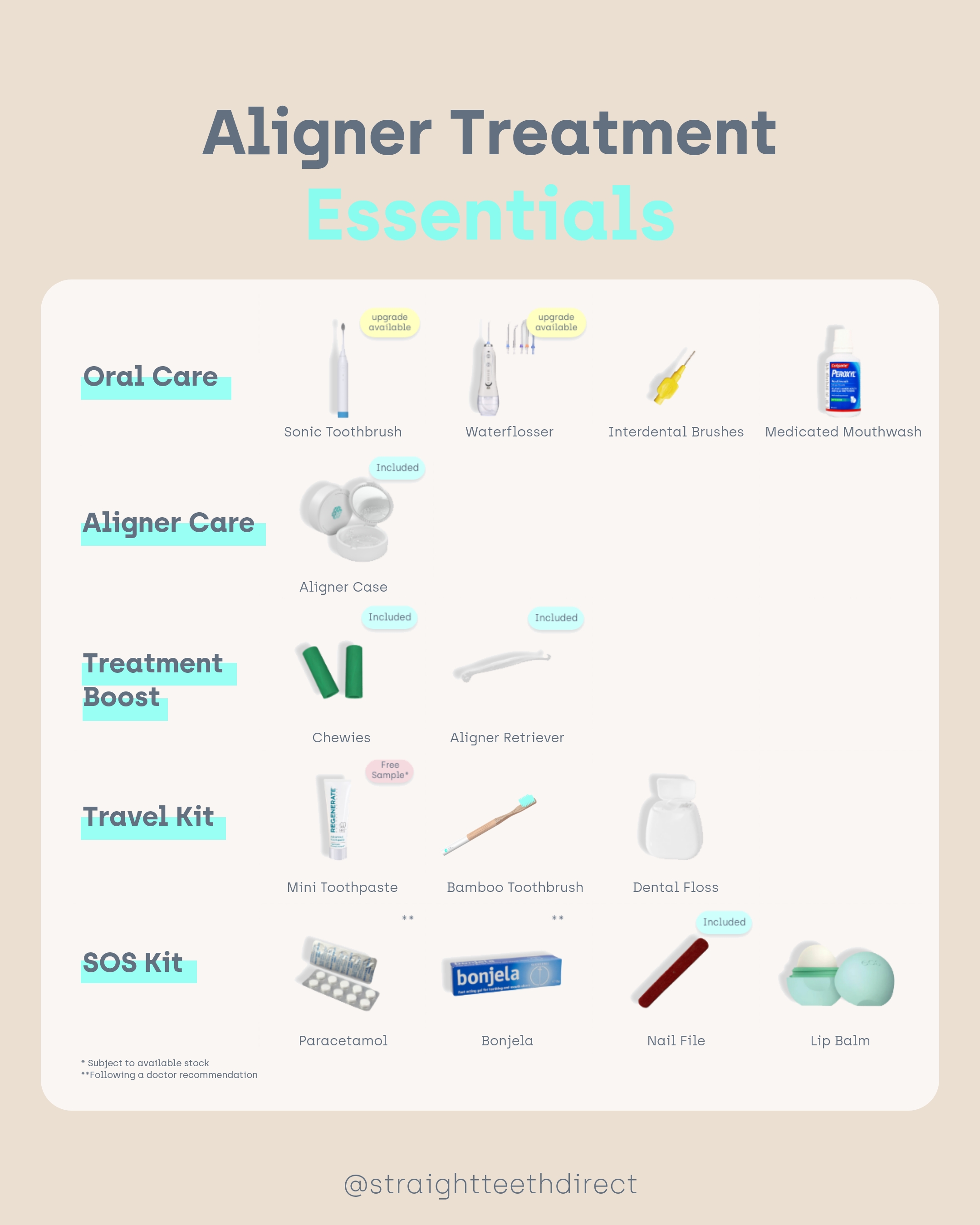
Credit: www.straightteethdirect.com
Maintaining Oral Hygiene
Maintaining oral hygiene is key for aligner users. Clean teeth and aligners reduce bacteria and bad breath. A good routine keeps your smile healthy and bright. Follow simple steps daily for the best results.
Brush And Floss Before Wearing
Always brush your teeth before putting on aligners. Clean teeth prevent germs from trapping under the aligner. Floss to remove food stuck between teeth. This stops plaque buildup and tooth decay. Clean teeth help aligners fit better and feel comfortable.
Clean Teeth After Meals
Remove aligners before eating or drinking anything except water. Brush your teeth after meals to remove food particles. Rinse your mouth well if brushing isn’t possible. Put the aligners back only after teeth are clean. This stops stains and keeps aligners fresh.
Avoid Staining Foods And Drinks
Avoid dark-colored foods and drinks like coffee and berries. These can stain your aligners and teeth. Drinking water helps wash away food residue. If you consume staining foods, brush teeth soon after. Clear aligners stay invisible with good care.
Troubleshooting Common Issues
Aligners need regular care to stay clear and comfortable. Small problems can arise during use. Understanding how to fix these helps keep your aligners in top shape. Here are common issues and easy fixes.
Dealing With Discoloration
Discoloration makes aligners look dirty and can harm oral health. Clean your aligners daily using a soft brush and clear, mild soap. Avoid colored or scented soaps that can stain or leave residue. Soaking aligners in a cleaning solution designed for them helps remove buildup. Rinse well before wearing to keep them clear and fresh.
Handling Cracks Or Damage
Cracks weaken aligners and reduce their effectiveness. Check your aligners each day for small cracks or rough edges. Avoid biting hard foods or using your teeth to remove aligners. If you find damage, contact your orthodontist immediately. Using broken aligners can slow your treatment or cause discomfort.
Managing Discomfort
Discomfort is normal during the first days of new aligners. Over-the-counter pain relievers help ease soreness. Use orthodontic wax on sharp edges to protect your gums and cheeks. Rinsing with warm salt water can reduce irritation. If pain lasts more than a week, speak to your orthodontist for advice.
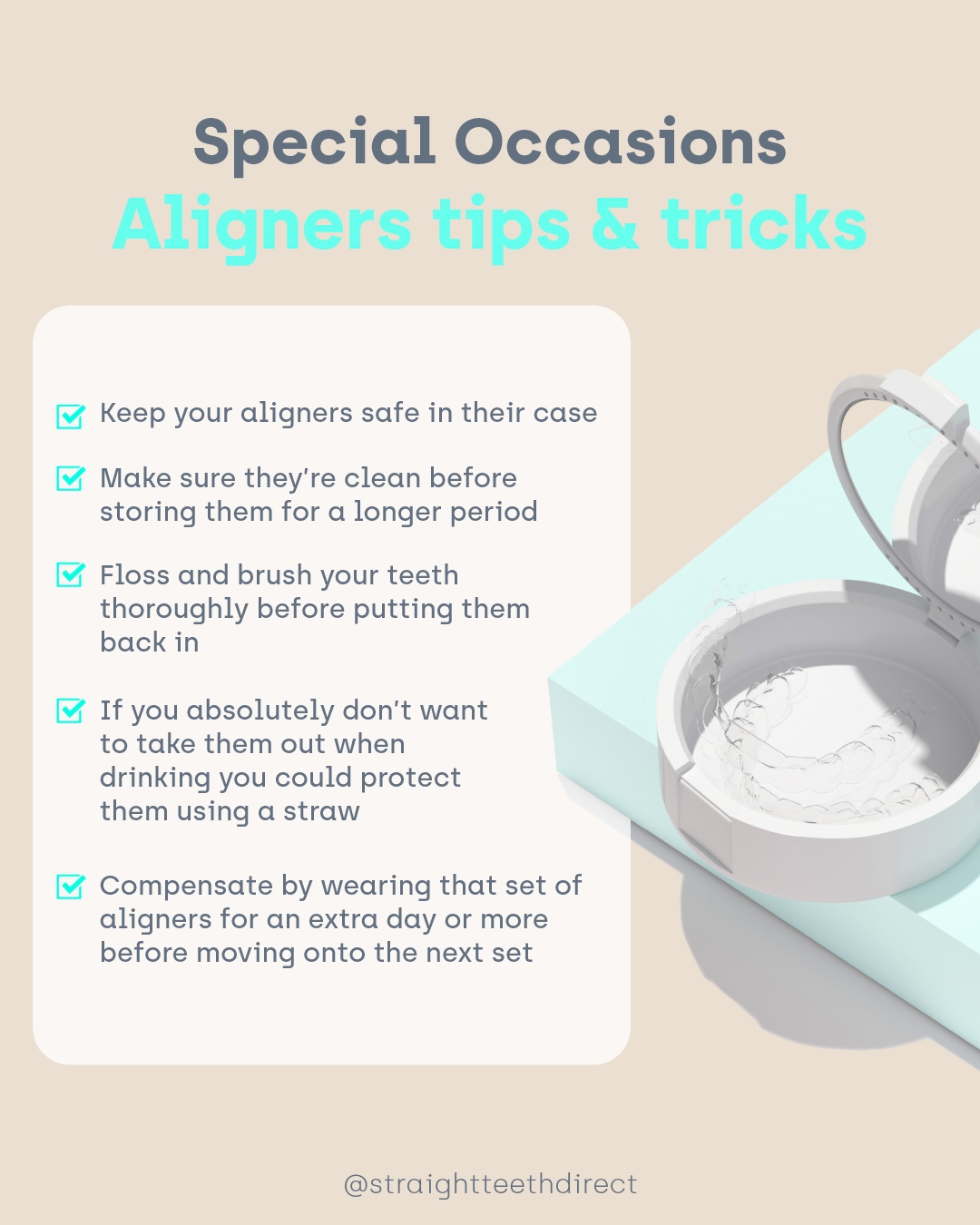
Credit: www.straightteethdirect.com
When To Contact Your Orthodontist
Knowing when to contact your orthodontist is key to successful aligner treatment. Problems can arise during your treatment that need professional attention. Acting quickly helps avoid delays and discomfort.
Some issues may seem small but can affect how well your aligners work. Trust your instincts and reach out if something feels wrong. Your orthodontist can guide you through the next steps.
Signs Of Poor Fit
Aligners should fit snugly on your teeth without gaps. Noticeable gaps or loose aligners may signal a poor fit. This can slow down your treatment or cause teeth to move incorrectly. Report any fit issues to your orthodontist promptly.
Persistent Pain Or Irritation
Some discomfort is normal at first. Intense or lasting pain needs attention. Sores or cuts in your mouth from aligners are not normal. Persistent irritation may mean the aligners are damaged or ill-fitting. Contact your orthodontist to check the problem.
Lost Or Broken Aligners
Lost or broken aligners disrupt your treatment progress. Do not try to fix broken aligners yourself. Inform your orthodontist immediately for a replacement. Using damaged or old aligners can harm your teeth and lengthen treatment time.

Credit: alignerco.com
Frequently Asked Questions
How Often Should I Clean My Aligners?
Clean your aligners twice daily using a soft toothbrush and clear, mild soap. Avoid toothpaste as it can scratch. Rinse thoroughly with lukewarm water to remove bacteria and prevent odor.
Can I Eat Or Drink With Aligners In?
Avoid eating or drinking anything except water while wearing aligners. Food and drinks can stain or damage them. Always remove aligners before meals to maintain their clarity and hygiene.
How Do I Store Aligners When Not In Use?
Store aligners in their protective case when not worn. This prevents loss, damage, and exposure to bacteria. Avoid leaving them exposed to heat or direct sunlight, which can warp the plastic.
What Should I Avoid To Keep Aligners Clean?
Avoid smoking, drinking colored beverages, and using harsh chemicals on aligners. These can cause stains or damage. Regular gentle cleaning and proper handling ensure aligners stay clear and effective.
Conclusion
Taking care of aligners keeps your smile bright and healthy. Clean them daily with gentle brushes and mild soap. Avoid hot water to prevent warping. Store aligners in their case when not worn. Drink only water while wearing them to avoid stains.
Regular care helps aligners work properly and last longer. Small habits make a big difference in your treatment. Stay consistent and enjoy your clear, confident smile.

