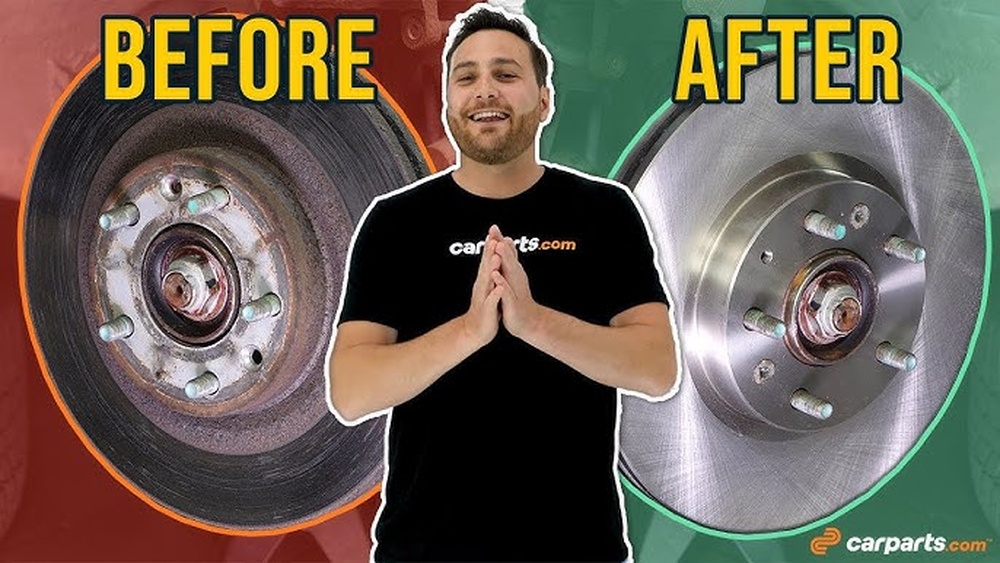
Are you hearing strange noises when you hit the brakes? Or maybe your car feels different when you stop?
These could be signs that your brake pads or rotors need attention. But how do you know which one is the problem? Understanding the difference is key to keeping your car safe and saving money on repairs. You’ll learn simple ways to tell if it’s your brake pads or rotors acting up—and what to do next.
Keep reading to protect yourself and your vehicle before a small issue turns into a big one.
Common Brake Problems
Brake problems affect car safety and driving comfort. Knowing common brake issues helps you stay safe on the road. Worn brake pads and damaged rotors cause most brake troubles. Each has clear signs you can spot early. Recognizing these signs saves money and avoids accidents.
Signs Of Worn Brake Pads
Squeaking or squealing noises mean brake pads are thin. Soft or spongy brake pedals show pads need attention. Longer stopping distances suggest worn brake pads. A grinding sound means pads are worn down to metal. Vibration in the brake pedal also signals pad wear.
Indicators Of Damaged Rotors
Rotors with grooves or cracks need replacement. Warped rotors cause the brake pedal to vibrate. You may feel shaking when braking hard. Burning smells after stopping can mean rotor damage. Uneven brake wear also points to rotor problems.

Credit: www.youtube.com
Noise And Sound Clues
Noise and sound clues often reveal brake problems early. Your car uses sounds to warn you about brake wear or damage. Paying attention to these noises helps you act before bigger repairs arise.
Squealing Or Screeching Sounds
Squealing or screeching usually means brake pads are wearing thin. Pads have a small metal piece that makes noise to warn you. This sound appears when pads need replacement soon. Ignoring it risks damaging brake rotors and increases repair costs.
Grinding Or Thumping Noises
Grinding sounds suggest brake pads are completely worn out. Metal parts rub directly against the rotor. This can cause serious damage and reduce braking power. Thumping noises often come from warped rotors. Both sounds need immediate brake inspection and repair.
Brake Performance Changes
Brake performance changes are clear signs that your brake pads or rotors may need attention. These changes affect how your vehicle stops and can signal worn parts. Recognizing these signs early helps keep driving safe and prevents costly repairs.
Reduced Braking Power
When your car takes longer to stop, brake pads or rotors might be worn out. The brake pedal may feel soft or spongy. You might notice you press the pedal harder to slow down. This loss of power means the brakes are less effective. Worn pads or thin rotors reduce friction needed to stop safely.
Vibration Or Pulsation When Braking
Shaking or pulsing in the brake pedal or steering wheel can mean rotor problems. Warped rotors cause uneven contact with brake pads. This leads to a vibration felt during braking. The shaking may increase with speed or heavy braking. It is a clear sign that rotors need inspection or replacement.
Visual Inspection Tips
Visual inspection is a simple way to check your brakes. It helps find problems early. This saves money and keeps driving safe. You do not need special tools. Just a flashlight and some patience work well. Here are easy tips to check brake pads and rotors.
Checking Brake Pad Thickness
Brake pads wear down over time. Thin pads cause poor braking and noise. Look through the wheel spokes. Find the brake pad pressed against the rotor. Healthy pads are about 8 to 12 millimeters thick. If less than 3 millimeters, it is time to replace them.
Use a flashlight to see clearly. Check both front and rear wheels. Uneven wear means a problem with the brake system. Thin pads can damage the rotors quickly.
Spotting Rotor Wear And Damage
Rotors are metal discs that brake pads press on. They can wear out or get damaged. Look for grooves, cracks, or rust on the rotor surface. Deep grooves reduce braking power. Cracks are dangerous and need urgent repair.
Light surface rust is normal if the car has been parked. It usually goes away after driving. Warped rotors cause vibrations when braking. You can feel this through the brake pedal or steering wheel. Check rotors regularly to avoid costly repairs.
When To Replace Brake Pads
Knowing when to replace brake pads is key to keeping your car safe. Brake pads wear down over time. Ignoring worn pads can cause damage to other parts and reduce braking power. Watch for signs that your brake pads need replacement.
Mileage And Usage Guidelines
Brake pads usually last between 30,000 and 70,000 miles. This depends on driving habits and road conditions. Frequent city driving or heavy braking wears pads faster. Check your vehicle’s manual for specific recommendations. Regular inspection helps catch wear before it becomes a problem.
Safety Considerations
Squeaking or grinding noises signal worn brake pads. If the brake pedal feels soft or less responsive, it needs checking. Deep grooves or cracks on the rotor surface mean pads are too thin. Driving with bad brake pads risks accidents. Replace them promptly to maintain safe stopping power.

Credit: www.reddit.com
When To Replace Rotors
Rotors play a crucial role in your vehicle’s braking system. They work with brake pads to stop your car safely. Over time, rotors wear down or get damaged. Knowing when to replace them keeps your brakes effective and your drives safe.
Rotors that are worn or damaged can cause poor braking. This leads to longer stopping distances and unsafe driving conditions. Regular checks help spot rotor problems early. Replacing rotors at the right time protects your brake system and your wallet.
Warped Or Grooved Rotors
Warped rotors cause vibration when braking. You may feel a shaking or pulsing in the brake pedal. This happens because the rotor surface is uneven. Grooves or deep scratches on rotors also reduce braking power. They can make the brake pads wear out faster. Both warped and grooved rotors need replacement to restore smooth braking.
Rotor Thickness Limits
Each rotor has a minimum thickness limit set by the manufacturer. This limit ensures the rotor can handle heat and pressure safely. Over time, rotors wear thinner from use. If they go below this limit, they lose strength and become unsafe. A mechanic can measure rotor thickness with a special tool. Replace rotors that are too thin to maintain proper braking performance.
Diy Vs Professional Inspection
Deciding whether to check your brake pads and rotors yourself or to see a professional can be tricky. Both options have their benefits. Doing a simple check at home helps you catch issues early. Professionals have tools and experience to spot problems you might miss.
Knowing what you can check yourself and when to seek expert help keeps your brakes safe and reliable. This section helps you understand those differences clearly.
Simple Checks You Can Do
Start by listening for unusual sounds when you brake. Squealing or grinding noises can mean worn pads or rotors. Look through the wheel spokes to see the brake pads. If the pad looks thin, it needs replacing. Check the brake pedal feel. A soft or spongy pedal can signal brake problems. Also, notice any vibrations when braking. Vibrations often point to warped rotors. These checks take only a few minutes and give you a good idea of your brake condition.
When To Visit A Mechanic
Visit a mechanic if you hear loud grinding sounds. Brake warning lights on your dashboard also mean a professional check is needed. If your brakes feel weak or the car pulls to one side when stopping, see a mechanic. Warped rotors or deep grooves require special tools to fix. Also, visit a mechanic if you cannot safely inspect your brakes yourself. Professionals can inspect, measure, and replace parts correctly. They ensure your brakes work well and keep you safe on the road.
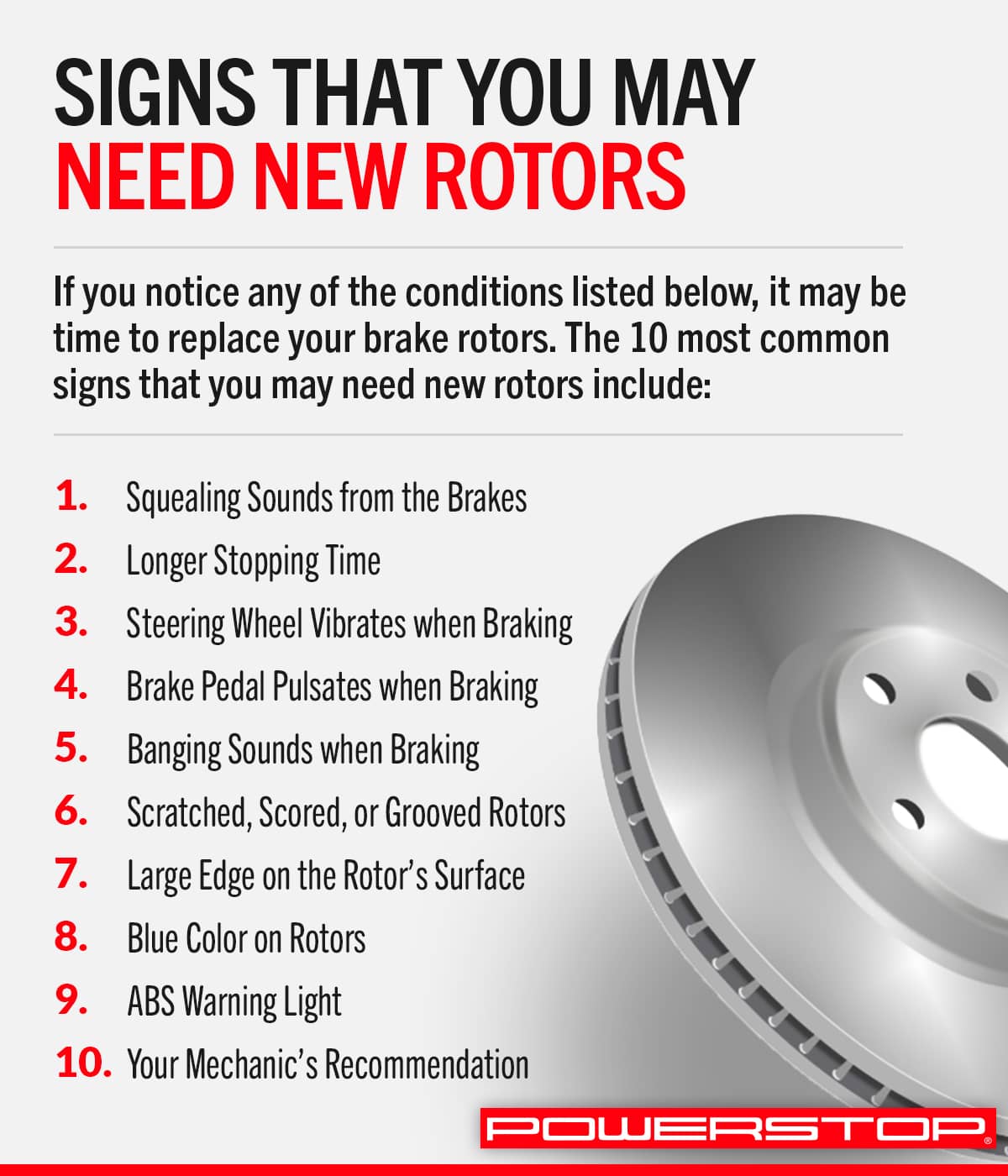
Credit: www.powerstop.com
Preventive Brake Maintenance
Preventive brake maintenance helps keep your car safe and saves money. It avoids sudden brake problems and keeps the parts working longer. Regular care helps spot issues before they become serious. It also improves your driving experience by keeping brakes smooth and reliable.
Regular Inspection Schedule
Check your brake pads and rotors every 10,000 to 12,000 miles. Look for signs like thin pads or deep grooves on rotors. Listen for squeaking or grinding sounds when braking. These signs show that parts may need repair or replacement. Regular checks prevent costly damage and keep brakes effective.
Driving Habits That Protect Brakes
Drive smoothly and avoid hard stops whenever possible. Use engine braking by downshifting on hills to reduce brake use. Keep a safe distance to avoid sudden stops. Avoid riding the brakes on long descents. These habits reduce wear on pads and rotors and extend their life.
Frequently Asked Questions
How Do I Know If Brake Pads Need Replacement?
Brake pads need replacement if you hear squealing or grinding noises. Also, check for reduced braking efficiency and visible wear below 3mm thickness.
What Are Signs Of Worn Brake Rotors?
Worn rotors cause vibrations or pulsations when braking. You may also notice grooves or scoring on the rotor surface.
Can Worn Brake Pads Damage Rotors?
Yes, worn brake pads can damage rotors. Metal-on-metal contact causes rotor scoring and reduces braking performance.
How Often Should Brake Pads And Rotors Be Checked?
Brake pads and rotors should be checked every 10,000 to 15,000 miles or during regular vehicle maintenance.
Conclusion
Knowing when to change brake pads or rotors keeps you safe on the road. Listen for squeaking or grinding sounds from your brakes. Feel for vibrations when you press the brake pedal. Check for thin brake pads or deep grooves on rotors.
Acting early prevents bigger repairs and saves money. Regular brake checks help you avoid accidents and maintain control. Stay alert to signs and keep your car braking well. Safe driving depends on good brakes, so don’t delay.