
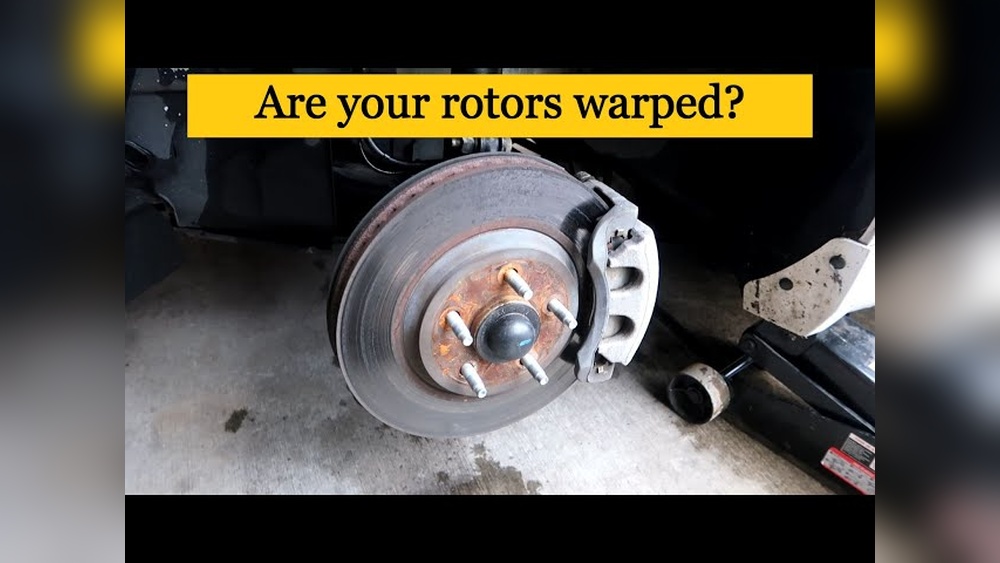
Have you ever felt a strange vibration or heard a weird noise when you press your brakes? These could be signs that your brake rotors are warped.
Knowing how to tell if your brake rotors are warped is important for your safety and your car’s performance. You’ll learn simple ways to spot the warning signs early. By understanding what to look for, you can avoid costly repairs and keep your driving smooth and safe.
Keep reading to find out exactly what you need to check and how to act fast before a small problem turns into a big one.
Common Signs Of Warped Rotors
Warped brake rotors cause problems that affect driving safety. Recognizing common signs helps prevent serious damage. These signs appear during normal braking and signal rotor issues. Pay attention to any unusual feelings or sounds when you stop your car.
Vibrations While Braking
Feel shaking or wobbling in the steering wheel when braking. This happens because the uneven rotor surface causes brake pads to hit irregularly. Vibrations usually increase with speed. It means rotors are not smooth and need checking.
Squealing Or Grinding Noises
Hear high-pitched squeals or grinding sounds while braking. These noises come from uneven rotor contact with brake pads. Warped rotors cause pads to scrape loudly instead of stopping quietly. Noises often get worse over time.
Pulsating Brake Pedal
Notice your brake pedal moving up and down when pressed. A pulsating pedal means the rotor surface is uneven. This makes the brake pads push harder in some spots. The result is a pulsing or shaking feeling under your foot.
Uneven Brake Pad Wear
Check brake pads for uneven wear patterns. Warped rotors cause pads to wear more on one side. This reduces braking power and can damage the brake system. Uneven wear means rotors need replacement or resurfacing soon.

Credit: www.reddit.com
Causes Of Rotor Warping
Warped brake rotors cause shaking and reduced brake performance. Knowing the causes helps prevent damage. Several factors lead to rotor warping, affecting your car’s safety and comfort.
Excessive Heat Build-up
Rotors heat up during braking. Too much heat makes them expand unevenly. This causes the metal to warp. Long downhill drives or constant hard braking raise rotor temperature. Overheating reduces rotor strength and shape.
Aggressive Braking Habits
Sudden, hard stops stress rotors. Aggressive braking heats rotors quickly. This leads to cracks and warping. Smooth, gentle braking protects rotors and extends their life.
Poor Quality Rotors
Low-quality rotors use weaker metals. They do not handle heat well. Poor materials warp faster than high-quality ones. Investing in good rotors improves safety and durability.
Improper Installation
Incorrect rotor installation causes uneven pressure. This makes rotors warp during use. Tightening bolts unevenly or missing steps leads to damage. Proper installation is key to rotor health.
Diagnosing Warped Rotors
Diagnosing warped brake rotors is essential to keep your vehicle safe. Warped rotors cause vibrations and poor braking. Early detection helps avoid costly repairs and accidents. Several methods can help you identify rotor issues quickly.
Visual Inspection Techniques
Start by examining the rotor surface closely. Look for grooves, cracks, or rust patches. Uneven wear or discoloration may indicate warping. Check the rotor edges for rough spots or damage. Use a flashlight for better visibility. Clean the rotor first to see details clearly.
Measuring Rotor Thickness
Rotors wear down over time. Measure the thickness using a micrometer or caliper. Compare your measurement to the manufacturer’s minimum thickness. Thin rotors can warp easily and reduce braking power. Replace rotors that fall below the recommended thickness.
Using A Dial Indicator
A dial indicator measures rotor runout or wobble. Attach it to the rotor and rotate the wheel slowly. The dial shows how much the rotor moves side to side. Excessive movement means the rotor is warped. This method gives precise results for accurate diagnosis.
Professional Brake Inspection
Experts use special tools to check rotor condition. They can spot issues you might miss. Professionals also test the entire brake system for safety. Visit a trusted mechanic for a thorough brake check. Regular inspections extend rotor life and improve performance.

Credit: www.reddit.com
Solutions For Warped Rotors
Warped brake rotors cause shaking and noise while driving. Fixing them quickly helps keep your car safe and smooth. Several solutions exist to handle warped rotors effectively. Choose the right one based on damage and budget.
Resurfacing Rotors
Resurfacing removes a thin layer from the rotor surface. This process smooths out uneven areas. It works well if the rotor thickness remains sufficient. Resurfacing extends rotor life and improves braking. Not all rotors can be resurfaced safely. A mechanic can check if resurfacing is possible.
Replacing Rotors
Replacing rotors is the best option for severe warping. New rotors ensure smooth and reliable braking. Replacement also fixes rotors worn beyond safe limits. This method guarantees long-lasting performance. Use quality rotors to avoid early wear. Installation by a professional maintains safety standards.
Upgrading To High-performance Rotors
High-performance rotors offer better heat dissipation and durability. They reduce warping risk during heavy braking. These rotors suit drivers who brake often or drive fast. Upgrade improves braking control and car safety. High-performance rotors cost more but last longer. Consider this option for improved driving experience.
Brake System Maintenance Tips
Regular brake checks prevent rotor problems. Inspect brake pads and fluid regularly. Replace worn pads to protect rotors. Avoid hard braking to reduce heat stress. Keep brake components clean and lubricated. Timely maintenance helps rotors last longer. A well-maintained brake system ensures safe driving.
Preventing Rotor Warping
Preventing rotor warping helps keep your brakes safe and effective. Warped rotors cause vibrations and reduce stopping power. Simple steps can protect your rotors and extend their life. These tips focus on driving habits, brake care, parts, and fluid maintenance.
Proper Driving Habits
Avoid hard braking whenever possible. Gradual stops reduce heat build-up on rotors. Heat causes metal to expand and warp. Let your brakes cool after heavy use. Avoid riding the brakes on long downhill drives.
Regular Brake Checks
Check your brakes often for wear and damage. Look for uneven rotor surfaces or vibrations. Early detection prevents bigger problems. Have a mechanic inspect rotors and pads yearly. Replace worn parts before damage spreads.
Quality Parts Selection
Choose high-quality rotors and brake pads. Cheap parts wear out faster and cause issues. Use parts made for your vehicle model. Quality materials resist heat and wear better. This reduces the chance of warping.
Timely Brake Fluid Replacement
Brake fluid absorbs moisture over time. Moisture lowers boiling point and causes heat problems. Replace brake fluid as recommended by your car maker. Fresh fluid keeps brake systems working well. This helps avoid rotor damage from overheating.

Credit: www.youtube.com
Frequently Asked Questions
How Do I Know If Brake Rotors Are Warped?
Warped rotors cause vibrations when braking, especially at high speeds. You may feel a pulsing or shaking in the brake pedal or steering wheel. Uneven brake pad wear and noise during braking also indicate rotor warping.
What Symptoms Indicate Warped Brake Rotors?
Common symptoms include brake pedal pulsation, steering wheel vibration, and unusual brake noise. You might notice reduced braking efficiency or a grinding sound. These signs suggest the rotors are uneven or damaged.
Can I Drive With Warped Brake Rotors?
Driving with warped rotors is unsafe and can damage brake components. It reduces braking performance and increases stopping distance. It’s best to have them inspected and replaced promptly to ensure vehicle safety.
How Often Should Brake Rotors Be Checked?
Brake rotors should be checked every 20,000 to 30,000 miles or during regular brake inspections. Frequent checks help detect warping early and prevent costly repairs or accidents.
Conclusion
Warped brake rotors can cause shaking and noise while driving. Pay attention to these signs to keep your car safe. Regular checks help you spot problems early. Replacing or fixing rotors on time saves money and stress. Always trust your instincts if the brakes feel off.
Staying alert protects you and others on the road. Keep your brakes in good shape for a smooth ride.


