Have you noticed strange noises when you hit the brakes? Or maybe your car isn’t stopping as smoothly as it used to?
These could be signs that your brake system needs attention. But how do you know if it’s the rotors or the brake pads causing the problem? Understanding the difference can save you money and keep you safe on the road.
You’ll learn clear, simple ways to tell if you need new rotors or just brake pads. Keep reading—your safety depends on it.
Signs Of Worn Brake Pads
Worn brake pads can be dangerous and costly. Knowing the signs helps keep your car safe. Watch for noises, changes in braking, and visible wear. Your car may also warn you with a dashboard light. These signs tell you when to check or replace brake pads soon.
Squeaking Or Squealing Noises
High-pitched sounds when braking often mean brake pads are worn out. This noise comes from a small metal indicator on the pads. It rubs against the rotor to warn you. Do not ignore this sound. It means the pads need attention soon.
Reduced Braking Performance
Your car may take longer to stop or feel less responsive. This happens because worn pads lose grip on the rotors. You might feel a soft or spongy brake pedal too. Reduced braking power is a clear sign to check your pads.
Visible Pad Thickness
Look through the wheel spokes to see the brake pads. Healthy pads are about a quarter inch thick or more. Thin pads, less than a quarter inch, need replacing. If you see metal parts or very thin pads, act fast.
Brake Warning Light
Many cars have a brake warning light on the dashboard. This light can signal low brake fluid or worn pads. It turns on to alert you of possible brake problems. Do not ignore this light. Have your brakes inspected as soon as possible.

Credit: vatire.com
Symptoms Of Damaged Rotors
Damaged rotors affect your vehicle’s safety and performance. Rotors are the flat, round parts that brake pads press against to stop the car. When rotors wear out or get damaged, braking becomes less effective and may cause problems. Watch for signs that show your rotors need attention. Early detection helps avoid costly repairs and keeps you safe on the road.
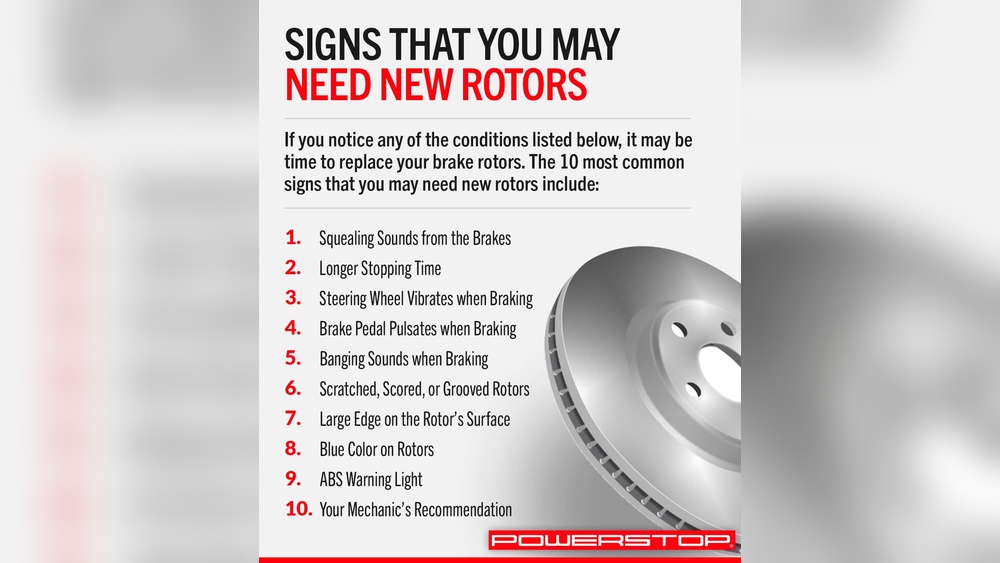
Vibrations When Braking
Feeling a shaking or vibration in the brake pedal or steering wheel is a common sign. This happens because the rotor surface is uneven or warped. The brake pads do not grip smoothly, causing the car to shake. Vibrations usually get worse as you press the brake harder.
Grooves Or Scoring On Rotors
Visible grooves or lines on the rotor surface show wear. These marks form when brake pads rub over damaged or rough rotors. Deep grooves reduce braking power and can damage new brake pads. Check the rotors for rough texture or uneven surfaces.
Burning Smell
A strong burning smell after braking often means overheating rotors. Overheated rotors can warp or crack, making braking unsafe. The smell may come from the brake pads or the rotor itself. This problem needs prompt inspection and repair.
Increased Stopping Distance
Notice if your car takes longer to stop than usual. Damaged rotors lower braking efficiency and force you to brake harder. Longer stopping distances increase the risk of accidents. Pay attention to how your car stops in daily driving.
Brake Inspection Techniques
Knowing how to check your brakes helps keep your car safe. Simple tests can show if rotors or pads need fixing. Use these easy brake inspection techniques. They save time and money by finding issues early.
Visual Check
Look at the brake pads through the wheel spokes. Pads should be at least 1/4 inch thick. Thin or cracked pads mean replacement is needed. Also, check the rotors for grooves or rust spots. Smooth rotors are good; deep grooves can cause noise and poor braking.
Measuring Rotor Thickness
Use a micrometer to measure rotor thickness. Compare the number to the car’s manual specs. If the rotor is thinner than the minimum, replace it. Thin rotors can overheat and warp, leading to brake failure.
Checking Pad Wear Indicators
Many brake pads have wear indicators. They make a squealing sound when pads get too thin. Listen carefully during driving. This noise means it is time to change the pads. Some pads also have a small metal tab visible when worn out.
When To Replace Brake Pads
Brake pads play a vital role in your car’s safety. Knowing when to replace them helps avoid bigger problems. Worn brake pads reduce stopping power and can damage rotors. Check brake pads regularly to keep your vehicle safe.
Recommended Thickness Limits
Brake pads usually start at about 10-12 millimeters thick. Most experts say to replace them when they reach 3 millimeters or less. Thin pads cause poor braking and noise. Checking thickness helps prevent damage to other brake parts.
Driving Conditions Impact
Driving habits change how fast brake pads wear out. Stop-and-go city driving wears pads faster than highway driving. Mountain roads and heavy loads also cause faster wear. Adjust inspection frequency based on your driving style and conditions.
Signs Of Pad Material Breakdown
Squealing or grinding noises often mean worn brake pads. Vibrations or pulling to one side during braking can indicate problems. Dark dust on your wheels comes from brake pad material wearing off. These signs warn you to check or replace brake pads soon.
When To Replace Rotors
Rotors are a key part of your braking system. They work with brake pads to stop your car safely. Knowing when to replace rotors can prevent bigger problems. It keeps your brakes working smoothly and your drives safe. Watch for signs that show your rotors need attention.
Warping And Cracks
Rotors can warp from heat and heavy use. Warped rotors cause a shaking feeling when braking. Cracks may also appear on the rotor surface. Cracks weaken rotors and can lead to failure. Any signs of warping or cracks mean replacement is needed.
Minimum Thickness Requirements
Rotors wear down over time from friction. Each rotor has a minimum thickness limit. When rotors get too thin, they stop working properly. Thin rotors can overheat and crack easily. Use a micrometer to measure rotor thickness. Replace rotors if thickness is below the set limit.
Rotor Resurfacing Options
Some rotors can be resurfaced instead of replaced. Resurfacing smooths out small grooves and minor warping. It extends the rotor’s life and improves braking. Not all rotors are good candidates for resurfacing. Deep cracks or very thin rotors must be replaced. Consult a mechanic to decide the best option.
Cost And Time Considerations
Cost and time play big roles in deciding between replacing brake pads or rotors. Knowing these factors helps you plan your budget and schedule. Brake parts vary in price depending on your car model and part quality. Time also differs based on the work needed and who does it.
Brake Pad Replacement Costs
Brake pads are usually cheaper than rotors. The price range is about $30 to $100 for parts per axle. Labor can add $80 to $150, depending on the mechanic. Total costs often stay under $250. Pads wear out faster, so expect to replace them more often. Cost stays reasonable for routine maintenance.
Rotor Replacement Costs
Rotors cost more than brake pads. Prices range from $40 to $200 each, depending on quality and car type. Labor usually adds $100 to $200. Total costs can reach $300 to $600 per axle. Rotors last longer but need replacement if warped or very worn. This repair takes more time and money than pads alone.
Diy Vs Professional Service
DIY brake work saves money but needs skill and tools. Changing pads is easier and quicker for beginners. Rotors require more care and equipment. Mistakes can affect safety. Professional service costs more but ensures correct installation. Shops also inspect other brake parts. Consider your experience before choosing DIY or pro service.
Maintaining Brake System Health
Maintaining your brake system is key to safe driving and longer vehicle life. A healthy brake system stops your car well and avoids costly repairs. Regular care helps spot problems early and keeps brakes working smoothly.
Regular Inspections
Check your brakes often. Look for worn pads, thin rotors, or unusual noises. Inspect brake pads every 10,000 miles or during oil changes. Thin or cracked rotors need immediate attention. Early checks prevent bigger issues and keep you safe.
Driving Habits To Extend Brake Life
Drive gently to protect brakes. Avoid sudden stops and hard braking. Use engine braking on hills to reduce pad wear. Smooth driving means brakes last longer. It saves money and reduces stress on your car.
Brake Fluid Maintenance
Brake fluid helps your brakes work right. Check fluid levels regularly. Replace brake fluid every 2 years or as your car’s manual says. Old fluid can cause brake failure. Clean fluid keeps the brake system strong and responsive.

Credit: www.reddit.com

Credit: www.youtube.com
Frequently Asked Questions
How Can I Tell If My Rotors Need Replacement?
If you hear squealing or grinding noises, your rotors may be worn. Visible grooves or vibrations when braking also indicate rotor issues. Have a mechanic inspect them if you notice these signs.
What Are The Signs Of Worn Brake Pads?
Squeaking or screeching sounds when braking often signal worn pads. Reduced braking performance or longer stopping distances are also common signs. Check your brake pads regularly to ensure safety.
Can I Replace Brake Pads Without Changing Rotors?
Yes, but only if rotors are in good condition. If rotors are warped or deeply scored, replace them along with brake pads. Proper pairing ensures optimal braking performance and safety.
How Often Should Rotors And Brake Pads Be Checked?
Inspect brake pads every 10,000-15,000 miles and rotors every 20,000-30,000 miles. Regular checks prevent costly repairs and maintain braking efficiency. Always follow your vehicle manufacturer’s recommendations.
Conclusion
Knowing the signs of worn rotors or brake pads keeps you safe on the road. Listen for squeaking or grinding sounds while braking. Feel for vibrations or reduced braking power. Check your car’s brake warning light. Timely action prevents costly repairs and accidents.
Regular brake checks help you avoid trouble. Stay alert, and don’t ignore brake problems. Safe driving starts with good brakes.