Getting new brakes and rotors is a smart move for your car’s safety and performance. But simply installing them isn’t enough—you need to bed them in properly.
If you skip this crucial step, your brakes might not work as well as they should, and you could face costly repairs down the road. You’ll learn exactly how to bed in your new brakes and rotors the right way.
Follow these simple steps to make sure your braking system works smoothly, lasts longer, and keeps you safe every time you hit the road. Ready to get started? Let’s dive in!
Credit: www.cquence.net
Why Bedding In Matters
Bedding in new brakes and rotors is a crucial step after installation. It prepares your brake system for daily driving. Proper bedding helps the brake pads and rotors work together smoothly. This process improves how your brakes respond and feel. Skipping this step can cause uneven wear and reduce brake effectiveness.
Impact On Brake Performance
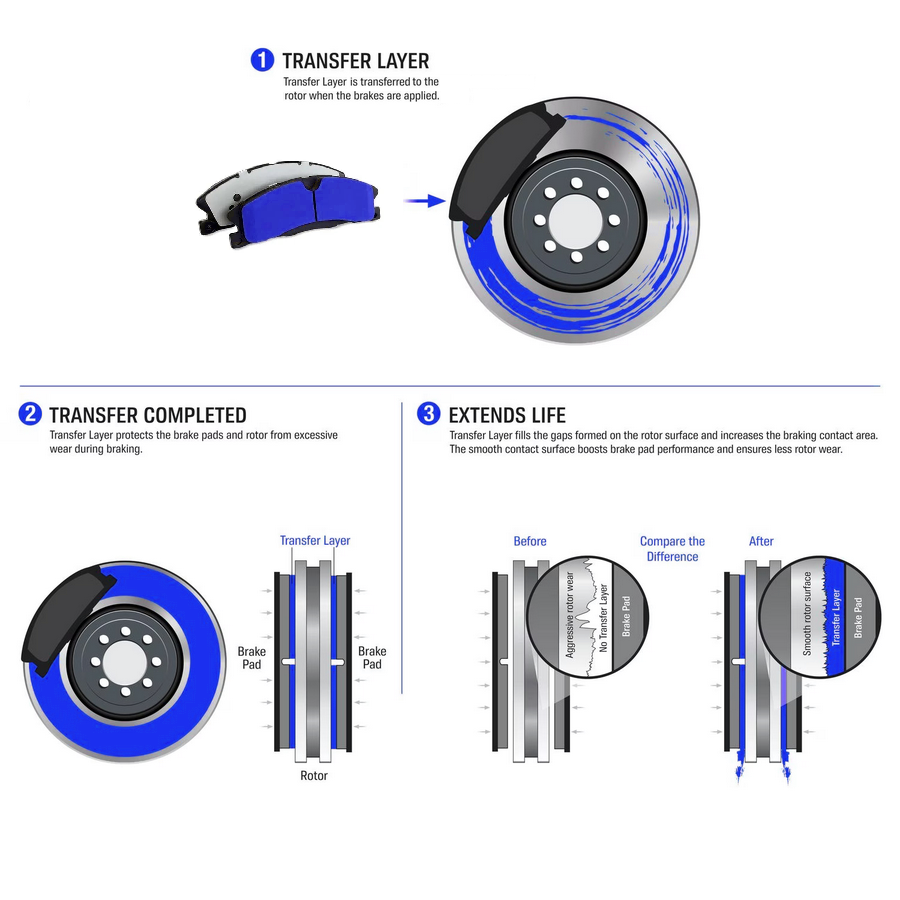
Bedding in creates a smooth surface between pads and rotors. This surface allows better friction during braking. Better friction means shorter stopping distances. It also reduces noise and vibration when braking. Proper bedding prevents brake fade, which happens when brakes get too hot.
Extending Brake Life
New brake parts last longer with proper bedding. The process prevents uneven wear on pads and rotors. This saves money by avoiding early replacements. Smooth contact between parts reduces heat and stress. Well-bedded brakes keep working well for many miles.
Ensuring Safety
Safe braking depends on good contact between pads and rotors. Bedding in helps achieve consistent brake pressure. This consistency avoids sudden or weak braking. It ensures your vehicle stops reliably in emergencies. Properly bedded brakes give you confidence on the road.
Credit: www.brakes-shop.com
Signs Of New Brakes And Rotors
New brakes and rotors bring better stopping power and safety. It is important to recognize their signs to ensure proper use. Knowing these signs helps you maintain the brakes well and avoid damage. This section highlights key signs of new brakes and rotors.
Identifying Fresh Components
New brake pads look clean and smooth. They have no marks or grooves on the surface. Rotors appear shiny and free from rust or dirt. The metal surface is even and polished. Fresh components often have a slight oily smell from manufacturing. New brakes also feel firmer when pressed. These signs show the parts are ready for installation.
Common Break-in Requirements
New brakes and rotors need a break-in period. This helps them fit and work well together. Usually, a few gentle stops are needed. Avoid hard braking during the first 100 miles. This prevents uneven wear and overheating. Brake pads may produce a slight noise at first. It stops after they adjust to the rotors. Proper break-in improves brake life and performance.
Preparing Your Vehicle
Before bedding in new brakes and rotors, proper preparation is key. This step ensures the process goes smoothly and safely. Taking time to prepare your vehicle protects both you and your car.
Preparation means gathering the right tools and following safety steps. These actions help avoid damage and injury. A well-prepared vehicle sets the stage for better brake performance.
Gathering Necessary Tools
Start by collecting all tools needed for the job. Common tools include a jack, jack stands, lug wrench, and brake cleaner. You will also need a torque wrench and new brake pads if replacing them.
Having these tools ready saves time. It also prevents interruptions during the bedding process. Check that each tool is in good condition before starting work.
Safety Precautions Before Starting
Safety is crucial when working on brakes. Park your vehicle on a flat surface and engage the parking brake. Use wheel chocks to block wheels that stay on the ground.
Wear safety gloves and eye protection. Brake dust and chemicals can irritate skin and eyes. Never work under a car supported only by a jack. Always use sturdy jack stands for support.

Credit: www.goldwagen.com
Step-by-step Bedding Process
Bedding in new brakes and rotors is a crucial step. It prepares the brake parts for safe and effective use. The process helps the brake pads and rotors work well together. Following a clear step-by-step method improves braking performance. It also extends the life of your brake system. Below is a simple guide to bed in your new brakes and rotors properly.
Initial Brake Applications
Start with gentle brake presses. Apply the brakes lightly about 10 times. This warms the pads without causing damage. Avoid hard stops at this stage. The goal is to begin transferring brake pad material to the rotors.
Gradual Heat Build-up
Next, increase brake pressure gradually. Make several moderate stops from moderate speeds. This step builds heat slowly in the brake system. Heat helps the brake pad material bond to the rotor surface. Avoid coming to a full stop during this phase.
Cooling Periods
Allow the brakes to cool down after heating. Drive without using the brakes for a few minutes. Cooling prevents uneven pad deposits and warping. Proper cooling keeps the brake parts stable and ready.
Repetition And Duration
Repeat the heat build-up and cooling cycles. Perform about 3 to 5 cycles in total. Each cycle improves the brake pad and rotor contact. Spend around 20 to 30 minutes on the entire bedding process. This ensures better braking power and longer brake life.
Common Mistakes To Avoid
Bedding in new brakes and rotors is important for safety and performance. Avoid common mistakes to keep your brakes working well for a long time. Some errors can cause damage or reduce braking power. Follow these tips to prevent problems and ensure a smooth bedding process.
Overheating Brakes
Pressing the brake pedal too hard causes overheating. Hot brakes lose their grip and wear out faster. Avoid long, hard stops during bedding. Let the brakes cool down between stops. Overheating can cause warping and reduce brake life.
Inconsistent Brake Pressure
Applying uneven pressure can lead to uneven pad wear. Use steady, moderate pressure when braking. Do not grab or slam the brakes. Smooth and consistent pressure helps the pads and rotors wear evenly. This improves braking performance and reduces noise.
Ignoring Manufacturer Guidelines
Every brake system has specific bedding instructions. Follow the guidelines in the manual carefully. Ignoring them can cause poor brake performance. Use the recommended speed, pressure, and stop counts. Manufacturer tips help the brakes work at their best and last longer.
Testing Brake Performance Post-bedding
Testing brake performance after bedding new brakes and rotors is essential. It confirms the brakes work safely and efficiently. This step helps identify any issues early before driving in regular conditions.
Start by checking how the brakes feel. Notice if they respond well and operate smoothly. Listen carefully for any odd sounds or vibrations. These signals show if the bedding process was successful or if adjustments are needed.
Smoothness And Responsiveness
Press the brake pedal gently and then firmly. The pedal should feel smooth without any sudden changes. The brakes should respond quickly and stop the vehicle steadily. Any delay or spongy feeling means the brakes might need further bedding or inspection.
Noise And Vibration Checks
Listen for squealing, grinding, or scraping sounds. These noises often indicate dirt or improper contact between pads and rotors. Feel for vibrations in the brake pedal or steering wheel. Vibrations can mean uneven rotor surfaces or loose components.
Adjustments If Needed
If you notice issues, check the brake components again. Tighten any loose parts. Clean the rotors and pads if dirty. Sometimes, a few more bedding cycles improve performance. Repeat the testing process after adjustments to ensure safety.
Maintaining Brakes After Bedding
Maintaining brakes after bedding is crucial for safety and performance. Proper care helps brakes last longer and work better. It ensures smooth stopping and prevents damage to new parts.
Regular Inspections
Check brake pads and rotors often. Look for signs of wear or damage. Listen for unusual noises when braking. Inspect brake fluid levels regularly. Early detection of problems saves money and keeps you safe.
Proper Driving Habits
Drive gently to protect your brakes. Avoid sudden stops and hard braking. Let your brakes cool after heavy use. Smooth driving reduces heat and wear on brake parts. This keeps brakes responsive and reliable.
When To Replace Components
Replace brake pads when they are thin or noisy. Change rotors if they are warped or cracked. Follow your vehicle’s service schedule for replacements. Timely changes keep braking strong and safe. Don’t wait until brakes fail completely.
Frequently Asked Questions
What Does It Mean To Bed In New Brakes And Rotors?
Bedding in new brakes and rotors means properly breaking them in. This process ensures optimal contact and performance. It prevents uneven wear and extends brake lifespan. Proper bedding improves stopping power and reduces noise and vibrations during braking.
How Long Does It Take To Bed In New Brakes?
Bedding in new brakes typically takes 20 to 30 minutes. The process involves multiple gradual stops from moderate speeds. Avoid hard braking during this time. Follow specific manufacturer instructions for best results and to ensure brake safety and efficiency.
Why Is Bedding Important For Brake Performance?
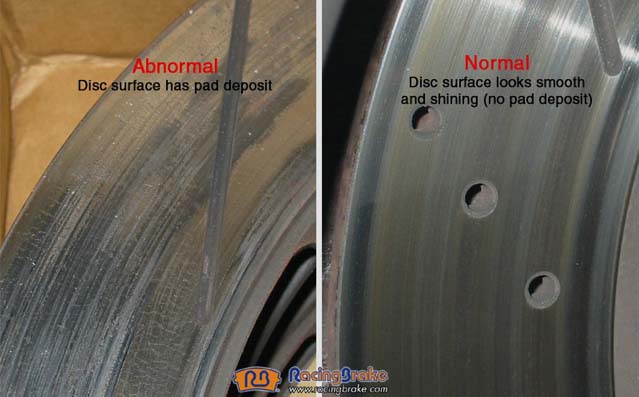
Bedding helps transfer a thin layer of brake pad material to the rotor. This creates a smooth, even surface for better friction. It improves braking efficiency, reduces brake fade, and prevents uneven rotor wear. Proper bedding enhances safety and brake responsiveness.
Can I Drive Normally After Bedding New Brakes?
After bedding, drive normally but avoid aggressive braking for 200 miles. This period allows the brakes to fully settle and perform optimally. Follow manufacturer guidelines on break-in driving habits. Proper care during this time maximizes brake lifespan and safety.
Conclusion
Bedding in new brakes and rotors helps your car stop safely. It makes the brakes work better and last longer. Follow the steps carefully and drive gently during the process. This helps the brake pads and rotors wear evenly. Avoid hard stops or high speeds at first.
Take your time. Proper bedding reduces noise and vibration too. Keep an eye on your brakes after bedding. Safe driving starts with well-prepared brakes. Simple care brings big benefits.