

When was the last time you checked your brakes? If you’ve noticed strange noises or your car isn’t stopping as smoothly, it might be time to change your brakes and rotors.
But how long does that actually take? You’re probably wondering if it’s a quick fix or a full-day project. Knowing the answer can save you time, money, and stress. You’ll discover exactly how long you should expect to spend on this important maintenance—and what factors can speed up or slow down the process.
Keep reading to make sure your car stays safe and ready for the road.
Brake And Rotor Replacement Time
Brake and rotor replacement time varies by many factors. Knowing the time helps plan your visit to the mechanic. It also sets the right expectation for repair duration. Understanding the replacement time can save stress and help manage daily tasks.
Factors Affecting Replacement Duration
Car model and brake type affect the time needed. Some cars have complex brake systems that take longer. The skill of the mechanic also matters. Worn-out parts or rust can slow down the process. Tools and equipment used can speed up or delay work. Weather and shop conditions may add extra time too.
Average Time For Brake Pad Change
Changing brake pads usually takes 30 to 60 minutes. Simple cars and skilled mechanics finish faster. Some cars may need more time due to design. Brake pad changes include removing wheels and old pads. Cleaning and checking other parts are part of the job.
Average Time For Rotor Replacement
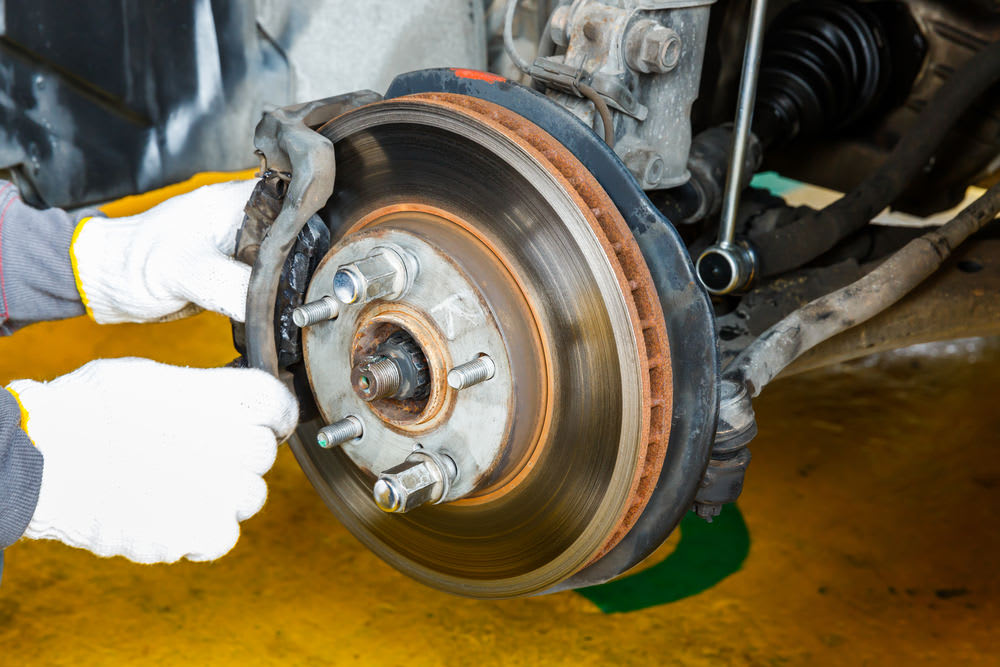
Replacing rotors takes longer than brake pads. Expect 1 to 2 hours for most cars. The process needs more steps like removing the caliper and old rotor. New rotors must fit perfectly to avoid problems. Sometimes, rotors need machining, which adds extra time.
Credit: www.yourmechanic.com
Tools Needed For The Job
Changing brakes and rotors requires the right tools to do the job safely and well. Having the proper tools makes the process easier and faster. Some tools are essential, while others are optional but helpful. Safety gear is also important to protect yourself during the work.
Essential Hand Tools
Basic hand tools include a lug wrench to remove wheel nuts. A socket set with ratchets helps remove bolts on the brake caliper and rotor. A C-clamp or brake caliper tool compresses the caliper piston. You will also need a flat-head screwdriver to pry off parts. A hammer may be useful to loosen stuck rotors.
Optional Power Tools
Power tools can speed up the brake job. An impact wrench quickly removes and tightens lug nuts. A cordless drill with a screwdriver bit helps remove screws fast. An angle grinder may be needed if the rotor is rusted or stuck. These tools save time but are not required.
Safety Equipment
Wear safety glasses to protect your eyes from dust and debris. Gloves keep your hands safe from sharp parts and chemicals. Use a jack stand to securely hold the car in place. Avoid working only with a jack. A dust mask can help if brake dust is heavy.
Step-by-step Brake Pad Replacement
Changing brake pads is a key part of car care. Doing it right keeps your brakes strong and safe. This guide breaks down the process into easy steps. Follow along to learn how to replace brake pads confidently.
Preparing The Vehicle
Park on a flat surface and turn off the engine. Apply the parking brake to stop the car from moving. Loosen the lug nuts on the wheels before lifting the car. Use a jack to raise the vehicle safely. Place jack stands under the frame for support. Remove the wheels to access the brake system.
Removing Old Brake Pads
Locate the brake caliper and remove its bolts carefully. Lift the caliper off the rotor without damaging the brake line. Slide out the old brake pads from the caliper bracket. Check for any signs of damage or wear on the rotor. Clean the caliper and surrounding area with brake cleaner.
Installing New Brake Pads
Apply brake grease to the back of the new pads to reduce noise. Position the new pads into the caliper bracket correctly. Compress the caliper piston using a brake tool or C-clamp. Reinstall the caliper over the new brake pads and rotor. Tighten the caliper bolts to the manufacturer’s torque specs.
Testing Brake Function
Lower the vehicle and tighten the lug nuts fully. Press the brake pedal several times to seat the new pads. Check for any unusual sounds or vibrations during braking. Take a slow test drive to ensure brakes work smoothly. Confirm the brake warning light is off on the dashboard.
Step-by-step Rotor Replacement
Replacing brake rotors can improve your vehicle’s stopping power and safety. This process may seem hard but can be done step-by-step. Follow these clear instructions to replace your rotors properly and safely. Take your time and use the right tools for each step.
Removing The Wheel And Caliper
Start by loosening the lug nuts on the wheel. Then, lift the car using a jack and secure it with jack stands. Remove the lug nuts completely and take off the wheel. Next, locate the brake caliper attached to the rotor. Remove the caliper bolts carefully using a socket wrench. Lift the caliper off the rotor and hang it with a wire to avoid strain on the brake hose.
Taking Off The Old Rotor
Check if the rotor is held by screws or clips. Remove any screws or clips with the proper screwdriver or pliers. Pull the rotor straight off the hub. If it is stuck, gently tap it with a rubber mallet to loosen it. Clean the hub surface to remove rust or debris before placing the new rotor.
Installing The New Rotor
Place the new rotor on the hub, aligning it with the screw holes. Secure it with screws or clips if your vehicle uses them. Make sure the rotor sits flat against the hub. This step is important to avoid vibrations when driving. Double-check that the rotor can spin freely without touching other parts.
Reassembling Components
Put the brake caliper back over the rotor carefully. Tighten the caliper bolts with the wrench to the correct torque. Reinstall the wheel by aligning it with the lug bolts. Screw the lug nuts by hand first to avoid cross-threading. Lower the car slowly and tighten the lug nuts in a star pattern for even pressure.
Tips For Faster Brake Work
Changing brakes and rotors can take time without the right approach. Simple tips help you finish faster and with less stress. Speed up your brake work by preparing well and using smart methods. Avoid common errors to save time and effort.
Organizing Tools And Parts
Keep all tools and parts close before starting. Lay out wrenches, sockets, brake pads, and rotors. Check if you have all items ready. This stops you from searching during the job. A tidy workspace helps you work faster and stay focused.
Using Proper Techniques
Use the right tools for each task. Loosen bolts carefully to avoid damage. Follow step-by-step brake replacement methods. Push the caliper piston back slowly to fit new pads. Take your time on tricky parts to avoid mistakes. Good technique cuts down the time you spend fixing errors.
Common Mistakes To Avoid
Do not rush removing old parts to prevent damage. Avoid mixing old and new brake parts. Check rotor surface before installation to avoid uneven wear. Forgetting to tighten bolts properly can cause problems later. Skipping brake fluid check can affect brake performance. Watch out for these errors to save time and keep brakes safe.

Credit: www.reddit.com
When To Seek Professional Help
Knowing when to seek professional help for changing brakes and rotors is crucial. Some brake issues require expert knowledge and tools. Handling these problems alone can risk safety and cause more damage.
Recognizing signs that need professional care helps keep your car safe. This section covers key reasons to trust a skilled mechanic with your brakes.
Complex Brake Systems
Modern cars often have complex brake systems. These include electronic sensors and anti-lock brakes. Repairing these needs special training and equipment. Mistakes can lead to brake failure or warning lights. Professionals understand how to handle these advanced systems safely.
Unusual Brake Noises
Strange noises from brakes can signal serious problems. Squealing, grinding, or clicking sounds should not be ignored. They might mean worn pads or damaged rotors. Experts can diagnose the exact cause quickly. They fix the issue before it worsens and causes accidents.
Lack Of Proper Tools
Changing brakes and rotors requires specific tools. Using the wrong tools can damage parts or injure you. Professionals have all the necessary equipment. They work faster and more efficiently. Trusting them ensures the job is done right the first time.

Credit: www.youtube.com
Frequently Asked Questions
How Long Does It Take To Change Brake Pads?
Changing brake pads typically takes about 30 to 60 minutes. This depends on the vehicle type and mechanic’s experience. Proper tools and conditions can speed up the process. Always allow time for inspection and testing after replacement.
How Long To Replace Brake Rotors?
Replacing brake rotors usually takes 1 to 2 hours. This includes removing old rotors, cleaning surfaces, and installing new ones. Time varies by vehicle model and rotor condition. Proper rotor replacement ensures optimal braking performance and safety.
Can I Change Brakes And Rotors Myself?
Yes, you can change brakes and rotors yourself if you have basic tools and mechanical skills. Follow safety guidelines and vehicle-specific instructions carefully. If unsure, consult a professional to avoid safety risks and ensure proper installation.
When Should Brakes And Rotors Be Replaced Together?
Brakes and rotors should be replaced together if rotors are worn or damaged. This prevents uneven wear and extends brake system life. Replacing both ensures smoother braking and better vehicle safety.
Conclusion
Brake and rotor changes usually take about one to two hours. This depends on your car type and the mechanic’s skill. Regular checks help you avoid sudden brake problems. Changing parts on time keeps driving safe and smooth. Don’t wait for noises or vibrations to act.
Stay alert to any brake changes while driving. Proper maintenance saves money and prevents accidents. Remember, good brakes protect you and others on the road. Keep your vehicle in top shape for peace of mind.

