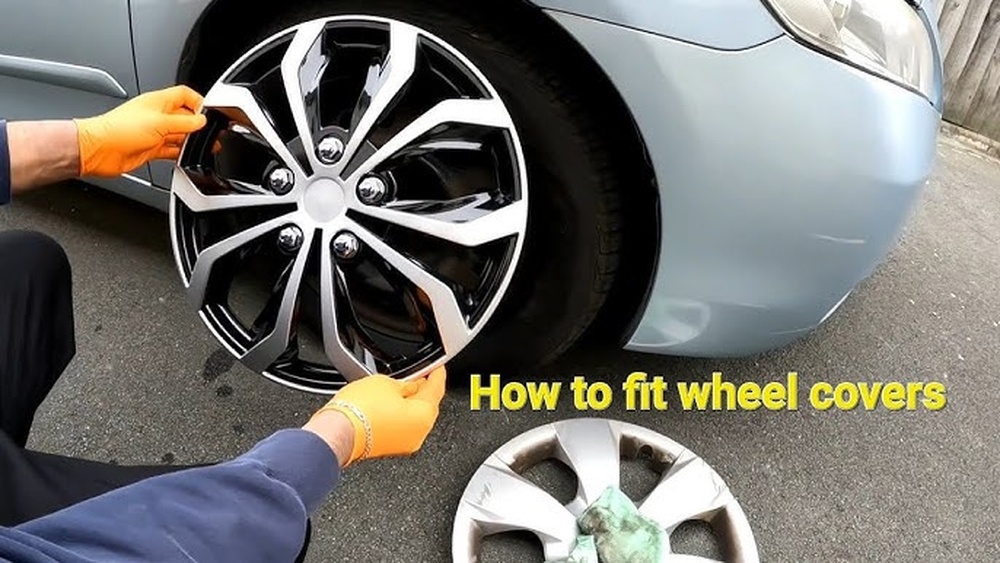
Protecting your RV tires is more important than you might think. If you want to keep your wheels safe from sun damage, dirt, and harsh weather, tying tire covers properly is key.
But how do you make sure those covers stay snug and secure, no matter the conditions? In this guide, you’ll learn simple, step-by-step tips to tie your RV tire covers like a pro. By the time you finish reading, you’ll know exactly how to protect your investment and keep your tires looking great for years to come.
Ready to get started? Let’s dive in.
Credit: colonyglamping.com
Choosing The Right Tire Cover
Choosing the right tire cover protects your RV tires from damage. It also keeps them clean and ready for travel. Picking a good cover means checking material, size, and weather resistance. These factors help your cover last longer and fit well.
Material Types
Tire covers come in different materials. Vinyl is tough and water-resistant. It stops rain and dirt from reaching tires. Canvas is strong but lets air pass through. It helps tires breathe and avoids moisture buildup. Polyester offers a balance. It is durable and water-resistant too.
Size And Fit
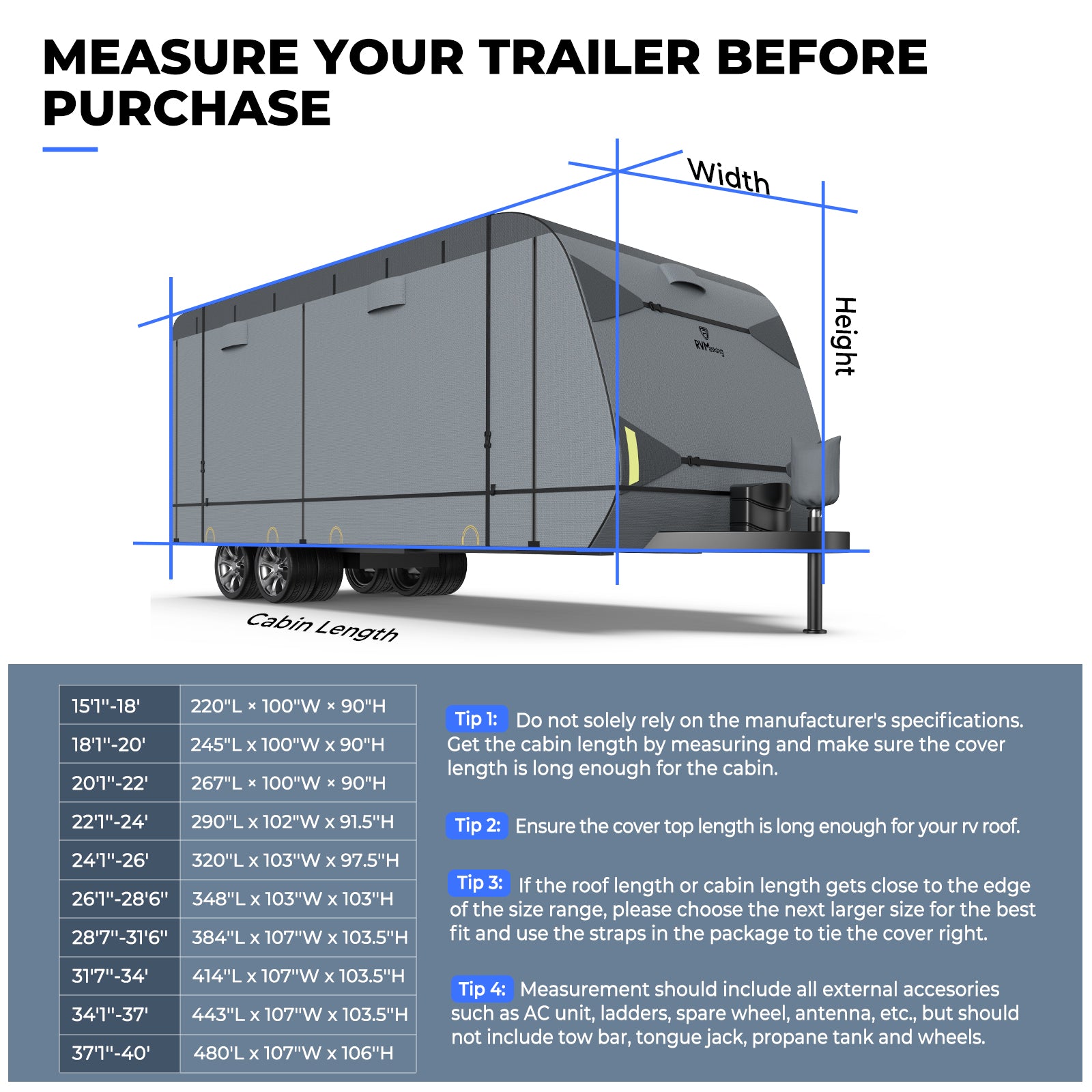
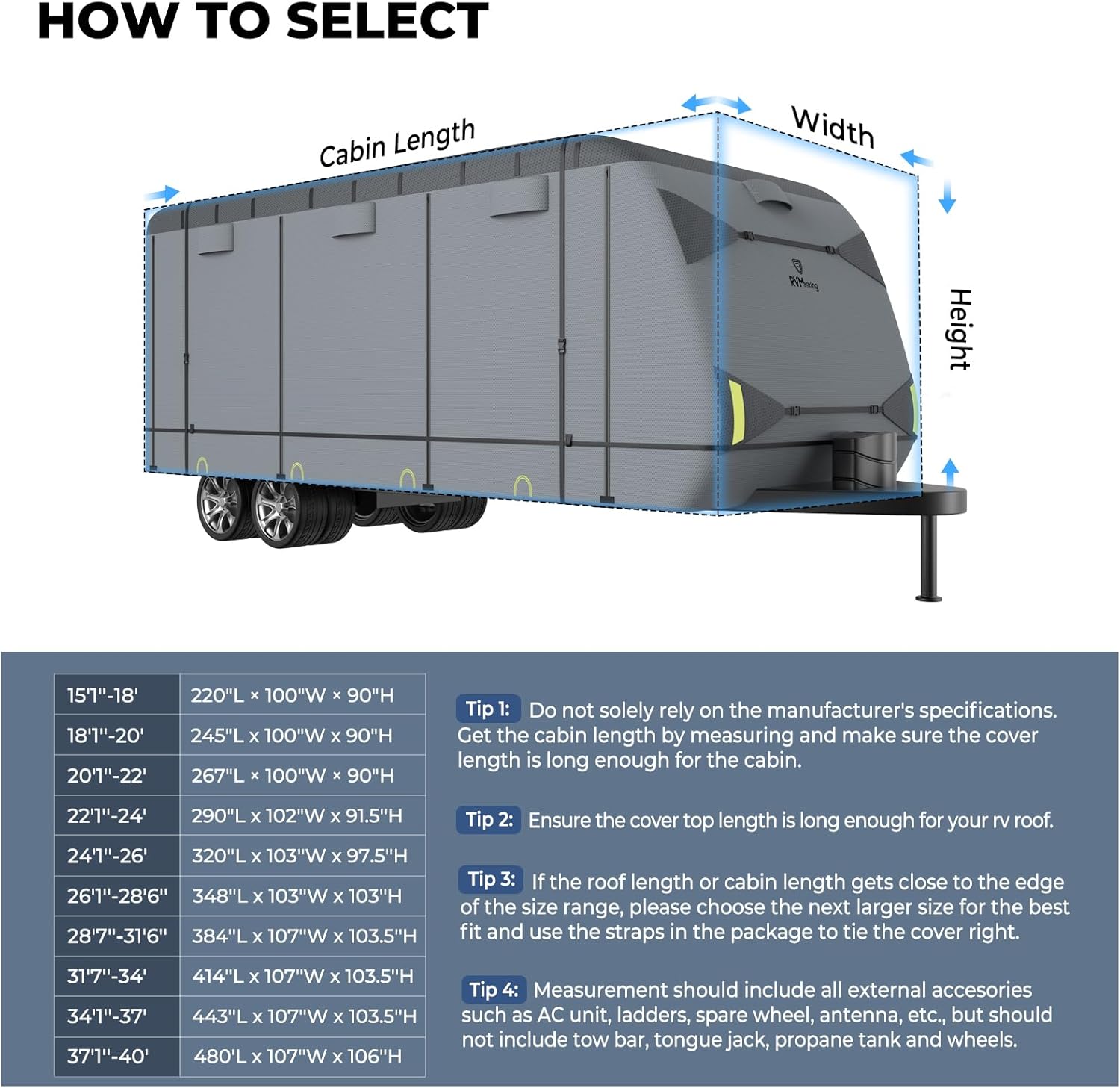
Measure your tire before buying a cover. Covers that are too small won’t fit. Covers that are too big might flap in wind. A snug fit keeps the cover secure. Some covers have adjustable straps to help fit different sizes. Pick a cover that fits your tire’s width and diameter.
Weather Resistance
Think about the weather your RV faces. Some covers block sunlight and stop UV damage. Others protect from rain, snow, and dust. Choose a cover with good water resistance for wet areas. Strong wind areas need covers that stay tight and don’t blow away. Weather resistance keeps your tires safe all year.
Credit: piscosour.com
Preparing The Tire And Cover
Preparing the tire and cover is an important first step. It helps the cover fit well and last longer. Taking time now saves trouble later. Clean tires and sound covers keep your RV safe and neat.
Cleaning The Tire Surface
Start by removing dirt and dust from the tire. Use a brush or cloth to wipe the surface. Dirt can stop the cover from fitting tightly. Clean tires help the cover last longer. Make sure the tire is dry before putting on the cover.
Inspecting The Cover For Damage
Check the cover for tears or holes. Small damage can make the cover less useful. Look at the seams and edges carefully. Replace the cover if you find big damage. A strong cover protects your tire better from sun and rain.
Positioning The Cover On The Wheel
Positioning the tire cover on your RV wheel is the first key step. It helps protect the tire from sun, rain, and dirt. A well-placed cover lasts longer and works better. Take your time to place it correctly. This makes tying the cover easier and secures the tire properly.
Aligning The Cover Properly
Start by holding the cover open wide. Place the cover over the top of the tire. Make sure the side with the logo or label faces outward. The cover should sit evenly around the tire’s edges. Avoid letting one side hang lower than the other. Smooth out any wrinkles or folds. This helps the cover fit snugly and look neat.
Ensuring Full Coverage
Check the cover covers the entire tire surface. It should protect both the sidewall and tread. Pull the cover down until it reaches the wheel rim. No part of the tire should show. If the cover is loose, adjust its position. A tight fit stops dust and water from getting in. Confirm the cover wraps all the way around the wheel.
Tying Techniques For A Secure Fit
Securing RV tire covers tightly protects your wheels from dirt and sun damage. Proper tying techniques keep the covers in place during travel and rest. Using the right method prevents flapping and slipping, which can wear out the cover faster. Here are simple ways to tie your RV tire covers for a secure fit.
Using Drawstrings
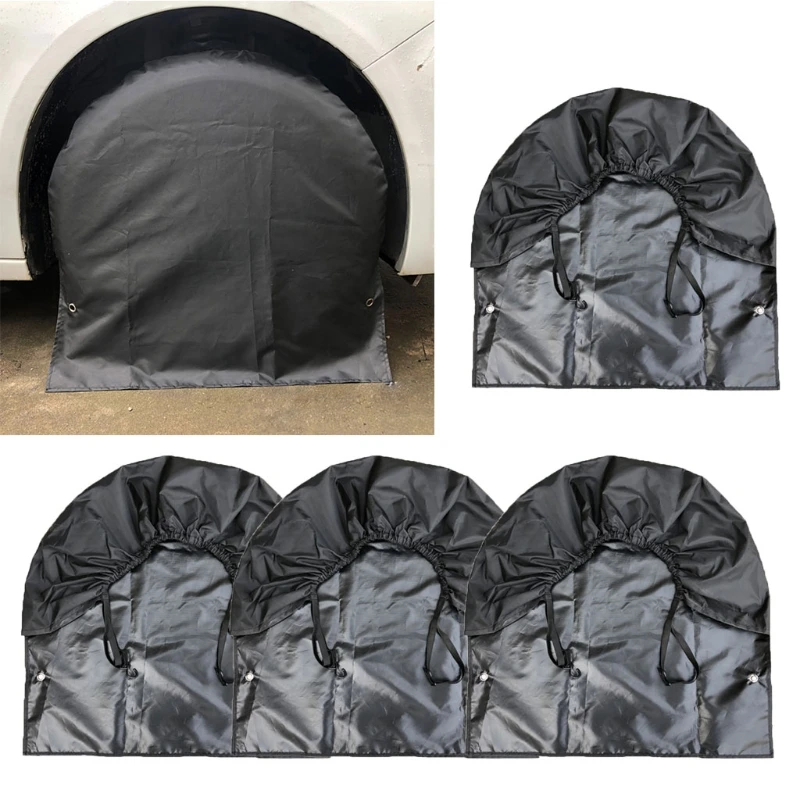
Many tire covers come with built-in drawstrings. Pull the drawstring tight around the tire’s edge. Tie a strong knot to hold the string in place. This method is quick and keeps the cover snug. Make sure the drawstring is not too loose. Tighten it evenly to avoid gaps where dirt can enter.
Employing Bungee Cords
Bungee cords offer extra security, especially for larger tires. Loop the cord through the cover’s eyelets or around the tire. Hook the ends together firmly. Adjust the tension to keep the cover from moving. Bungee cords absorb road vibrations and prevent the cover from slipping off.
Knots That Hold
Choosing the right knot helps keep the cover secure. Use simple knots like the square knot or double knot. These knots tighten under pressure and do not come undone easily. Avoid loose or complicated knots that can slip. Practice tying knots before you start to ensure a firm hold.
Checking And Adjusting The Fit
Checking and adjusting the fit of RV tire covers is key to keeping them secure. A proper fit protects tires from weather and dirt. It stops covers from slipping or tearing during travel. Take time to check the cover’s snugness after placing it on the wheel. Adjusting ensures the cover stays in place and lasts longer.
Preventing Slippage
Start by pulling the cover tight over the tire. Make sure it covers the whole tire evenly. Look for gaps or loose areas that allow movement. Use the built-in straps or drawstrings to hold the cover firmly. Tighten these straps around the tire rim to reduce slipping. A well-secured cover resists wind and road bumps.
Adjusting Tension
Adjust the tension by tightening or loosening the straps slowly. Check the cover’s fit after each adjustment. The cover should feel snug but not stretched too hard. Over-tightening can damage the cover or tire. Loosen the strap if the cover feels too tight. Balanced tension helps the cover stay put without stress.
Maintenance Tips For Tire Covers
Proper care extends the life of RV tire covers. Simple steps keep covers clean and strong. Avoid damage and costly replacements by following basic maintenance tips.
Cleaning And Storage
Clean tire covers regularly to remove dirt and grime. Use mild soap and water for washing. Avoid harsh chemicals that weaken fabric. Rinse thoroughly and let dry fully before storage. Store covers in a cool, dry place. Fold them neatly to prevent creases. Avoid storing covers in direct sunlight or damp spots. Proper storage stops mold and fabric damage.
Regular Inspections
Check tire covers often for tears and holes. Look for signs of wear or fading. Repair small damages quickly to avoid bigger problems. Ensure the elastic or straps are tight and not stretched. Replace covers if fabric becomes too thin or cracked. Regular inspections keep covers effective and protect tires well.
Credit: www.ubuy.com.jm
Frequently Asked Questions
How Do You Secure Rv Tire Covers On Wheels?
To secure RV tire covers, align the cover over the tire. Use the built-in straps or drawstring to tighten it. Ensure the cover fits snugly and tie any loose ends to prevent flapping during travel. This protects tires from UV damage and dirt.
What Tools Are Needed To Tie Rv Tire Covers?
No special tools are required to tie RV tire covers. Most covers come with built-in drawstrings or straps. You simply pull the strings tight and knot them securely. Using additional bungee cords can add extra security if needed.
How Tight Should Rv Tire Covers Be Tied?
RV tire covers should be tight enough to prevent movement but not overly stretched. A snug fit prevents wind from loosening the cover. Avoid overtightening to protect the cover material and tire surface. Proper tension ensures long-lasting protection.
Can Rv Tire Covers Be Tied Without Damage?
Yes, properly tying RV tire covers prevents damage. Use gentle knots and avoid sharp or abrasive materials. Ensure the cover fits well to avoid friction. Regularly check and adjust ties to maintain protection without harming the tire or cover.
Conclusion
Tying RV tire covers keeps your wheels safe and clean. Use the right steps to secure the cover tightly. Check the fit often to avoid damage or loss. A well-tied cover protects from sun, rain, and dirt. Simple care extends your tire’s life and saves money.
Practice a few times to get comfortable with the process. Tire covers help keep your RV ready for every trip. Keep your wheels covered, and enjoy worry-free travel.