

Is your vehicle struggling to start or losing power unexpectedly? A clogged fuel filter might be the hidden culprit behind these frustrating issues.
If you want to save money and avoid costly trips to the mechanic, learning how to unclog your fuel filter yourself is a smart move. In this guide, you’ll discover simple, step-by-step methods to clear out that blockage and get your engine running smoothly again.
Keep reading—you’re just moments away from boosting your car’s performance and taking control of your vehicle’s health.

Credit: www.youtube.com
Signs Of A Clogged Fuel Filter
A clogged fuel filter affects your vehicle’s performance and reliability. It blocks fuel flow to the engine. This causes several noticeable problems. Recognizing these signs early can save you from costly repairs and breakdowns.
Watch for changes in how your car runs. Pay attention to fuel use and starting issues. These clues point to a dirty or clogged fuel filter.
Engine Performance Issues
The engine may run rough or stall. It might hesitate or jerk during acceleration. This happens because the fuel supply is limited. The engine struggles to get enough fuel to run smoothly.
Fuel Efficiency Drops
Your car may use more fuel than usual. A clogged filter forces the engine to work harder. This extra effort burns more gas. Expect to fill the tank more often than before.
Starting Problems
Hard starts or failure to start are common signs. The engine does not get enough fuel to ignite. This causes long cranking times or no start at all. It signals the fuel filter needs attention.
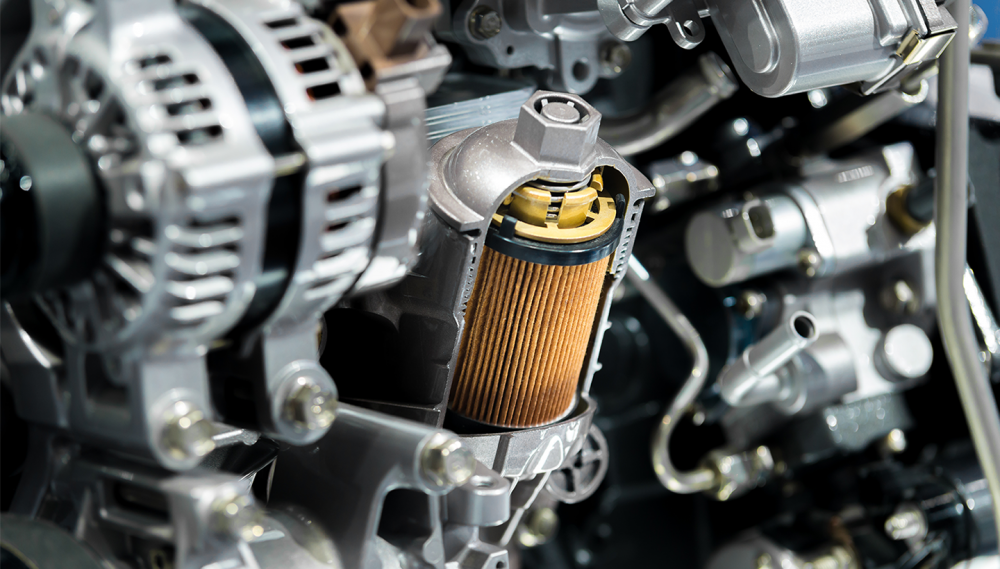
Credit: wuling.id
Tools And Materials Needed
Before you start unclogging a fuel filter, gather all the tools and materials. Having everything ready makes the job easier and faster. It also helps prevent mistakes and keeps you safe. Below are the basic tools and safety gear you need.
Basic Hand Tools
Start with simple hand tools. A wrench or socket set helps remove the fuel filter. Screwdrivers may be needed to loosen clamps or covers. Pliers can help disconnect hoses. Keep a small container to catch any fuel spills.
Replacement Fuel Filter
Always have a new fuel filter ready. The old one often cannot be cleaned well. Using a fresh filter keeps your engine running smoothly. Check your vehicle manual for the exact filter type.
Safety Equipment
Protect yourself during the job. Wear safety glasses to shield your eyes from fuel splashes. Gloves protect your hands from chemicals and dirt. Work in a well-ventilated area to avoid inhaling fumes. Keep a fire extinguisher nearby for emergencies.
Safety Precautions Before Starting
Before starting to unclog a fuel filter, safety must come first. Fuel is highly flammable and can harm you if handled carelessly. Taking simple safety steps helps avoid accidents and injuries. Always prepare your work area and yourself properly before touching the fuel system.
Work In A Well-ventilated Area
Choose a place with plenty of fresh air. Fuel fumes can build up quickly and cause breathing problems. Open doors and windows or work outside if possible. Good airflow reduces the risk of inhaling harmful vapors.
Avoid Open Flames
Keep away from sparks, flames, and smoking materials. Fuel vapors ignite easily and cause fires. Turn off engines and electrical tools near the work area. Be extra cautious with anything that could start a fire.
Wear Protective Gear
Use gloves to protect your hands from fuel and dirt. Safety glasses keep fuel splashes out of your eyes. Wear old clothes or a work apron to avoid stains. Proper gear keeps you safe and clean during the job.
Locating The Fuel Filter
Finding the fuel filter is the first step in fixing fuel flow problems. The fuel filter cleans dirt and rust from the fuel. A clogged filter can stop the engine from running well. Knowing where the filter sits helps you clean or replace it easily. This section guides you to locate the fuel filter quickly.
Check Vehicle Manual
The vehicle manual is the best place to start. It shows the exact spot of the fuel filter. Manuals often include pictures and diagrams. This helps to find the filter without guesswork. The manual also gives safety tips for handling fuel parts.
Common Fuel Filter Locations
Fuel filters usually sit in a few common spots. Look near the fuel tank under the car. Sometimes, the filter is close to the engine bay. Some cars hide the filter inside the fuel pump assembly. Checking these places saves time and effort.
Step-by-step Filter Cleaning Process
Cleaning a clogged fuel filter can restore your engine’s performance. Follow these simple steps to clean the filter safely and effectively. This step-by-step guide helps you avoid damage and keeps your fuel system running smoothly.
Relieve Fuel System Pressure
Start by relieving the fuel system pressure. This stops fuel from spraying when you remove the filter. Locate the fuel pump fuse or relay and remove it. Run the engine until it stops. This uses up the remaining fuel pressure. Turn off the ignition and disconnect the battery to be safe.
Remove The Fuel Filter
Find the fuel filter, usually near the fuel tank or engine. Use a wrench or screwdriver to loosen the clamps or bolts. Carefully disconnect the fuel lines attached to the filter. Be ready with a container to catch any spilled fuel. Remove the filter from its bracket and set it aside.
Clean The Filter Element
Check the filter element for dirt or debris. Use a clean cloth or soft brush to remove loose particles. If the filter is reusable, soak it in a solvent like kerosene or diesel. Gently rinse and let it dry completely. Do not use water as it can cause rust or damage.
Reinstall The Filter
Place the cleaned or new filter back into its bracket. Reconnect the fuel lines securely to avoid leaks. Tighten all clamps or bolts firmly but do not overtighten. Reinstall the fuel pump fuse or relay and reconnect the battery. Start the engine and check for any leaks or issues.
When To Replace Instead Of Clean
Knowing when to replace a fuel filter instead of cleaning it can save your engine from damage. Some filters get too dirty or damaged to clean effectively. In such cases, replacement is the best choice. This keeps your vehicle running smoothly and avoids costly repairs.
Signs Of A Severely Clogged Filter
Engine misfires or hesitation during acceleration can signal a clogged filter. Hard starts or stalling also indicate fuel flow problems. Reduced fuel efficiency and unusual noises from the fuel pump are other warning signs. Visible dirt or rust on the filter means it cannot clean fuel properly anymore. These signs show the filter needs replacement, not just cleaning.
Benefits Of Replacement
Replacing the filter ensures clean fuel reaches the engine every time. It restores optimal engine performance and improves fuel efficiency. A new filter reduces stress on the fuel pump and extends its life. Replacement also prevents breakdowns caused by poor fuel flow. It is a simple way to protect your engine and save money long term.
Preventive Maintenance Tips
Preventive maintenance plays a key role in keeping your fuel filter clean. Small steps can stop clogs before they start. This saves time and money on repairs. Regular care helps your engine run smoothly and last longer.
Regular Fuel Filter Checks
Check your fuel filter often. Look for dirt, rust, or damage. Replace it if you find any issues. A clean filter lets fuel flow freely. This keeps your engine healthy and efficient.
Use Quality Fuel
Choose good quality fuel for your vehicle. Poor fuel has impurities that clog filters fast. Clean fuel reduces buildup and protects engine parts. Always buy fuel from trusted stations only.
Keep Fuel Tank Clean
Keep the fuel tank free from dirt and water. Contaminants in the tank can block the filter. Clean the tank during major service or repairs. This stops debris from reaching the fuel filter.

Credit: www.wikihow.com
Frequently Asked Questions
How Do I Know If My Fuel Filter Is Clogged?
Common signs include engine misfires, poor acceleration, and difficulty starting. A clogged fuel filter restricts fuel flow, causing these issues. Regular inspection helps prevent severe engine problems.
Can I Unclog A Fuel Filter Myself?
Yes, you can unclog a fuel filter with basic tools. However, it requires care and following safety procedures. If unsure, consult a professional mechanic.
What Tools Are Needed To Unclog A Fuel Filter?
You typically need wrenches, screwdrivers, a container for fuel, and protective gloves. Having a clean workspace and proper lighting helps during the process.
How Often Should I Replace My Fuel Filter?
Most manufacturers recommend replacing the fuel filter every 20,000 to 40,000 miles. Regular replacement ensures optimal engine performance and fuel efficiency.
Conclusion
Cleaning a fuel filter keeps your engine running smooth. Clogged filters reduce fuel flow and cause problems. Regular checks help avoid costly repairs later. Use simple tools and follow safety steps carefully. Take your time to do the job right.
Clear fuel means better engine power and fuel use. A clean filter protects your vehicle’s heart. Keep this guide handy for quick reference anytime.


