

If you want to take your cleaning game to the next level, learning how to use a foam cannon with your pressure washer is a smart move. Imagine covering your car, driveway, or outdoor surfaces with thick, clinging foam that loosens dirt and grime effortlessly.
This method not only saves you time but also protects your surfaces from scratches. You’ll discover simple steps to get the best results, avoid common mistakes, and make your cleaning routine more effective and enjoyable. Ready to transform your pressure washing experience?
Keep reading—you won’t want to miss these tips.
Choosing The Right Foam Cannon
Choosing the right foam cannon is important for a good washing experience. The right tool saves time and cleans better. It also protects your vehicle’s paint and surface. Focus on key points to pick the best foam cannon for your pressure washer.
Types Of Foam Cannons
Foam cannons come in different types for various uses. Some have adjustable nozzles to control foam thickness. Others offer fixed spray patterns for simplicity. Choose one that fits your cleaning needs. A foam lance provides thicker foam, good for tough dirt. A foam gun is lighter and easier to use.
Compatibility With Pressure Washers
Check if the foam cannon fits your pressure washer. Look at the connection type and size. Most use a quick-connect fitting, but sizes vary. Also, consider the pressure rating of your washer. The cannon should handle the washer’s pressure to work well. Using incompatible parts may cause leaks or damage.
Material And Build Quality
Durable materials make foam cannons last longer. Look for heavy-duty plastic or stainless steel parts. Metal nozzles resist wear better than plastic ones. A solid build prevents cracks and leaks. Good quality parts improve foam production and spray control. Avoid cheap models that break easily or clog.
Credit: www.torquedetail.com
Setting Up Your Foam Cannon
Setting up your foam cannon is the first step to a better car wash. It helps you cover your vehicle with thick foam. This foam loosens dirt and grime for easier cleaning. Proper setup ensures the foam cannon works well with your pressure washer. Follow these simple steps to get started quickly.
Connecting To The Pressure Washer
Start by attaching the foam cannon to your pressure washer’s spray gun. Check the connection for a tight fit. A loose connection can cause leaks or poor foam output. Most foam cannons use a quick-connect system. Push the cannon firmly until it clicks into place. Make sure the pressure washer is off before connecting.
Filling The Detergent Tank
Remove the detergent tank from the foam cannon. Fill it with the right soap or detergent. Use a soap designed for foam cannons or pressure washers. Avoid harsh chemicals that can damage your car’s paint. Fill the tank to the recommended level. Screw the tank back onto the foam cannon tightly.
Adjusting The Spray Nozzle
Adjust the spray nozzle to change the foam thickness and spray pattern. Twist the nozzle to get a wide or narrow spray. A wide spray covers more surface with foam. A narrow spray provides thicker foam for tough spots. Test the foam spray on a small area before cleaning. Adjust until you get the desired foam coverage.
Selecting The Best Detergent
Selecting the best detergent is key to getting great results with a foam cannon. The right soap creates thick foam that clings to your car or surface. It helps lift dirt and grime without damaging paint or finish. Choosing the wrong detergent can cause poor foam or even harm surfaces. Understanding different soap types and their uses helps you pick the best one for your cleaning needs.
Foam Cannon Soaps Vs. Regular Soaps
Foam cannon soaps are made to create thick, rich foam. They contain special ingredients that hold bubbles longer. Regular soaps or car shampoos may not foam well in a foam cannon. They can produce thin foam that washes away quickly. Using foam cannon-specific soap improves cleaning power and saves time.
Eco-friendly Options
Eco-friendly detergents use natural, biodegradable ingredients. These soaps are safe for plants, animals, and water systems. They avoid harsh chemicals that pollute the environment. Choosing eco-friendly foam cannon soaps helps protect nature. They work well and clean gently without leaving harmful residue.
Concentration And Dilution Tips
Check the detergent label for mixing instructions. Most foam cannon soaps require dilution with water before use. Too much soap can cause thick clumps and leave streaks. Too little soap results in weak foam and poor cleaning. Start with the recommended ratio and adjust based on foam thickness and cleaning needs.

Credit: www.youtube.com
Operating The Foam Cannon Safely
Operating a foam cannon safely is important for the best results and to avoid accidents. Foam cannons use high pressure to spray soap, so careful handling is necessary. Safety helps protect you and your surfaces.
Proper Pressure Settings
Set your pressure washer to the right level before attaching the foam cannon. Too high pressure can damage surfaces or cause soap to splash. Most foam cannons work well between 1200 and 1900 PSI. Check the foam cannon manual for the best pressure range. Start low and increase pressure if needed.
Protective Gear Recommendations
Wear safety goggles to protect your eyes from soap and water spray. Gloves keep your hands safe from chemicals and high pressure. Closed-toe shoes prevent injuries from slipping or falling. Long sleeves and pants reduce skin contact with cleaning agents. Always prepare before starting the cleaning process.
Avoiding Surface Damage
Keep the foam cannon nozzle at least 12 inches away from the surface. Holding it too close can chip paint or scratch delicate materials. Test the spray on a small, hidden area first. Use gentle pressure on soft surfaces like wood or plastic. Move the cannon in steady, even strokes for uniform coverage.
Techniques For Effective Cleaning
Using a foam cannon with a pressure washer can make cleaning easier and faster. Good techniques help get the best results. Focus on how to apply foam, let it work, and rinse properly. These steps improve cleaning power and save time.
Applying Foam Evenly
Hold the foam cannon at a steady distance from the surface. Move the spray in smooth, overlapping strokes. Cover all areas with a thick layer of foam. Avoid spraying too close to prevent streaks. Even foam means better dirt removal.
Dwell Time For Optimal Results
Let the foam sit on the surface for a few minutes. This time allows the soap to break down dirt and grime. Do not let the foam dry out. Rinse before it dries to avoid marks. Proper dwell time makes cleaning easier.
Rinsing Strategies
Use a wide spray nozzle for rinsing. Start rinsing from the top and work down. This helps wash away all foam and loosened dirt. Keep the water pressure strong but controlled. Good rinsing prevents residue and streaks.
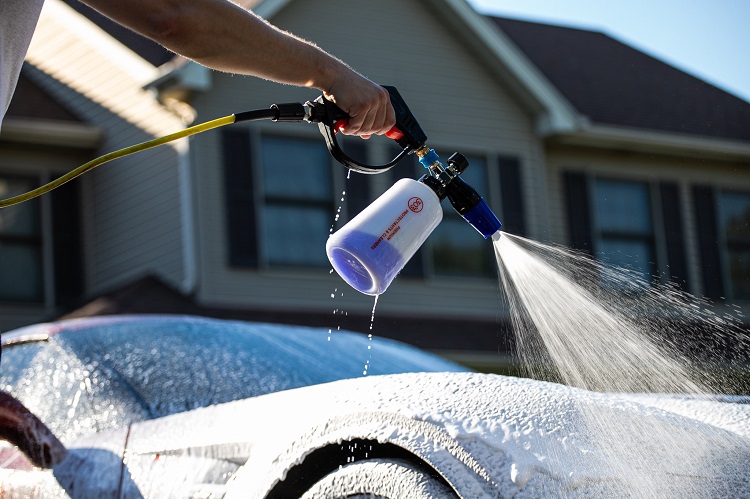
Credit: www.goldeagle.com
Maintaining Your Foam Cannon
Maintaining your foam cannon keeps it working well and lasts longer. Regular care prevents clogs and damage. A well-kept foam cannon sprays foam evenly every time. Follow simple steps after each use to protect your tool. Proper storage also helps avoid wear and tear. Troubleshooting small problems early saves time and money. Let’s explore key tips to maintain your foam cannon effectively.
Cleaning After Use
Empty the soap bottle completely. Rinse the bottle with clean water. Fill it halfway with water only. Attach to the pressure washer and spray until clear water flows. This flushes out soap and prevents buildup. Clean the nozzle and fittings with a soft brush. Wipe the outside with a damp cloth. Avoid harsh chemicals that can damage parts.
Storage Tips
Store the foam cannon in a dry place. Keep it away from direct sunlight and extreme temperatures. Remove the soap bottle and dry it fully before storage. Keep all parts loose to avoid damage. Use a storage bag or box for protection. Check the foam cannon regularly for cracks or wear. Proper storage reduces the risk of mold and rust.
Troubleshooting Common Issues
Foam cannon not spraying foam? Check soap concentration and adjust. Nozzle clogged? Soak it in warm water and clean gently. Weak spray pressure? Inspect for leaks or loose connections. Foam too thin? Use a better soap or change mixture ratio. If problems persist, consult the user manual for guidance. Regular checks help spot issues early.
Frequently Asked Questions
What Is A Foam Cannon For Pressure Washers?
A foam cannon attaches to a pressure washer to spray thick foam. It helps loosen dirt and grime on surfaces. Using foam improves cleaning efficiency and reduces scrubbing effort.
How Do I Mix Soap For Foam Cannon Use?
Mix soap and water according to foam cannon instructions. Use car wash soap or specialized foam soap. Proper dilution ensures thick foam and prevents damage to surfaces.
Can I Use Any Pressure Washer With A Foam Cannon?
Most pressure washers with 1/4-inch quick-connect fittings work with foam cannons. Check your washer’s PSI and GPM ratings for compatibility. Matching specs ensures effective foam application.
How Do I Adjust Foam Thickness On A Foam Cannon?
Adjust the foam cannon’s soap mixture and nozzle settings. Increasing soap concentration or tightening the nozzle produces thicker foam. Experiment to find the ideal foam consistency.
Conclusion
Using a foam cannon with a pressure washer makes cleaning easier and faster. It helps cover surfaces evenly with soap foam. This foam loosens dirt and grime well before rinsing. Always mix soap and water correctly for best results. Adjust the foam cannon settings to suit each job.
Clean your equipment after use to keep it working well. With these tips, your washing tasks will feel less like work. Give it a try and see the difference yourself. Simple steps, big results.


