If you’ve ever struggled with changing your fuel filter, you know how tricky it can be to disconnect those stubborn fuel lines. Using the right tool makes all the difference, and that’s where the fuel filter disconnect tool comes in.
In this guide, you’ll learn exactly how to use this tool step-by-step, saving you time and frustration. By the end, you’ll feel confident tackling your fuel filter without any guesswork. Ready to make your car maintenance easier? Let’s dive in!
Credit: navigatepa.com
Fuel Filter Disconnect Tool Basics
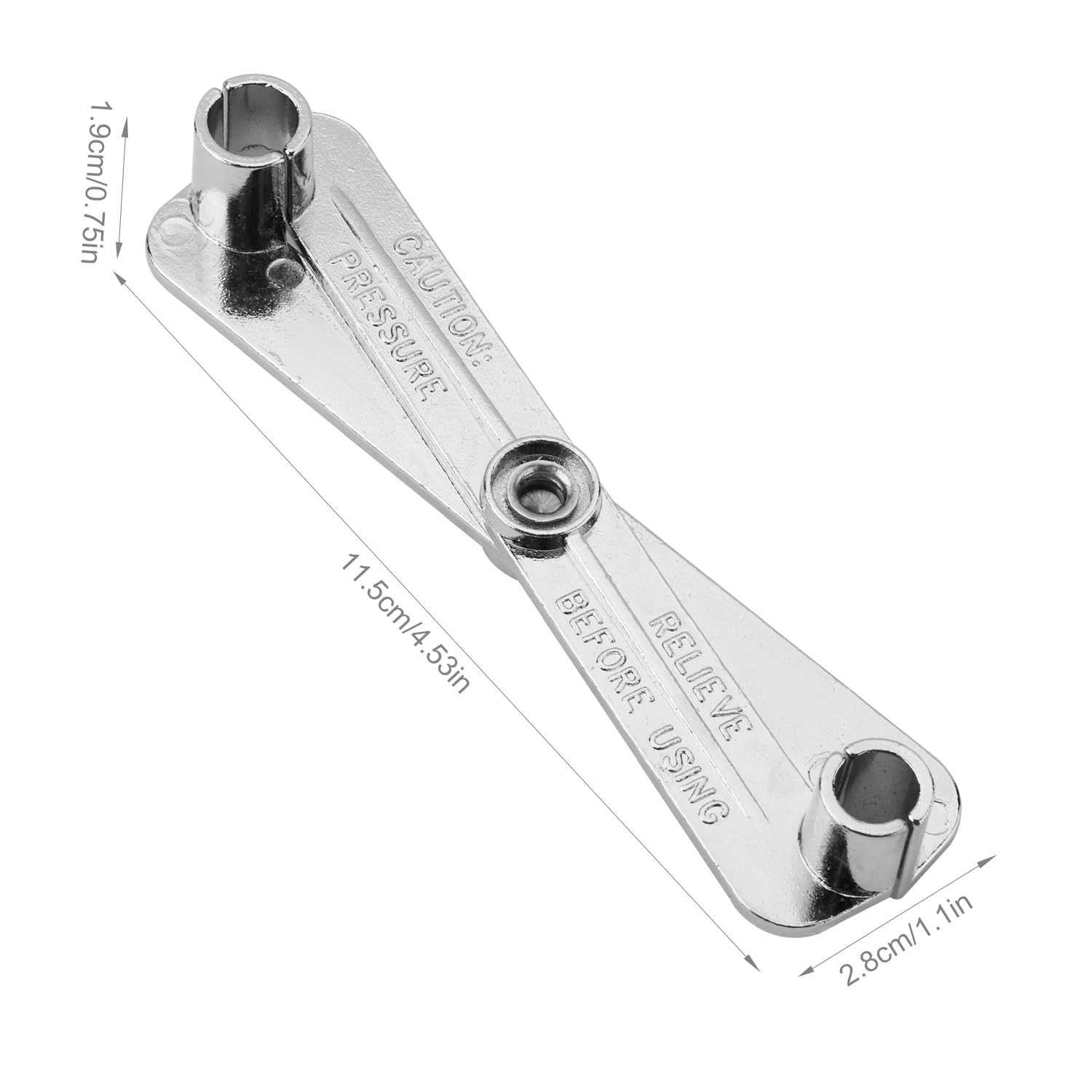
The fuel filter disconnect tool is key for car maintenance. It helps remove the fuel filter quickly and safely. Understanding its basics makes any fuel system job easier. This tool saves time and prevents damage to fuel lines.
Purpose And Function
The tool’s main job is to release fuel line connectors. It fits around the fuel line to unlock the clip inside. This allows the fuel filter to detach without pulling hard. Using the tool stops fuel leaks and keeps the system intact. It works on many vehicles with quick-connect fittings.
Types Of Disconnect Tools
There are different types of fuel filter disconnect tools. Some are plastic, designed for light use and small lines. Others are metal for tougher fittings and repeated use. Some tools have a simple wedge shape. Others are ring-shaped to fit around the line evenly. Choosing the right tool depends on your car’s fuel system type. Having a set of tools covers most needs.

Credit: www.youtube.com
Choosing The Right Tool
Choosing the right fuel filter disconnect tool is important. It makes the job easier and faster. Using the wrong tool can cause damage to the fuel line or filter. This section helps you select the best tool for your needs.
Vehicle Compatibility
Not all tools work with every vehicle. Different cars use different fuel line designs. Some have quick-connect fittings, while others use threaded ones. Check your vehicle’s manual for the exact type. Choose a tool made for your vehicle’s fuel system. This prevents damage and saves time.
Tool Size And Design
Fuel line connectors come in various sizes. Tools vary to match these sizes. Pick a tool that fits snugly around the connector. A good fit means less risk of slipping or breaking parts. Some tools have a simple clip design, while others use a collar or wedge. Find the one that feels comfortable and easy to handle.
Preparing For The Job
Preparing for the job of using a fuel filter disconnect tool is important for a smooth process. Proper preparation reduces risks and saves time. Knowing what to expect helps you work with confidence and safety.
Safety Precautions
Wear safety glasses to protect your eyes from fuel spray. Use gloves to avoid skin contact with fuel. Work in a well-ventilated area to prevent inhaling fumes. Keep a fire extinguisher nearby in case of emergencies. Avoid open flames or sparks around the work area.
Gathering Necessary Equipment
Collect the correct fuel filter disconnect tool for your vehicle. Have a clean container ready to catch any fuel spills. Keep rags or paper towels nearby for quick cleanup. Use a jack and stands if you need to lift the vehicle. Make sure you have basic hand tools like wrenches or pliers ready.
Step-by-step Removal Process
The step-by-step removal process is key to safely and quickly change your fuel filter. Knowing each stage helps avoid damage to fuel lines and connectors. Follow this guide carefully to ensure a smooth removal.
Locating The Fuel Filter
Start by finding the fuel filter in your vehicle. It usually sits along the fuel line, near the engine or under the car. Check your vehicle manual for the exact spot. Make sure the engine is off and cooled down before touching anything.
Using The Disconnect Tool Correctly
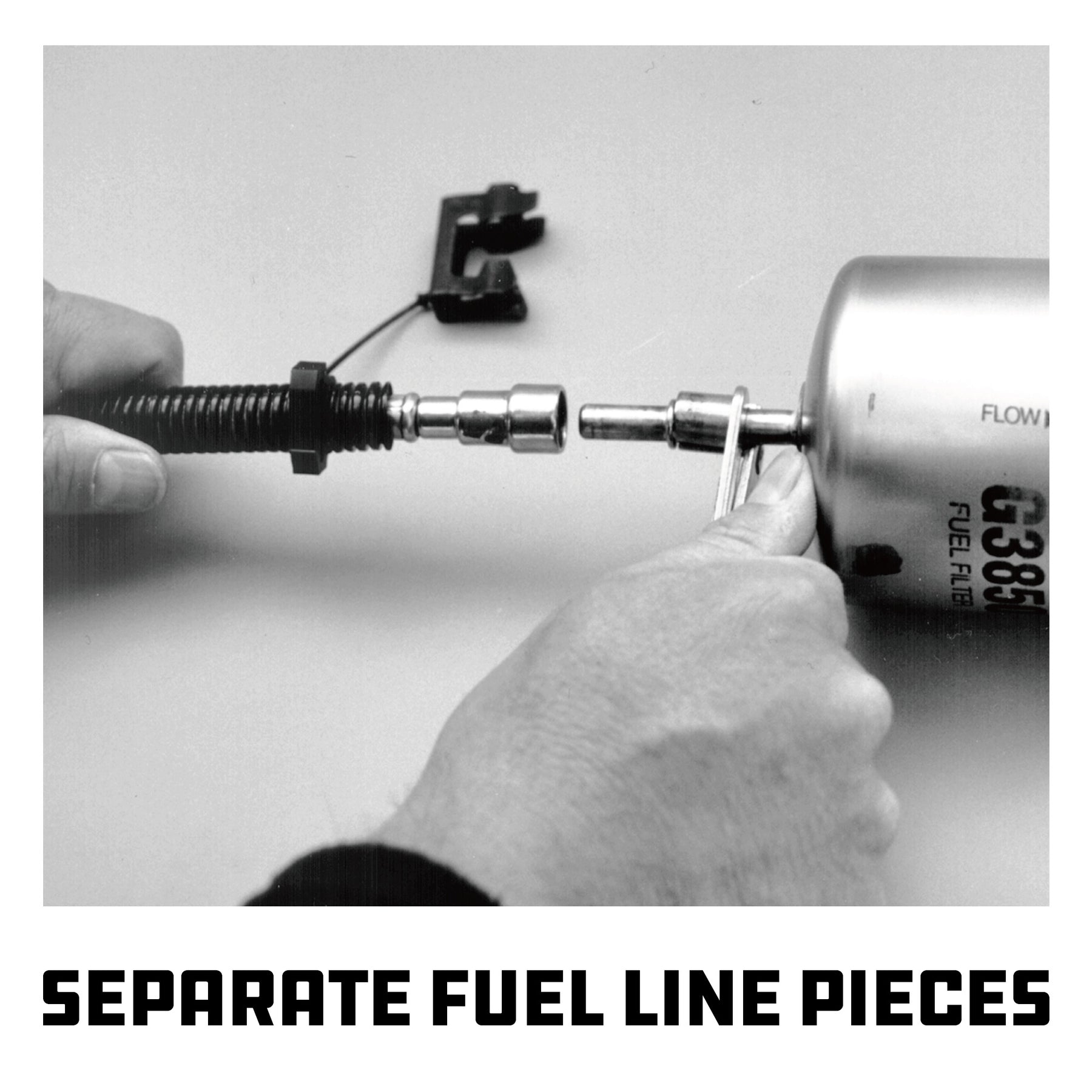
Choose the right size disconnect tool for your fuel filter connectors. Slide the tool around the fuel line fitting. Push it in firmly to release the locking mechanism. This action frees the fuel line without breaking it.
Removing The Fuel Lines
After unlocking, gently pull the fuel lines away from the filter. Avoid twisting or yanking hard. Use a cloth to catch any leaking fuel. Keep the work area clean and safe during this step.
Installing A New Fuel Filter
Installing a new fuel filter is a key step after removing the old one. This process ensures clean fuel reaches your engine. Proper installation helps your vehicle run smoothly and avoid damage.
Positioning The New Filter
Place the new fuel filter in the holder or bracket. Make sure the arrow on the filter points toward the engine. This shows the correct fuel flow direction. Secure the filter firmly but do not overtighten.
Reconnecting Fuel Lines
Attach the fuel lines to the new filter using the disconnect tool. Push the connectors until they click into place. Check that the lines are tight and properly seated. Loose connections can cause leaks or fuel loss.
Testing For Leaks
Turn the ignition on without starting the engine. This will pressurize the fuel system. Look closely around the filter and connections for any signs of fuel leaks. If you see leaks, tighten the fittings and test again.
Troubleshooting Common Issues
Troubleshooting common issues with a fuel filter disconnect tool helps you avoid delays. Small problems can stop the job or cause damage. Knowing how to handle these issues saves time and effort.
Here are common problems and how to fix them quickly.
Stuck Connectors
Connectors often get stuck due to dirt or corrosion. Clean the area around the connector first. Use a small brush or cloth to remove grime. Gently wiggle the connector to loosen it. Avoid using too much force, as it may break parts.
Tool Slippage
Slippage happens when the tool does not grip well. Make sure you use the right size tool for the connector. Check if the tool teeth are worn out or damaged. Replace the tool if needed. Hold the tool firmly and apply steady pressure to prevent slipping.
Fuel Leaks
Fuel leaks can occur if connections are not secure. After disconnecting, inspect seals and O-rings for damage. Replace any worn or cracked seals before reconnecting. Work in a well-ventilated area and avoid sparks. Clean up spills immediately to stay safe.
Maintenance Tips For Disconnect Tools
Proper care of your fuel filter disconnect tool ensures it works well every time. Regular maintenance extends the tool’s life and keeps it safe to use. Simple steps like cleaning and checking the tool can prevent damage and save money.
Cleaning And Storage
After each use, wipe the tool clean with a dry cloth. Remove any dirt or fuel residue gently. Avoid using water or harsh chemicals that may cause rust. Store the tool in a dry place to protect it from moisture. Use a toolbox or case to keep it safe and organized.
Tool Inspection
Check the tool regularly for signs of wear or damage. Look for cracks, bends, or loose parts before every use. Replace the tool if you find any damage to avoid accidents. Tighten any loose parts to keep it functioning properly. Regular inspections make your work easier and safer.
Credit: comunisostenibili.eu
Frequently Asked Questions
What Is A Fuel Filter Disconnect Tool?
A fuel filter disconnect tool helps remove fuel line connectors safely. It prevents damage to connectors during fuel filter replacement. This tool fits various vehicle models, making fuel system maintenance easier and quicker. It ensures a secure and clean disconnection process.
How Do You Use A Fuel Filter Disconnect Tool?
Insert the tool between the fuel line and connector. Push or twist the tool to release the locking mechanism. Gently pull the fuel line off the filter. Always relieve fuel system pressure before disconnecting to avoid spills or injuries.
When Should You Replace A Fuel Filter?
Replace the fuel filter every 20,000 to 40,000 miles or as recommended. Signs include engine misfires, poor acceleration, or fuel odor. Regular replacement ensures clean fuel flow and protects the engine from contaminants.
Can I Use Any Disconnect Tool For Fuel Filters?
No, use the correct size and type for your vehicle’s connectors. Using the wrong tool may damage the fuel line or connector. Consult your vehicle manual or tool kit for the proper disconnect tool.
Conclusion
Using a fuel filter disconnect tool makes the job faster and safer. It helps you remove fuel lines without damage or leaks. Always choose the right tool for your vehicle’s model. Take your time and follow each step carefully. This tool is useful for routine maintenance and repairs.
With practice, you will feel more confident handling it. Keeping your fuel system clean improves your car’s performance. Simple tools can make tough jobs easier. Try this method next time you change your fuel filter. You will save effort and avoid costly mistakes.