

Want to give your bike a fresh, unique look without spending a fortune? Vinyl wrapping your bike frame is the perfect way to do just that.
You can change its color, add cool designs, and protect the frame all at once. But maybe you’re wondering how to get started or if it’s too complicated. Don’t worry—you’re about to learn easy, step-by-step tips that will make the process simple and fun.
Keep reading to discover how you can transform your bike with a vinyl wrap that turns heads wherever you ride.
Tools And Materials Needed
Before wrapping your bike frame, gather all tools and materials. Having the right supplies makes the process smooth and neat. Prepare everything in advance to avoid interruptions. This section explains what you need and how to prepare.
Selecting The Right Vinyl
Choose vinyl designed for outdoor use. It should resist water and sunlight. Pick a vinyl with good stretch and thickness. Glossy or matte finish depends on your style. Buy extra vinyl to cover mistakes and curves.
Essential Tools For Wrapping
Use a heat gun to soften the vinyl for curves. A squeegee helps press air bubbles out. Sharp scissors or a craft knife cut the vinyl precisely. Use rubbing alcohol and a clean cloth to clean the frame. Gloves prevent fingerprints on the vinyl.
Preparing Your Workspace
Work in a clean, dust-free area. A flat surface helps lay out the vinyl smoothly. Good lighting allows you to see details clearly. Keep tools and materials within reach. Avoid wind or direct sunlight to prevent dust and uneven heating.

Credit: roadbikeaction.com
Preparing The Bike Frame
Preparing the bike frame is a key step before applying vinyl wrap. A clean and smooth surface helps the vinyl stick well. It also gives a neat, lasting finish. This process takes time but ensures the best results.
Follow the steps carefully for a perfect base. Start by cleaning and degreasing. Then remove parts that can get in the way. Finish by sanding and smoothing the surface.
Cleaning And Degreasing
Start with washing the bike frame using warm water and mild soap. Remove dirt, dust, and grime. Use a soft cloth or sponge for gentle scrubbing. Next, apply a degreaser to remove oils and grease. Grease can stop the vinyl from sticking properly. Wipe the frame with a clean cloth until dry.
Removing Components
Remove parts like the seat, wheels, pedals, and cables. These parts block the wrapping process. Take off any stickers or decals too. You need clear access to the frame surface. Use the right tools to avoid damage. Keep small parts safe for reassembly later.
Sanding And Smoothing Surface
Lightly sand the frame with fine-grit sandpaper. This step helps the vinyl grip better. Focus on rough spots and scratches. Smooth edges and corners carefully. After sanding, wipe the frame with a damp cloth. Remove all dust before wrapping. A smooth frame ensures a clean vinyl finish.
Cutting And Measuring Vinyl
Cutting and measuring vinyl is a key step in wrapping a bike frame. It ensures the vinyl fits perfectly and looks smooth. This step helps avoid waste and reduces mistakes. Proper measuring and cutting lead to a professional finish.
Taking Accurate Measurements
Use a flexible tape to measure each bike frame part. Measure twice to avoid errors. Note the length, width, and curves carefully. Write down all measurements before cutting. Accurate numbers help cut vinyl that fits well.
Cutting Vinyl Panels
Lay the vinyl flat on a clean surface. Use a sharp knife or scissors for straight cuts. Cut a bit larger than the measurements. This extra material allows room for adjustments. Keep cuts smooth to prevent tears and wrinkles.
Planning For Seams And Overlaps
Plan where vinyl pieces will join on the frame. Overlap edges by about half an inch. This overlap hides seams and improves grip. Avoid placing seams on curved or visible areas. Proper planning makes the wrap look seamless and neat.
Applying The Vinyl Wrap
Applying the vinyl wrap to your bike frame takes care and patience. This step shapes the final look and protects the bike. Proper application avoids bubbles and wrinkles. Follow each part carefully for a smooth finish.
Positioning The Vinyl
Start by placing the vinyl wrap gently on the bike frame. Align it carefully with the edges and curves. Don’t remove the backing paper yet. Adjust the vinyl so it fits well over the frame. Check for any areas that might stretch or bunch up.
Using Heat For Flexibility
Use a heat gun or hairdryer to warm the vinyl slightly. Warm vinyl becomes soft and easier to shape. Heat helps the vinyl wrap around tight corners and curves. Keep the heat moving to avoid damage. Use moderate heat to prevent shrinking or burning.
Smoothing Out Bubbles And Wrinkles
After placing the vinyl, smooth it out with a squeegee or soft cloth. Push air bubbles toward the edges gently. Work from the center outward to avoid trapping air. For wrinkles, apply more heat and stretch the vinyl carefully. Repeat smoothing until the surface is even and tight.
Finishing Touches
After applying the vinyl wrap on your bike frame, the finishing touches make all the difference. These final steps ensure the wrap looks neat and lasts long. Pay attention to detail for a smooth, professional result.
Trimming Excess Vinyl
Use a sharp blade to carefully cut off extra vinyl around edges. Cut slowly to avoid damage to the frame or wrap. Keep the blade angle shallow to get clean, precise cuts. Remove all loose vinyl pieces to prevent peeling later.
Reattaching Bike Components
Put back parts like the seat, pedals, and handlebars carefully. Tighten screws and bolts firmly but avoid over-tightening. Make sure the wrap does not get pinched or folded during assembly. Check all components for proper fit and alignment.
Curing And Protecting The Wrap
Let the vinyl rest for at least 24 hours to set firmly. Avoid washing or exposing the bike to rain during this time. Use a soft cloth and mild cleaner to clean the wrap gently. Avoid harsh chemicals or abrasive materials that can damage the vinyl.
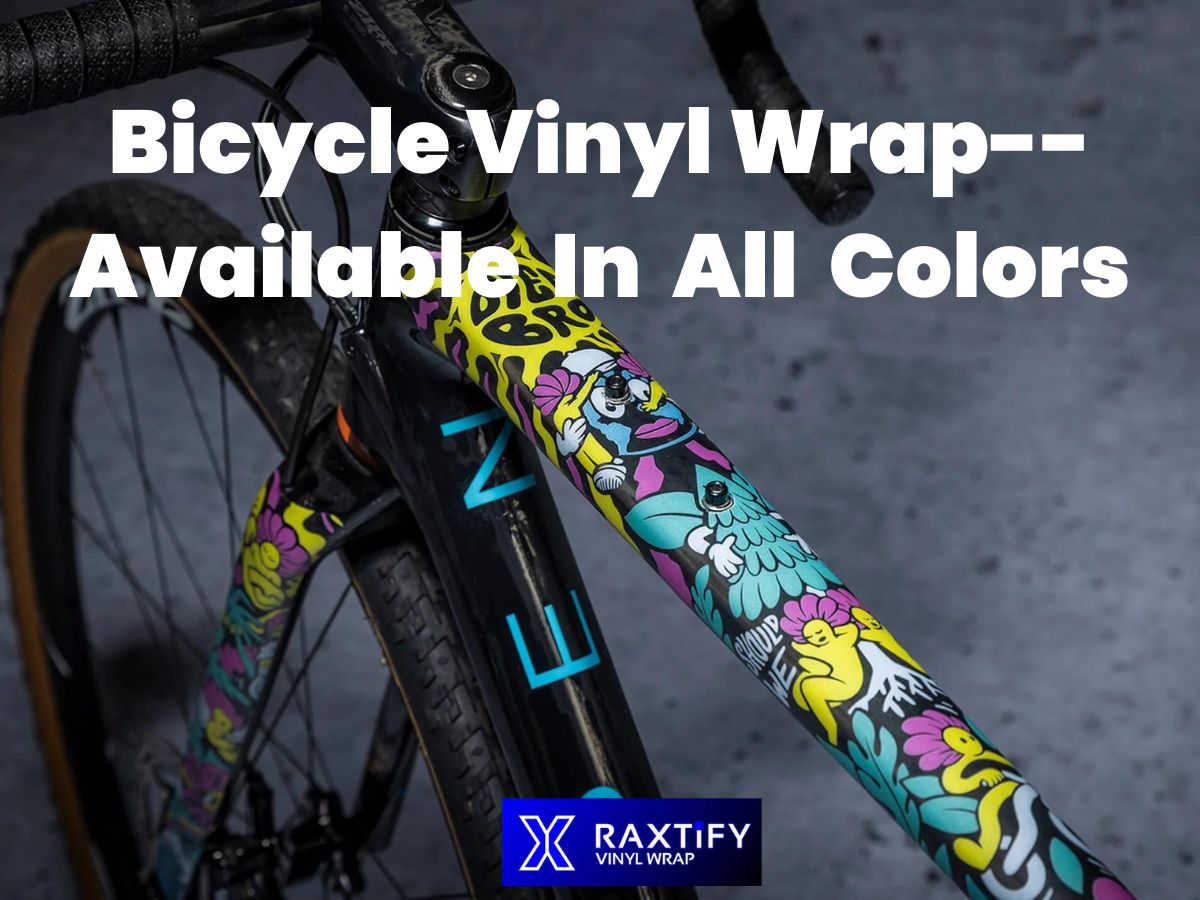
Credit: breezeresidency.com
Maintenance Tips
Taking care of a vinyl wrapped bike frame is important. Proper maintenance keeps the wrap looking fresh and lasts longer. Follow simple steps to protect your bike and enjoy its new look.
Cleaning Wrapped Frames
Use a soft cloth or sponge to clean the frame. Avoid rough brushes that can scratch the vinyl. Wash with mild soap and water only. Rinse well to remove all soap. Dry the frame with a clean towel. Do not use strong chemicals or solvents. They can damage the vinyl surface.
Avoiding Damage
Keep sharp objects away from the wrap. Do not lean the bike against rough walls. Avoid dropping the bike or hitting hard surfaces. Park in safe areas to prevent scratches and tears. Protect the wrap from direct sunlight for long periods. Sun can fade the colors and weaken the vinyl. Use a bike cover if needed.
When To Rewrap
Look for signs like peeling or cracking. These mean the wrap is worn out. Fading colors also suggest rewrapping time. Small tears can spread and worsen. Fix them quickly or plan to rewrap soon. Regular checks help catch damage early. A fresh wrap keeps your bike looking new and stylish.

Credit: www.youtube.com
Frequently Asked Questions
What Materials Are Needed To Vinyl Wrap A Bike Frame?
You need vinyl wrap sheets, a heat gun, a squeegee, scissors, and cleaning supplies. These help achieve a smooth, lasting finish.
How Do You Prepare A Bike Frame For Vinyl Wrapping?
Clean the frame thoroughly to remove dirt and grease. Sand lightly for better adhesion. Dry completely before wrapping.
Can Vinyl Wrap Protect The Bike Frame From Scratches?
Yes, vinyl wrap adds a protective layer that resists minor scratches and chips. It also preserves the original paint.
How Long Does A Vinyl Wrap Last On A Bike Frame?
A vinyl wrap typically lasts 3 to 5 years with proper care. Avoid harsh chemicals and excessive sun exposure.
Conclusion
Vinyl wrapping a bike frame can change its look easily. It protects the frame from scratches and dirt. Taking your time helps avoid bubbles and wrinkles. Clean the frame well before starting the wrap. Use a heat gun carefully to shape the vinyl.
Small cuts make fitting around curves simple. Practice makes the process smoother and faster. Enjoy your new bike style without spending much. Try this method to refresh any bike frame. You will feel proud of your work.


