

You want your car to look its best, shining like it just rolled off the showroom floor. Waxing your car is one of the simplest ways to protect the paint and keep it gleaming.
But if you’ve never waxed a car before, it might seem tricky or time-consuming. What if you could learn how to wax your car like a pro, with a smooth finish that turns heads every time? In this guide, you’ll discover easy steps and insider tips that make waxing fast, effective, and even enjoyable.
Ready to give your car that flawless shine? Let’s dive in.

Credit: www.eagleridgegm.com
Choosing The Right Wax
Choosing the right wax is important for your car’s shine and protection. The wax you pick affects how your car looks and how long the shine lasts. Not all waxes work the same on every paint type. Knowing the differences helps you get the best results.
Types Of Car Wax
There are several types of car wax. Paste wax is thick and gives a deep shine. Liquid wax is easy to apply and spreads quickly. Spray wax is fast to use but may not last as long. Each type has its own benefits for different needs.
Synthetic Vs. Natural Waxes
Synthetic waxes are made from chemicals. They last longer and protect better from weather. Natural waxes come from carnauba, a plant-based material. They give a warm, glossy finish but may need more frequent application. Choose based on how long you want protection and the look you prefer.
Best Wax For Your Car’s Paint
Some waxes work better on certain paint types. Hard paints hold wax longer. Soft paints may need gentle wax to avoid damage. Dark colors show imperfections easily, so a high-gloss wax is good. Light colors hide scratches better and need wax that adds depth. Match the wax to your paint type for the best shine.

Credit: www.youtube.com
Preparing Your Car
Preparing your car before waxing is very important. It helps the wax stick well. It also protects your car’s paint. Take your time with each step. Clean and smooth surfaces give the best shine.
Washing And Drying
Start by washing your car thoroughly. Use a car shampoo and a soft sponge. Remove all dirt and dust carefully. Rinse with clean water to avoid soap spots. Dry the car using a soft microfiber towel. Make sure no water is left behind.
Removing Contaminants
Check the car surface for small particles. These include tar, sap, or iron deposits. Use a special cleaner or spray to remove them. Wipe gently to avoid scratches. Clean surfaces help wax bond better.
Claying The Surface
Use a clay bar to remove stubborn dirt. Rub the clay bar over the wet surface lightly. It pulls out tiny contaminants stuck in the paint. Keep the surface wet while claying. After claying, wipe the car with a clean cloth.
Tools And Materials Needed
Waxing your car needs the right tools and materials. These help you get a smooth, shiny finish. Using proper tools also saves time and effort. Below are the main tools you need for waxing like a pro.
Applicator Pads
Applicator pads help spread wax evenly on your car’s surface. Choose soft foam or microfiber pads for best results. They prevent scratching and make waxing easier. Use small, circular motions to apply wax smoothly.
Microfiber Towels
Microfiber towels are perfect for wiping off excess wax. They absorb wax without leaving lint behind. Use clean, dry towels to buff your car to a shine. Always use gentle pressure to avoid scratches.
Buffer Machines
Buffer machines speed up the waxing process. They give even coverage and reduce hand fatigue. Choose a dual-action buffer for safe, effective waxing. Use low speed to avoid damaging the paint.
Waxing Techniques
Waxing your car properly protects the paint and keeps it shiny. Using the right techniques makes waxing easier and more effective. This section explains simple ways to apply wax to your car. Each method has its own benefits. Choose what fits you best.
Applying Wax By Hand
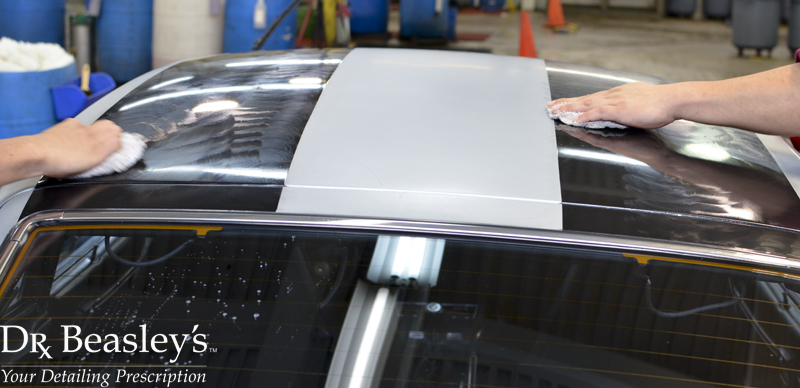
Applying wax by hand lets you control pressure and coverage. Use a soft foam applicator or microfiber cloth. Dab a small amount of wax on the applicator. Spread it evenly over the car surface with small circles. Work gently to avoid scratches. Let the wax dry to a haze before buffing it off with a clean cloth.
Using A Machine Buffer
A machine buffer speeds up waxing and gives a smooth finish. Attach a soft foam pad to the buffer. Apply wax to the pad in small amounts. Turn on the buffer at low speed. Move it slowly in circular motions. Avoid staying too long in one spot. Buff the wax off with a microfiber towel after it dries.
Working In Small Sections
Waxing in small sections helps cover the entire car evenly. Divide the car into parts like the hood, doors, and roof. Apply wax to one section at a time. This keeps the wax from drying too fast. It also makes buffing easier. Finish each section before moving to the next. This method prevents missing spots or streaks.
Timing And Conditions
Choosing the right time and conditions is key to waxing your car effectively. Waxing under poor conditions can ruin your work and leave marks. This section explains the best weather, how long to wait, and why direct sunlight is a no-go.
Ideal Weather For Waxing
Pick a cool, dry day for waxing your car. Avoid hot temperatures that make wax dry too fast. Mild weather helps the wax spread evenly. Do not wax on rainy or humid days. Wet surfaces stop wax from sticking properly.
How Long To Let Wax Cure
After applying wax, wait before buffing. Let the wax dry until it looks hazy. This usually takes 5 to 15 minutes. Follow the wax product instructions for exact times. Proper curing helps the wax bond with the paint.
Avoiding Direct Sunlight
Never wax your car under direct sunlight. Heat from the sun causes wax to dry unevenly. It makes buffing harder and leaves streaks. Work in the shade or in a garage. This keeps the wax smooth and shiny.
Removing Wax And Polishing
Removing wax and polishing your car is the key to a smooth, shiny finish. This step clears off excess wax and brings out the car’s true color. Taking time here helps protect the paint and keeps your car looking fresh longer.
Buffing Tips
Use a clean, soft microfiber cloth to buff the wax off. Work in small sections with gentle, circular motions. Avoid pressing too hard. Change cloth sides often to prevent spreading wax residue. Buff until the surface feels smooth and looks even.
Dealing With Streaks And Smudges
Streaks happen if wax is not fully removed. Use a fresh cloth slightly dampened with water to wipe streaks away. Lightly rub the affected areas until they disappear. Avoid using harsh chemicals. They can damage the paint and dull the shine.
Enhancing The Shine
After buffing, apply a polish designed for cars. Use a soft cloth and small amounts. Spread evenly in circular motions to enhance gloss. Let the polish dry to a haze, then buff again with a clean cloth. This step adds depth and brilliance to your car’s surface.
Maintaining Your Wax Job
Maintaining your wax job is key to keeping your car shiny and protected. Wax does not last forever. Dirt, rain, and sun can wear it down. Taking simple steps helps your wax stay strong longer. This keeps your car’s paint safe and looking great.
Regular Washing Tips
Wash your car often with gentle soap. Use a soft sponge or mitt to avoid scratches. Rinse well to remove all soap. Avoid harsh chemicals that strip wax. Dry your car with a clean, soft towel. This keeps wax from wearing off quickly.
Touch-up Waxing
Apply a thin layer of wax every few weeks. Focus on spots where wax looks thin. Use a small applicator pad for control. Let wax dry for a few minutes. Buff gently with a soft cloth to shine. This refreshes protection and keeps paint smooth.
Protecting Your Finish
Park in shade or use a car cover. This reduces sun damage to wax and paint. Avoid parking under trees to prevent sap and bird droppings. Clean off any contaminants quickly. Use a spray detailer to add extra shine between washes.
Credit: www.drbeasleys.com
Common Mistakes To Avoid
Waxing your car properly can keep its paint shiny and protected. Avoiding common mistakes helps achieve a smooth finish. Many people make errors that reduce wax effectiveness or damage the paint. Learning what to avoid saves time and effort.
Over-waxing
Applying wax too often can harm your car’s paint. Wax layers can build up, causing a dull surface. Over-waxing also wastes product and money. Aim to wax your car every three months or as needed. This keeps the paint protected without overdoing it.
Using The Wrong Products
Not all waxes suit every car paint type. Some products may leave streaks or spots. Avoid using abrasive waxes on delicate finishes. Choose waxes made for your car’s paint and climate. Check product labels and reviews before buying.
Skipping Preparation Steps
Applying wax on a dirty car causes poor results. Dirt and grime trap under the wax, harming paint. Always wash and dry your car thoroughly first. Use clay bars to remove stubborn contaminants. Proper preparation helps the wax stick and shine.
Frequently Asked Questions
How Often Should I Wax My Car For Best Results?
Wax your car every 3 to 4 months to maintain shine and protection. Frequent waxing protects paint from UV rays, dirt, and water damage, keeping your car looking new and glossy.
What Type Of Wax Is Best For Car Detailing?
Carnauba wax offers a deep, glossy finish but lasts shorter. Synthetic waxes provide longer-lasting protection and are easier to apply. Choose based on your desired shine and durability.
Can I Wax My Car In Direct Sunlight?
Avoid waxing in direct sunlight as heat can cause streaks and uneven application. Wax your car in a shaded, cool area for best results and easier buffing.
How Do I Prepare My Car Before Waxing?
Wash and dry your car thoroughly to remove dirt and grime. Use clay bars if needed to eliminate contaminants. Proper prep ensures smooth wax application and better protection.
Conclusion
Waxing your car protects the paint and keeps it shiny. Take your time and apply wax evenly. Use clean cloths and work in small sections. Regular waxing helps your car look newer longer. Enjoy the smooth, glossy finish after each session.
With practice, waxing becomes easier and more satisfying. Your car deserves this simple care to stay beautiful. Try it today and see the difference yourself.


